


- All Foundries

- 商品管理と取引

- 顧客とマーケティング戦略

- デジタルエンジニアリング

- ステーション・スタジオ

- サプライチェーン&インダストリー5.0

- サステナビリティ

- Physical AI

- Next-Gen Infrastructure












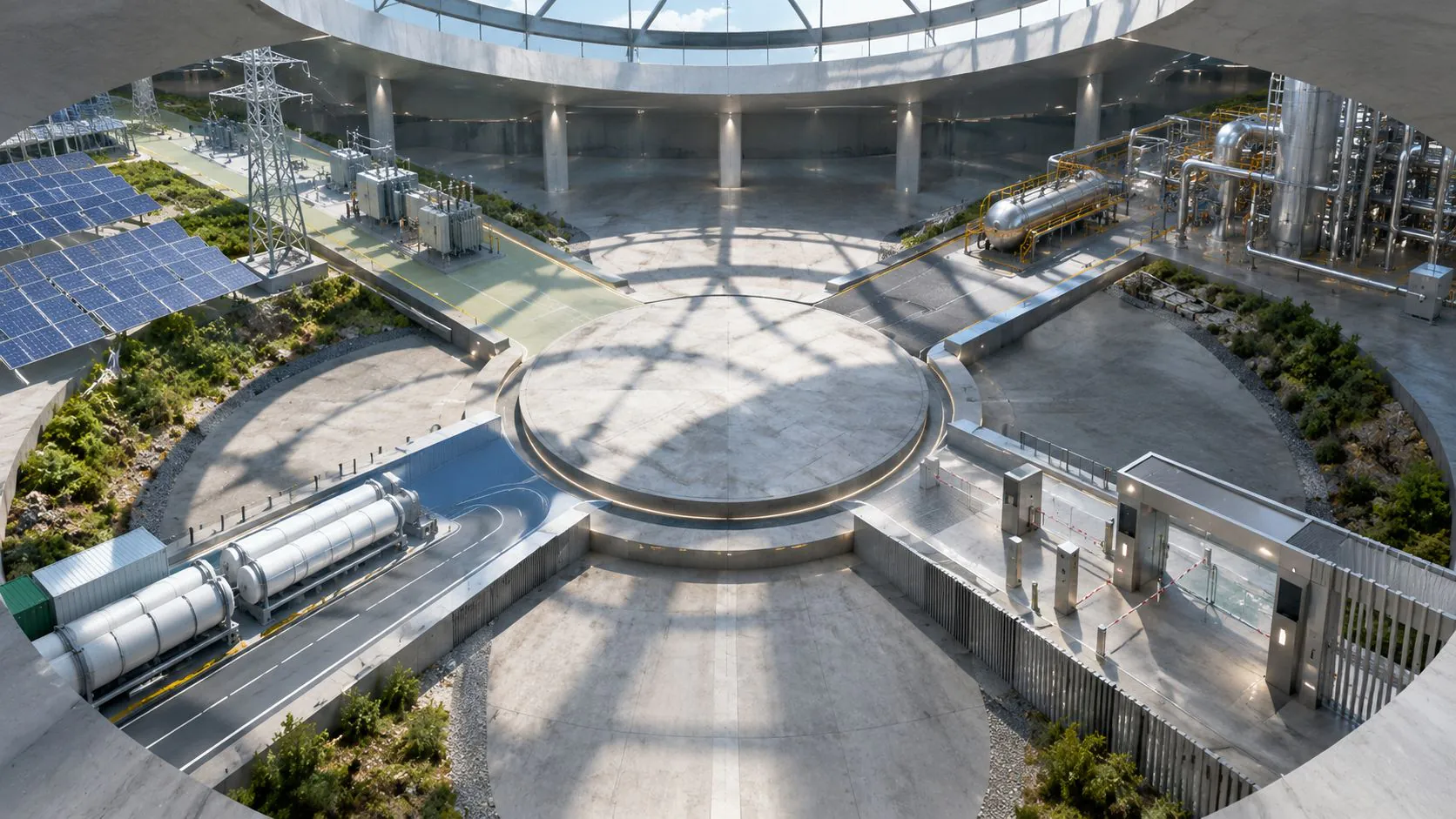
Decarbonization Strategy for Island Power Generation
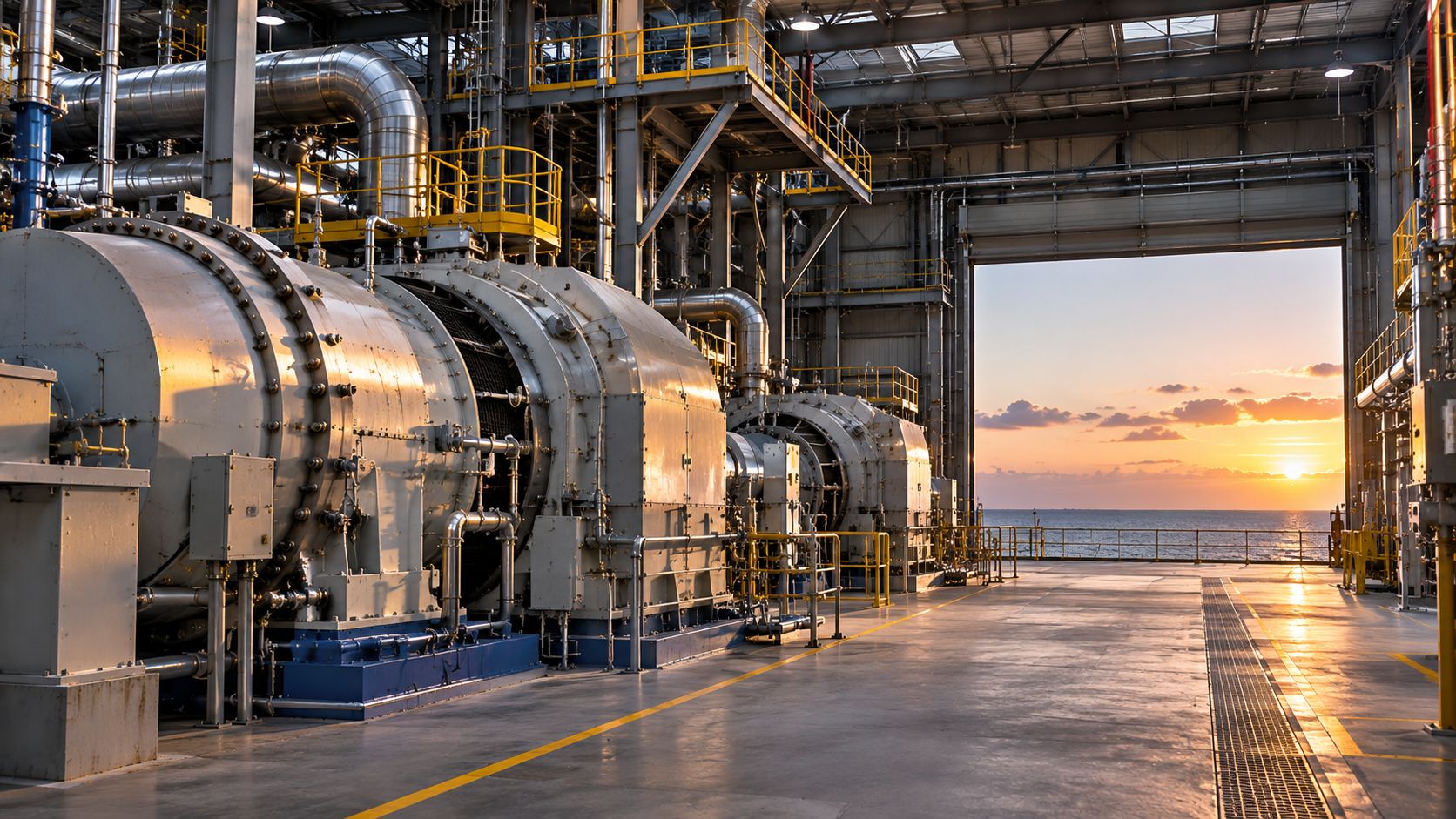
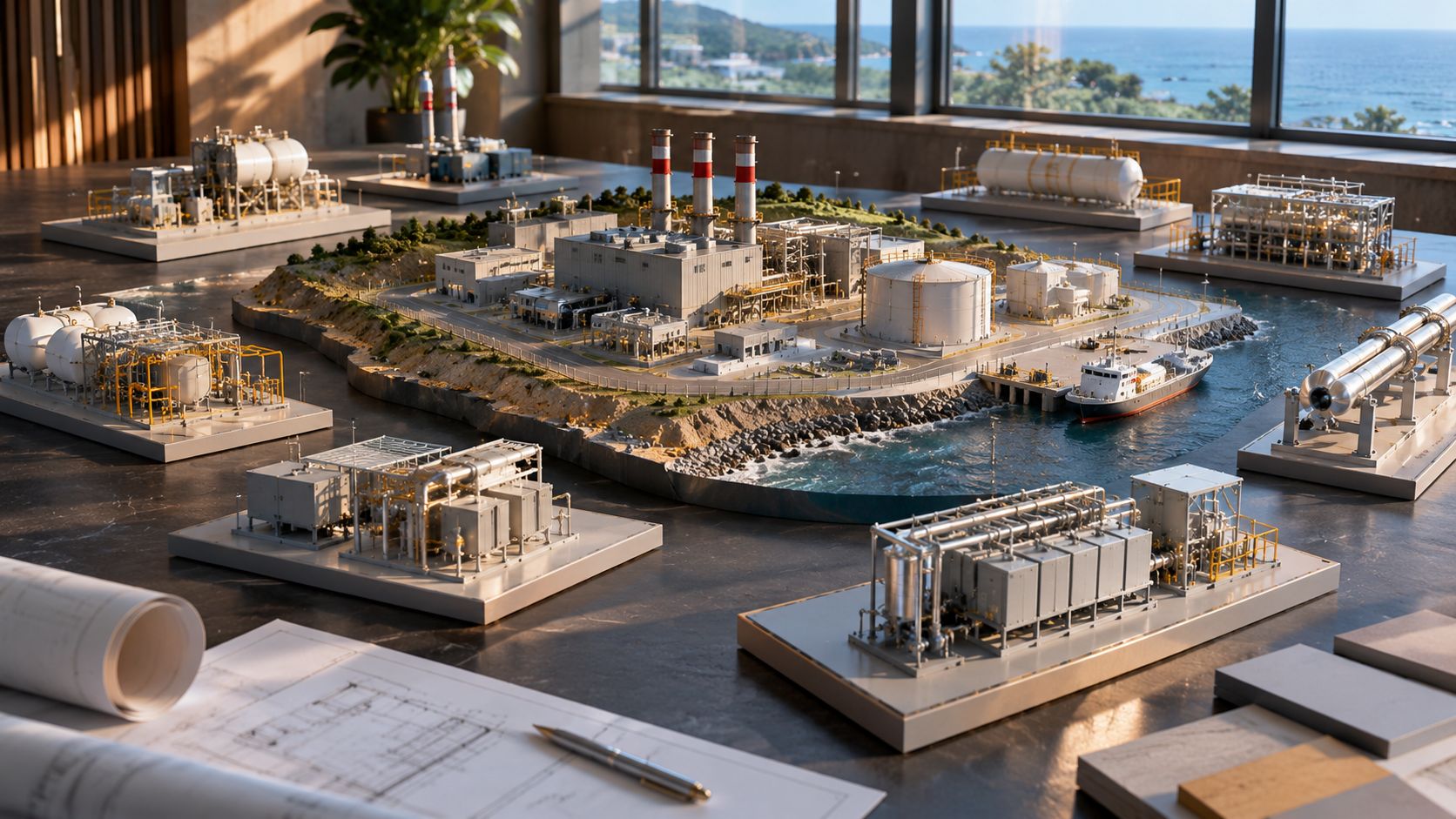
Decarbonizing an isolated power system requires more than choosing a lower-emission fuel. The client needed to understand which alternatives could be supplied credibly, how they aligned with sustainability considerations, what changes the existing fleet would require and whether those adaptations were economically feasible. NTT DATA brought these dimensions into one comparative assessment, helping the client identify the pathways that warranted deeper engineering, commercial or investment analysis.
With limited flexibility to rely on external power sources, each pathway had to be credible across four connected dimensions: continuity of supply, fuel availability and logistics, compatibility with existing assets, and economic feasibility.

The transition needed to reduce carbon intensity without compromising the reliability required from an isolated generation system.
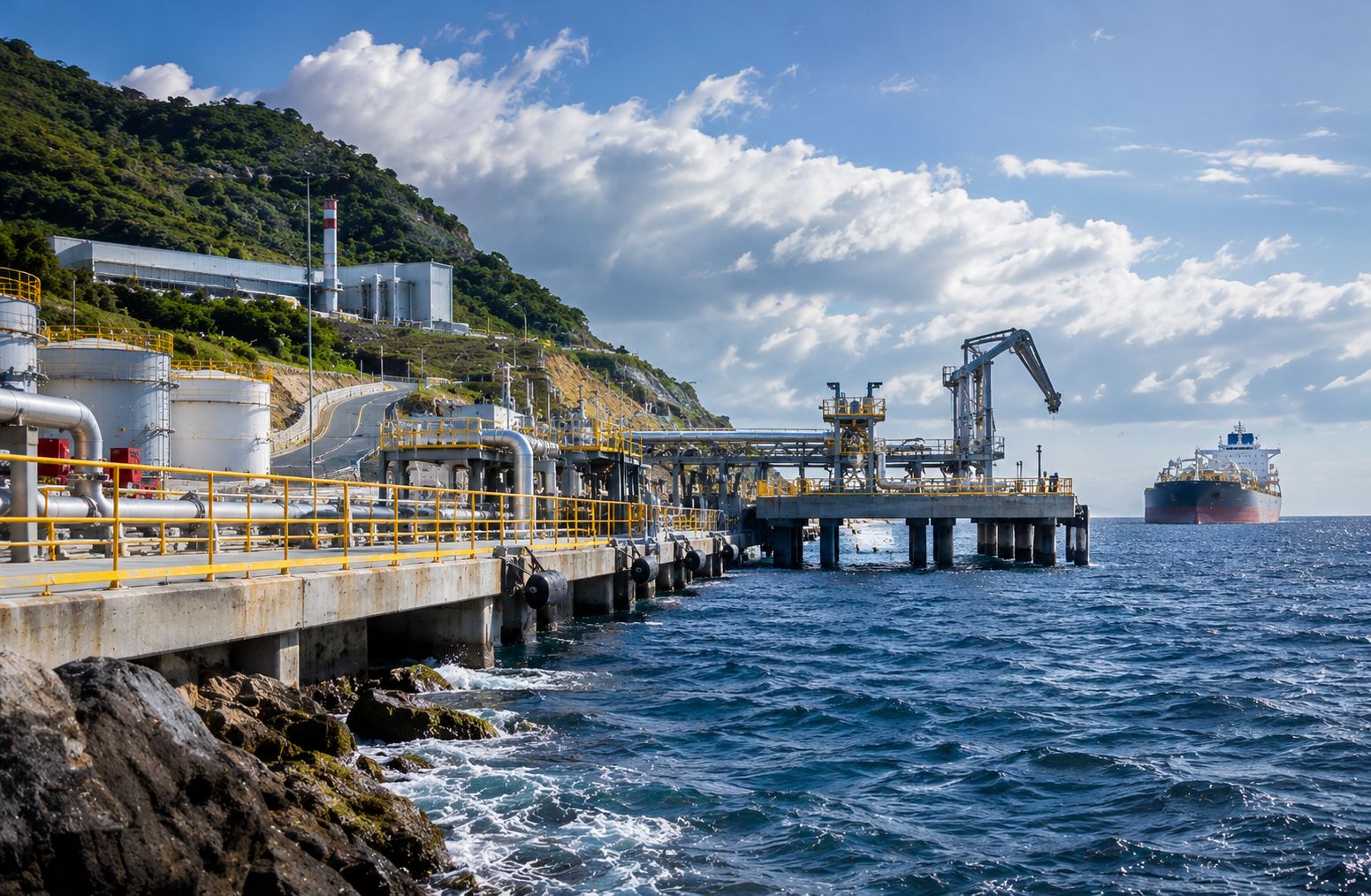
Alternatives had to be compared across availability, sustainability, transport and supply-chain characteristics.
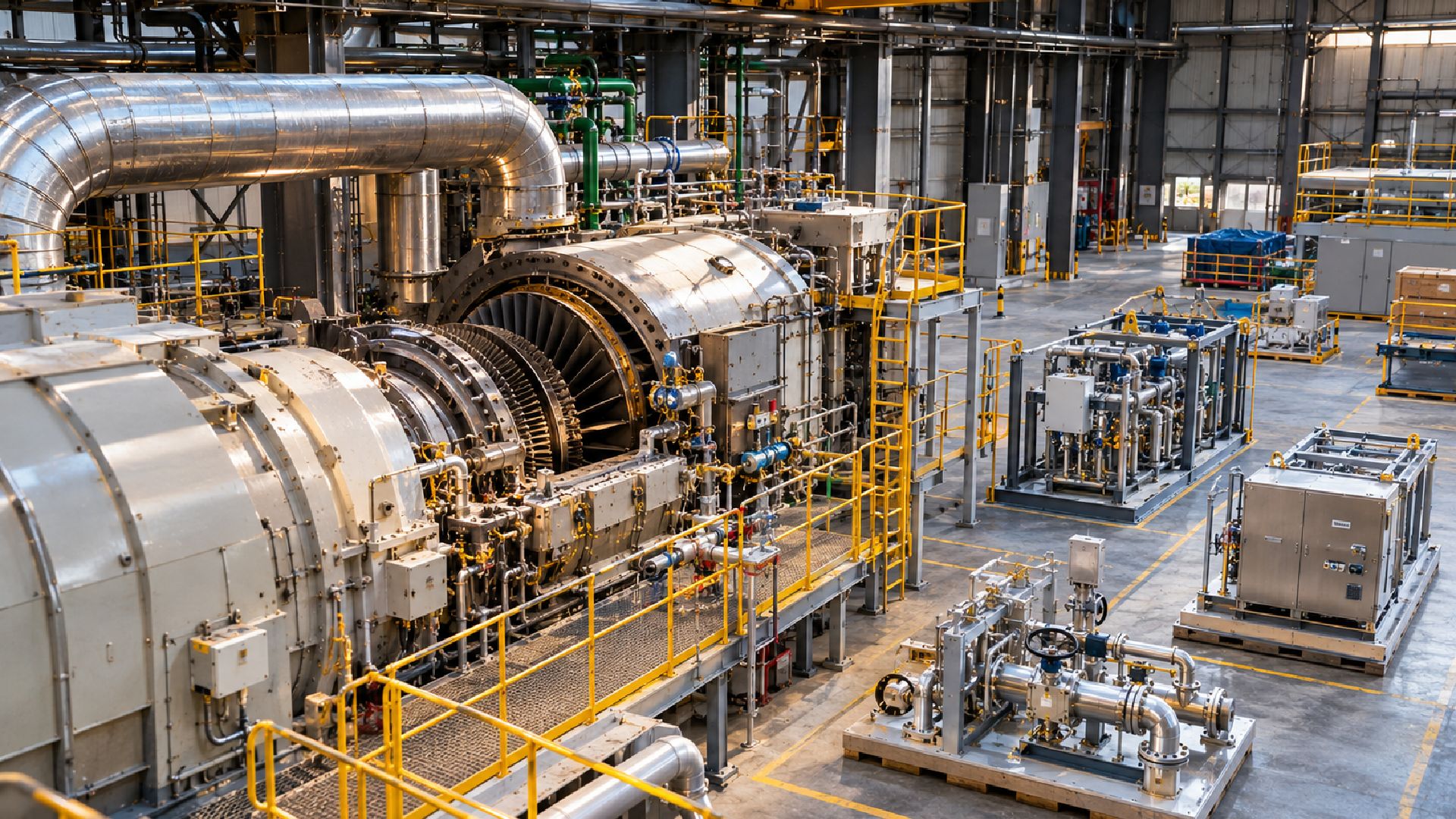
The assessment needed to determine whether existing generation assets could use candidate fuels and what this would mean for plant configuration and operation.

Technology choices had to be considered alongside their investment and operating implications.
NTT DATA assessed fuel supply, sustainability, plant adaptation and economics through a consistent decision frame. This made the trade-offs between alternatives more visible and established a grounded basis for selecting the routes that merited further development.

Kept continuity of supply as a core criterion when considering the transition of the island generation system.
Screened relevant low-emission fuel options across availability, sustainability, transport and overall supply feasibility.
Evaluated the changes required for current generation assets and identified technical constraints that could influence implementation.
Considered technical viability together with economic implications and consolidated the findings into a comparable basis for next-step decisions.
The assessment gave the client a more comparable view of low-emission fuel pathways and clarified how fuel availability, sustainability, asset adaptation and economics interact. It provides a stronger basis for deciding which alternatives should progress to deeper engineering, commercial or investment analysis, and for considering how the existing fleet transition could be sequenced. The source does not report a quantified project outcome or a realized emissions reduction, so the impact is presented as a qualitative decision-support result.
