- All Foundries

- 商品管理と取引

- 顧客とマーケティング戦略

- デジタルエンジニアリング

- ステーション・スタジオ

- サプライチェーン&インダストリー5.0
- サステナビリティ

- Physical AI

- Next-Gen Infrastructure











Hydropower Generation Forecasting & Scenario Simulation


Monthly hydropower forecasting and scenario simulation helped turn changing weather, reservoir and snow conditions into a clearer planning layer for renewable power generation.
The challenge was not only to improve a model. The capability needed to fit the client’s operating context, connect the right explanatory variables and give business users outputs they could trust, refresh and reuse.
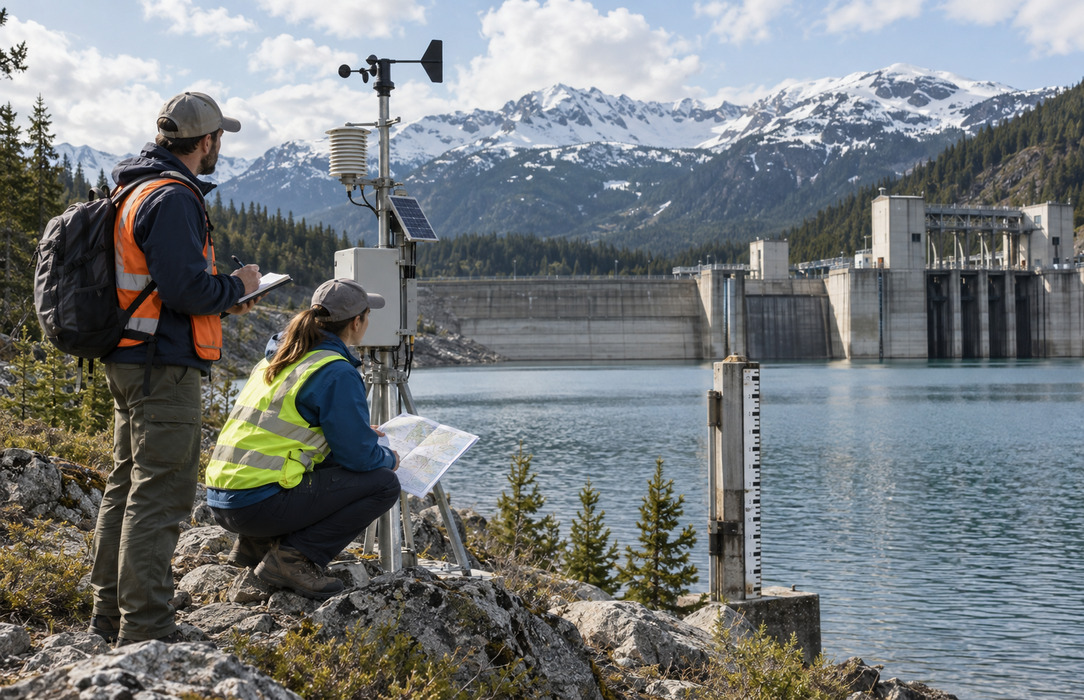
Existing forecasting did not give planners enough visibility into how precipitation, reservoir volume, ambient temperature and accumulated snow affected future generation.

When forecasts moved away from expectations, teams lacked a clear way to diagnose the drivers behind the deviation and update planning assumptions.

The initiative needed to manage multiple explanatory variables, time horizons and aggregation levels without losing consistency between operational forecasting and business planning.

Scenario preparation depended too heavily on manual work, making it harder to reproduce, compare and refresh assumptions as new information became available.
NTT DATA helped shape an end-to-end planning capability that connects data preparation, analytical forecasting, scenario simulation and decision support into a workflow business users can apply repeatedly.

Integrated internal company data with external information and the most influential generation drivers, including precipitation, reservoir volume, temperature and accumulated snow.
Made forecast changes and their underlying assumptions visible, helping planners understand deviations and translate changing hydrological conditions into planning inputs.
Built an aggregate monthly hydropower-generation forecast for the current and following year, combining historical information, explanatory variables and analytical models.
Created a simulator so users could refresh forecasts, test changes in the main drivers and compare alternative assumptions through a repeatable decision layer.
The initiative supported more accurate medium-term generation planning, faster forecast refresh when hydrological assumptions changed and a more structured understanding of forecast deviations. The reviewed source documents report a 2.31 GWh one-month forecast error, a 4 GWh improvement versus the prior approach and EUR 750k impact linked to energy purchase and sale decisions. Beyond model accuracy, the value lies in making planning more repeatable, scenario-based and useful for commercial decision-making.