


- All Foundries

- 商品管理と取引

- 顧客とマーケティング戦略

- デジタルエンジニアリング

- ステーション・スタジオ

- サプライチェーン&インダストリー5.0

- サステナビリティ

- Physical AI

- Next-Gen Infrastructure












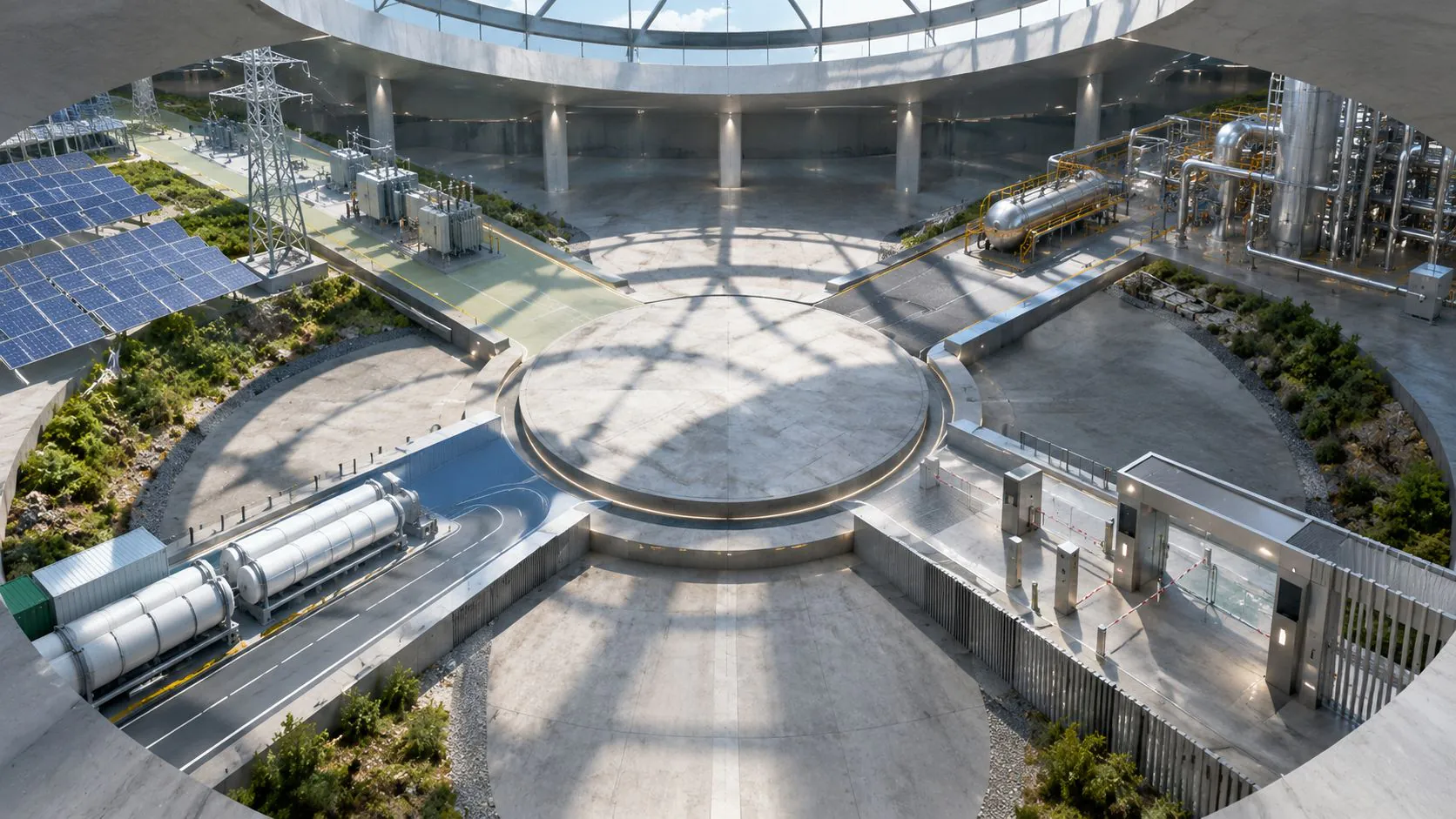
Water Quality and Aquatic Biota Monitoring for Hydropower Infrastructure
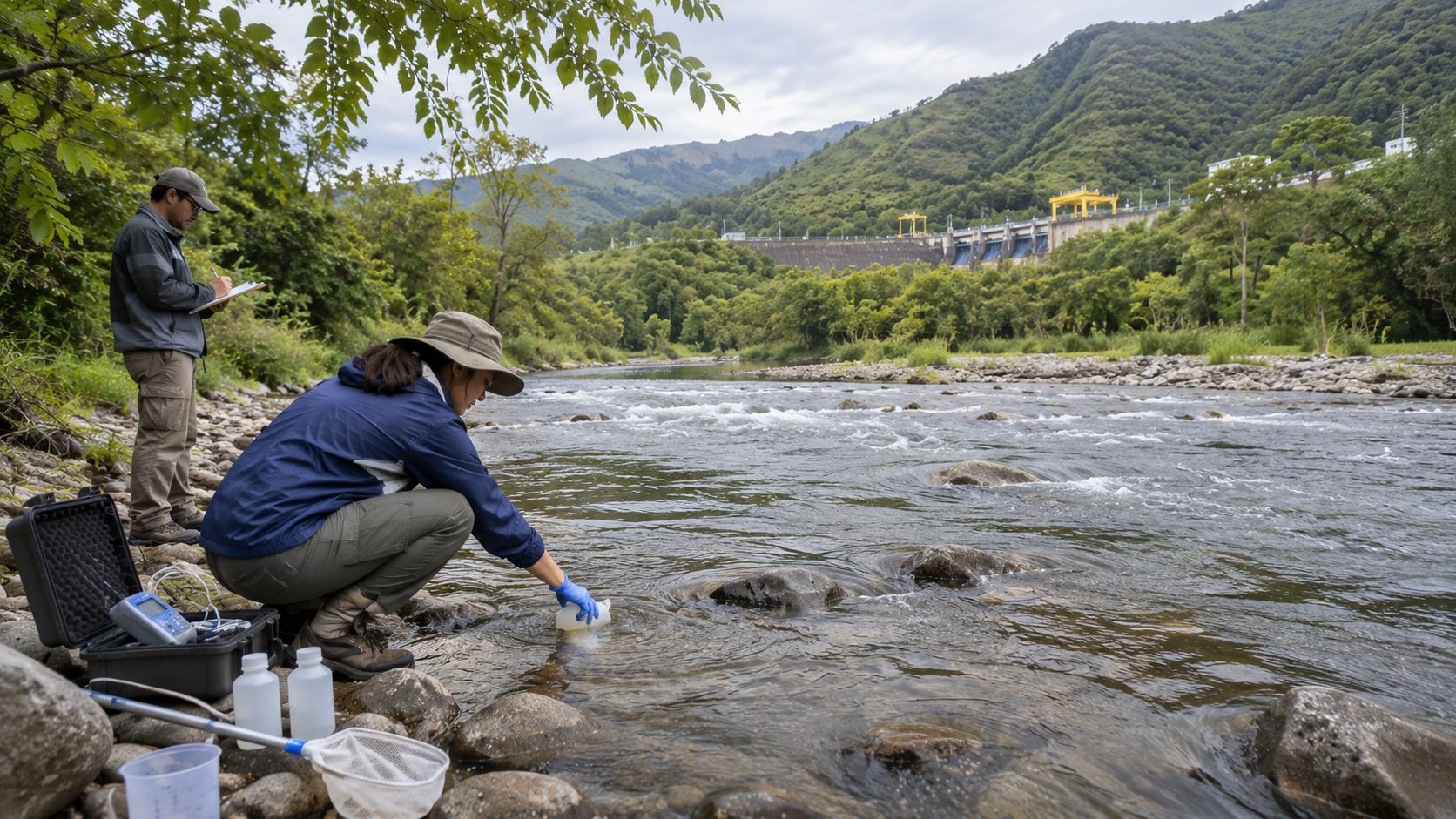
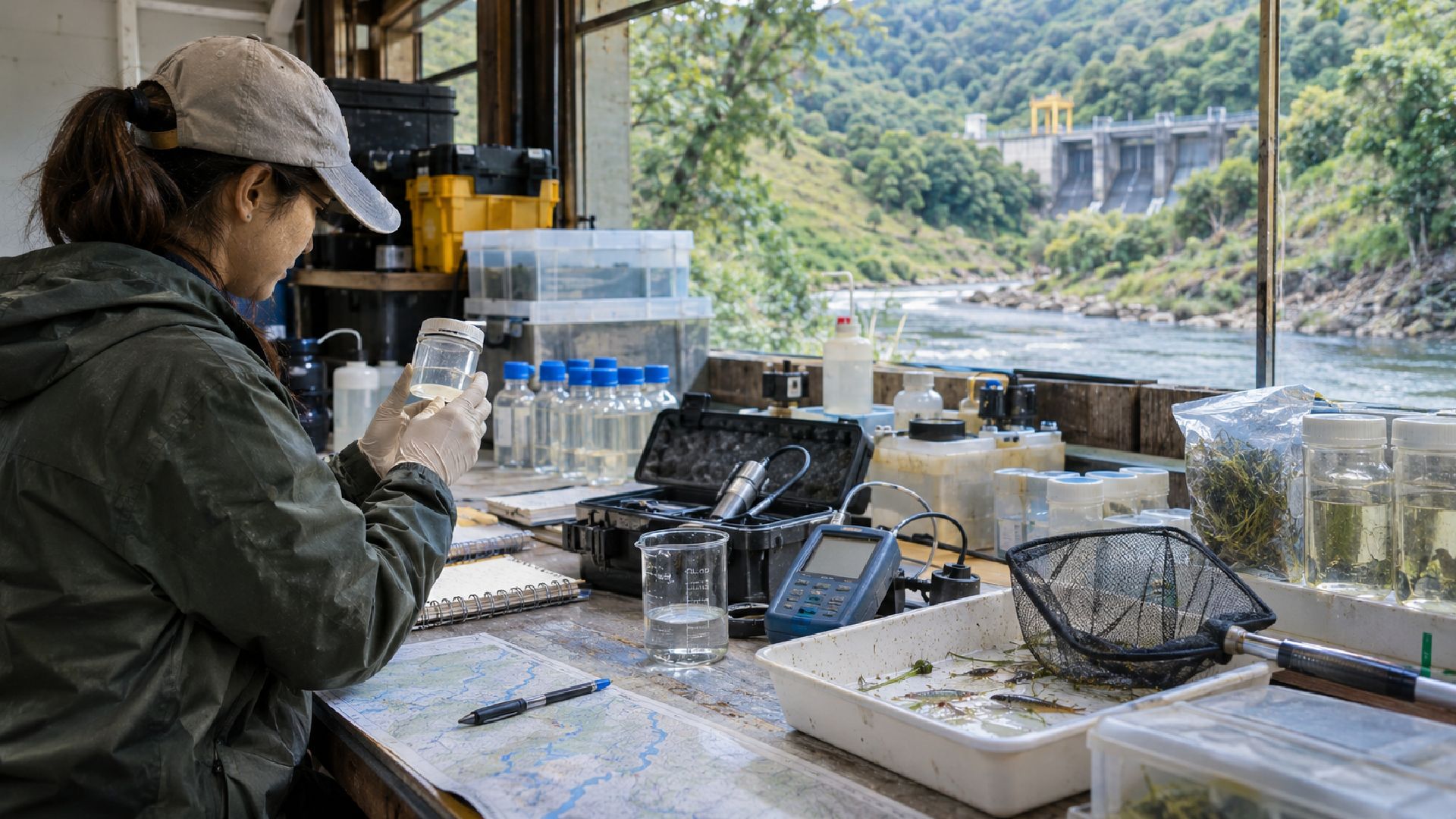
Repeated field campaigns, stable monitoring locations and comparable analytical methods allowed the programme to track river conditions across seasons and years. Physicochemical measurements were assessed alongside multiple aquatic communities, while ecological indicators and multivariate analysis provided a structured way to compare results over time. This combined view supported interpretation of environmental change without relying on a single parameter or isolated sampling event.
A multi-year programme had to keep field methods comparable while accounting for natural seasonal variation, multiple biological communities and ecological data that do not fit simple statistical assumptions.
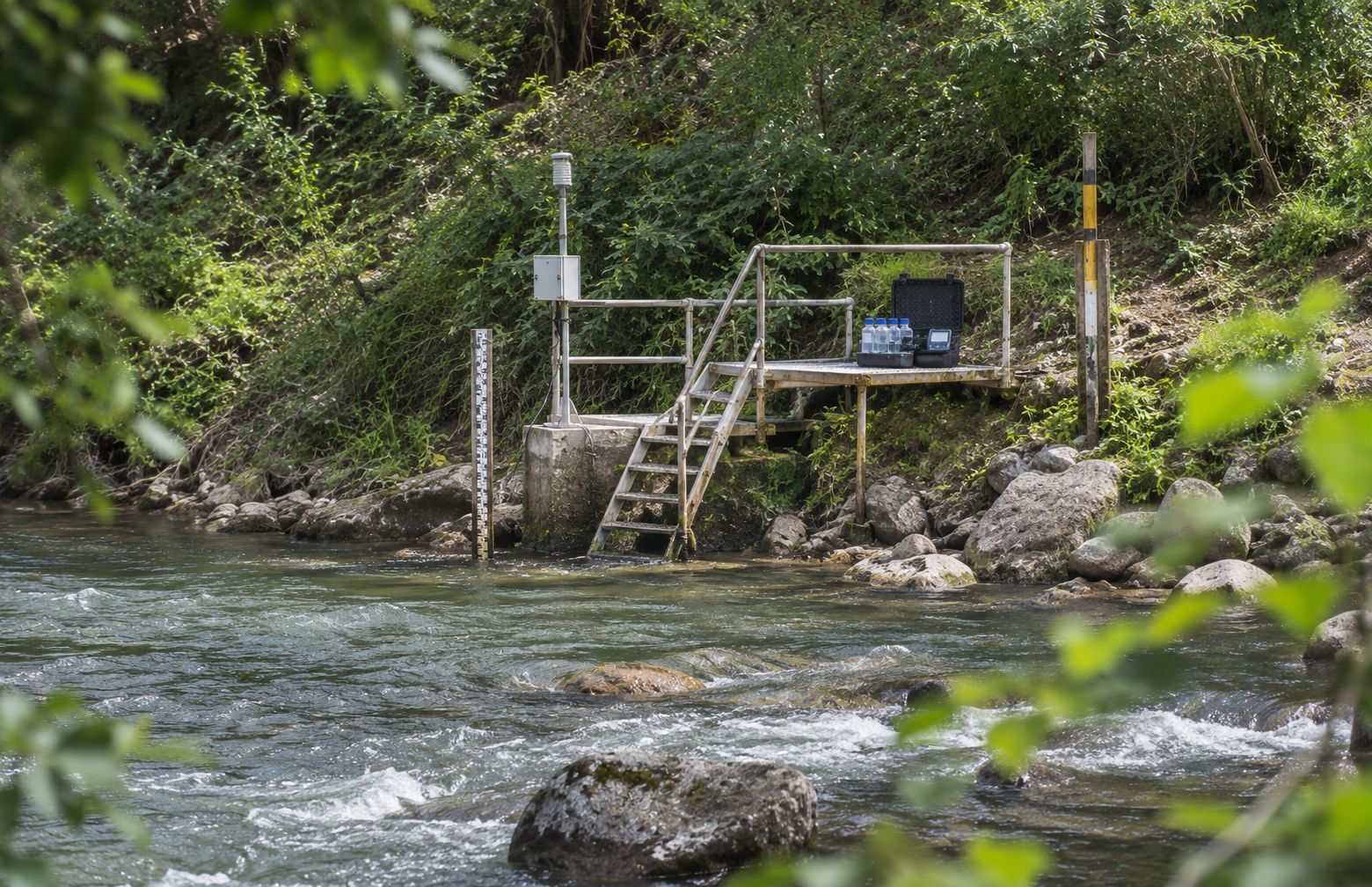
Repeated campaigns needed stable station locations and comparable methods so changes could be interpreted against a consistent baseline rather than shifts in sampling design.
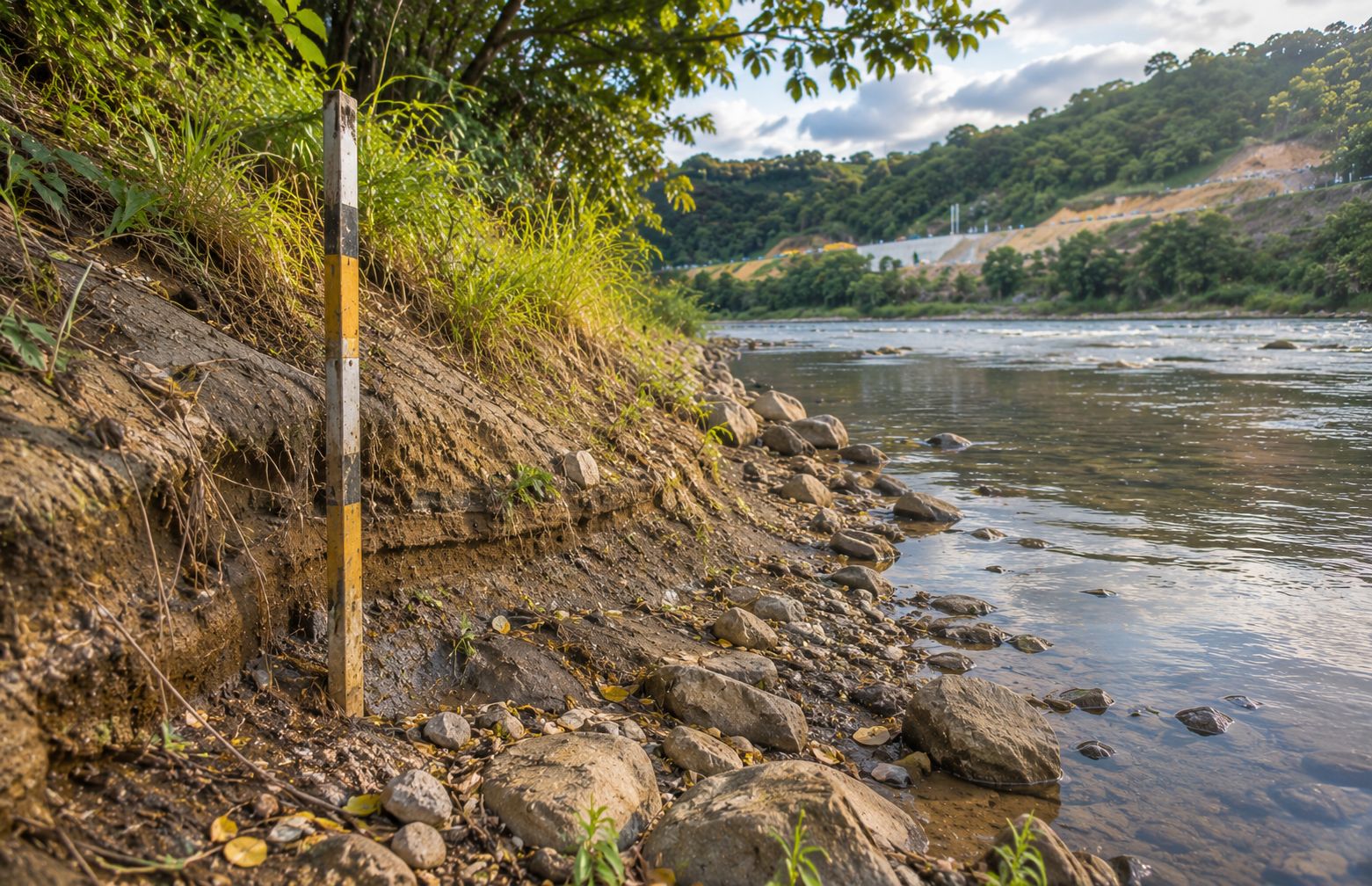
River conditions naturally vary by season. The analysis therefore needed to distinguish expected variability from patterns that could be associated with construction activity.
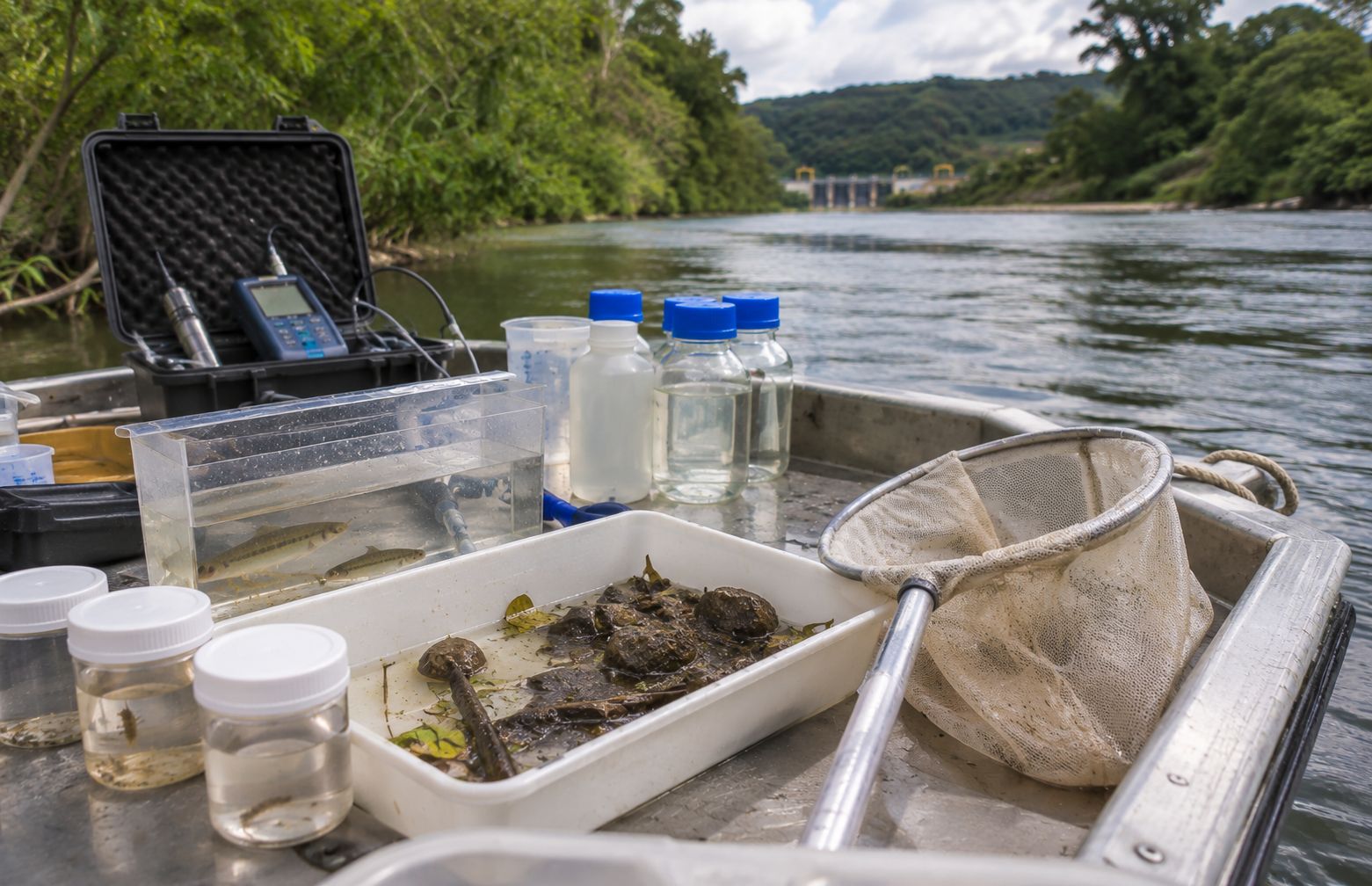
Physicochemical measurements alone could not describe the full environmental condition. The programme also needed to assess phytobenthos, phytoplankton, zoobenthos, zooplankton and fish alongside biodiversity indicators.

Richness, abundance and diversity data across repeated campaigns required statistical techniques suitable for non-parametric, multivariate ecological datasets.
NTT DATA structured quarterly monitoring across 19 stations, combining water sampling, laboratory analysis and aquatic-biota surveys. The programme used richness, total abundance and Shannon diversity as ecological indicators and applied non-parametric multivariate analysis to compare seasonal campaigns, creating a consistent record for environmental follow-up and interpretation over time.

NTT DATA maintained quarterly field campaigns across 19 monitoring stations over four years, creating repeated observations from a stable monitoring footprint.
Water samples were collected through repeated campaigns and analysed in the laboratory against the applicable national water-quality standard, supporting comparable physicochemical assessment.
The programme assessed phytobenthos, phytoplankton, zoobenthos, zooplankton and fish, extending the evidence base beyond water chemistry.
Richness, total abundance and Shannon diversity were evaluated using non-parametric multivariate analysis to compare conditions across seasonal campaigns and support interpretation of change over time.
The source documents four years of quarterly monitoring across 19 stations and a project value of EUR445,000. These figures establish programme duration, monitoring footprint and delivery scale. The documented outcome is a longitudinal record spanning water quality and aquatic biota; the source does not quantify an improvement in environmental performance or attribute specific ecological changes to the programme.
