- All Foundries

- 商品管理と取引

- 顧客とマーケティング戦略

- デジタルエンジニアリング

- ステーション・スタジオ

- サプライチェーン&インダストリー5.0
- サステナビリティ

- Physical AI

- Next-Generation Infrastructure




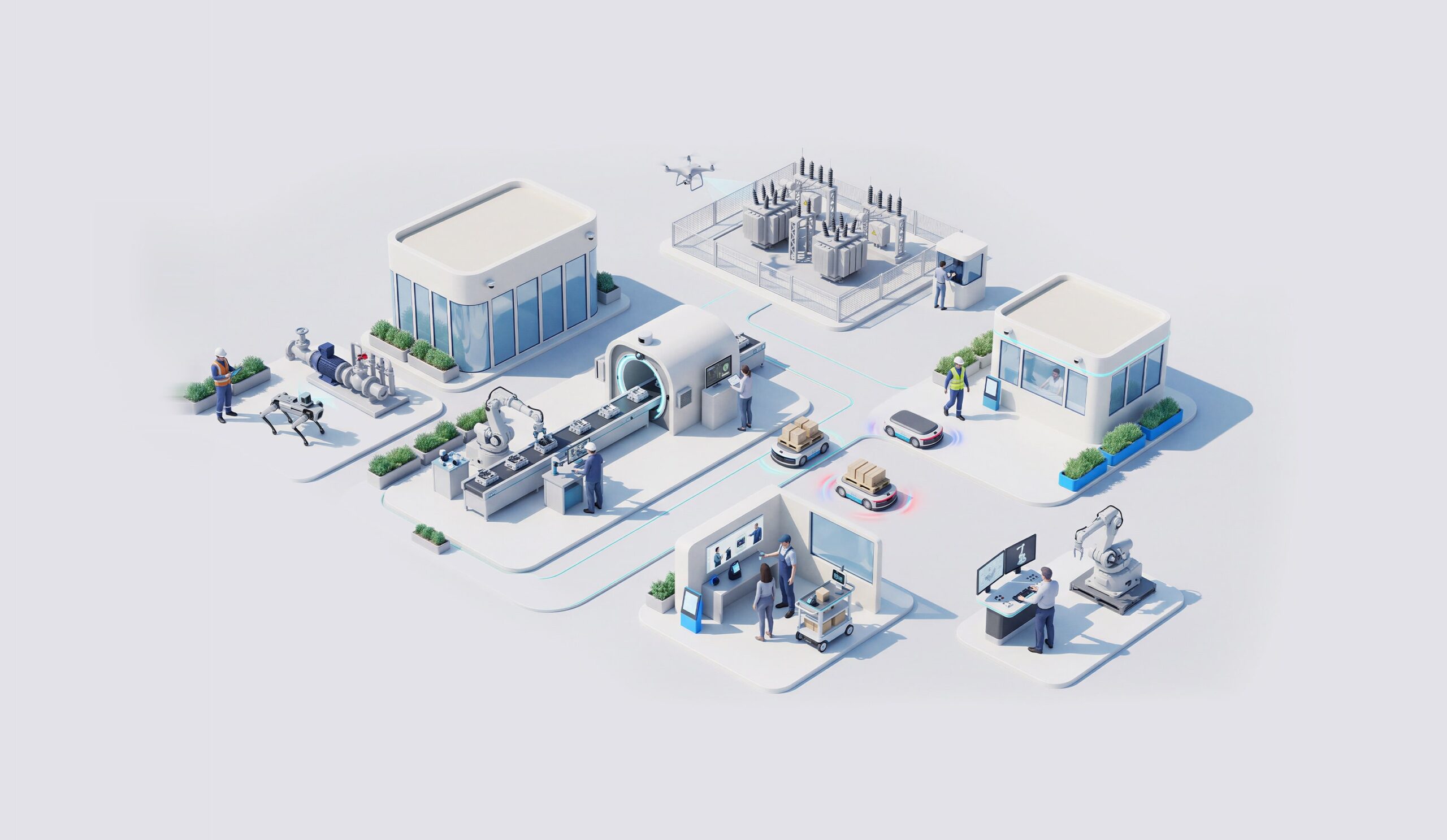
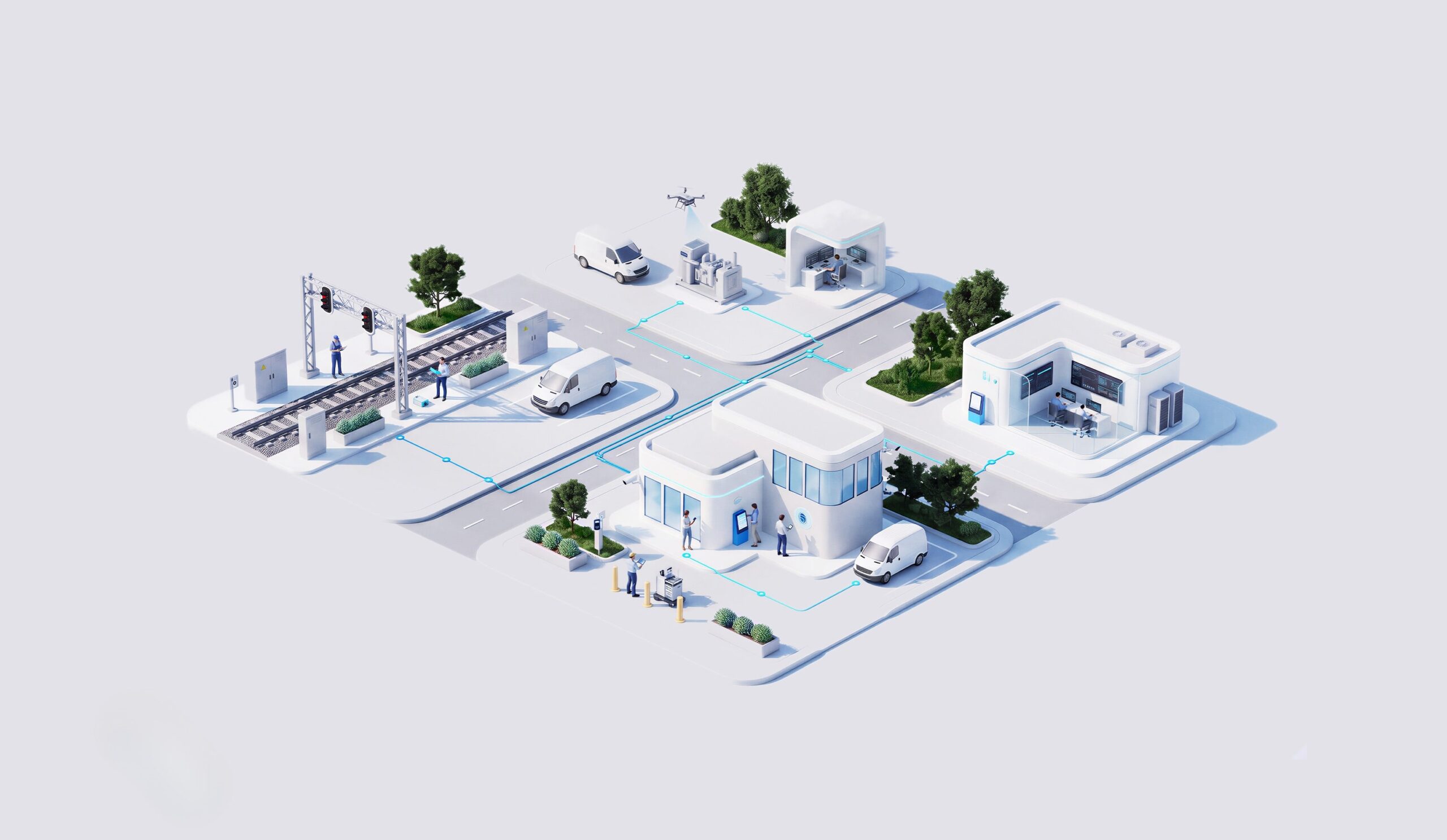


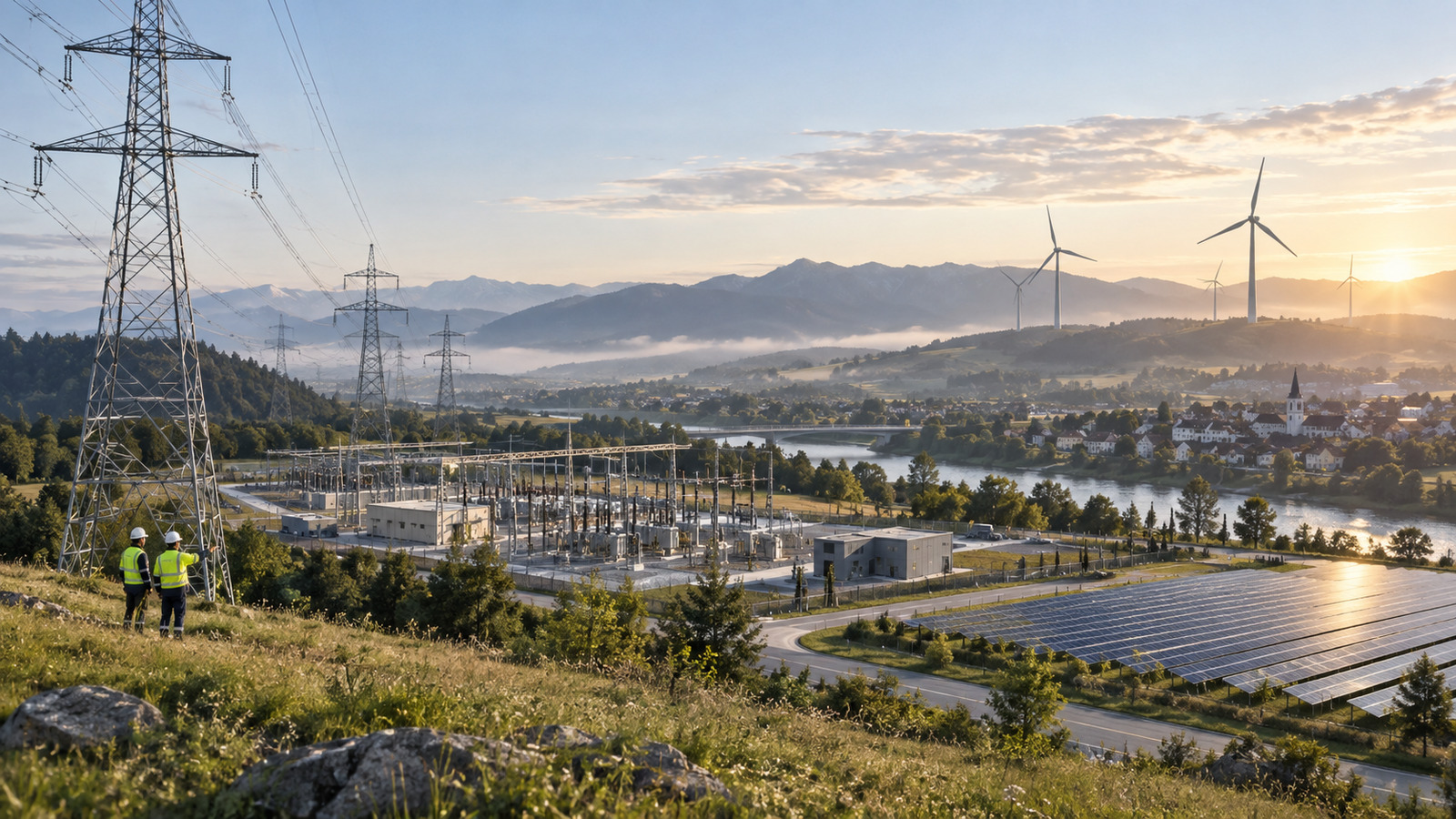
Adaptive Utility Ecosystems
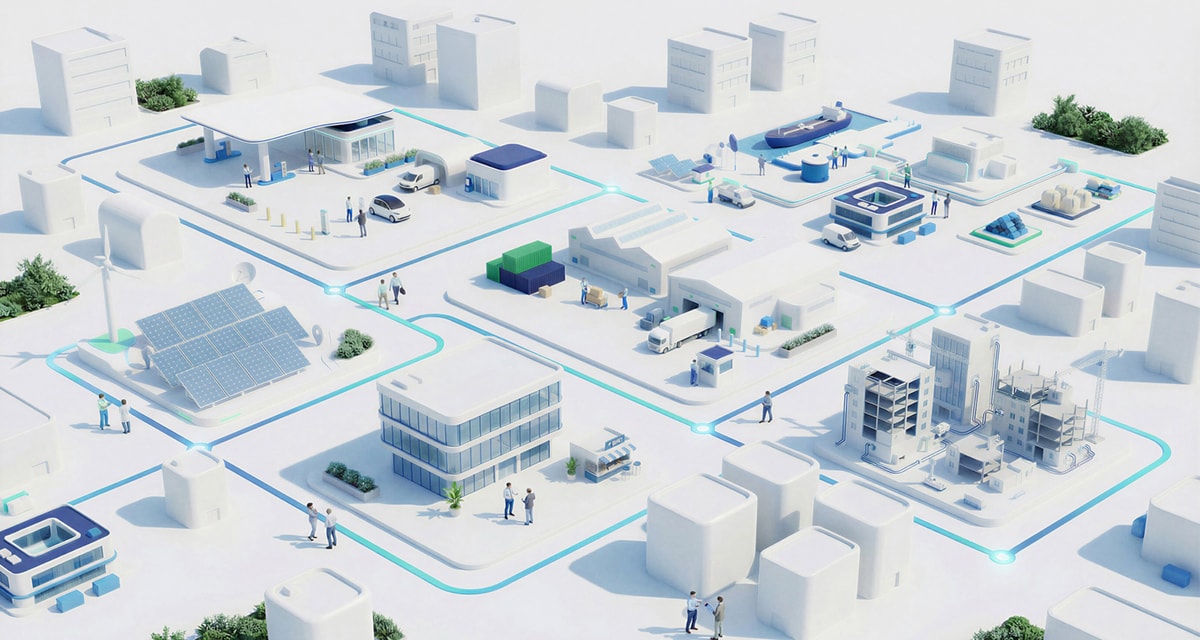
Utilities now coordinate customers, partners, distributed energy resources and digital services across generation and renewables, transmission and distribution, and supply. Traditional point-to-point processes make that complexity harder to scale. The challenge is to connect authorised data, assets, people and workflows in near real time, without weakening cyber resilience, regulatory discipline or human accountability.
Adaptive utility ecosystems create reusable connections between market signals, physical conditions and the decisions that shape service, resilience and growth.

Reusable platforms, APIs and data products can shorten the path from an idea to a connected customer, partner or flexibility service.
Shared patterns for identity, access and event exchange make it easier to connect participants without rebuilding every interaction.
More continuous information flows help customers and partners act with clearer context across digital and operational journeys.
Interoperable capabilities support growing volumes of distributed assets and flexibility interactions across the utility value chain.
NTTデータのサポート体制は?
Prioritises business-led use cases across generation and renewables, transmission and distribution, and supply, then defines a progressive path from reliable connectivity to scalable ecosystem capability.
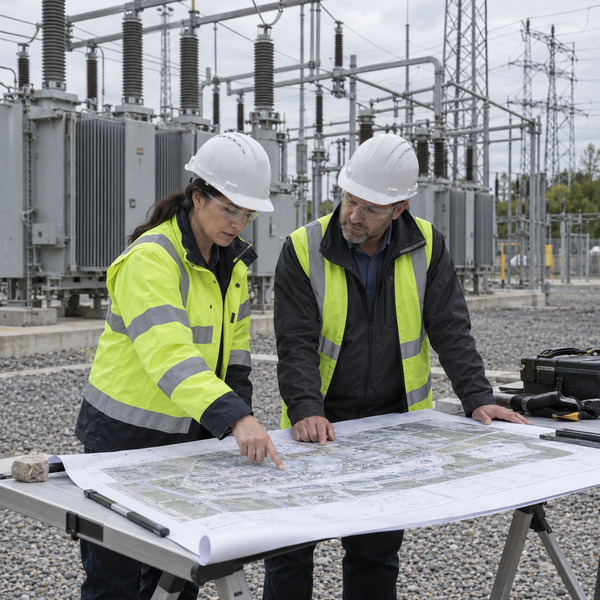
Connects and contextualises operational, asset and enterprise information across the assets, processes and decisions that need it, using authorised sources and clear ownership.

Combines cloud platforms, APIs, identity and access controls, and event streaming to connect ecosystem participants while respecting the demands of critical infrastructure.
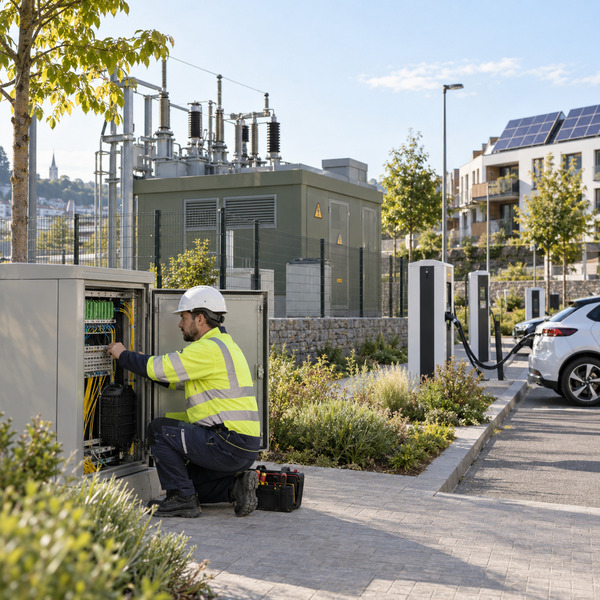
Applies analytics, automation or intelligence at the right architectural point and integrates outputs into existing operational workflows, with validation, fallback and human review where risk requires it.
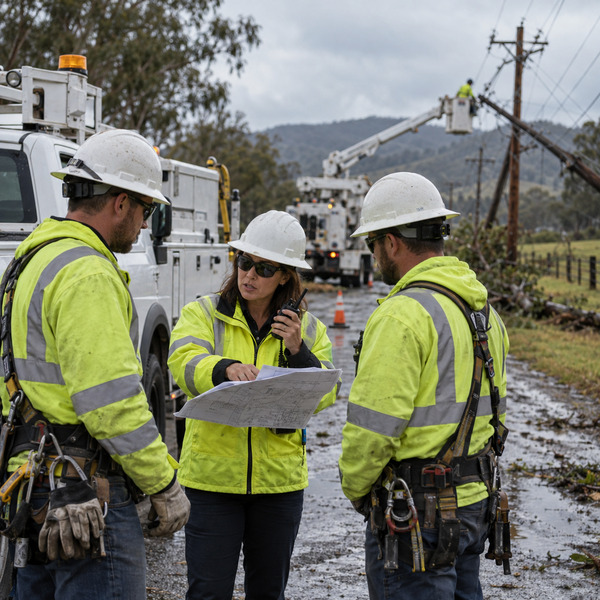
Moves from controlled use cases to reusable capabilities across sites, asset classes and business units, using measurable operational KPIs, permissions and cyber controls to guide each stage.
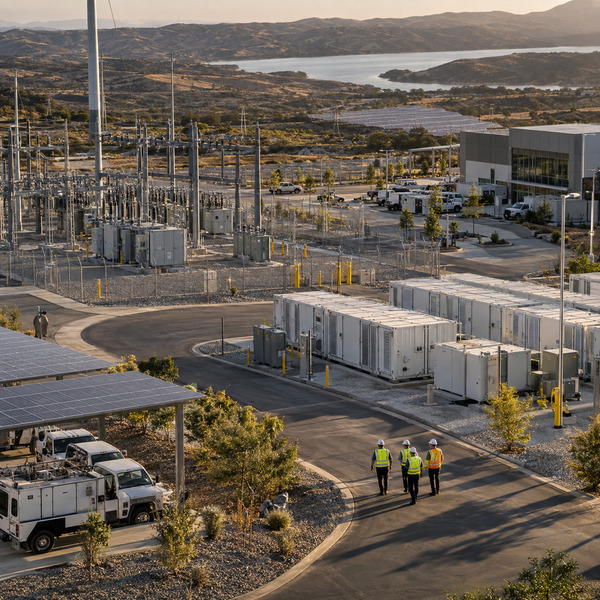

By linking authorised ecosystem data to existing workflows, utilities can create a more continuous connection between physical and market conditions and the decisions that follow. The impact is a clearer path to earlier action, less fragmentation and progressive automation that preserves appropriate human accountability.
The benefits emerge when connected capabilities improve how utilities launch services coordinate participants and respond to a more distributed energy system.
Reusable connections and data products create a more direct route from a defined use case to an operational service.
Common interfaces and access patterns reduce the need to solve every customer, partner or asset connection from scratch.
Customers and partners receive services shaped by more current operational and market context.
A modular foundation allows distributed-energy participation to grow across assets, sites and business units without locking critical operations into one technology path.
Explore how an adaptive utility ecosystem can connect the right data, participants and workflows around the decisions that matter, then scale the capabilities that create real operational and customer value.