- All Foundries

- 商品管理と取引

- 顧客とマーケティング戦略

- デジタルエンジニアリング

- ステーション・スタジオ

- サプライチェーン&インダストリー5.0
- サステナビリティ

- Physical AI

- Next-Generation Infrastructure



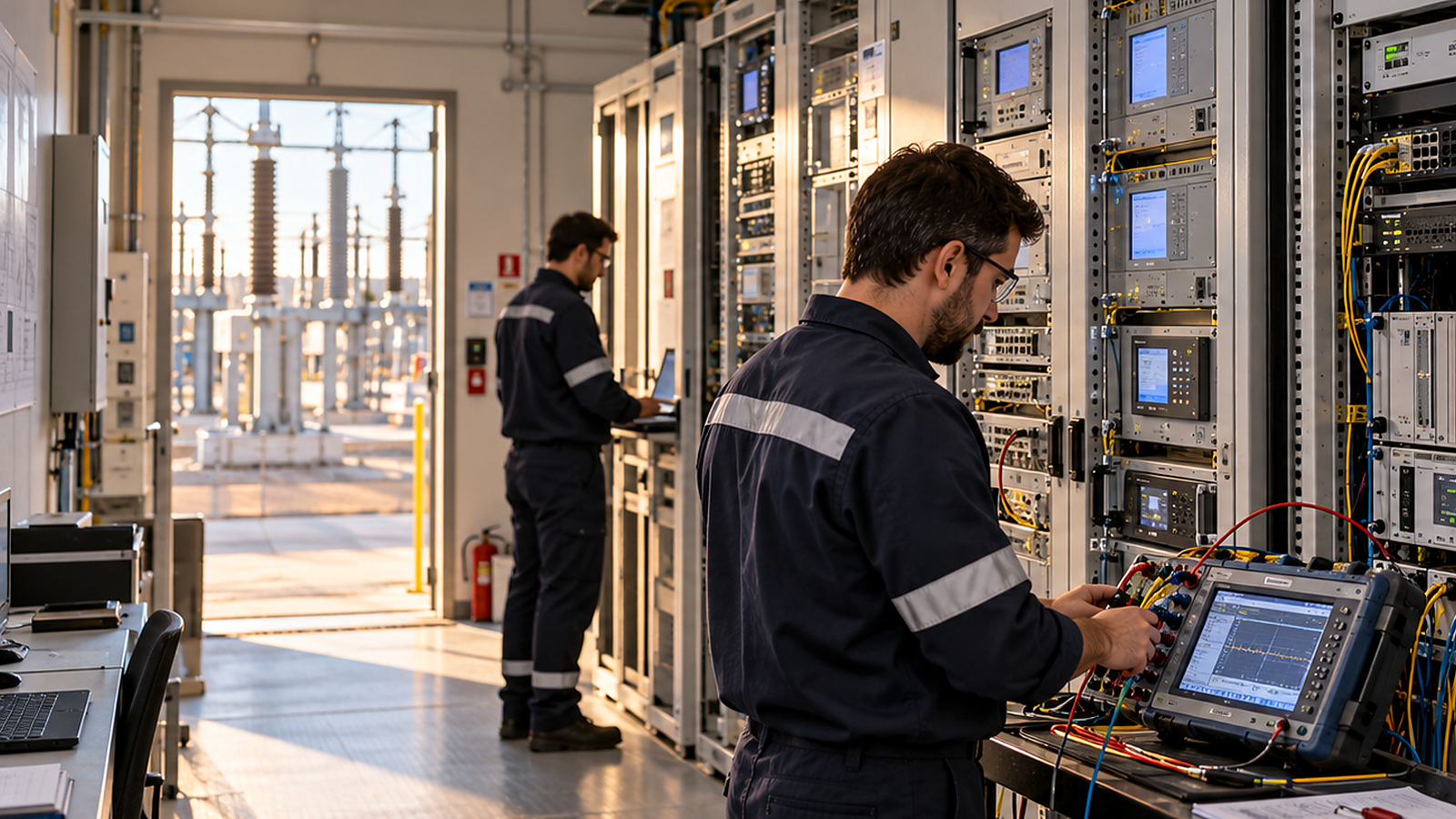
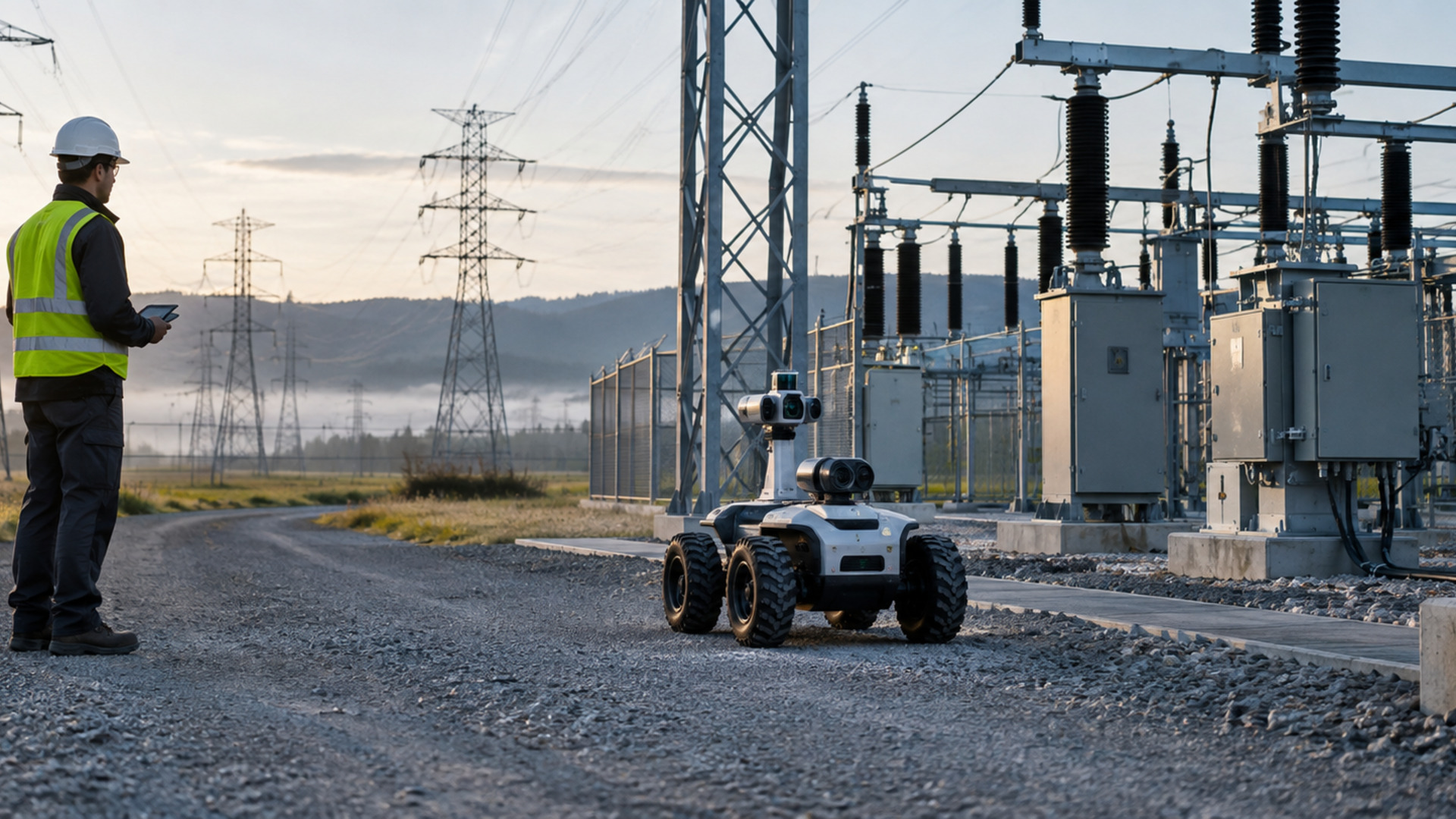
Autonomous field workforce & robotics
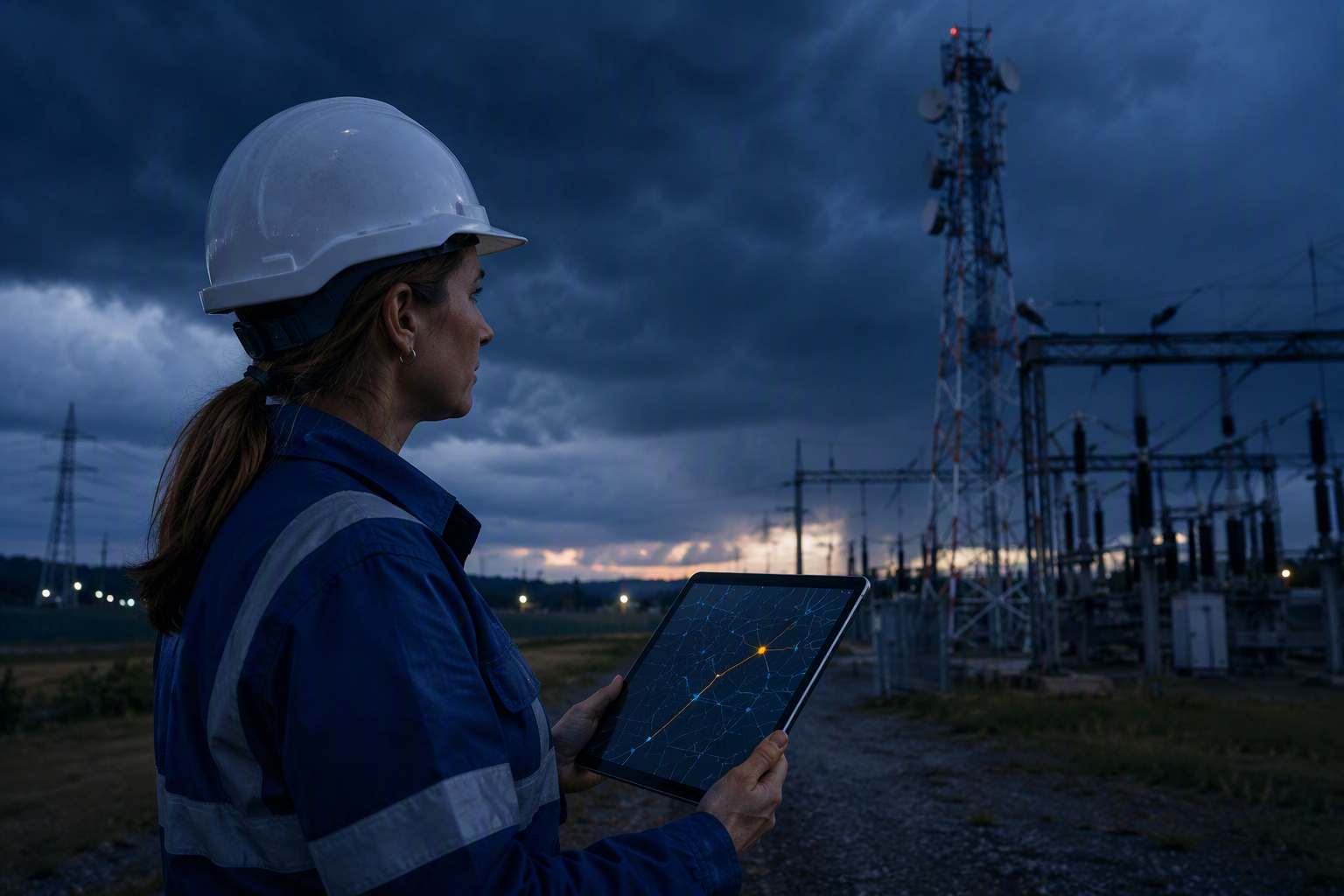
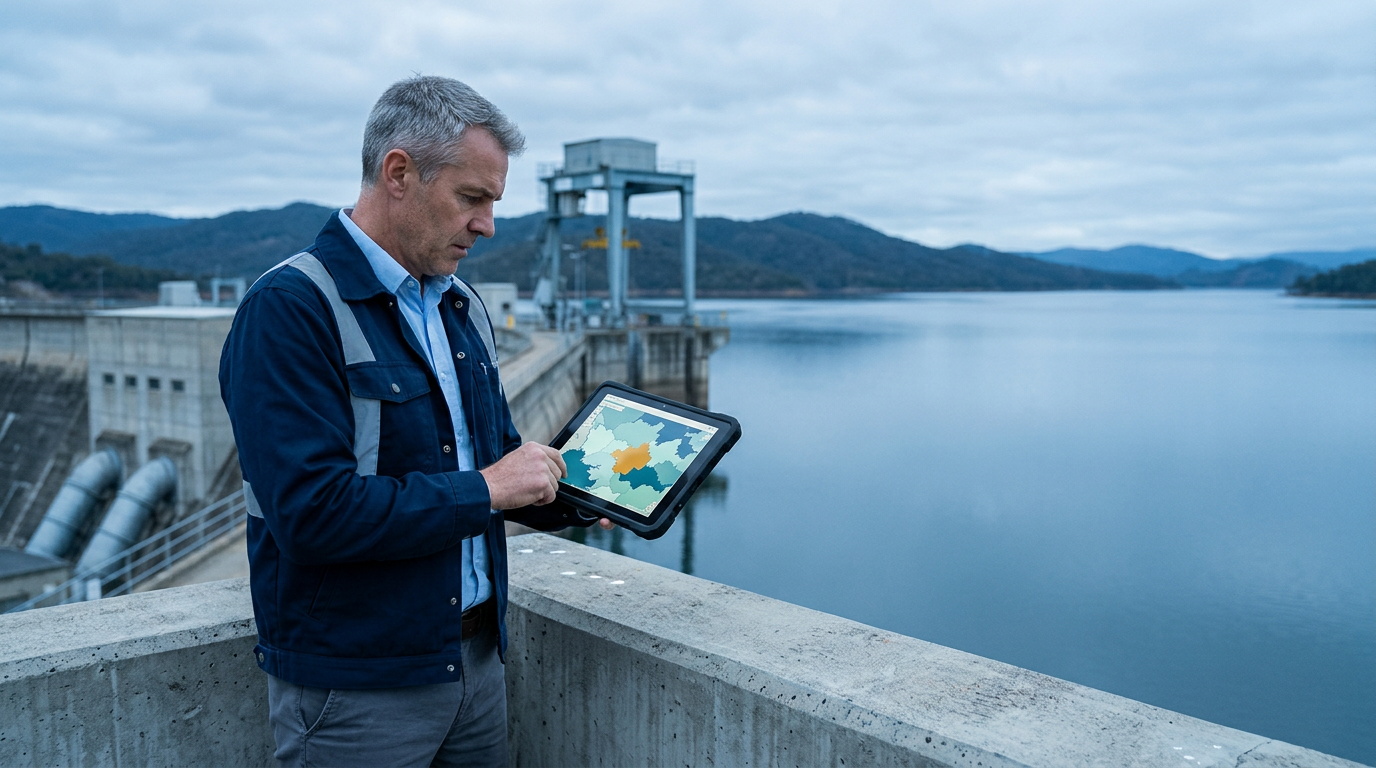
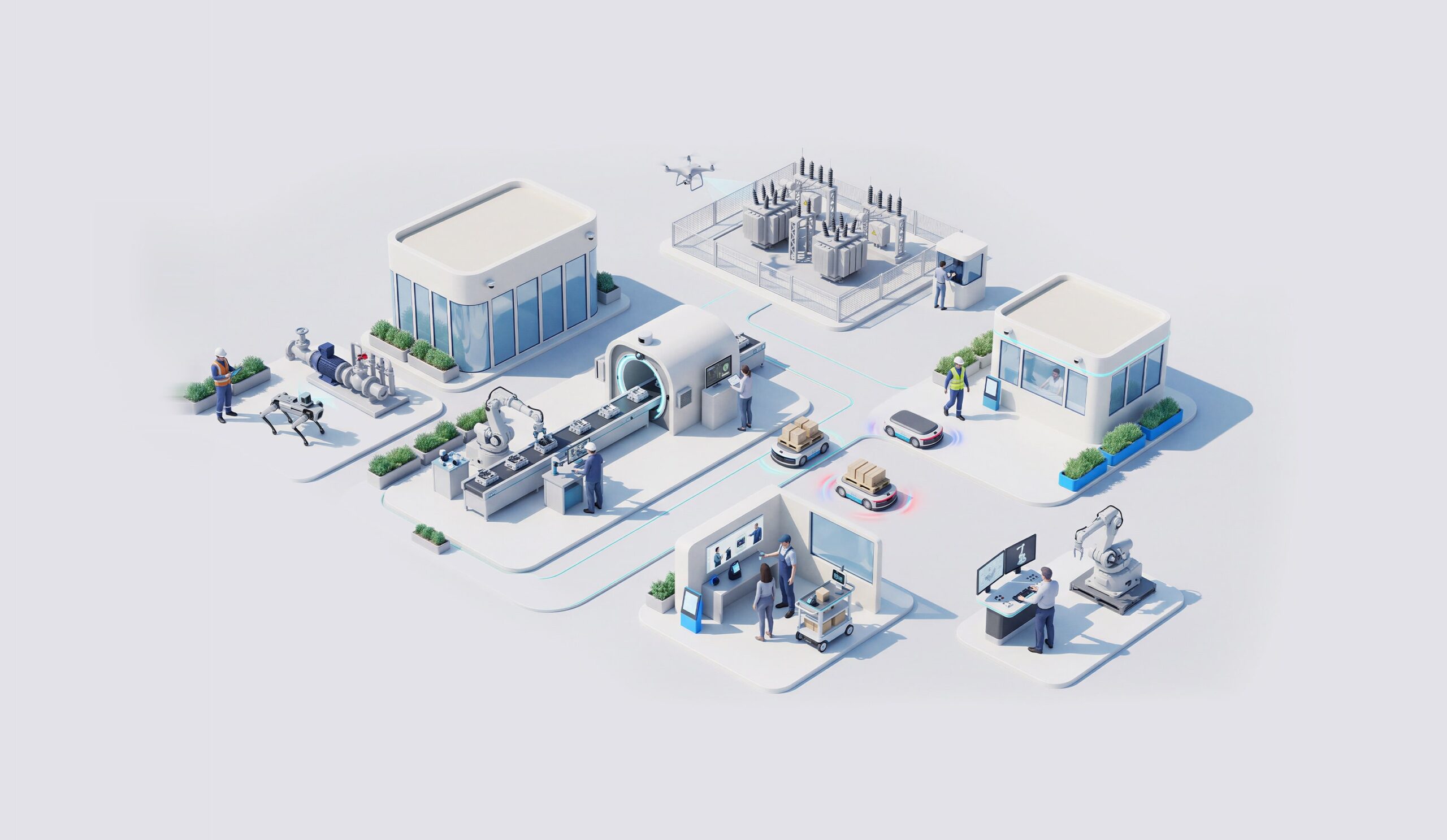
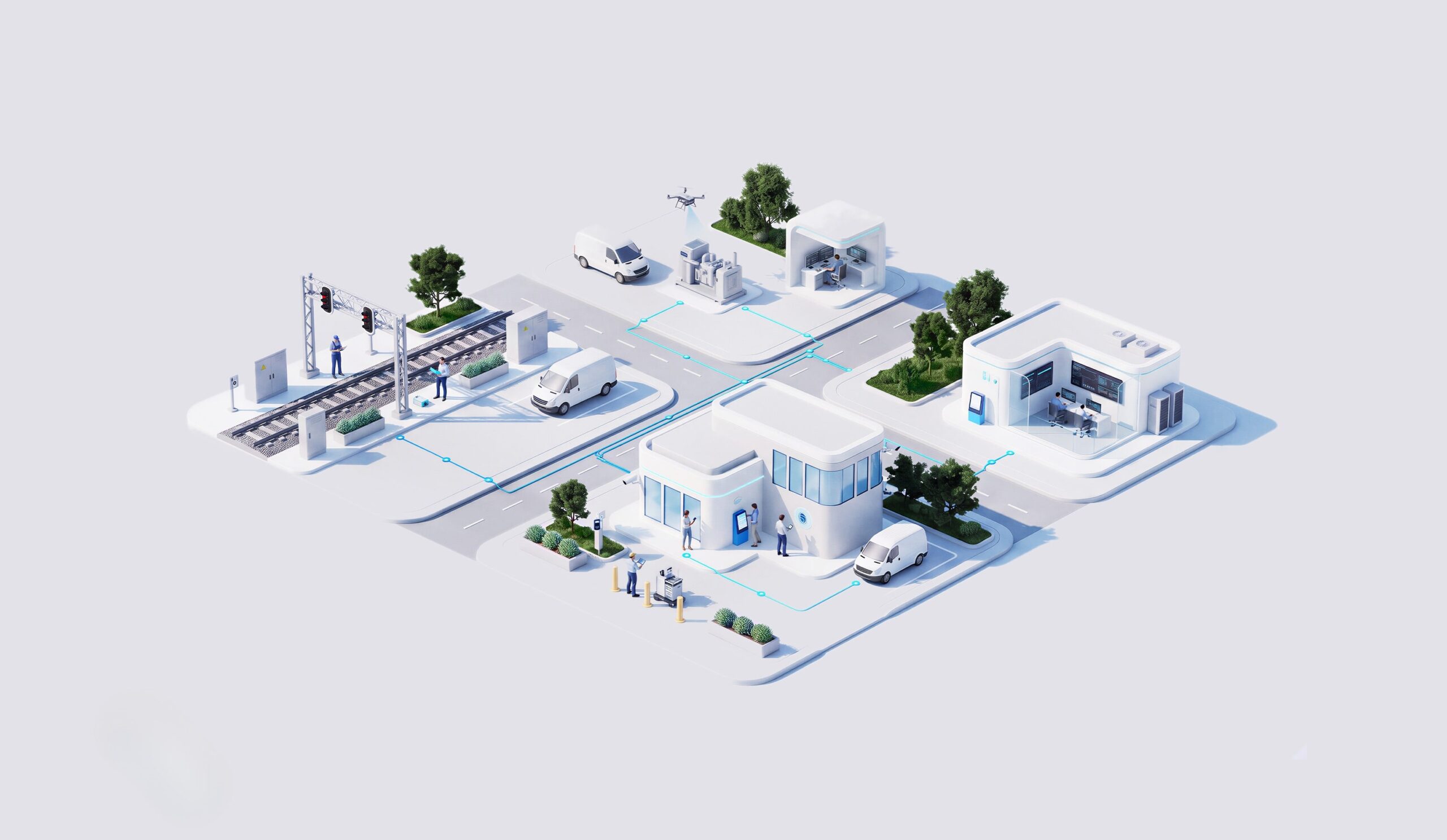
Autonomous field workforce and robotics create a practical path to place perception, analytics and action closer to the asset. The challenge is not to automate for its own sake, but to improve how utilities detect risk, understand context and respond with the right level of human accountability.
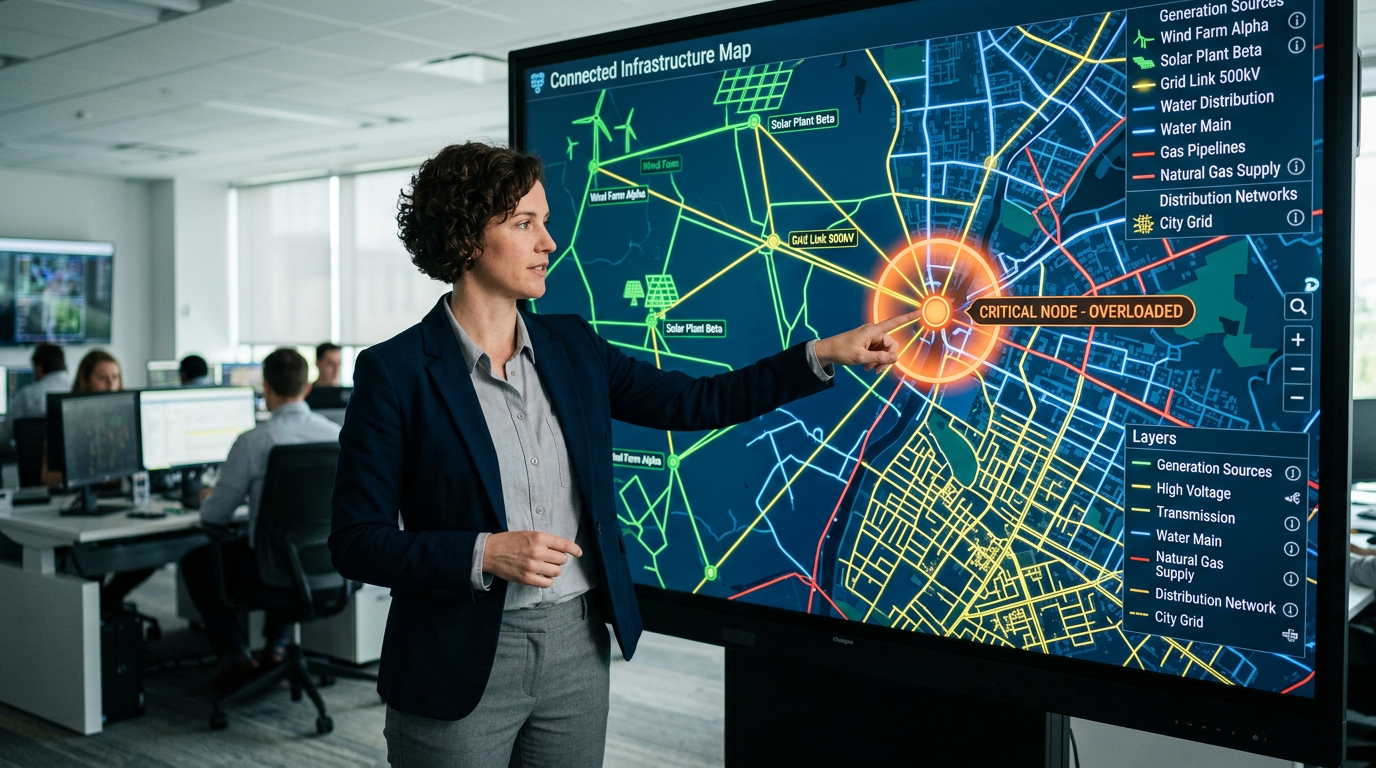
By connecting robotics, IoT, computer vision and edge intelligence with utility workflows, organizations can move from fragmented field visibility to more continuous operational awareness.

Support more continuous monitoring of critical assets and communications, helping teams identify issues before they escalate.
Bring intelligence closer to substations, networks and remote assets so operational signals can move faster into action.
Use autonomous inspection and contextual data to reduce blind spots across grids, plants and hard-to-reach environments.
Scale from controlled use cases with clear permissions, validation, fallback mechanisms and cyber controls for critical infrastructure.
NTTデータのサポート体制は?
NTT DATA helps connect relevant operational, asset and enterprise information sources so autonomous field capabilities work from trusted context, not isolated observations.
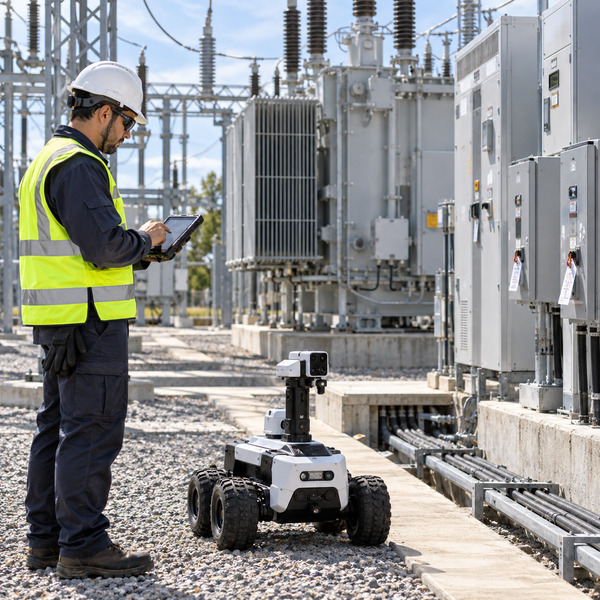
We apply analytics, automation and intelligence at the right point in the architecture, balancing speed, bandwidth, safety and operational risk.
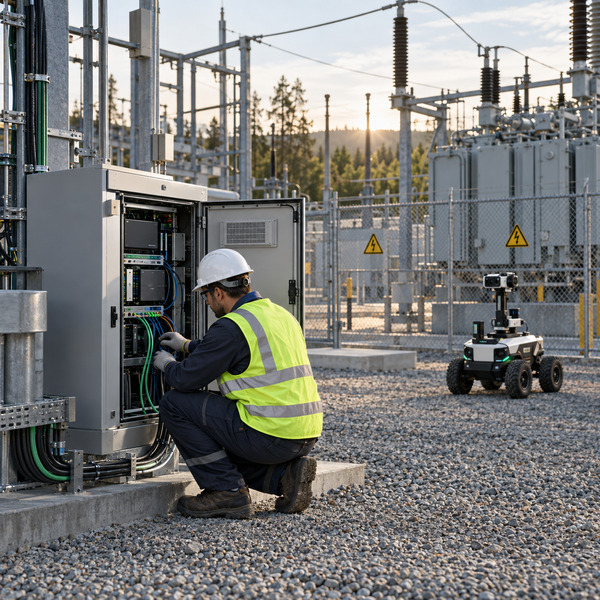
Outputs are integrated into existing operational workflows across field, enterprise and OT systems, so insights become decisions, alerts or interventions that teams can actually use.
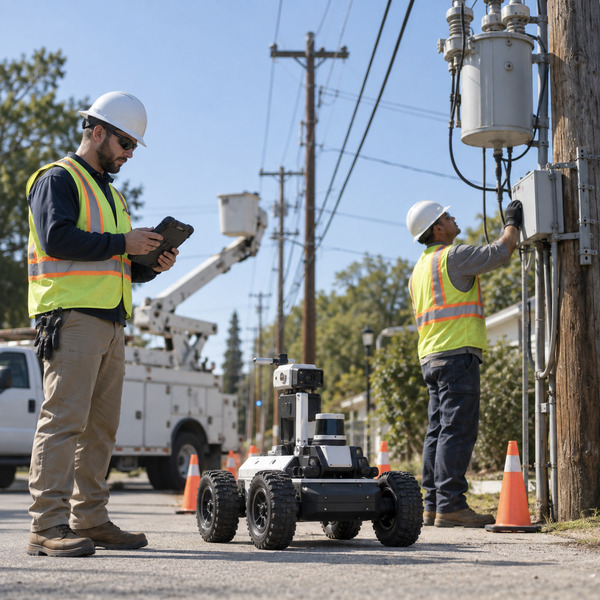
Permissions, cyber controls, validation rules and fallback mechanisms are defined from the start, keeping human oversight where safety, regulation or operational exposure requires it.
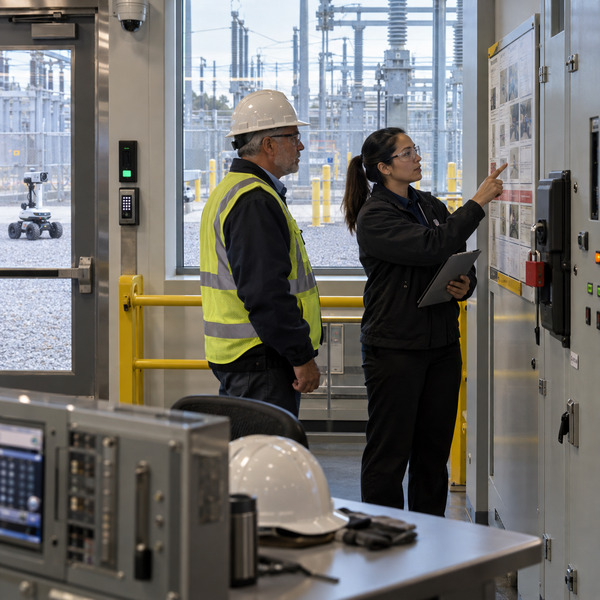
NTT DATA supports a controlled path from pilot to scale, using operational KPIs to guide expansion across sites, asset classes and business units.
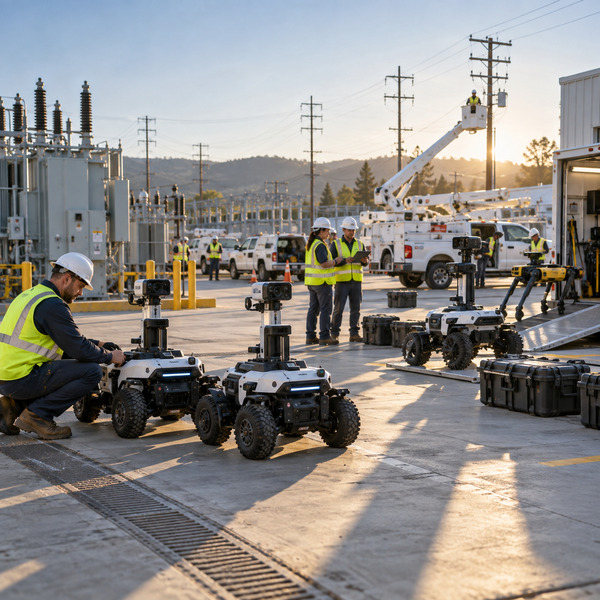
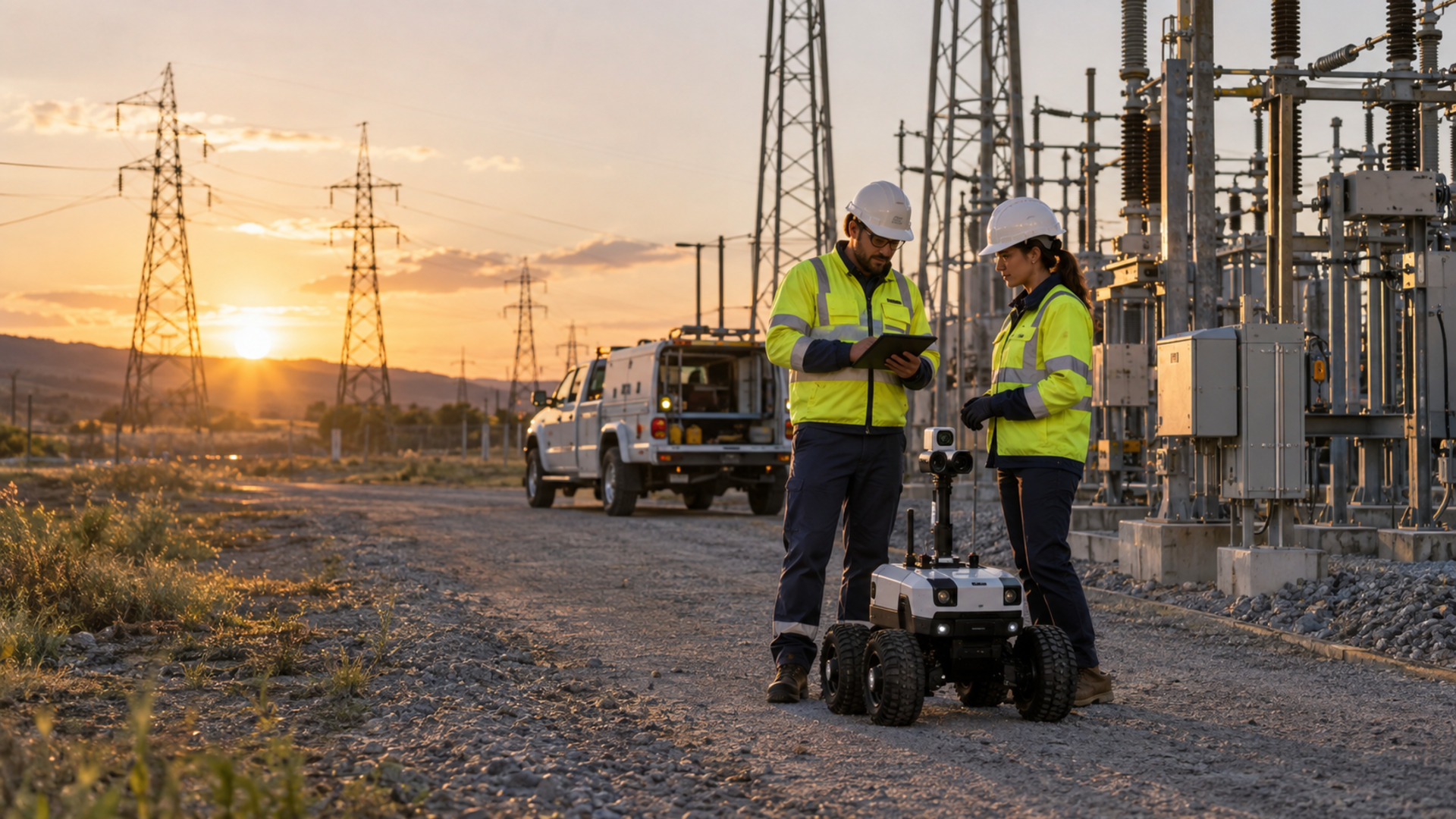
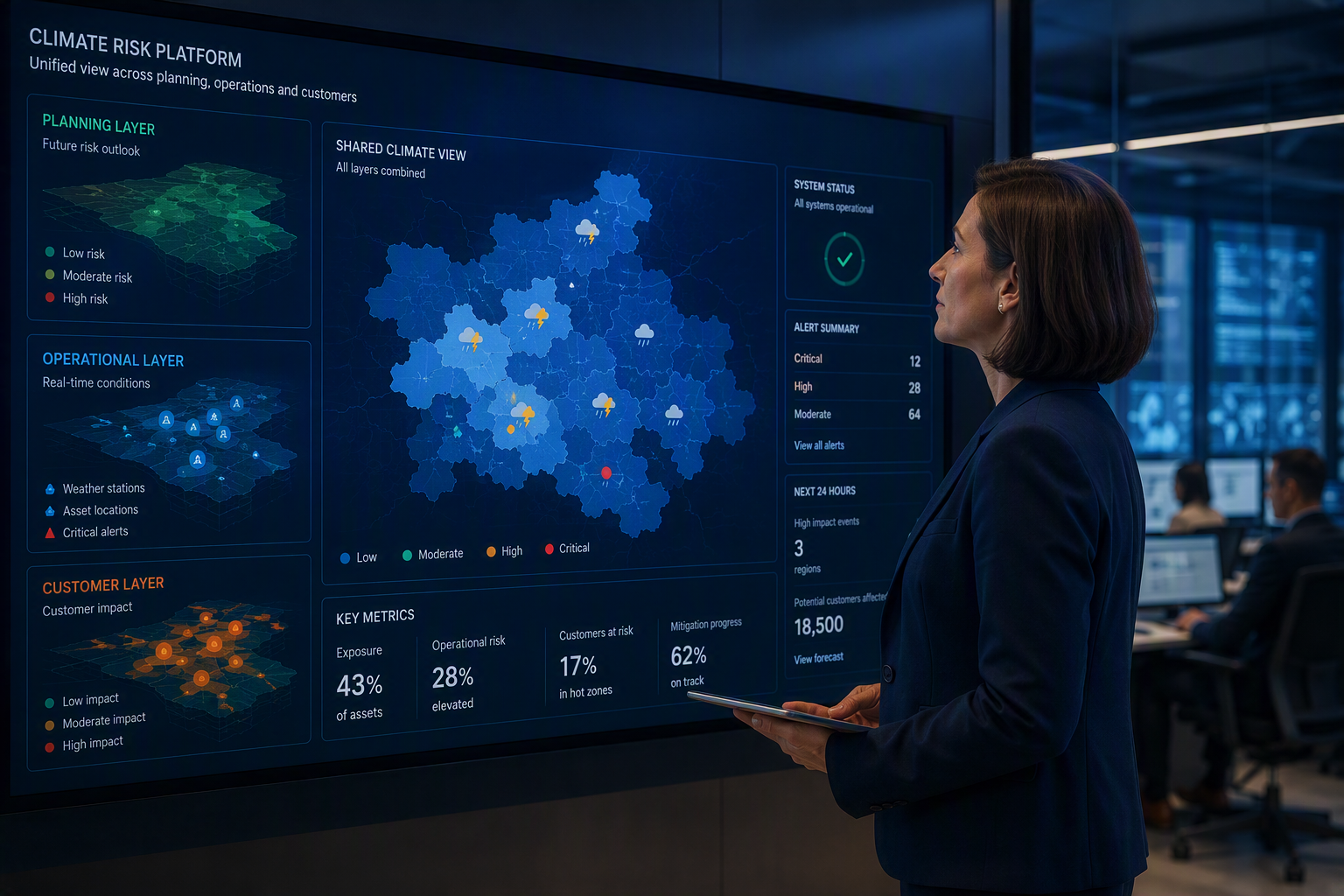
The value lies in reducing the distance between physical conditions and operational decisions. With the right architecture, autonomous field capabilities can help utilities reduce manual data movement, improve time to operational insight and create reusable capabilities across distributed infrastructure.
These objectives connect autonomous field capabilities to the operational signals utilities can track from pilot to scale.
Reduce latency for critical operational data by an indicative 20 to 50 percent, helping signals reach the workflows that need them faster.
Improve availability by an indicative 5 to 15 percent through better visibility, faster detection and more resilient operational response.
Reduce manual data movement by an indicative 20 to 40 percent by connecting field signals, asset context and enterprise workflows.
Improve time to insight by an indicative 20 to 40 percent so teams can act earlier, with clearer context and appropriate accountability.
Explore how autonomous workforce and robotics can help your utility operate distributed infrastructure with greater visibility, stronger resilience and a more controlled path to automation.