- All Foundries

- 商品管理と取引

- 顧客とマーケティング戦略

- デジタルエンジニアリング

- ステーション・スタジオ

- サプライチェーン&インダストリー5.0
- サステナビリティ

- Physical AI

- Next-Gen Infrastructure












Autonomous Utility Assets
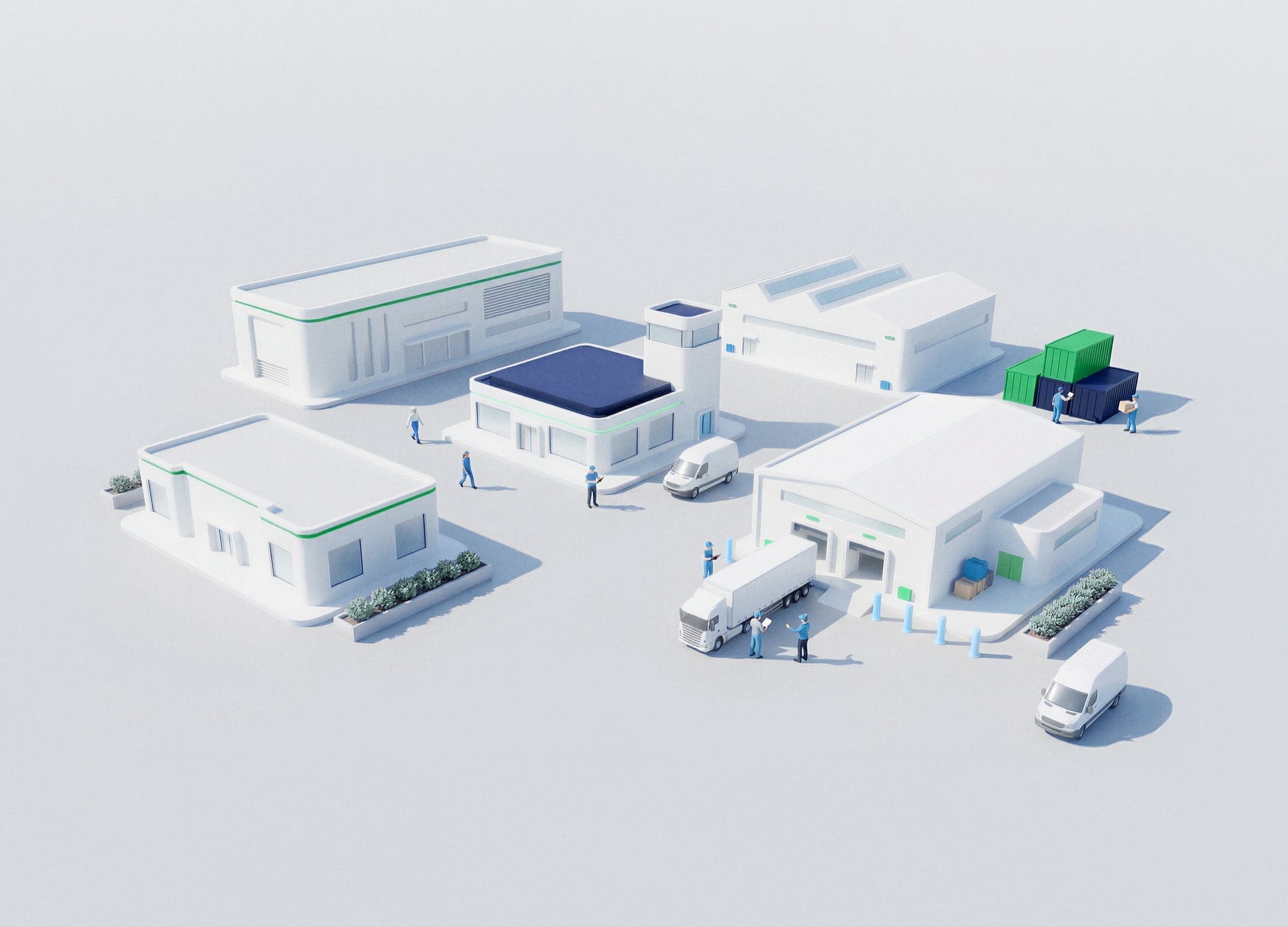
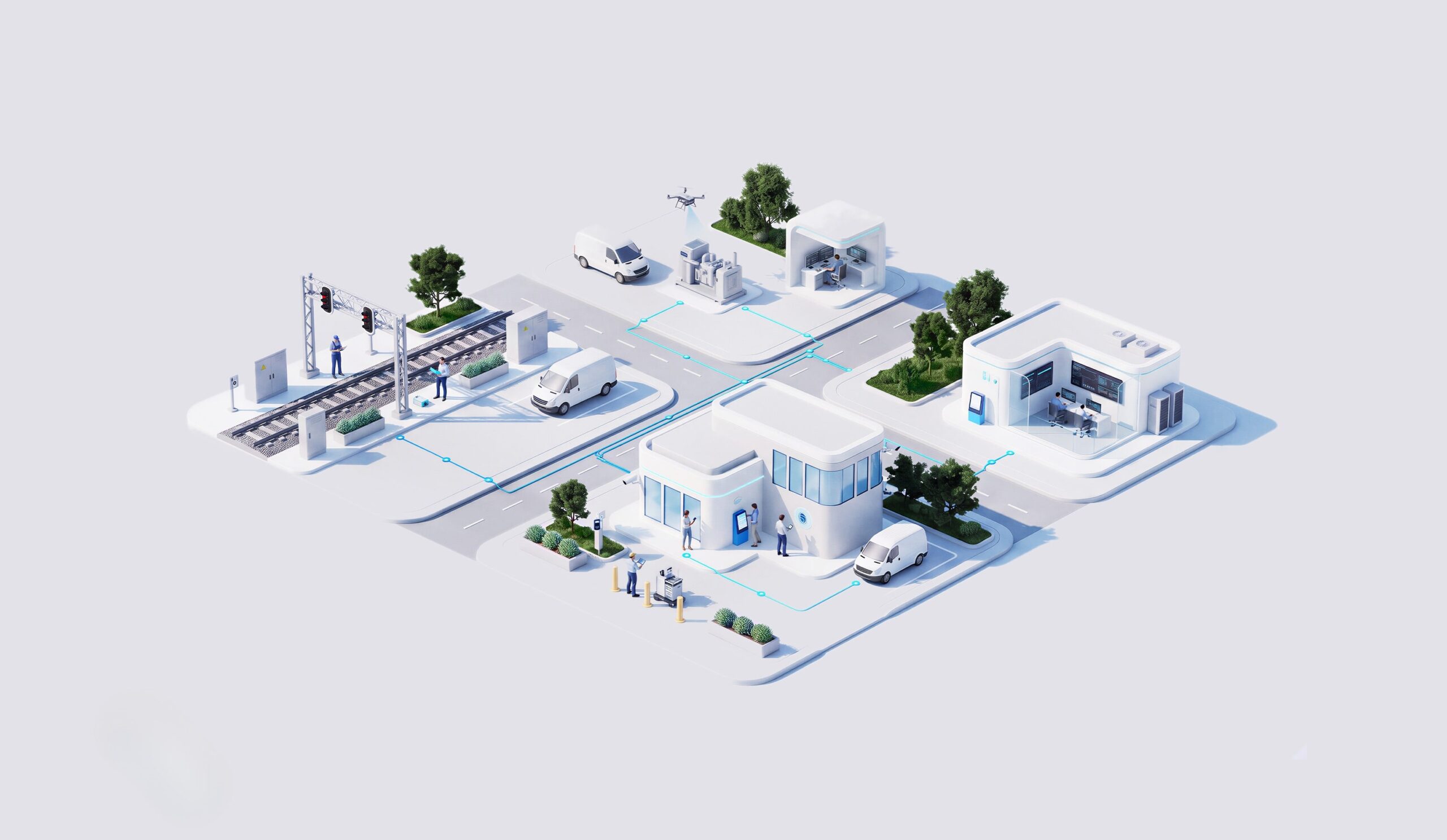
As utilities progress beyond standalone digital initiatives, physical assets, operational data, people and external ecosystems must work together with far tighter coordination. The priority is not simply collecting additional information, but placing intelligence and automation where an operational or commercial decision occurs while preserving human accountability for safety, regulatory and operational risk.
Autonomous utility assets can shorten the path from physical conditions to action while improving how teams manage distributed and critical infrastructure.

Continuous context around asset conditions helps teams identify risk and anomalies sooner, creating more opportunity to respond before issues progress.
Automation can reduce manual inspection and coordination effort, allowing people to concentrate on exceptions and activities that require direct oversight.
Better-informed monitoring and intervention support improved reliability and availability across remote, critical and distributed utility infrastructure.
Contextual information and repeatable workflows help operational teams make more consistent choices when conditions require timely action.
NTTデータのサポート体制は?
NTT DATA connects relevant operational, asset and enterprise information so autonomous capabilities work from authorized, current utility data.

Analytics, automation and contextual intelligence are applied at the point that best fits the operational and technical environment.

Outputs are integrated with existing enterprise and OT processes instead of creating a separate technology layer for operators to manage.

Permissions, cyber controls, validation, fallback mechanisms and human oversight are defined according to the safety and risk profile of each use case.

Controlled deployments are measured against operational KPIs, creating a basis for expansion across sites, asset classes and business units.


Indicative objectives vary with baseline performance, infrastructure characteristics, process maturity and deployment scope, providing practical measures for assessing controlled autonomous utility asset deployments.
20% to 40% reduction in operational cycle time. Shorter operating cycles make it easier to move from detected asset conditions to completed operational action with less elapsed time.
20% to 40% reduction in manual workload. Reducing routine manual effort can free frontline teams to focus on exceptions, critical inspections and decisions that still require human accountability.
15% to 30% reduction in decision and response time. A shorter decision window supports earlier action when asset conditions, anomalies or operational risks require timely response from utility teams.
Significant improvement in operational visibility. Broader visibility helps connect physical conditions, asset information and frontline workflows so teams can act with more complete operational context.
Progress from controlled use cases toward reusable capabilities built around interoperability, cyber resilience, measurable value and accountable automation.