- All Foundries

- 商品管理と取引

- 顧客とマーケティング戦略

- デジタルエンジニアリング

- ステーション・スタジオ

- サプライチェーン&インダストリー5.0
- サステナビリティ

- Physical AI

- Next-Gen Infrastructure










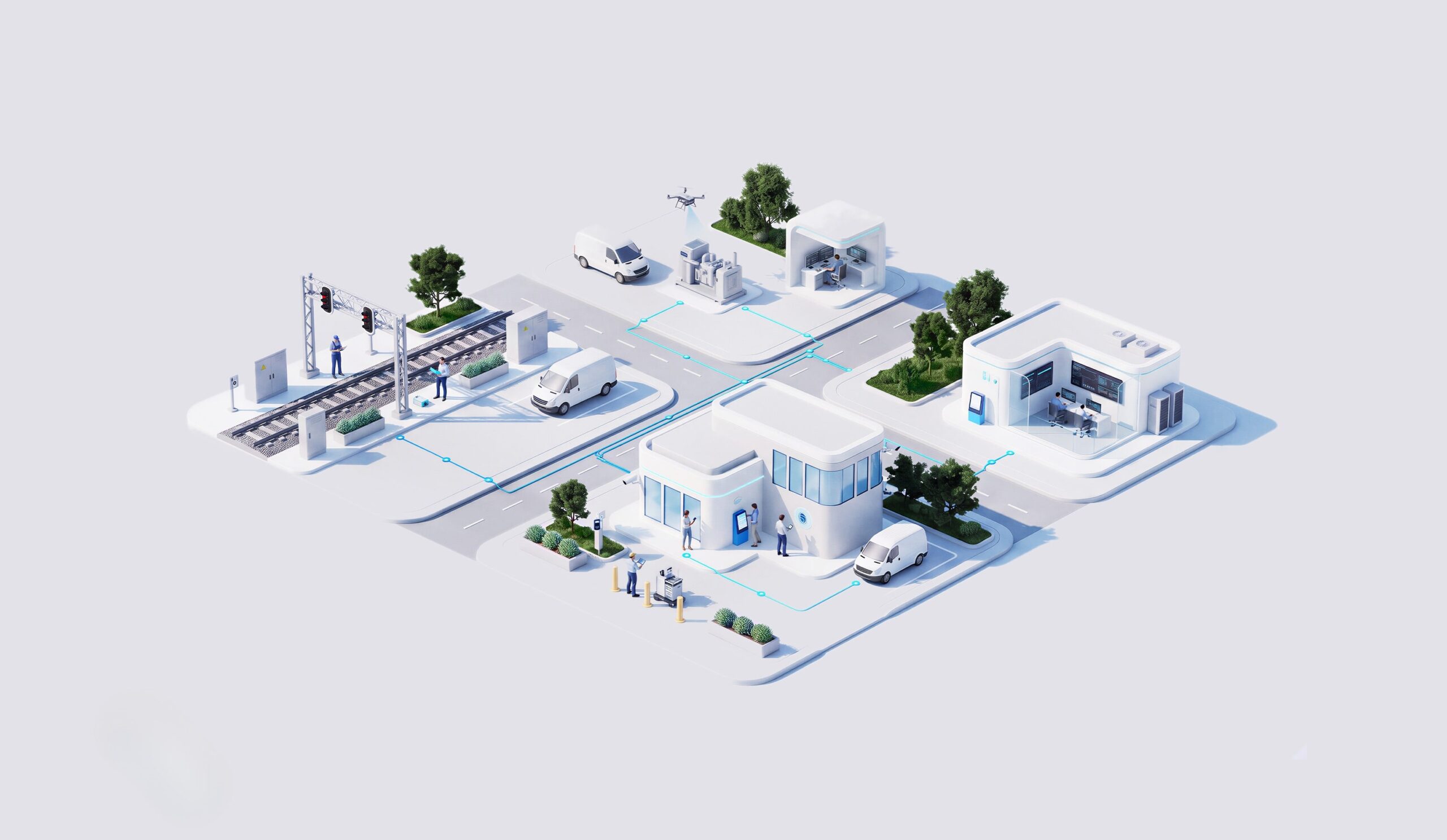



AI-Based Network Capacity & Performance Optimization
The most useful applications focus on explainable recommendations and measurable service outcomes rather than optimizing technical metrics in isolation. As utilities adopt private networks, edge platforms and multi-technology connectivity, this becomes increasingly important across a heterogeneous service estate with thousands of devices, dependencies and performance indicators.

Forecasts hotspots and service-impact risk using historical demand, utilization, alarms and service behavior before degradation becomes an operational incident.
Supports recommendations or automated changes to capacity and configuration based on multi-domain performance data and expected service impact.
Helps reduce the time between emerging network issues and effective action, strengthening service assurance for critical utility processes.
Prioritizes explainable recommendations and measurable service outcomes instead of optimizing isolated technical metrics without clear business relevance.
NTTデータのサポート体制は?
Aggregates trustworthy inventory, telemetry, utilization and performance data across network and compute domains as the basis for optimization.

Applies AI to historical demand, traffic patterns, alarms and service behavior to identify emerging bottlenecks and forecast service-impact risk.

Generates explainable recommendations for capacity or configuration changes and can progressively automate execution where policies and responsibilities are mature.

Relates technical performance to real utility services, helping teams distinguish symptoms from root causes and understand service-level impact.
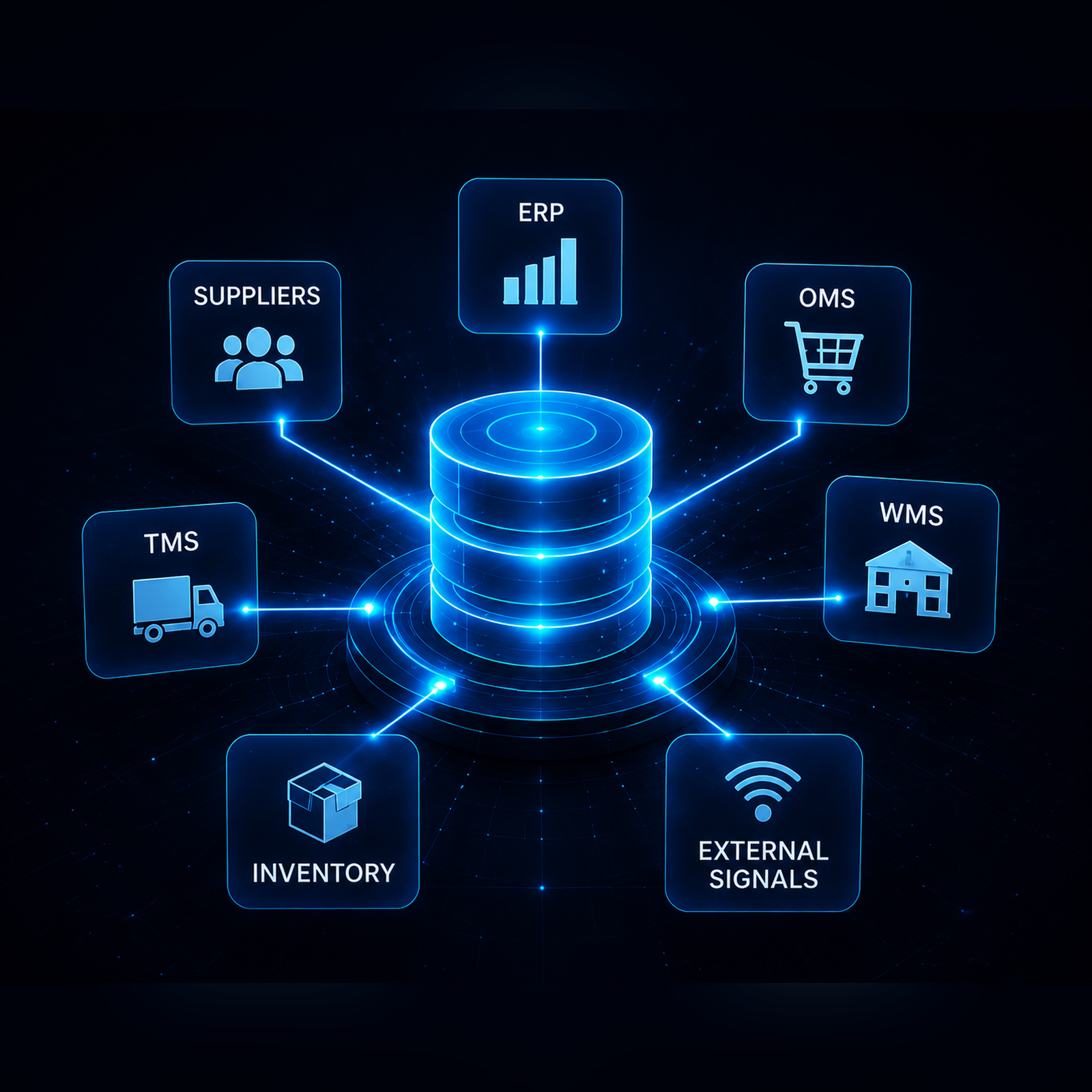
Tracks realized performance and cost outcomes to validate recommendations, refine models and support continuous improvement of network operations.


AI-based capacity and performance optimization helps utilities anticipate bottlenecks, understand service-impact risk and act before degradation becomes an incident. By combining multi-domain data with explainable recommendations, organizations can improve consistency, service assurance and operational efficiency while scaling a heterogeneous communications estate.
Forecasting hotspots and service-impact risk helps reduce avoidable degradation, improve service-level visibility and shorten the time between an emerging network problem and an effective operational response.
Recommendations and controlled automation reduce manual effort and support more consistent capacity and configuration management.
Tracking realized performance and service outcomes provides clearer evidence of network behavior, service levels and recurring capacity weaknesses.
Trustworthy inventory, telemetry, cross-domain observability and mature policies create the basis for closed-loop and more advanced agentic optimization capabilities.
Use AI to forecast bottlenecks, improve service outcomes and support proactive network decisions across utility infrastructure