- All Foundries

- 商品管理と取引

- 顧客とマーケティング戦略

- デジタルエンジニアリング

- ステーション・スタジオ

- サプライチェーン&インダストリー5.0
- サステナビリティ

- Physical AI

- Next-Gen Infrastructure





Distributed Intelligence for Utility Operations
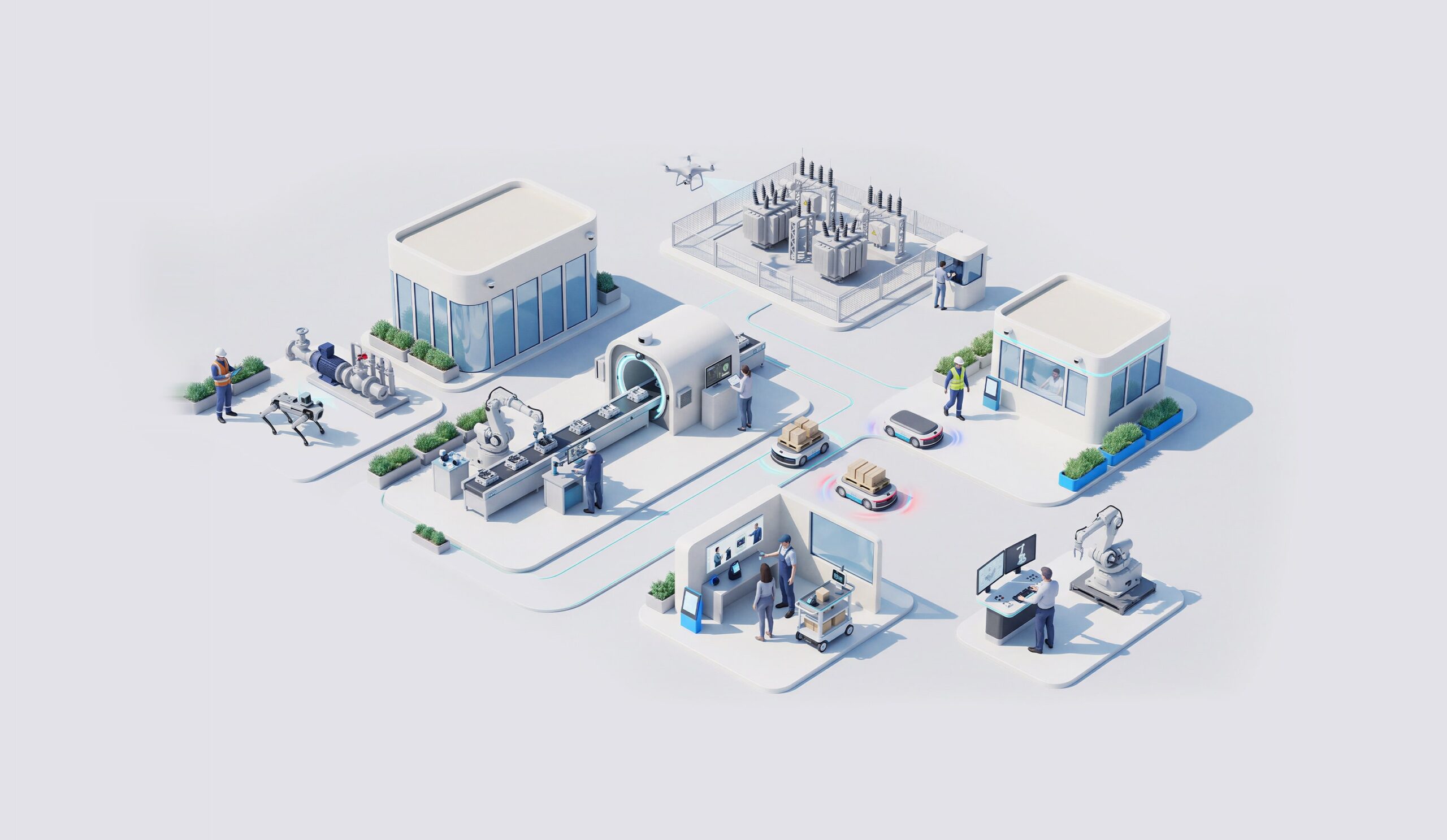
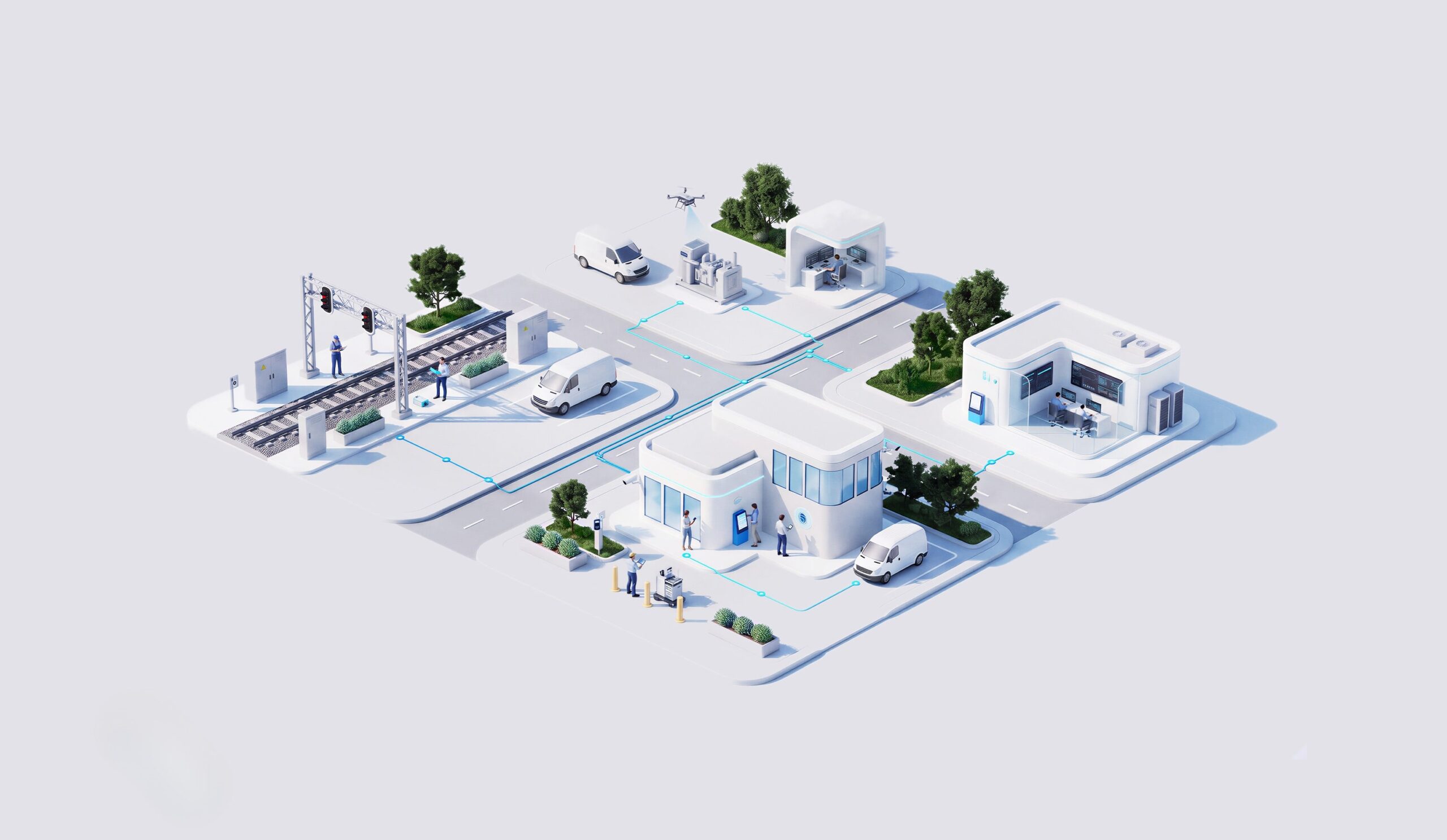
Connected utilities are generating more information across distributed energy resources, sensors and automated devices, while some operational actions must occur within milliseconds or remain available during wide area communications degradation. Distributed intelligence addresses this by assigning computation according to urgency, risk and architecture rather than decentralising every decision, with central coordination still governing policies, models and cross-network optimisation.
Placing selected analytics and decision logic closer to field operations helps utilities balance responsiveness, resilience and resource efficiency across increasingly distributed infrastructure.

Time sensitive analytics and authorized automation can execute near the asset, helping operational teams react to local events with less dependence on distant processing.
Selected capabilities can remain available when wide area connectivity degrades, supporting remote infrastructure that cannot assume uninterrupted central communications.
Local analysis and event driven data exchange reduce unnecessary movement of high frequency signals by sending relevant insights rather than every data point.
Hierarchical intelligence supports expanding populations of distributed energy resources, sensors and connected equipment without forcing all computation into central environments.
NTTデータのサポート体制は?
NTT DATA determines which intelligence functions belong centrally, regionally or locally according to timing, criticality, resilience and operational risk.

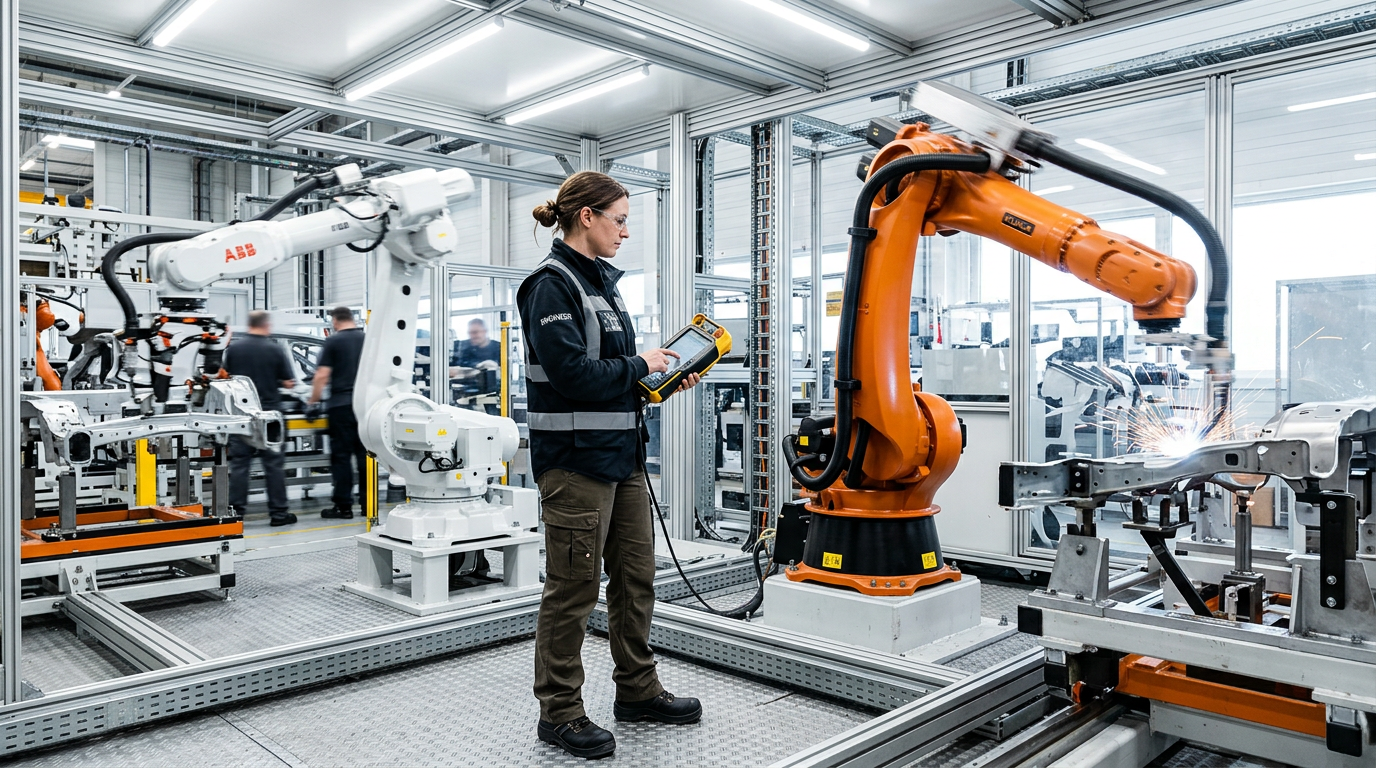
Edge gateways and AI models analyse sensor and equipment information in real time, detecting anomalies or classifying events close to field assets.

Authorized controllers execute local optimization and automation, while central platforms manage policies, model updates and cross network optimization.

Event driven architectures transmit relevant findings across layers, reducing unnecessary data transfer while keeping central systems informed.

Governance establishes local decision limits, fallback behaviour, cybersecurity requirements and human oversight so distributed intelligence operates within clear engineering controls.


Indicative performance depends on network architecture, operating model, asset criticality, integration scope and deployment maturity, with results varying by technology architecture and operating context.
30% to 80% reduction. Executing selected analytics near field assets can shorten the time between an operational event and the local decision or action it requires.
20% to 60% reduction. Local processing can retain high-volume source data near operations while forwarding relevant insights and events to central utility platforms.
20% to 60% reduction in bandwidth consumption. Event driven exchange can reduce continuous transmission demands from industrial signals while preserving information needed for coordinated operations.
Significant improvement. Maintaining selected local analytics and automation can preserve operational capability when wide area communications are unavailable or performing below normal conditions.
Place computation across central, regional and edge environments according to risk, timing and resilience while preserving coordinated governance and human oversight.