- All Foundries

- 商品管理と取引

- 顧客とマーケティング戦略

- デジタルエンジニアリング

- ステーション・スタジオ

- サプライチェーン&インダストリー5.0
- サステナビリティ

- Physical AI

- Next-Gen Infrastructure




Edge Intelligence for Critical Infrastructure
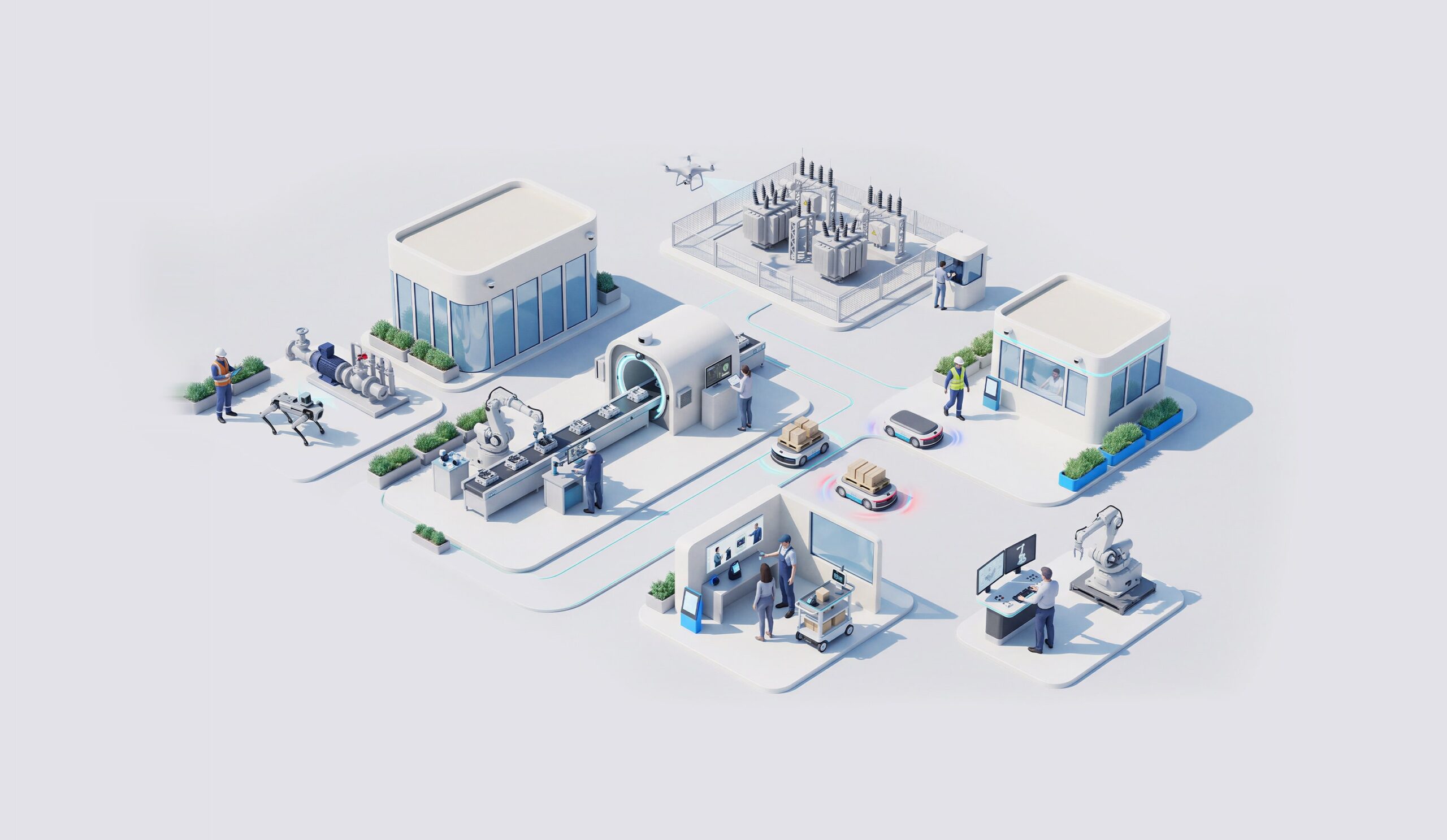
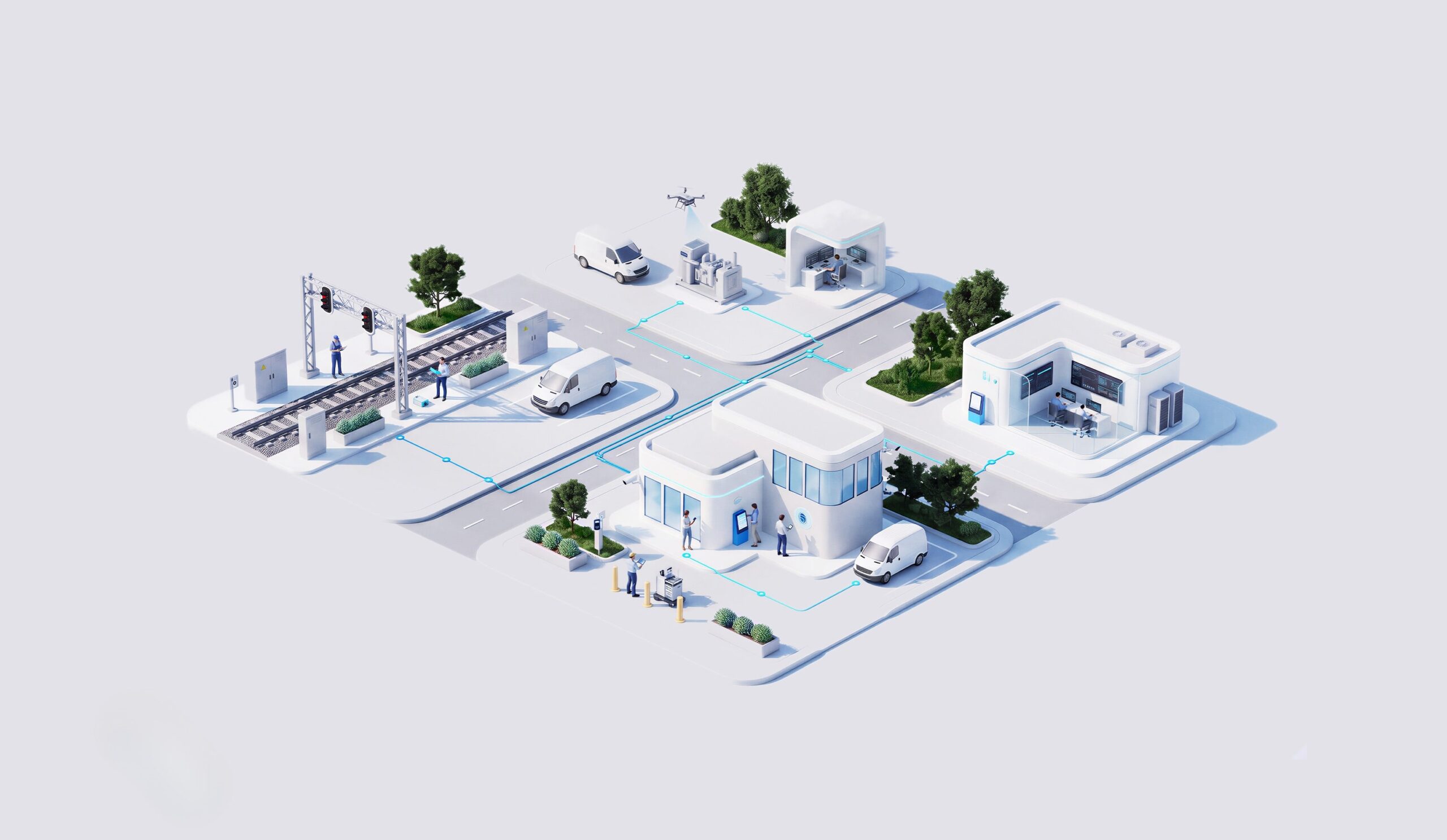
Utilities are connecting more cameras, sensors, protection devices, drones, robots and intelligent field assets across geographically dispersed infrastructure. These systems can produce more video and sensor data than central environments can efficiently process in real time, especially where communications are intermittent or latency requirements are measured in milliseconds. Edge Intelligence addresses this constraint by analysing selected data locally while central platforms retain responsibility for model training, long-term analytics, governance and enterprise integration.
Placing analytics nearer to the physical asset helps utilities respond to important events while using communications and central computing resources more selectively.

Local AI can classify events, detect anomalies and extract relevant information without waiting for every data stream to travel to a remote platform.
Edge processing can forward findings, evidence and metadata instead of continuously sending complete raw video, acoustic or sensor datasets.
Operational analysis can continue at remote or critical sites when wide-area communications degrade, preserving local insight during network interruptions.
Distributed processing supports video, acoustic and high-frequency sensor applications while reducing dependence on continuous cloud processing and network capacity.
NTTデータのサポート体制は?
NTT DATA deploys edge computing infrastructure that can receive information from cameras, vibration monitors, acoustic sensors, protection equipment, IoT devices, drones and other field sources.

Local inference is used to classify events, identify abnormal behaviour and extract relevant information at substations, plants, renewable sites and remote facilities.

Edge systems determine which findings, evidence and metadata need to move to engineering, asset management or other central utility platforms.

Time sensitive inference remains local, while central environments handle model training, fleet management, long-term analytics, lifecycle management, governance and integration with SCADA, APM, EAM and GIS.

Human approval, deterministic controls, cybersecurity and device management remain part of the architecture whenever AI outputs may influence safety critical actions.


These improvement objectives are representative rather than guaranteed, and actual performance varies with use case, network architecture, model design and deployment scale.
30% to 70% reduction. Processing operational events near the asset can shorten the time between data generation and useful local interpretation for inspection, monitoring and decision support.
20% to 60% reduction in raw data transmitted. Local filtering can keep complete high-volume streams at the edge while forwarding only information that warrants central attention.
50% to 90% reduction. Running models on edge infrastructure can remove network-dependent delay from time-sensitive classification, anomaly detection and other local analytics.
30% to 60% reduction. Edge AI can pre-screen image and sensor information, allowing engineering and operational teams to concentrate on events identified as relevant.
Combine edge processing with governed central platforms to support lower-latency analytics, resilient monitoring and scalable digital utility operations.