- All Foundries

- 商品管理と取引

- 顧客とマーケティング戦略

- デジタルエンジニアリング

- ステーション・スタジオ

- サプライチェーン&インダストリー5.0
- サステナビリティ

- Physical AI

- Next-Generation Infrastructure


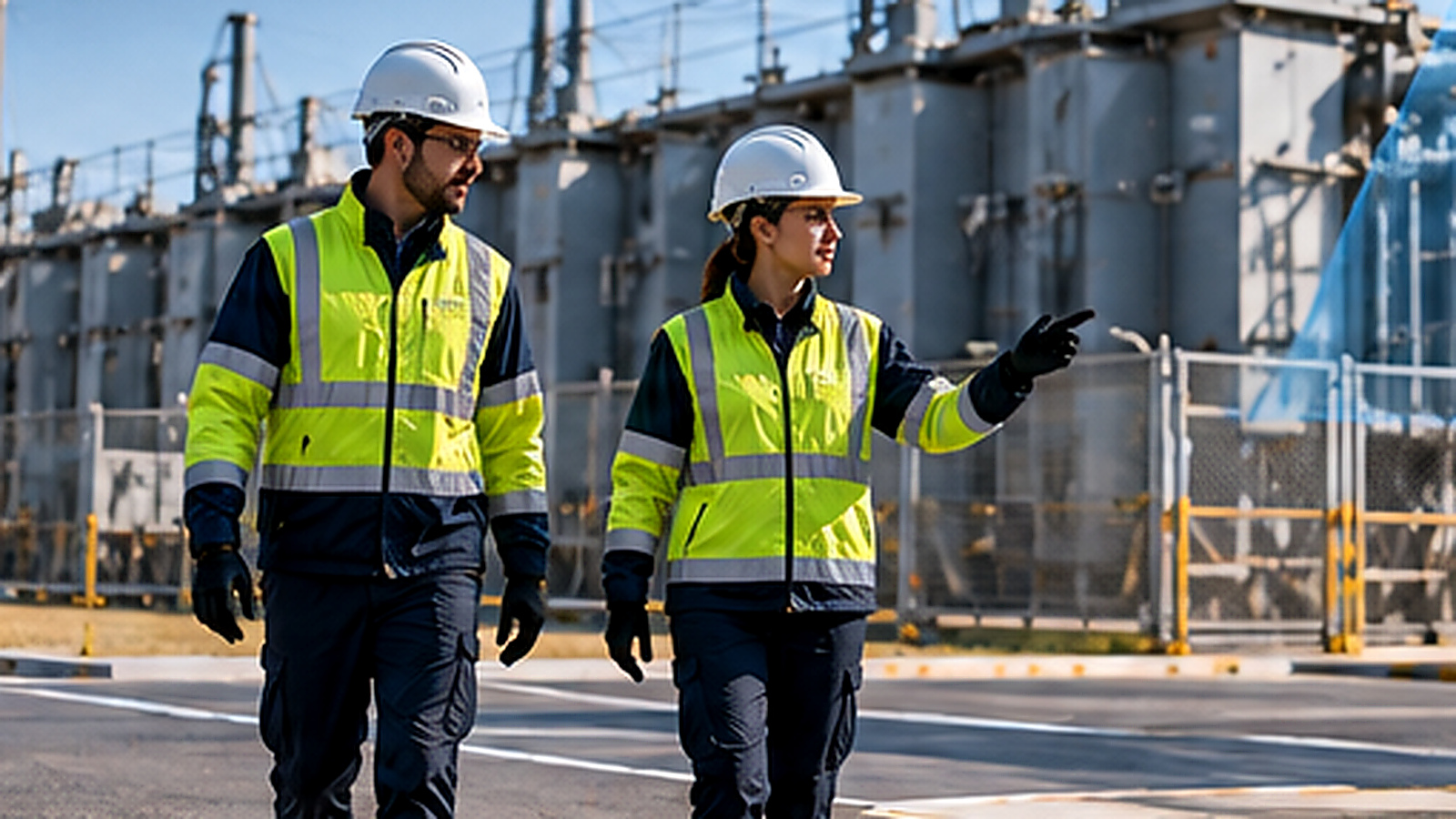
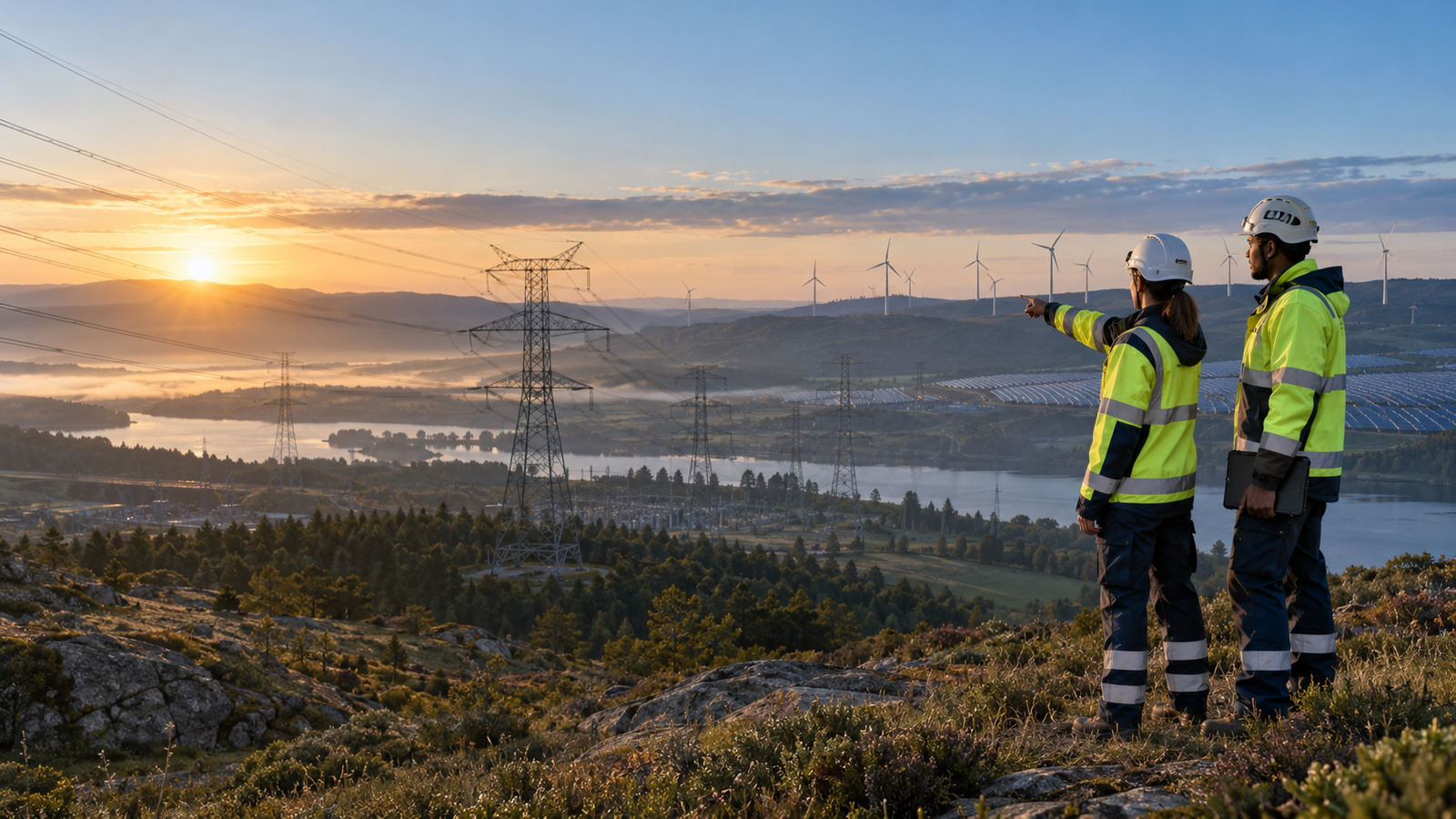
Human + AI Workforce
The challenge is no longer simply to collect information. It is to connect authorized utility data with operational workflows and enterprise and operational technology systems, then place the right intelligence where a decision is made. That shift must improve productivity, reliability and resilience while preserving the human oversight, cyber controls and fallback mechanisms that critical infrastructure demands.
Human expertise and machine intelligence can reinforce one another when they are built around real utility processes, clear accountability and measurable value.

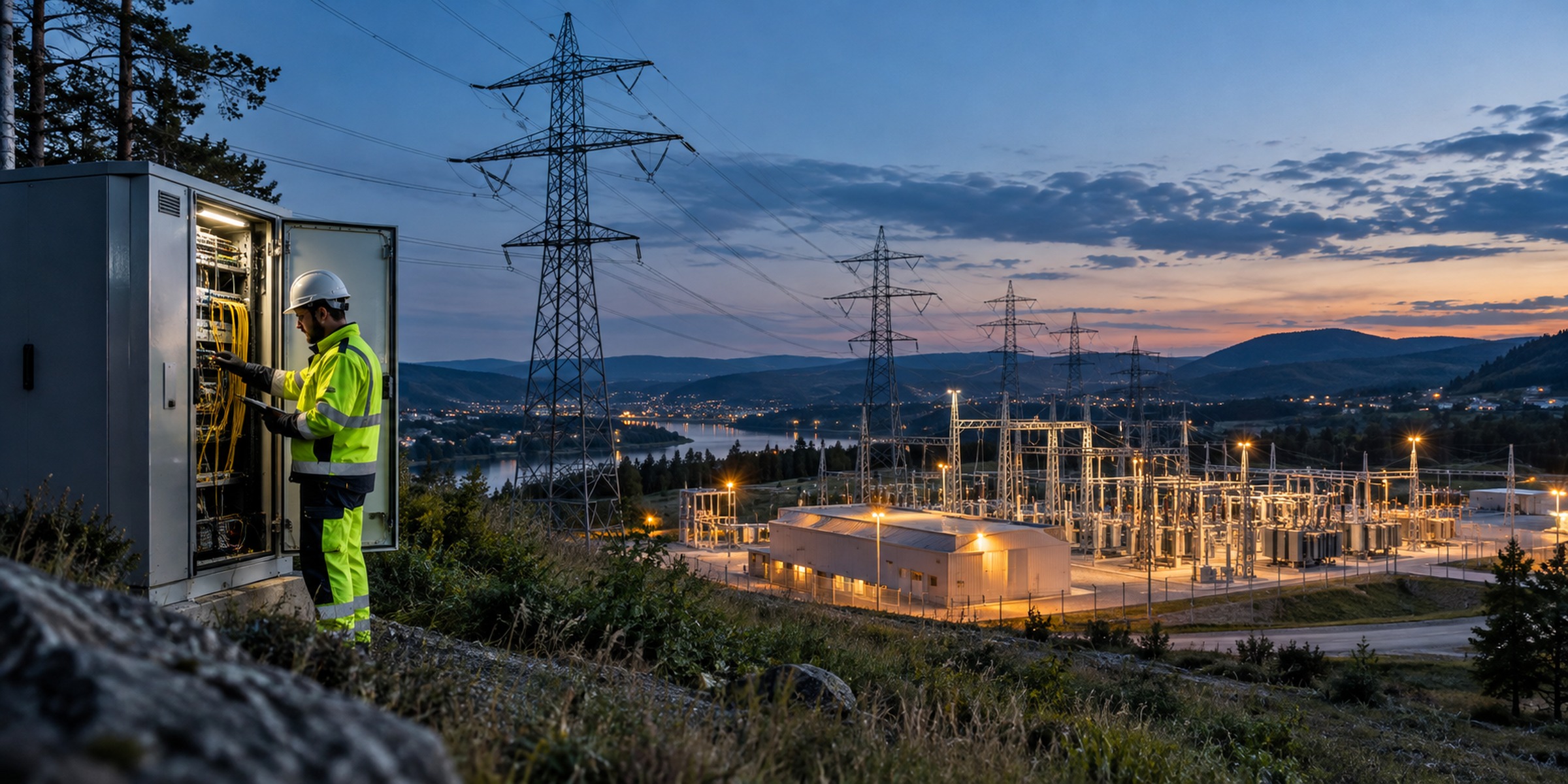
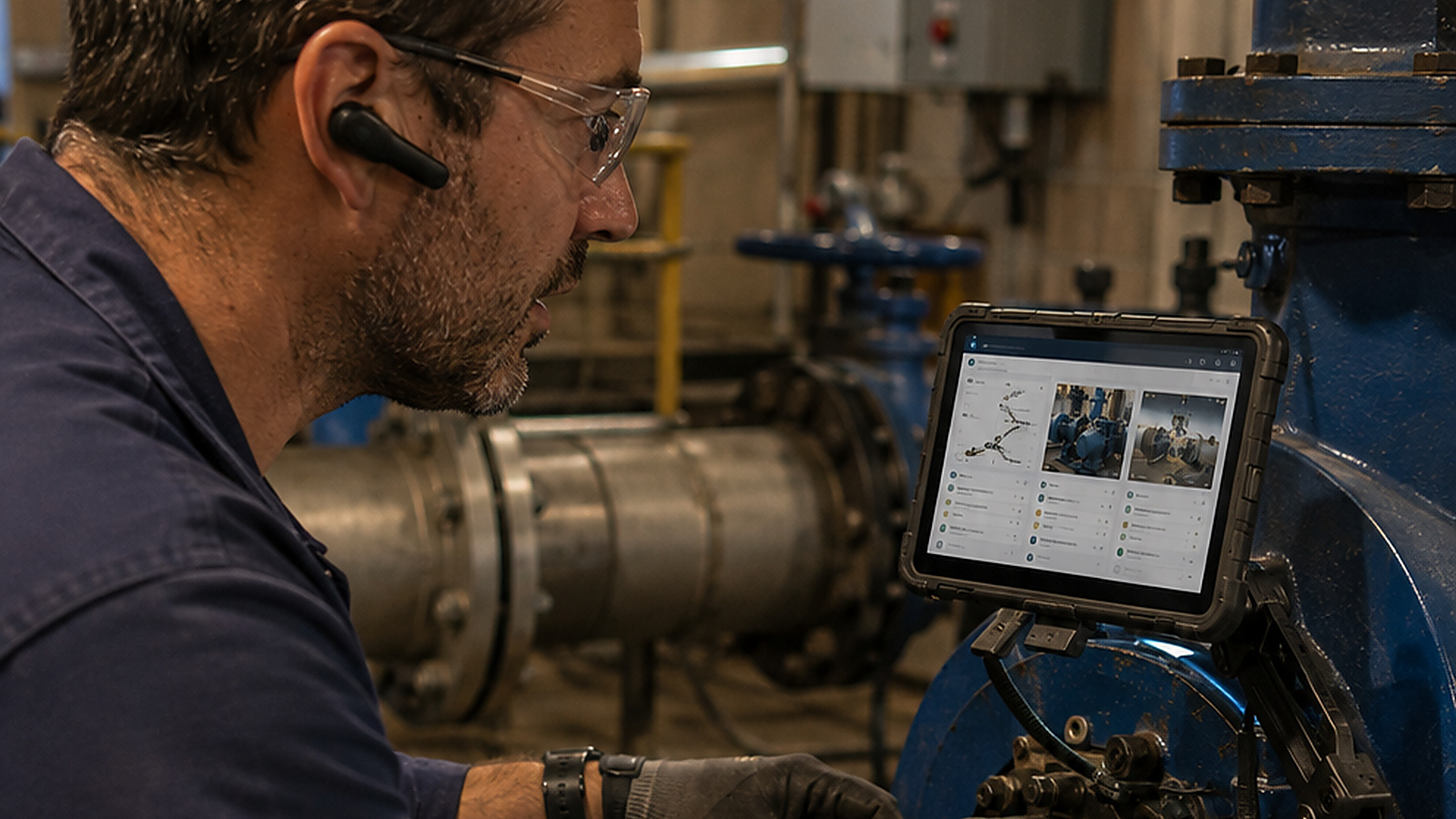
Bring relevant context into the workflow so teams spend less time assembling information and more time acting on it.
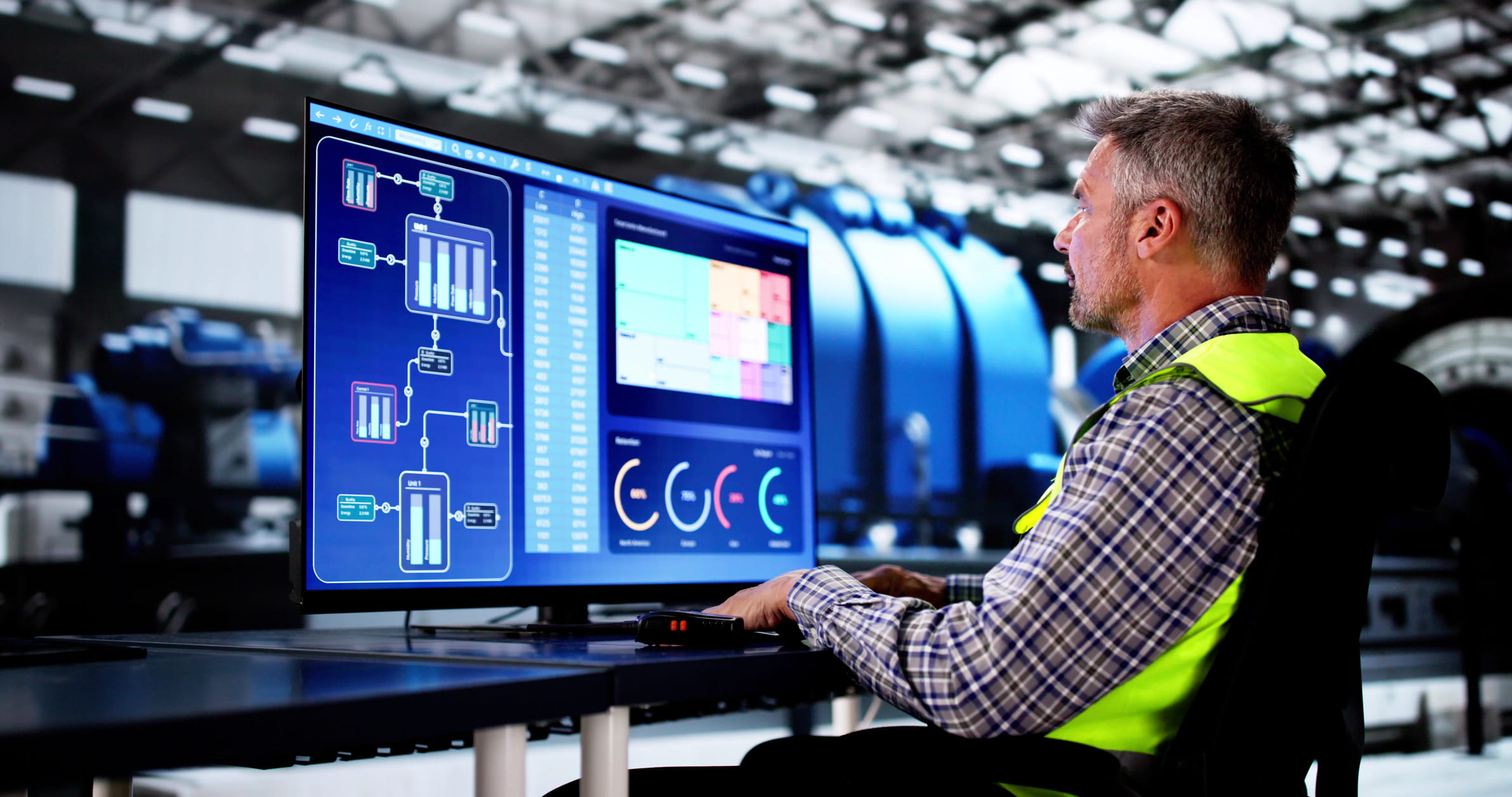
Use analytics and machine intelligence to surface anomalies and changing conditions before they become harder to manage.
Connect physical and market signals with operational decisions to support more informed interventions across critical assets.
Increase the role of automation progressively while maintaining human accountability for safety, regulatory and operational risks.
NTTデータのサポート体制は?
Connect operational, asset and enterprise information with the reliability and permissions required for critical utility work.
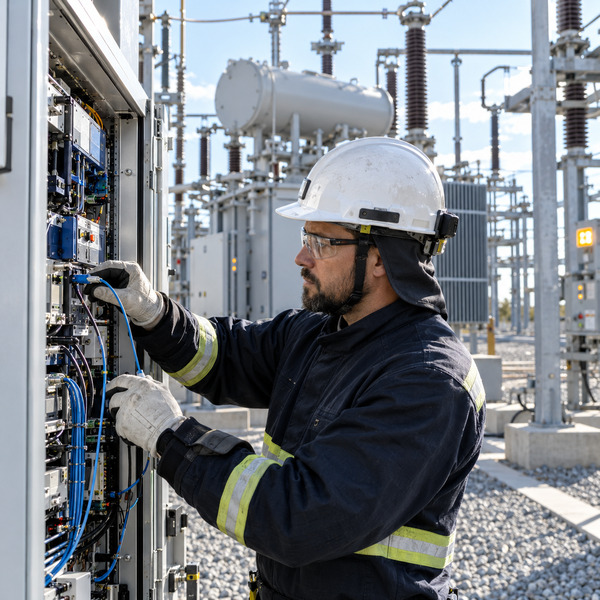
Apply analytics, machine learning, generative AI or automation at the appropriate point in the architecture, around the asset, process or decision at hand.
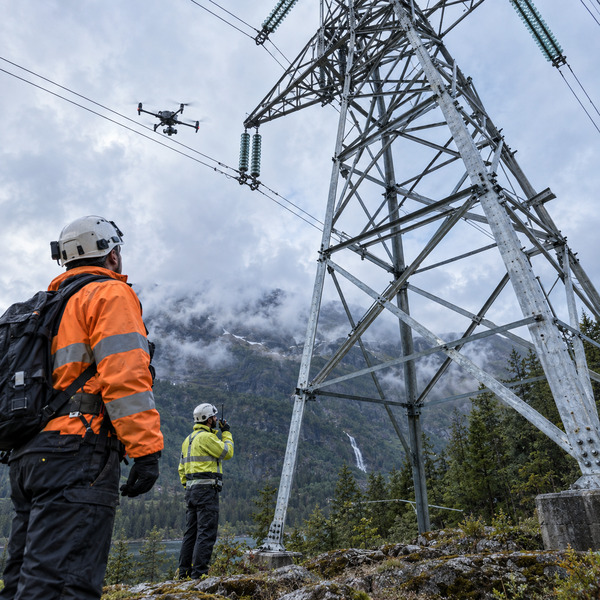
Embed outputs in existing frontline and enterprise workflows rather than creating another disconnected technology layer.
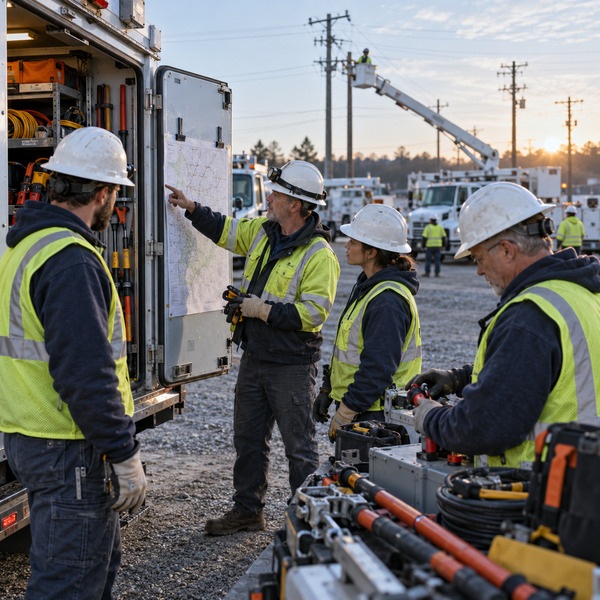
Define permissions, cyber safeguards, validation and fallback mechanisms, retaining human oversight wherever the consequences of error require it.
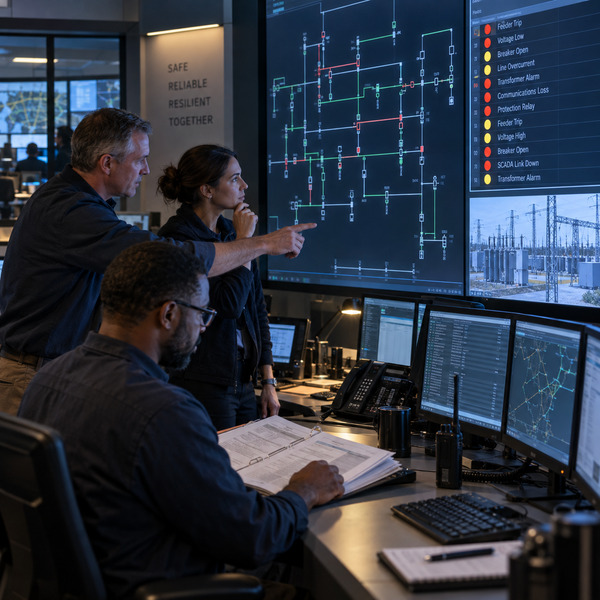
Start with controlled use cases, measure operational KPIs and reuse proven patterns across sites, asset classes and business units.
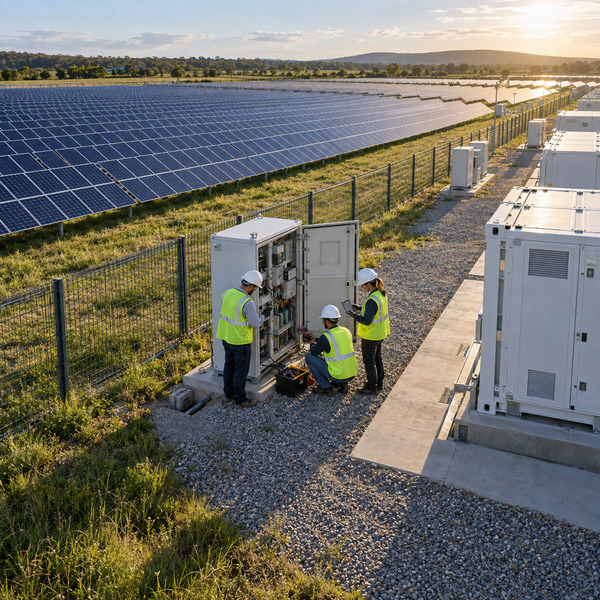
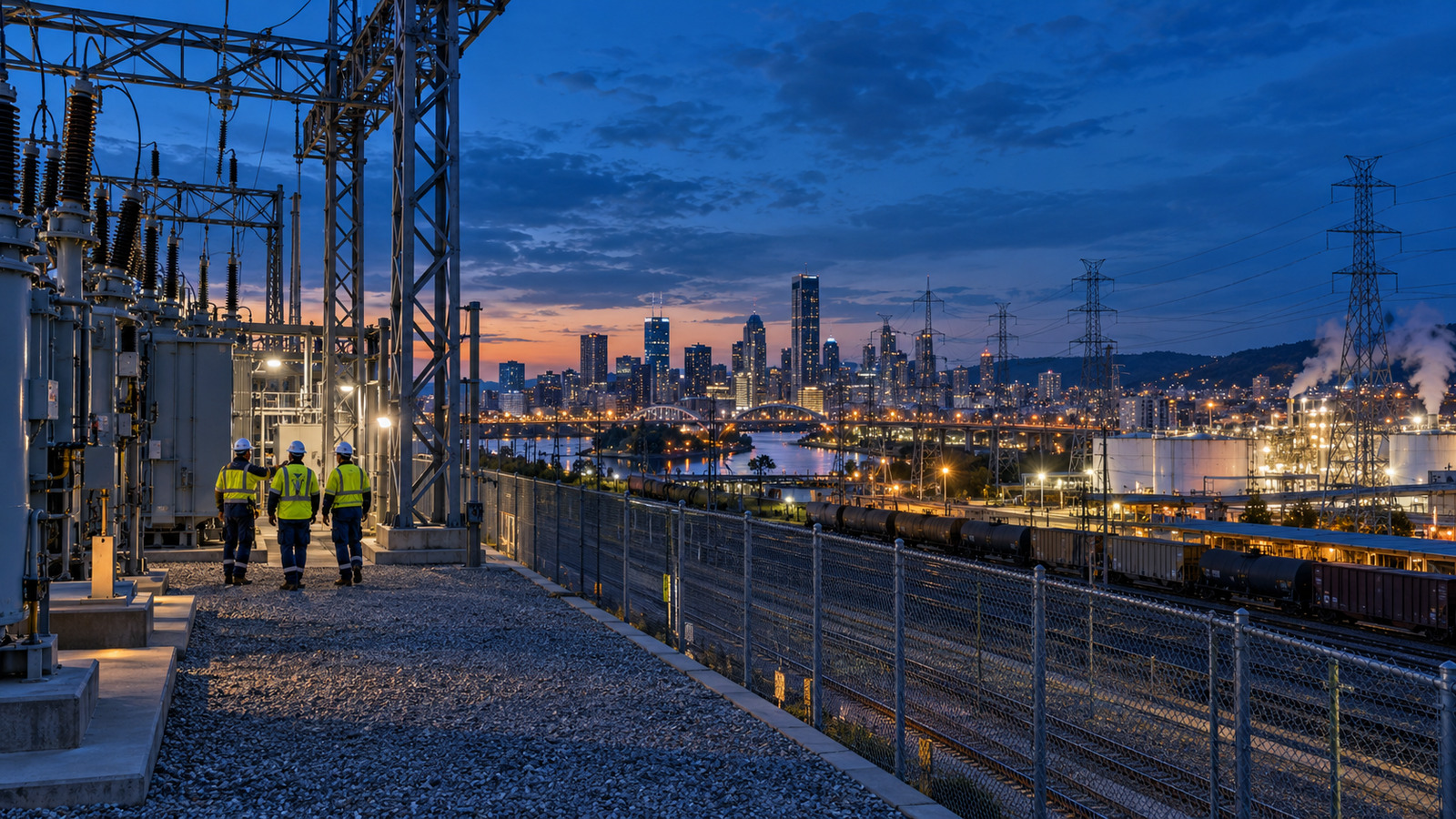
A connected human + AI workforce creates a more continuous link between changing physical conditions and operational action, helping teams respond with better context while keeping accountability clear.
The value is not an isolated AI layer. It is a utility operating model that can learn, adapt and act across generation, networks and supply.
Connected context can help reduce the time required to move from signal to decision and coordinated response.
Integrated workflows can reduce repetitive inspection, information gathering and handoff effort across teams.
Shared data, defined controls and clear escalation paths can support greater consistency across sites and shifts.
A governed architecture can extend from controlled use cases to additional assets, locations and business units without locking operations into a single technology path.
Bring your highest-value utility workflows into focus and shape a governed path from operational complexity to measurable outcomes.