- All Foundries

- 商品管理と取引

- 顧客とマーケティング戦略

- デジタルエンジニアリング

- ステーション・スタジオ

- サプライチェーン&インダストリー5.0
- サステナビリティ

- Physical AI

- Next-Gen Infrastructure












Mining technology adoption: build capabilities that change operations
Nothing is wrong with the technology. But the mine has not acquired a new capability. The question is not whether the signal exists, but who can do something different because of it.
Closing the path from signal to action turns technology investment into an operating mechanism.

Closing the path from signal to action turns technology investment into an operating mechanism that physically changes the mine.
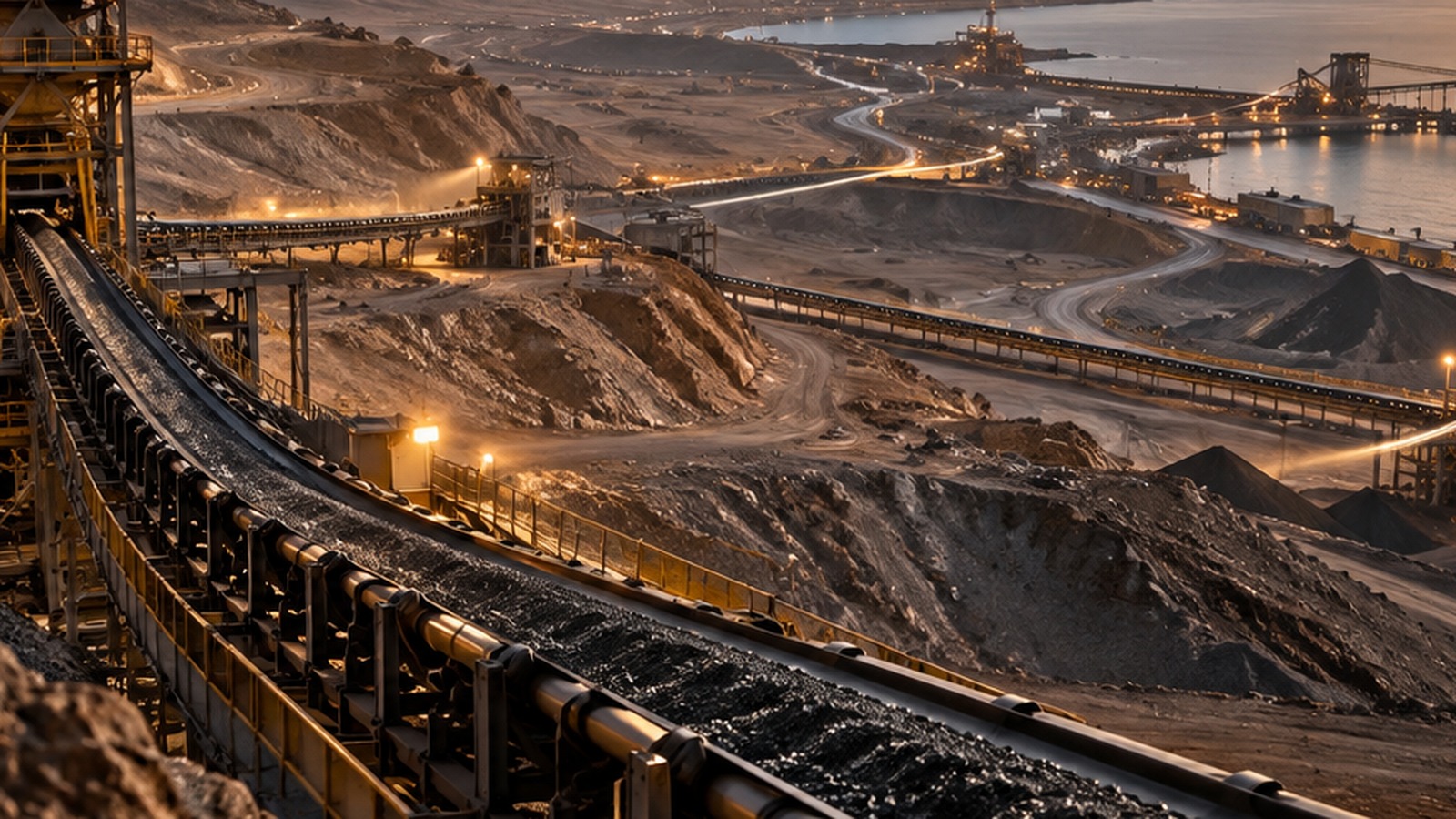
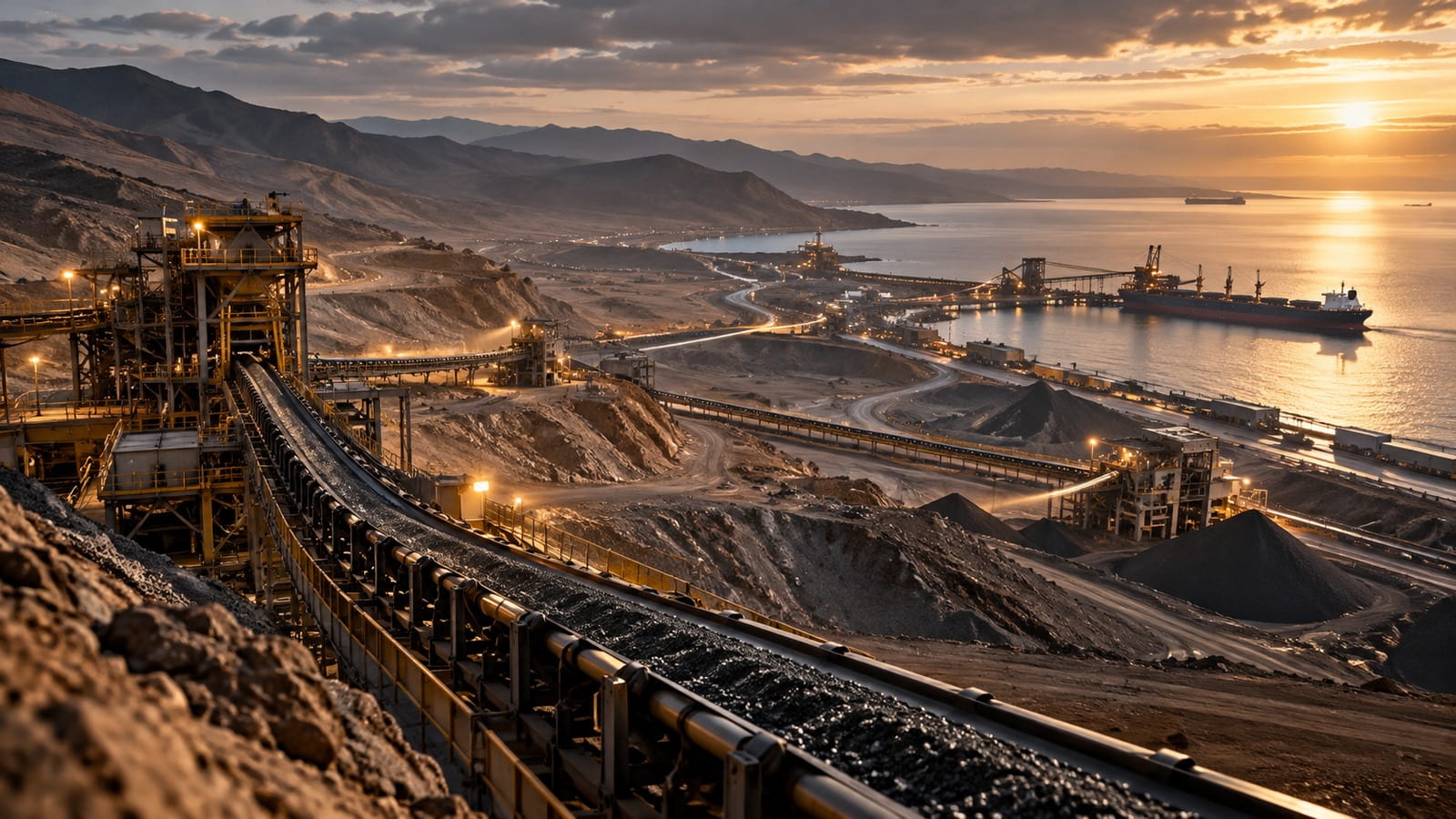
An emerging feed condition can change routing, blending or process preparation while alternatives are still available to the mine.
Acting on the signal before the truck tips or the feed reaches the plant helps protect throughput, recovery, quality or continuity.
The loop records what was detected, what changed, who or what acted and what happened next, so responses become repeatable.
NTTデータのサポート体制は?
Define what can still change when the incoming material departs from expectation: truck routing, stockpile destination, blend sequence, or process preparation.

Specify which role or system must consume the signal, what condition makes it actionable, and when the opportunity to intervene closes.
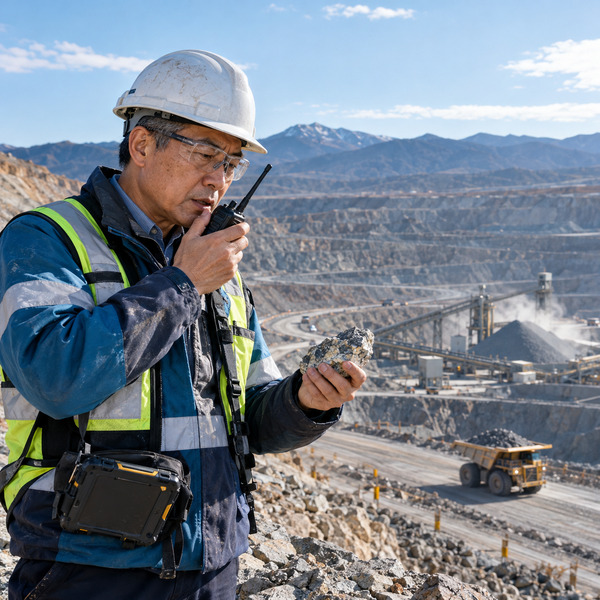
Connect material identity, plan, location, destination and relevant process constraints so the signal arrives as a decision-ready situation, not an isolated alert.
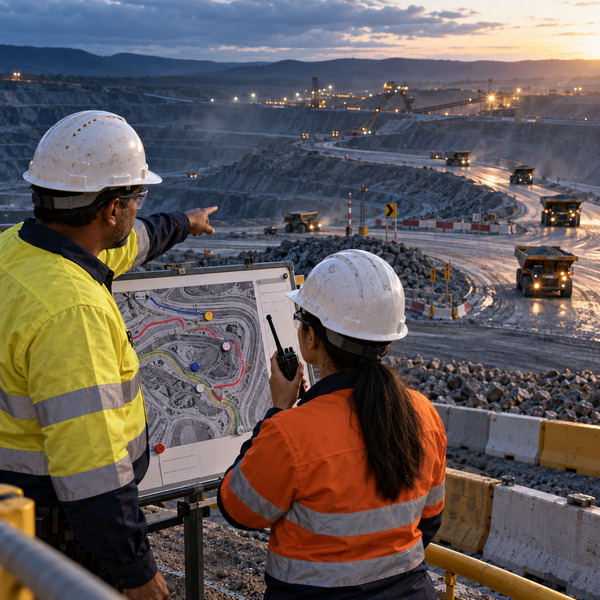
Use workflow, event integration and APIs into Dispatch or OT so the chosen response reaches the place where the mine can physically change.
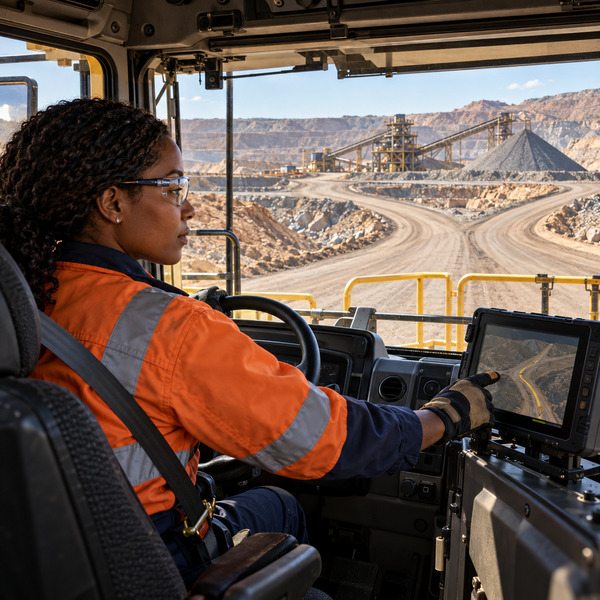
Capture the intervention and the resulting operating response so the mine can distinguish a useful decision from a merely executed one.

When trigger, decision logic, operating envelope and fallback are understood, move proven patterns toward recommendation or supervised automation.
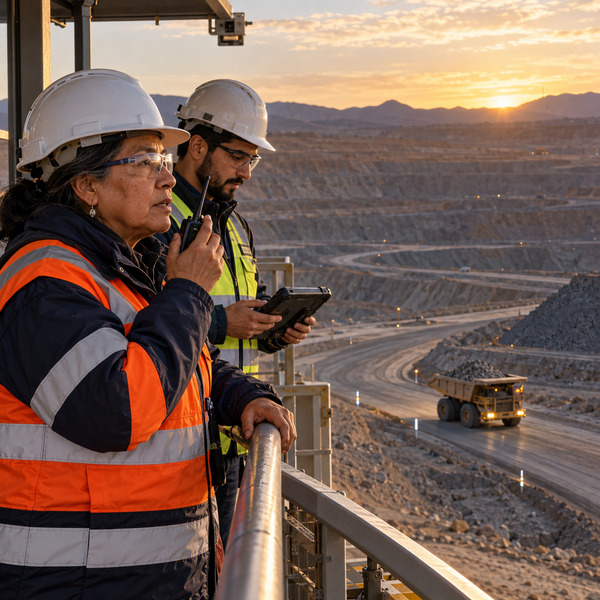
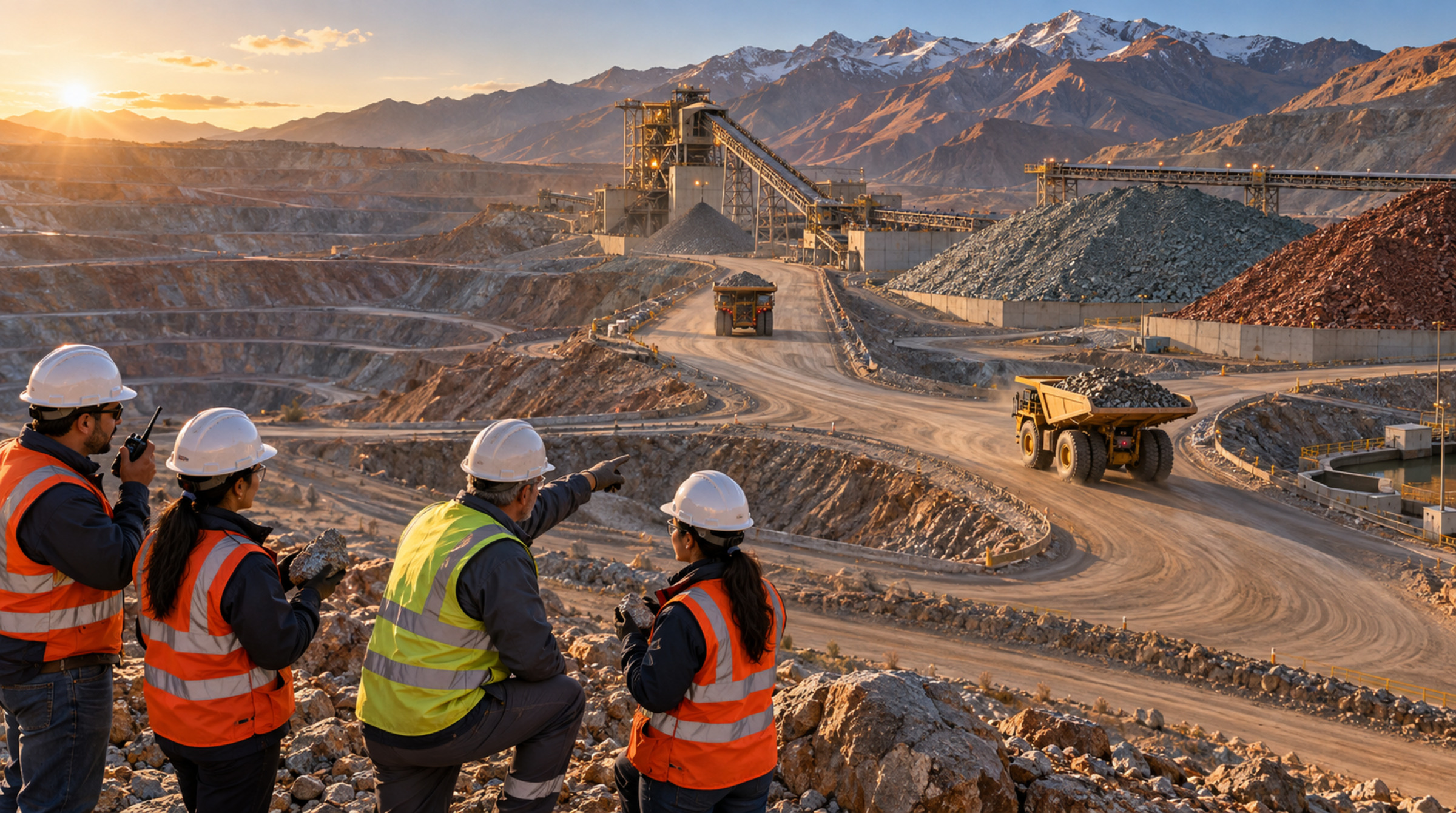
The technology matters because it is connected to an operating function, not because the platform exists. The evidence establishes the path that must exist before value can be captured.
The test is simple. Did the signal alter what the mine physically did while an alternative was still open?
The capability appears when the changing material condition can alter routing, blending or process preparation in the opening scenario.
Once the truck tips, the stockpile is built or the feed reaches the plant, some alternatives disappear. The decision must arrive first.
Capturing the intervention and operating response lets the mine distinguish a useful decision from a merely executed one.
The operation can tell whether the intervention produced the intended result, and learns from the outcome before automating it.
Explore how connecting signals to decisions and physical levers can turn mining technology into capability that changes the mine.