- All Foundries

- 商品管理と取引

- 顧客とマーケティング戦略

- デジタルエンジニアリング

- ステーション・スタジオ

- サプライチェーン&インダストリー5.0
- サステナビリティ

- Physical AI

- Next-Gen Infrastructure





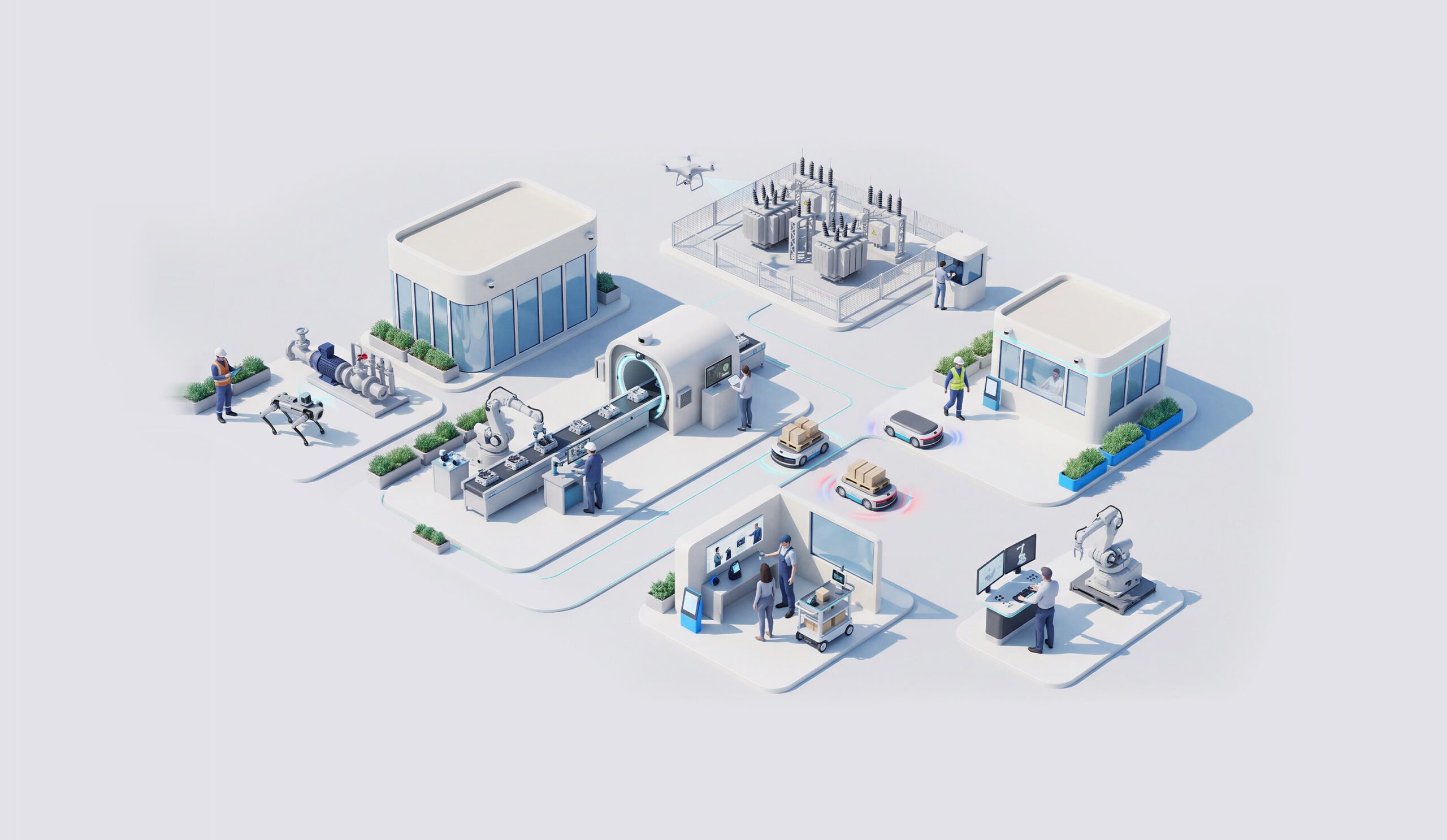
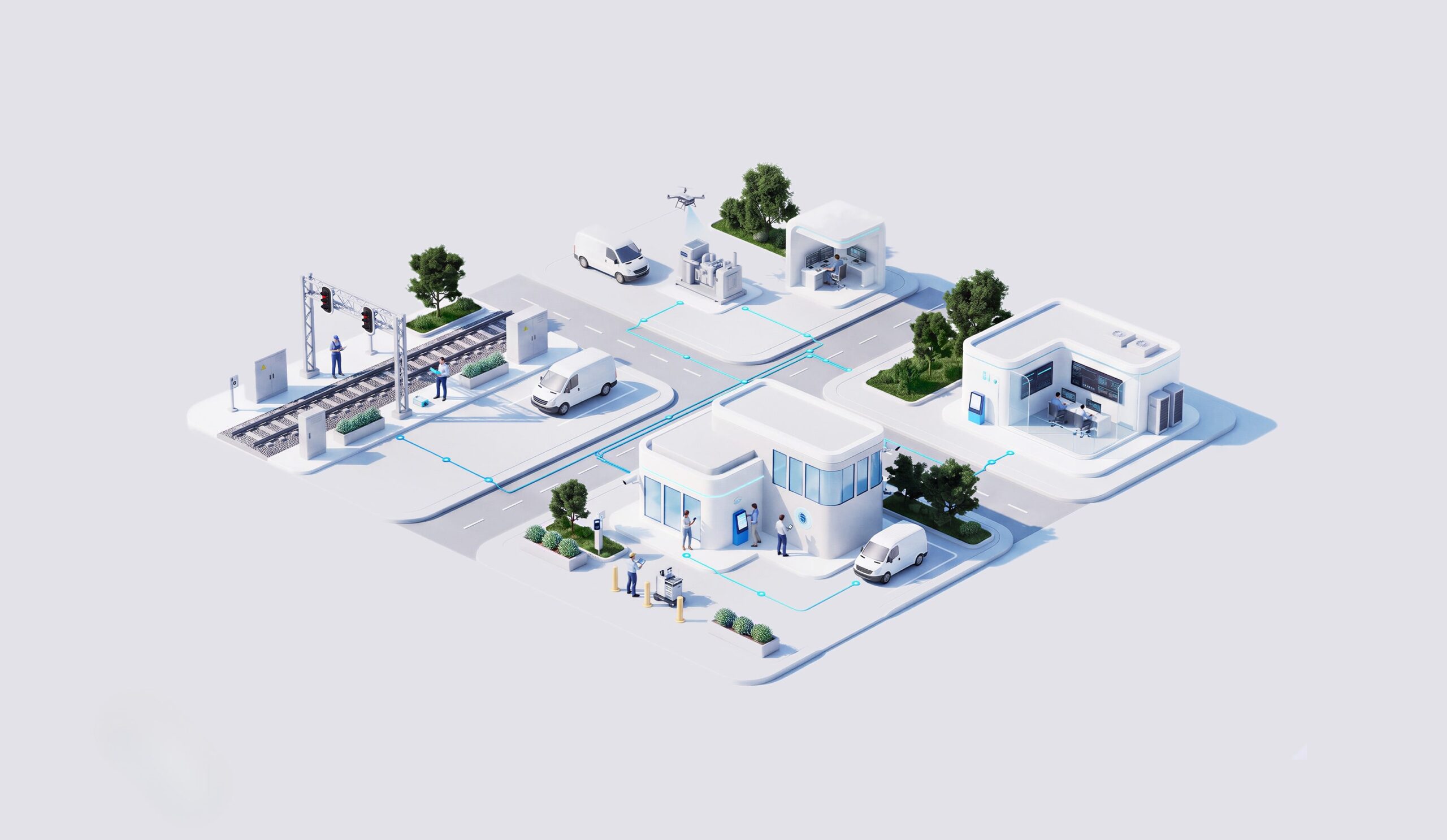

Valuable mining integration: connect only what changes decisions
A local treatment decision can move a consequence into recovery and filtration. A water restriction can remove an alternative. Solving it in one domain may no longer protect the result.
Selective integration protects chain outcomes without centralizing the mine.

Local automation and expertise remain fast for ordinary conditions, close to the process where most operation should be resolved.
Material exceptions can recruit the context, authority and levers needed across domains, without creating one giant operational screen.
The result is less unnecessary coordination, because only the roles and systems needed to resolve a situation are involved in it.
More attention goes to situations where recovery, throughput, quality, water or logistics genuinely depend on a cross-chain response.
NTTデータのサポート体制は?
Use real mining situations to identify where a local response is sufficient and where consequences or levers cross domains.

Thresholds, rules and event detection can distinguish ordinary operating variation from a condition that deserves wider coordination.

Contextual data services can attach the affected material, asset, plan, water or logistics state to the exception without one giant operational screen.

Workflow can involve only the roles and systems needed to resolve that situation, with explicit escalation if the decision grows.

APIs, control integration and edge automation can keep routine decisions local while still accepting a chain-level commitment when required

Decision histories and analytics can reveal which exception patterns recur and where integration actually changed the outcome.


Integration matters when a local decision can compromise more than one area or the lever sits elsewhere. Specialization is not a silo problem; the quality of the interfaces decides.
A modern integrated operation does not pull every decision upward into a central brain.
Return to the pump controller, Dispatch and flotation operator: routine decisions remain local and fast, close to the process they protect.
Thresholds, rules and event detection distinguish ordinary operating variation from a condition that deserves wider coordination.
Workflow involves only the roles and systems needed to resolve the situation, with explicit escalation if the decision grows.
The best integrated mine may be the one that knows exactly when not to integrate, and learns where integration changed the outcome.
Explore how selective integration can protect chain outcomes while keeping local mining decisions fast and close to the process.