- All Foundries

- 商品管理と取引

- 顧客とマーケティング戦略

- デジタルエンジニアリング

- ステーション・スタジオ

- サプライチェーン&インダストリー5.0
- サステナビリティ

- Physical AI

- Next-Gen Infrastructure














Modernizing the digital foundation: Why now
Telecom leaders are being asked to launch services faster, scale data and AI, improve customer experience and strengthen resilience while running fragmented estates built across different technology cycles. The question is no longer whether to modernize, but how to sequence change without compromising live services or the economics of the business.
The value of modernization is felt in the decisions and services it makes possible. The target is not a newer estate for its own sake, but a telecom business that can change with less friction and clearer economics.

Product and engineering teams can move from demand to deployment through reusable platforms, automated controls and clearer delivery paths.
Infrastructure consolidation, capacity discipline and workload transparency help direct investment to the services that create value.
Security, compliance, availability and recovery become architectural choices, not controls added after the service is built.
Open, modular foundations make data accessible and governed, giving AI initiatives a more reliable path from experiment to enterprise use.
NTTデータのサポート体制は?
Map applications, infrastructure, dependencies, cost, risk and service criticality. The result is a shared view of where complexity blocks value and where change can begin safely.

Design an open, modular and secure target foundation, then connect each architectural choice to business outcomes, investment priorities and decision rights.

Prioritize workloads by value and risk, use repeatable migration patterns, and plan coexistence so modernization can progress without treating the telecom estate as a greenfield environment.

Build ownership, guardrails, compliance, resilience and environmental considerations into platforms and delivery workflows. Teams gain a common control model without slowing every decision.

Combine automation, observability, platform engineering and managed operations so the foundation remains efficient as services, demand and technology continue to change.
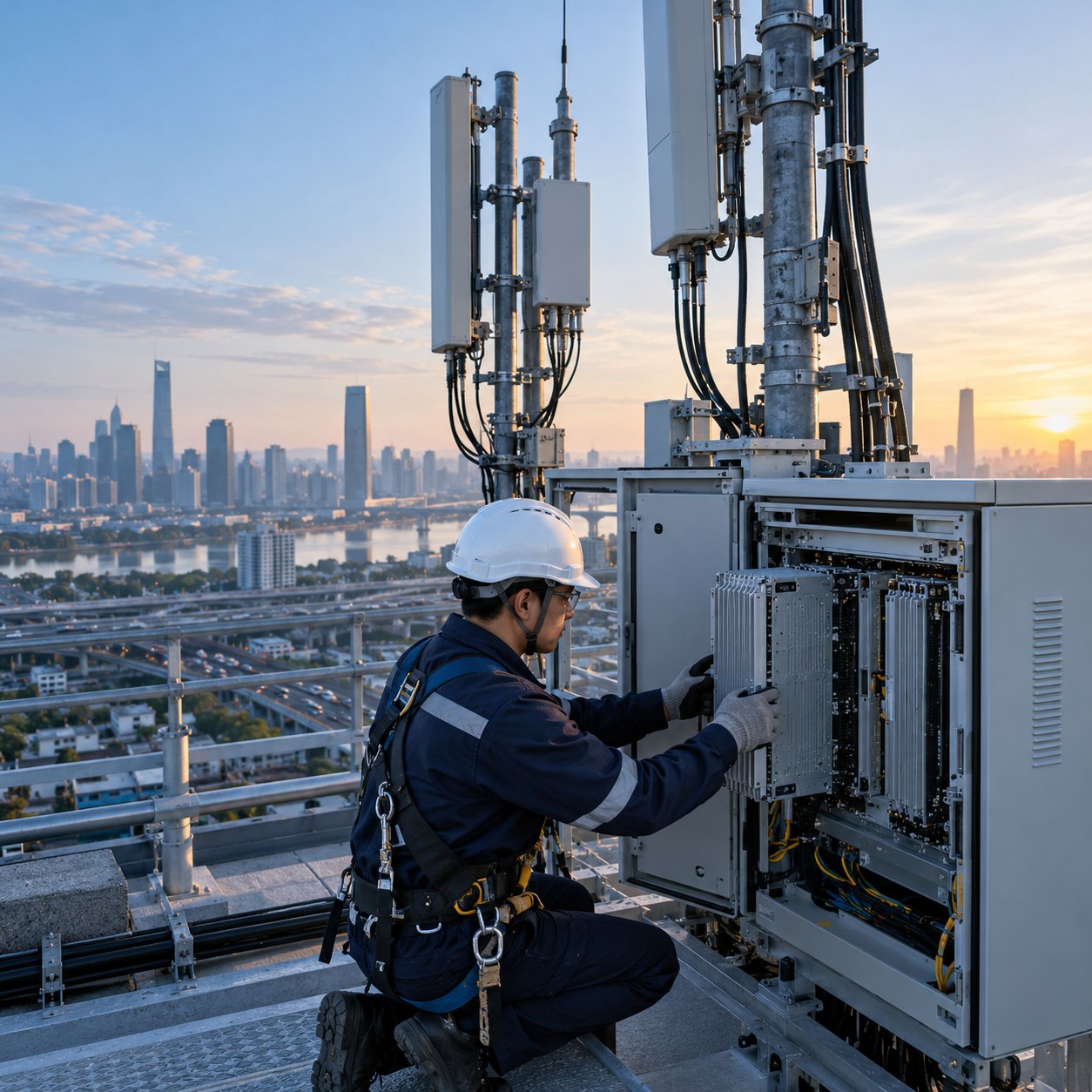

For a telecom operator in Peru, a business-critical field delivery application had become slow, difficult to maintain and exposed to compatibility and security issues. The modernization program migrated the application from Java to Kotlin, updated the architecture and used AI-assisted development to support code migration, testing and further evolution.
Development time was reduced by two months.
Application coverage was achieved before certification.
The application was aligned to current standards and its architecture was modernized.
Start the conversation about the decisions, sequence and outcomes that matter now.