- All Foundries

- 商品管理と取引

- 顧客とマーケティング戦略

- デジタルエンジニアリング

- ステーション・スタジオ

- サプライチェーン&インダストリー5.0
- サステナビリティ

- Physical AI

- Next-Gen Infrastructure







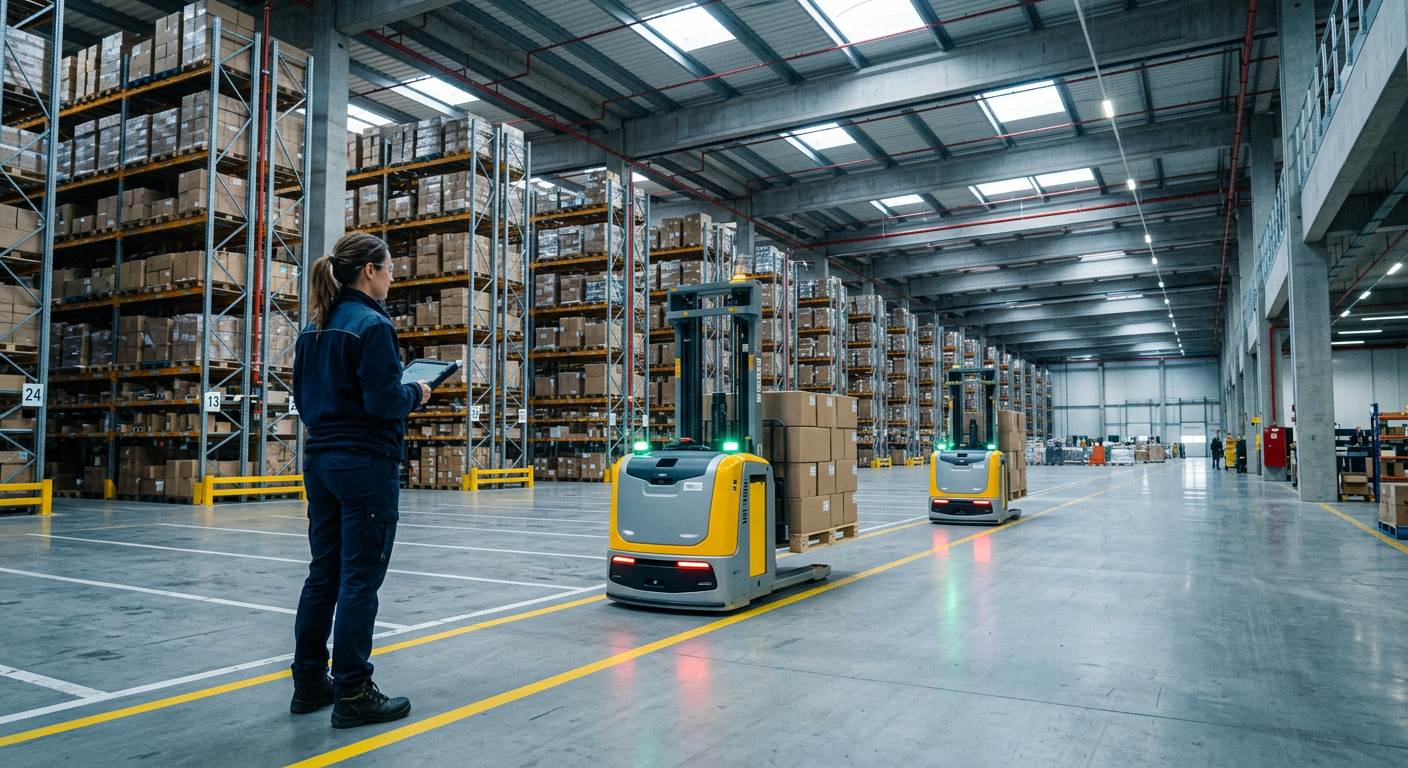

Physical AI for Utility Assets
Utility operating models are becoming more distributed, software-defined and intelligent. Information, assets, people and external ecosystems increasingly need to work together in near real time, which makes centralized or manual approaches less effective. The priority is to position trusted intelligence where operational decisions occur while preserving human accountability for safety, regulation and critical infrastructure risk.
Physical AI strengthens the connection between real-world asset conditions and operational decisions, helping utilities act earlier, reduce repetitive effort and improve consistency.

Connected sensing, analytics and automation reduce fragmented activities and help operational teams focus effort where intervention and expertise are most valuable.
Continuous asset awareness improves the ability to detect anomalies and changing conditions before they develop into larger operational issues.
Better context around physical infrastructure supports more informed inspection and maintenance decisions across critical and remote environments.
Shared information and contextual intelligence help reduce decision variability across sites, asset classes and business units.
NTTデータのサポート体制は?
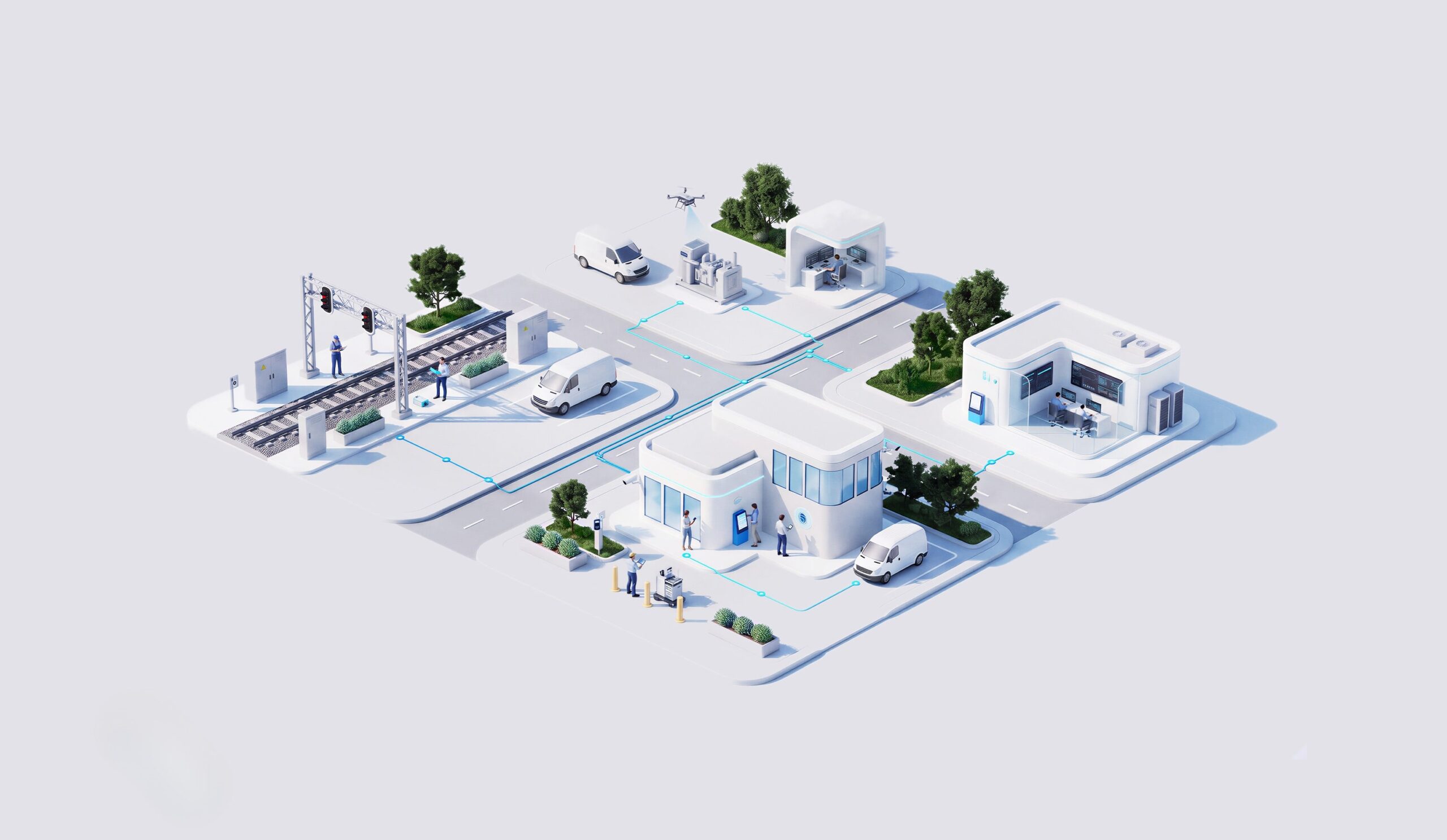
NTT DATA connects authorized operational, asset and enterprise information with the reliable data and connectivity required for Physical AI use cases.

Robotics, computer vision, IoT, Edge AI, digital twins and machine learning are applied around assets and operational processes.

Analytics and automation are positioned where they can support specific inspection, maintenance or operational actions.

Outputs are incorporated into existing operational processes, supported by appropriate permissions, cyber controls, validation and fallback mechanisms.

NTT DATA scales proven use cases progressively using measurable operational KPIs and reusable capabilities across sites, assets and business units.


Expected improvements depend on baseline performance, infrastructure characteristics, process maturity and deployment scope, with the following ranges serving as indicative business objectives.
A typical improvement objective of 20% to 40% reflects faster progression from asset information and analysis to operational action.
A typical improvement objective of 20% to 40% reflects reduced dependence on repetitive inspection, coordination and other manually executed operational activities.
Reduce decision and response time by 15–30% by combining real-world observations with relevant asset and operational context at the point of action.
Significant improvement is the stated objective as asset conditions, operational information, communications and frontline workflows become more continuously connected.
Scale Physical AI from controlled asset use cases into interoperable, cyber-resilient capabilities that support measurable operational value.