- All Foundries

- 商品管理と取引

- 顧客とマーケティング戦略

- デジタルエンジニアリング

- ステーション・スタジオ

- サプライチェーン&インダストリー5.0
- サステナビリティ

- Physical AI

- Next-Generation Infrastructure













Sovereign Edge for Critical Utility Operations
Sovereign edge becomes relevant once operational data, decision logic or critical workloads must stay within a defined jurisdiction, facility or security boundary, with only selected information synchronized to central platforms. A temporary loss of a non-critical application is not the same as losing communications with a protection, control or emergency-response process, so sovereignty and criticality decide what stays local and what moves centrally.
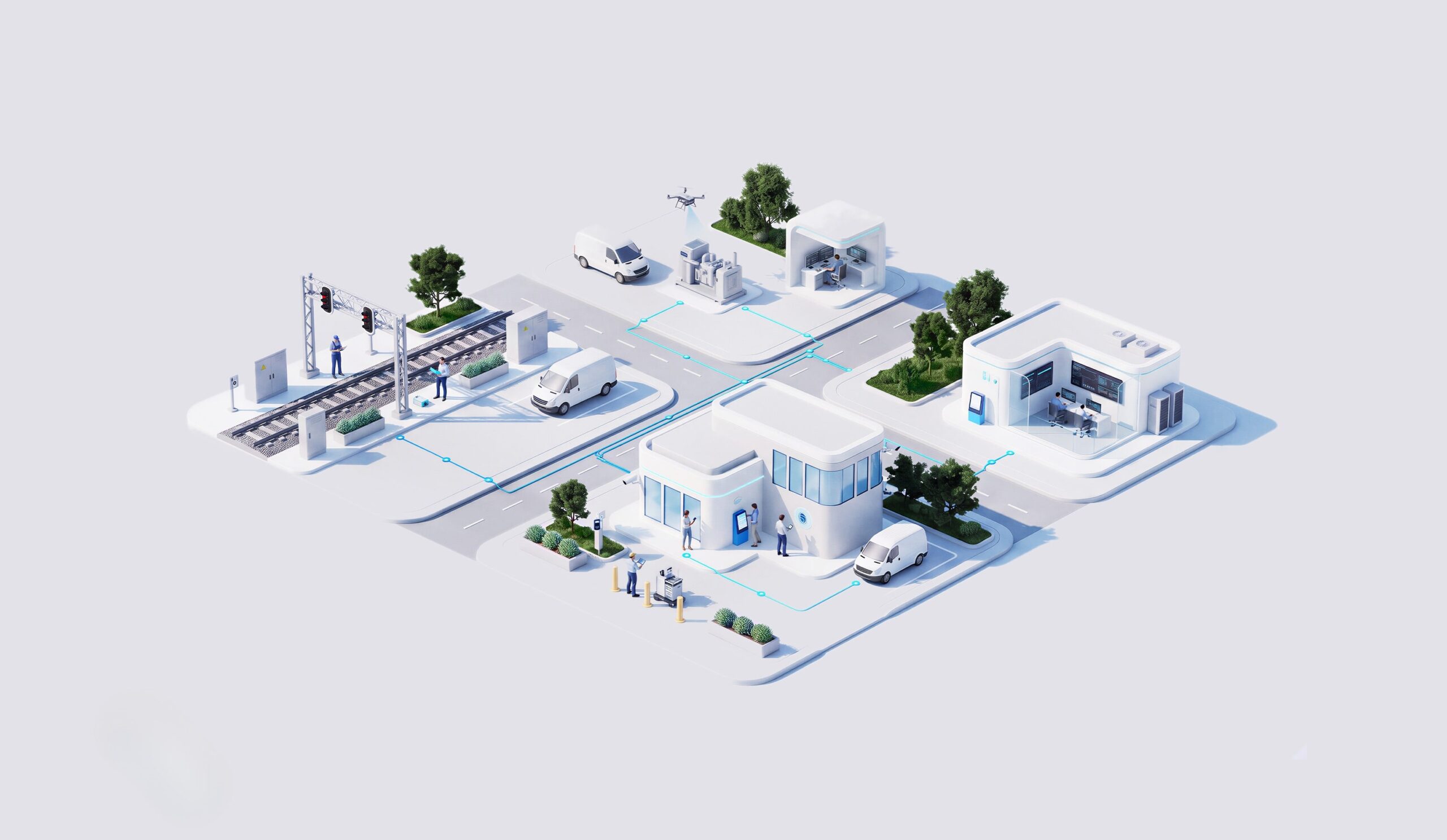
Governed edge compute keeps sensitive data and critical workloads local while still benefiting from centralized intelligence and oversight.

Operational data, decision logic and critical workloads stay within their defined jurisdiction, facility or security boundary at all times.
Local processing and control keep critical operations running even when connectivity to central cloud platforms is degraded or unavailable.
A governed edge compute foundation supports new distributed intelligence programs instead of a bespoke deployment for every workload.
Edge security, observability and lifecycle management are operated centrally, even though the workloads themselves run close to critical operations.
NTTデータのサポート体制は?
NTT DATA classifies workloads by latency, sovereignty and criticality to decide what runs locally and what can synchronize centrally.

Governed edge compute is deployed close to critical operations so latency-sensitive decisions do not depend on a remote connection.

Local processing is integrated with central cloud and control platforms through selective, well-defined synchronization.

Edge security, observability and lifecycle management are operated centrally so distributed compute stays consistent and accountable.

Sovereignty requirements, cyber risk, recovery expectations and how long a workload needs to run all shape where it should live.


Alongside stronger control over sensitive workloads, these indicative targets vary by workload mix, jurisdiction and regulatory scope.
Edge processing reduces single points of failure, with baseline and target availability levels confirmed during assessment.
Sovereignty and criticality classification give each workload a defined location instead of an ad hoc placement decision.
A repeatable deployment model shortens the time needed to bring new edge compute online or restore it after disruption.
Consistent sovereignty and security rules applied across every workload strengthen policy compliance across the edge estate.
Deploy governed edge compute so sensitive data and critical decisions stay local, while selected intelligence still reaches central platforms.