

後継者育成計画と世代交代
Rail workforce research reinforces the urgency: skills shortages remain a major issue, one third of the surveyed rail workforce is still aged 50 or over, and retirement or attrition could remove up to 70,000 workers by 2030 in that market. Broader transport skills analysis also links future workforce needs to demographic change, new technologies, net zero transition, apprenticeships and digital skills.
Succession Planning and Generational Renewal turns workforce risk into operational continuity — preserving critical know-how while helping new talent become productive faster.

Digital knowledge repositories preserve practical expertise that is often undocumented
Skills mapping helps identify vulnerable safety-critical roles before gaps affect operations
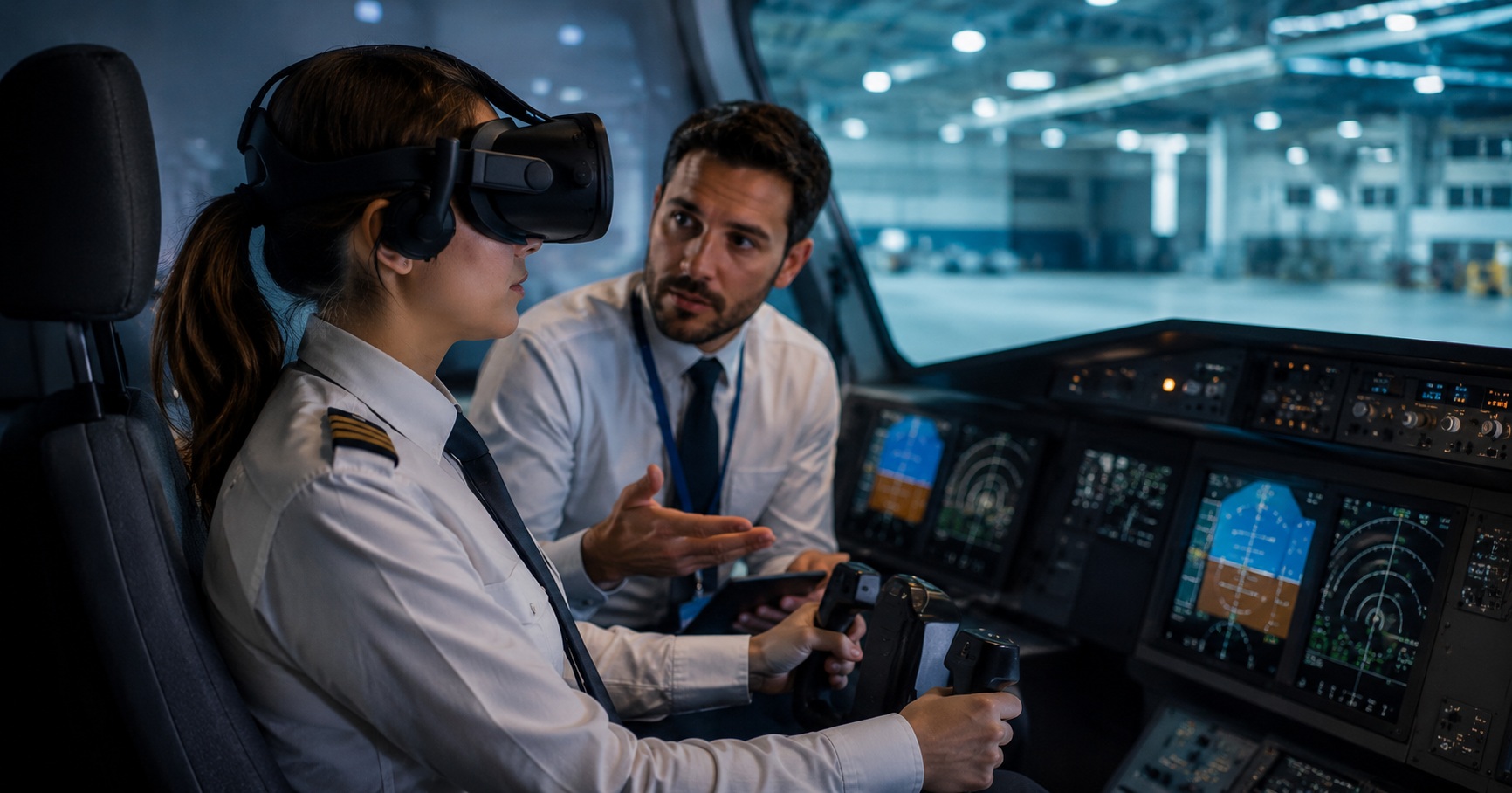
Adaptive learning helps new employees build confidence, consistency and role readiness faster
Change enablement supports adoption across generations, not just the rollout of new tools
NTTデータのサポート体制は?
We identify safety-critical roles, scarce skills and retirement exposure to create a clearer workforce continuity plan

Use AI-powered knowledge capture to structure expert know-how, procedures and lessons learned into reusable formats

Design digital learning journeys that support onboarding, upskilling and faster time to proficiency
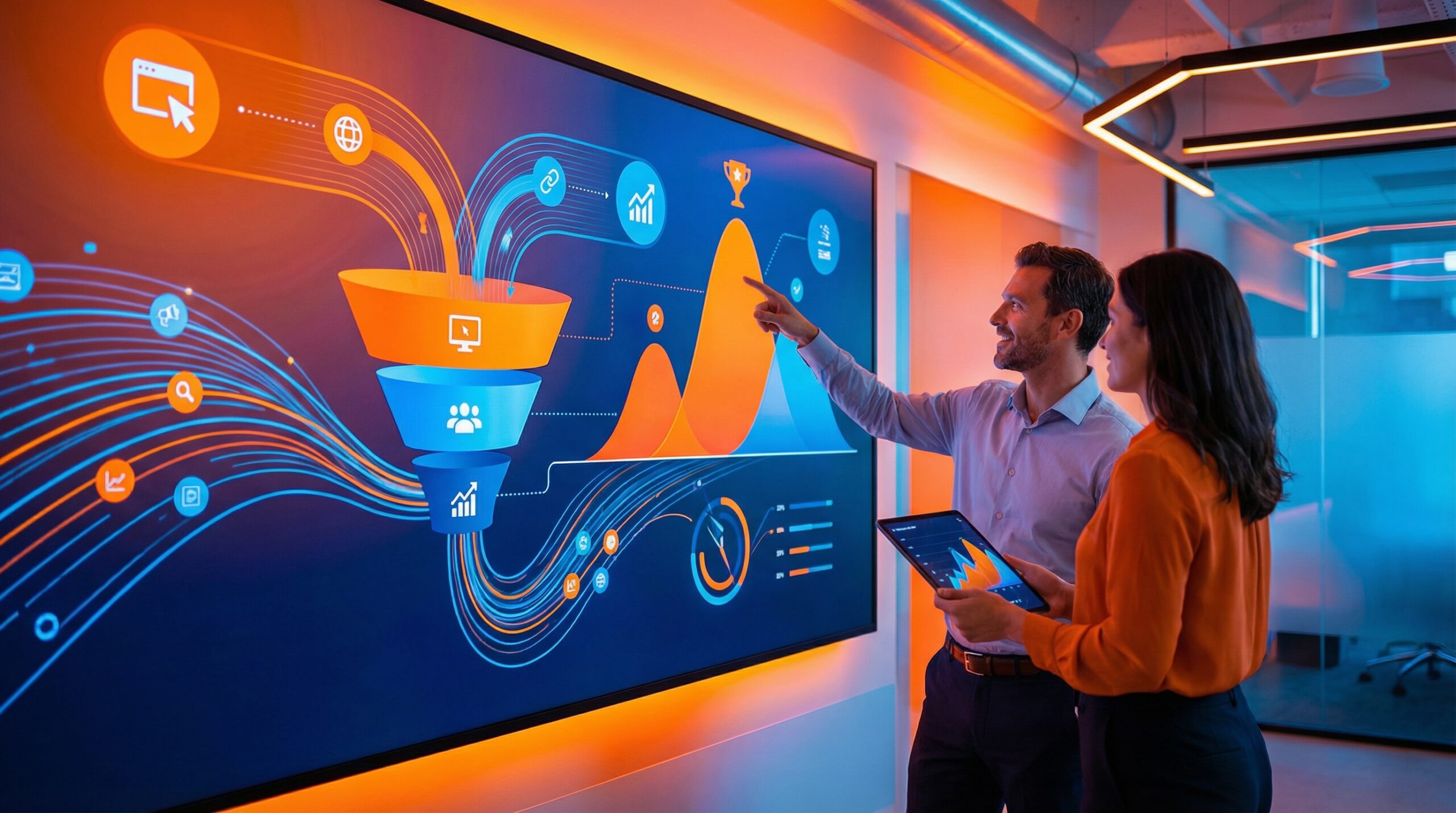
Create analytics, role coverage views and governance models that help leaders monitor readiness over time
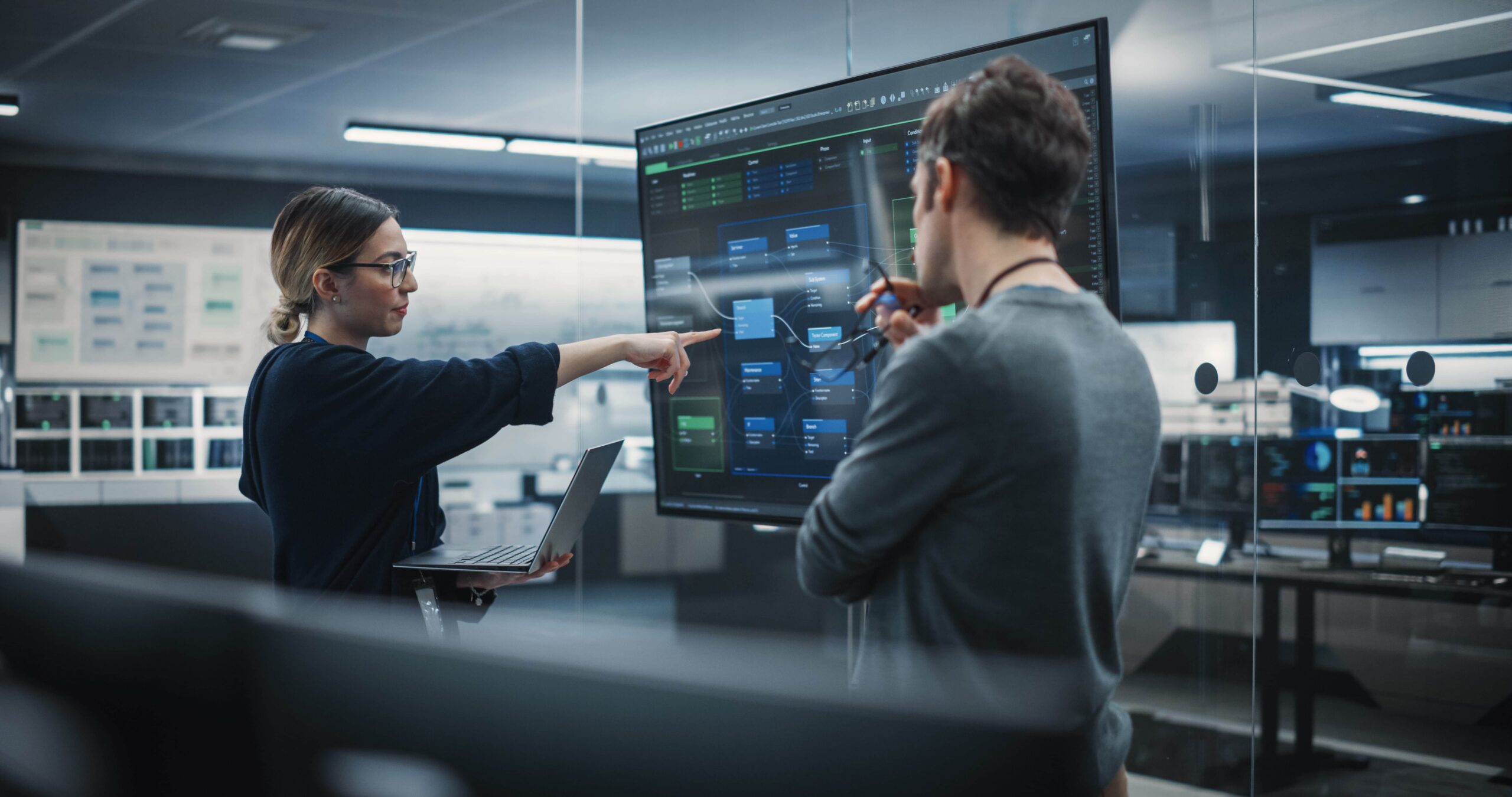
We don’t ask experienced people to “document everything” and disappear. We help turn their expertise into a living asset for the teams who follow


Succession planning helps rail organizations protect expertise, accelerate readiness and maintain operational standards as generations shift
clearer succession paths for roles that cannot remain exposed
faster readiness through structured learning and knowledge transfer
operational standards stay visible through governed skills and training
retirement risk becomes a managed signal, not a last-minute disruption
Protect rail expertise→