- All Foundries

- 商品管理と取引

- 顧客とマーケティング戦略

- デジタルエンジニアリング

- ステーション・スタジオ

- サプライチェーン&インダストリー5.0
- サステナビリティ

- Physical AI

- Next-Gen Infrastructure












Tailings risk starts with upstream mining decisions
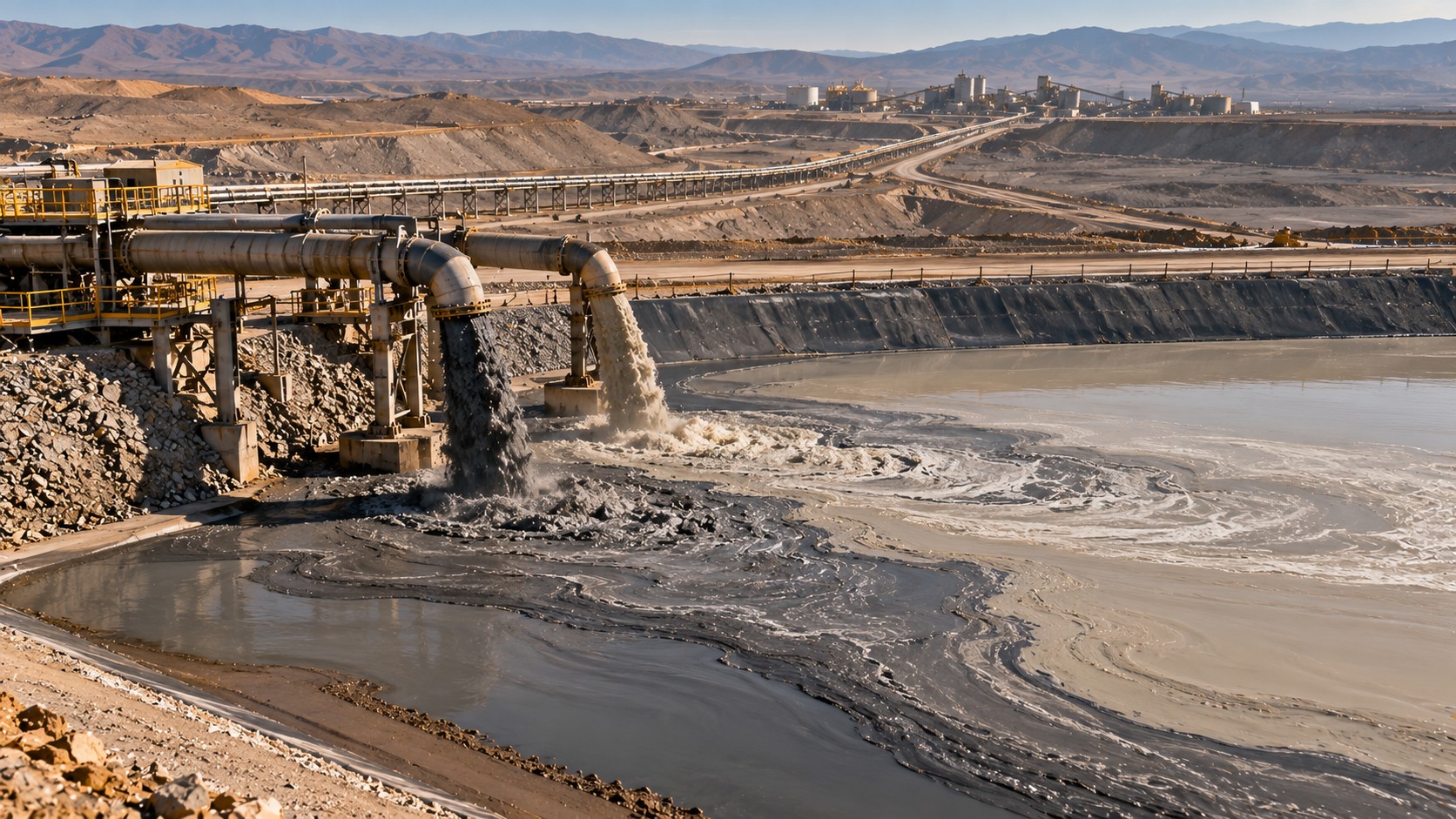
The tailings may contain more fines. Thickening behavior, rheology and water recovery can change. The slurry presented to transport and deposition is no longer the same material.
Some of the most useful tailings decisions can be made before the slurry reaches the tailings boundary.

A changing ore type or grind condition can be carried forward as an expected state for thickening, transport and deposition teams.
Thickener, water and tailings teams can see an emerging condition before it becomes only a downstream problem to absorb.
Plant teams can see when a local recovery or throughput decision is also changing dewatering, transport or water-return conditions.
The objective is not to make tailings constraints override metallurgy. It is to expose the trade-off while alternatives remain.
NTTデータのサポート体制は?
Identify where ore selection, grind targets, reagent strategy or water balance can change the condition received by thickening or deposition.
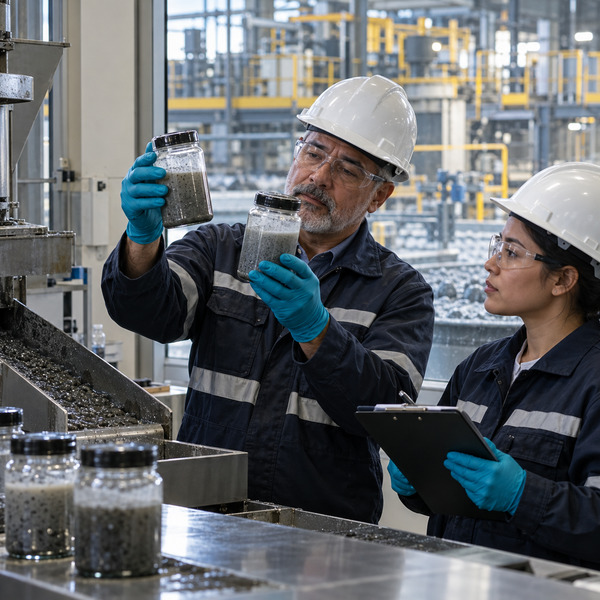
Link ore characteristics, grinding state, flotation conditions, solids balance and water-circuit data so tailings receive more than a flow rate.
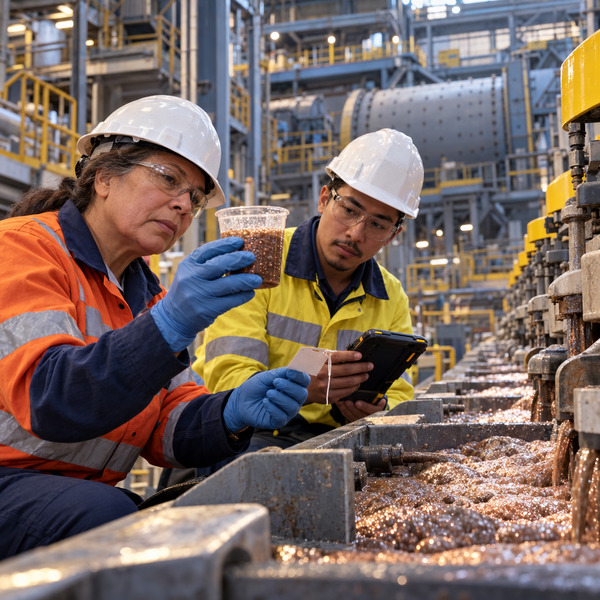
Use fit-for-purpose models to anticipate particle-size distribution, solids concentration, thickening response or transport condition.
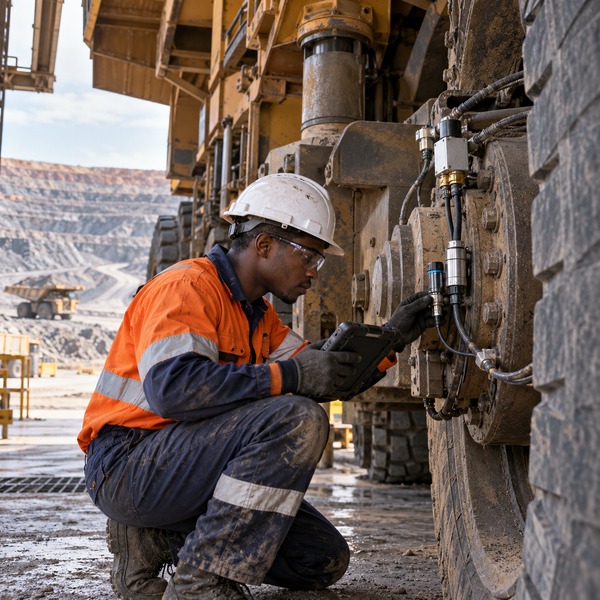
Decision support can expose trade-offs between recovery, throughput, grind, water recovery and tailings constraints while upstream levers remain.
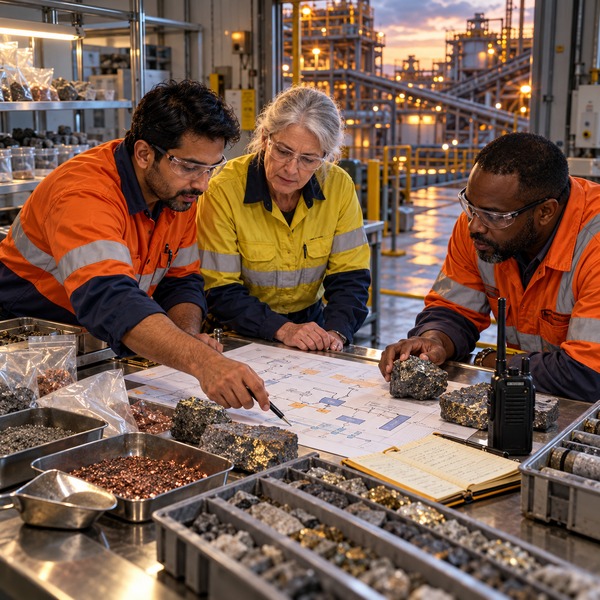
Make a material or process change visible to the teams that must prepare for its downstream effect before the slurry changes behavior.
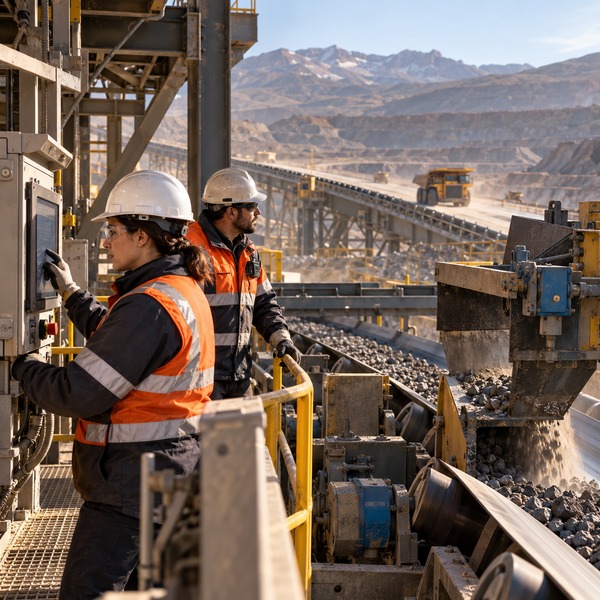
Link observed thickener, water-return, transport and deposition behavior back to upstream ore and process conditions for the next decision.
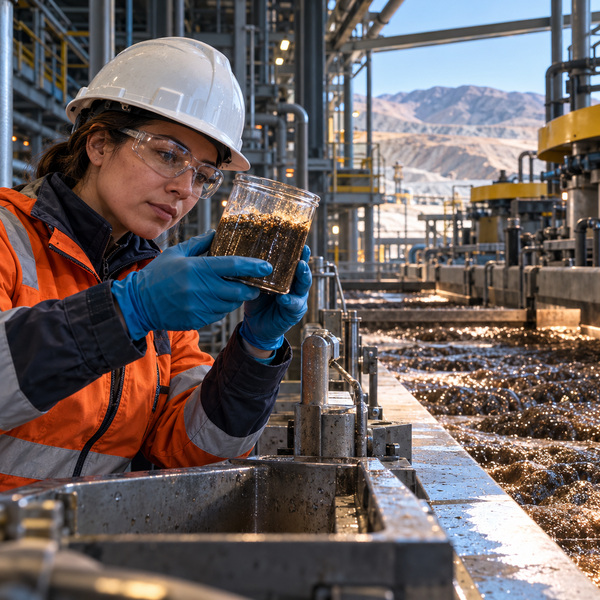
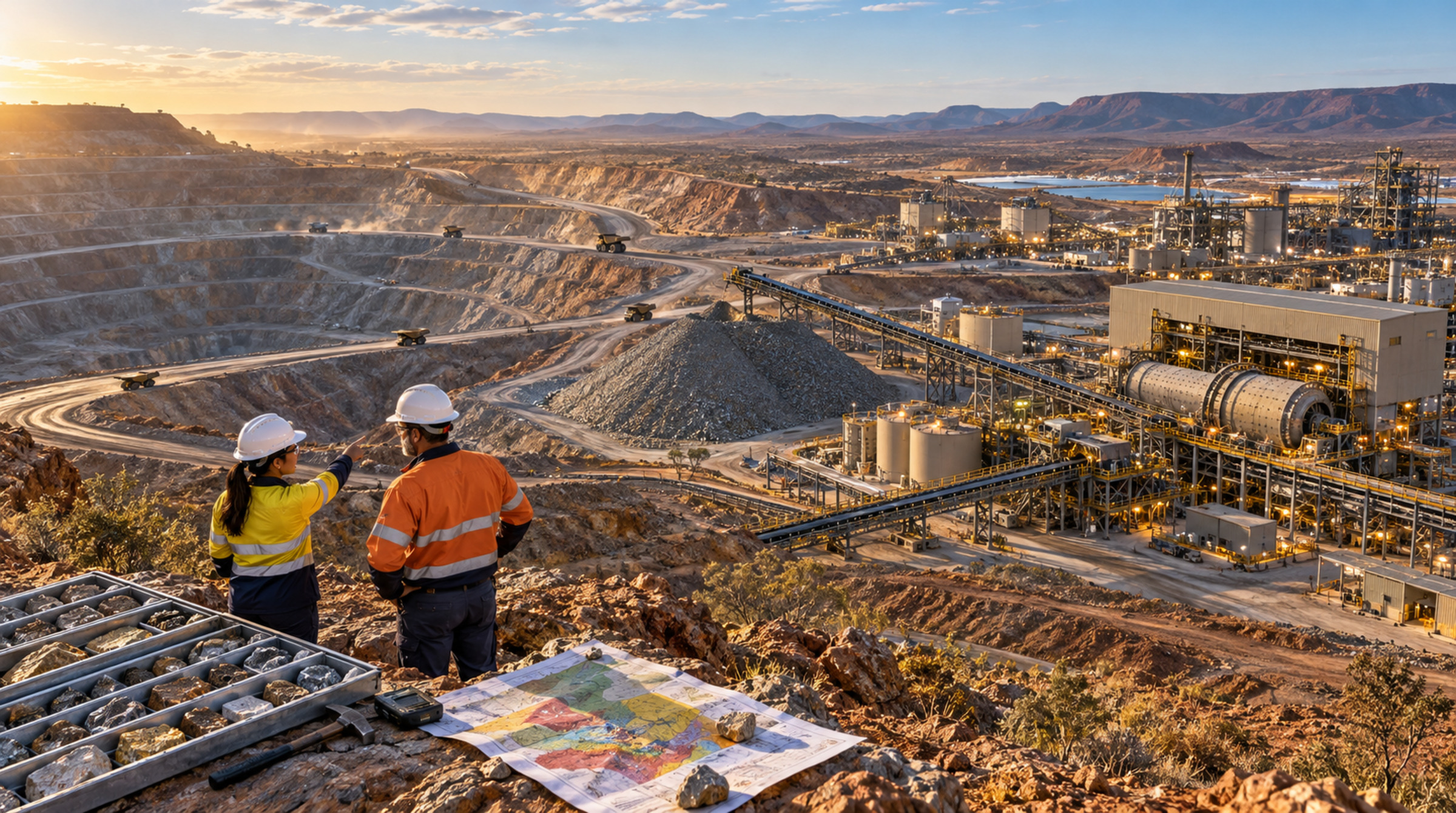
Langlois and Cipriano model thickeners with changing particle size; Castillo, Fawell and Costine show fines and water chemistry affect separation. Tailings receive particle size, chemistry and water created upstream.
By the time tailings arrive, many of their properties are already history. An integrated operation manages them earlier.
The tailings facility stops being treated as the place where the concentrator’s job ends, and becomes part of the same decision.
A tighter grind can be recognized as an emerging tailings condition before it reaches the thickener and changes slurry behavior.
A downstream response can return upstream as learning instead of remaining isolated as a tailings event for one team to handle.
Metallurgy, water and tailings are not collapsed into one function. Each specialty sees the consequences crossing its boundary.
Explore how connecting grind, flotation and water decisions with tailings conditions can reduce risk across mining operations.