- All Foundries

- 商品管理と取引

- 顧客とマーケティング戦略

- デジタルエンジニアリング

- ステーション・スタジオ

- サプライチェーン&インダストリー5.0
- サステナビリティ

- Physical AI

- Next-Gen Infrastructure











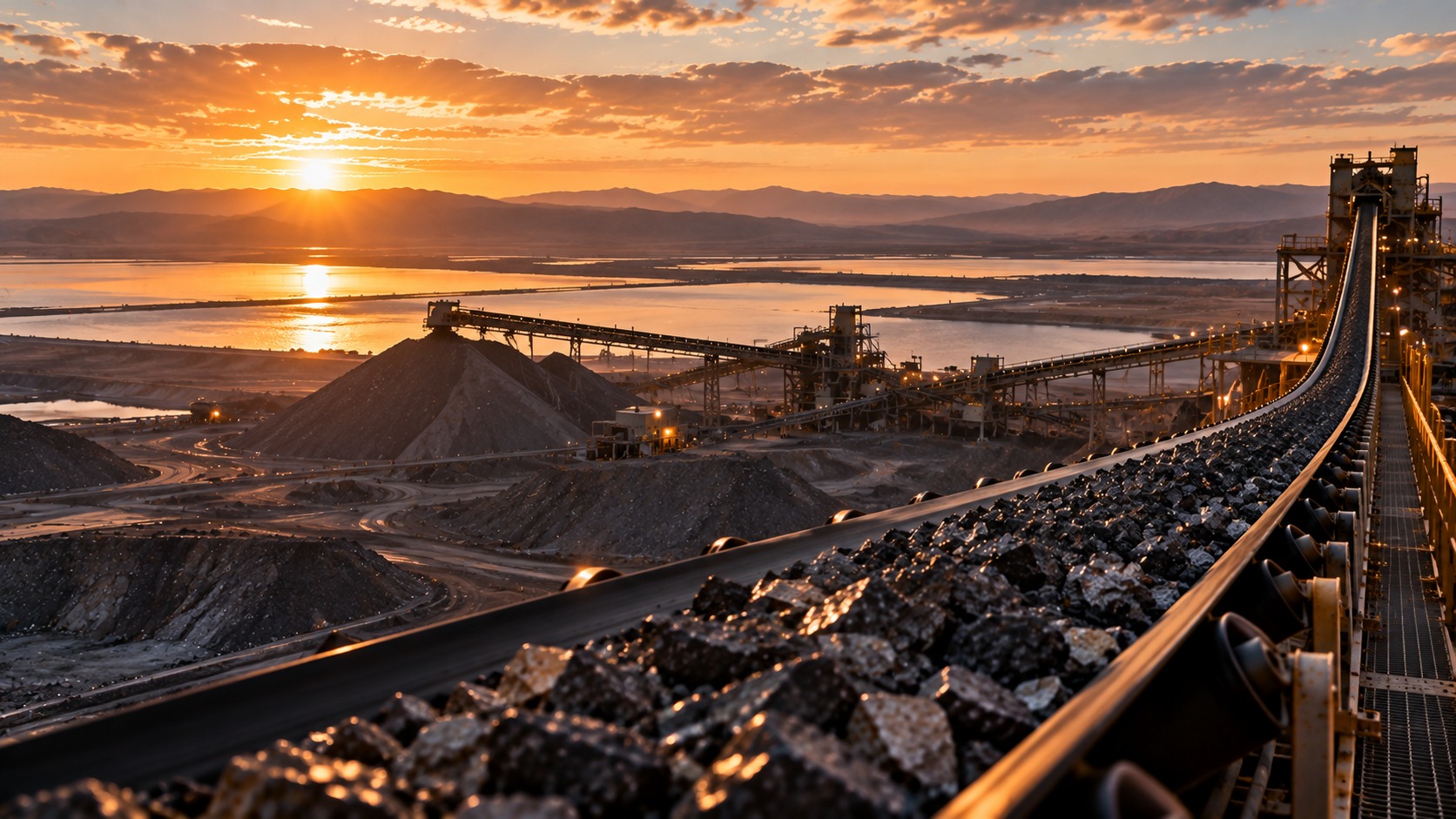
Mining blend optimization beyond the highest-grade ore
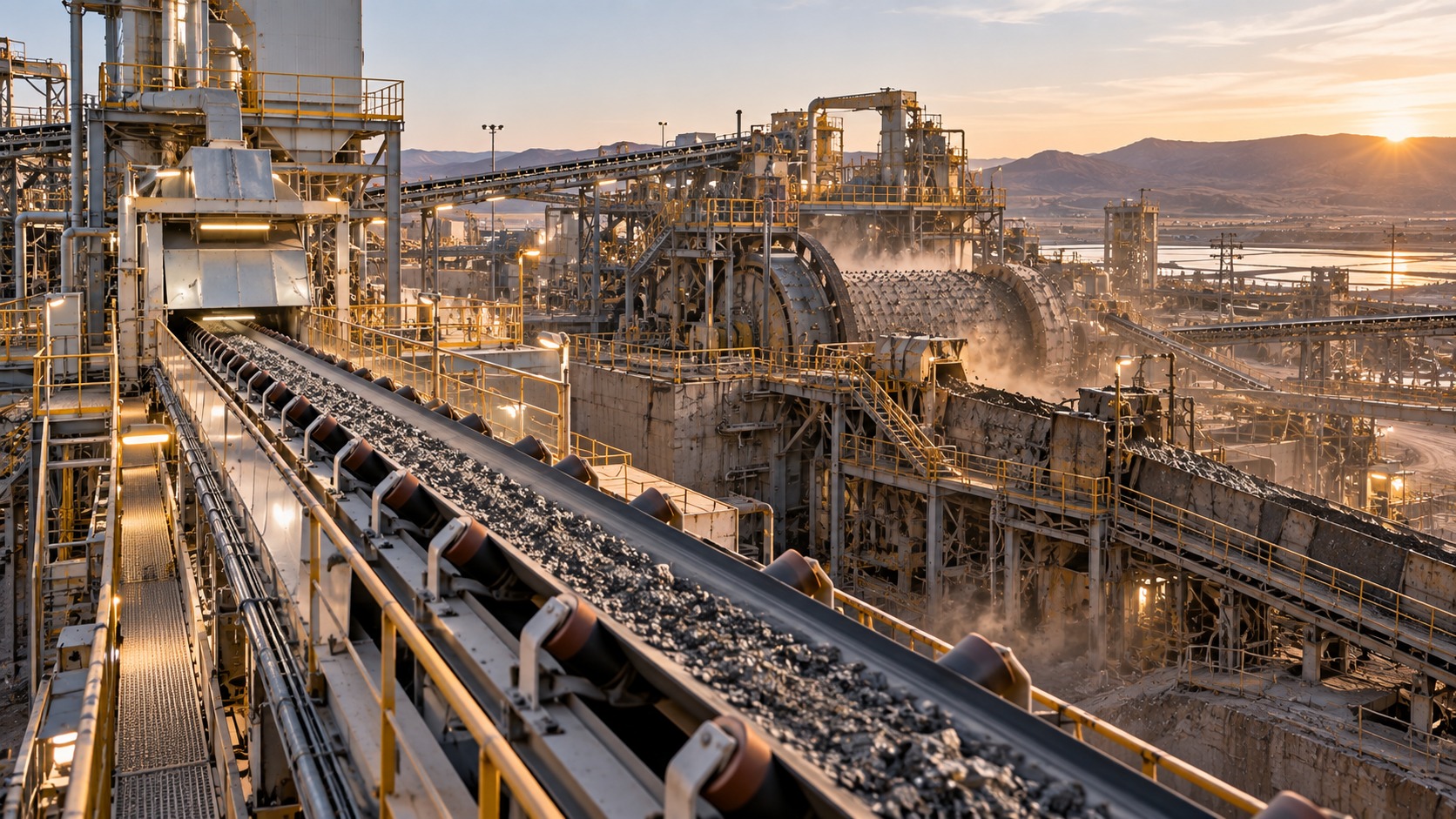
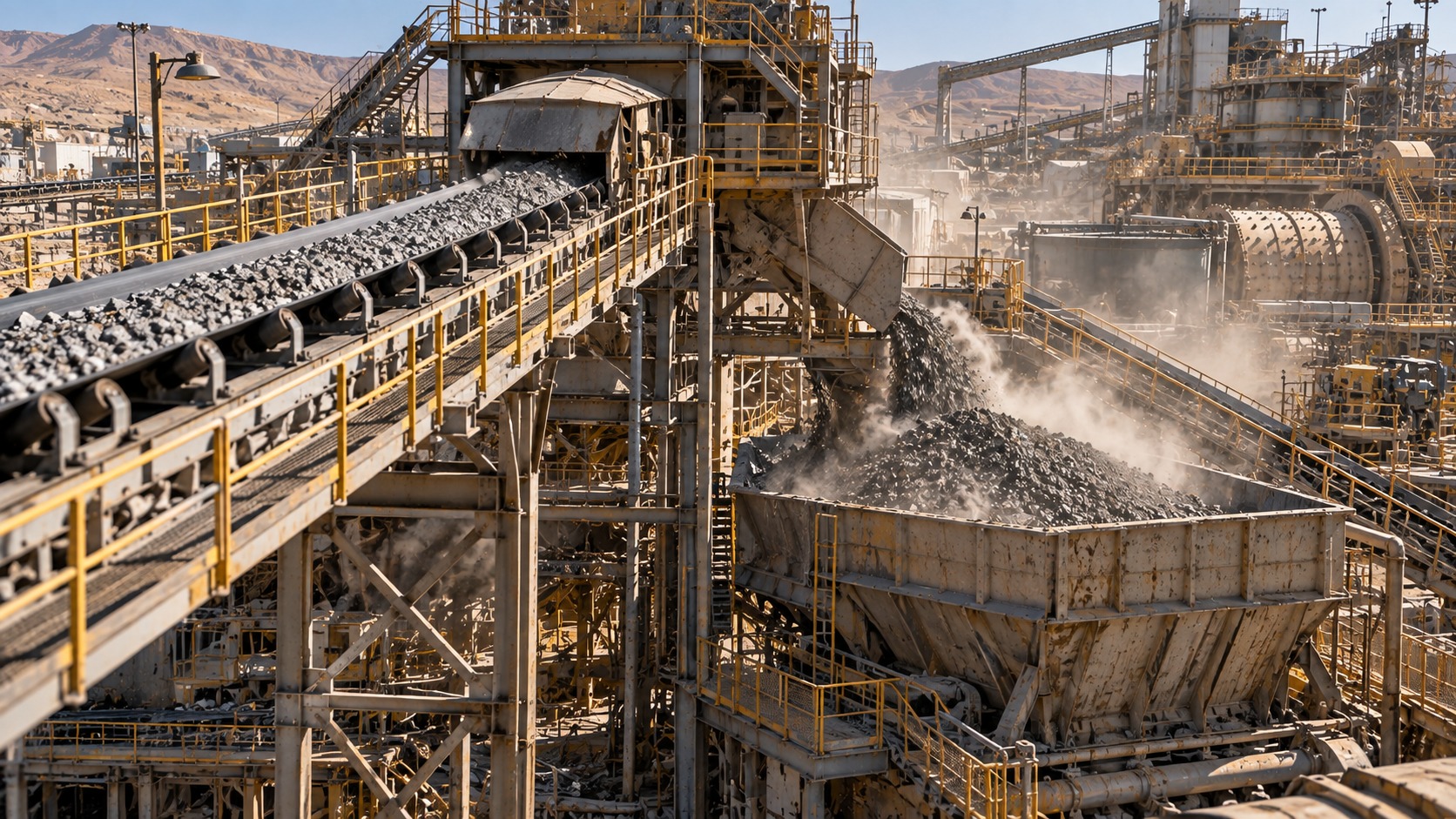
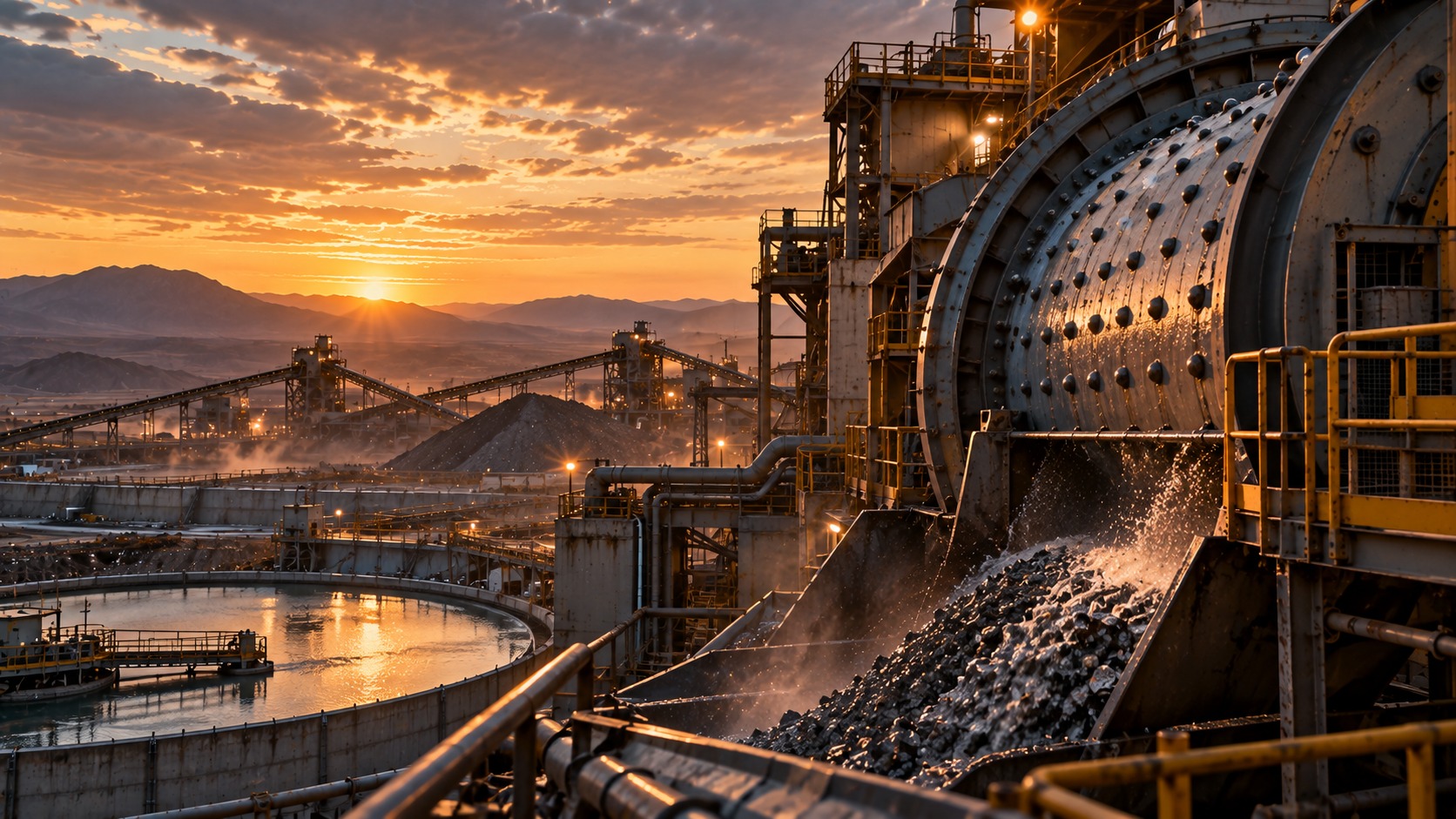
But the blend still has to be crushed, ground, floated and filtered through a plant whose constraints are changing. The apparent sacrifice at the feed could protect more chain value.
Geology and processing stop negotiating through grade alone.

When blending is treated as a chain-value decision, geology and processing stop negotiating through grade alone and share context.
Feasible blends are compared against ore characteristics, grinding capacity, expected metallurgical response and downstream constraints.
Material lineage connects what the plant later experiences back to the blend that created those conditions, closing the learning loop.
The objective is not to make grade less important. It is to stop asking grade to represent everything else the rock will do.
NTTデータのサポート体制は?
Make explicit the available ore sources, decision window, competing objectives, plant constraints and operational levers before material is committed.
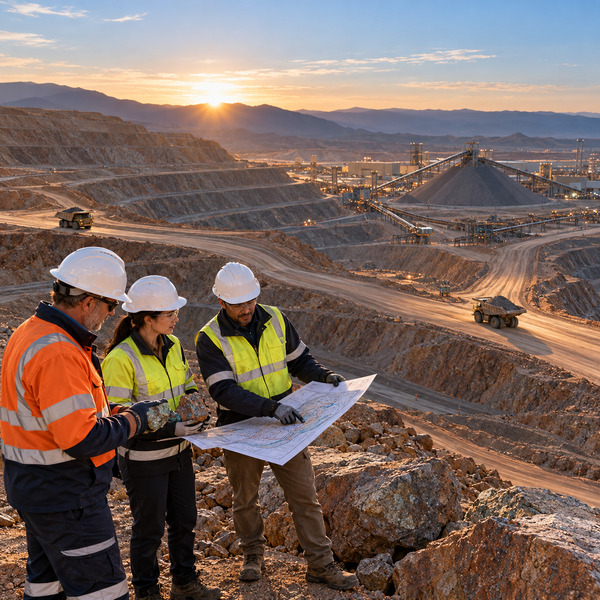
Connect geological and geometallurgical attributes, stockpile state and material lineage so the blend carries context as it moves to the plant.
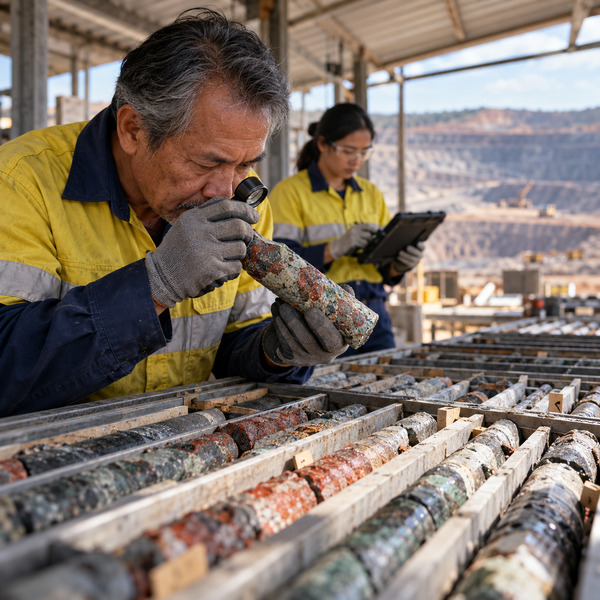
Use fit-for-purpose process models, simulation or predictive analytics to compare expected grinding and metallurgical response.
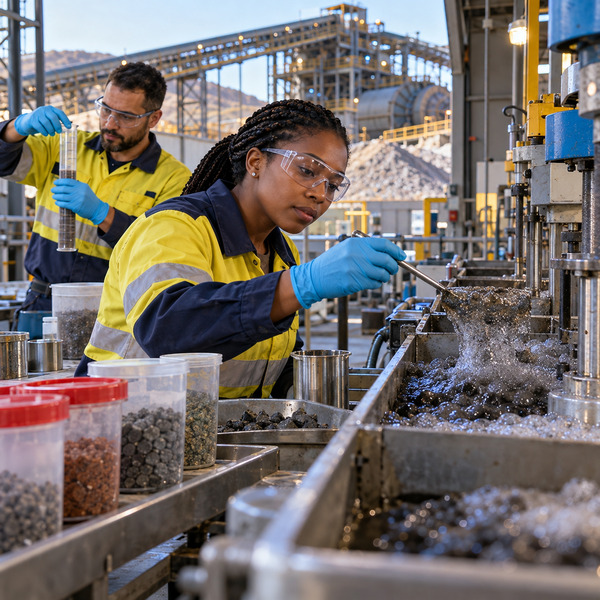
Decision support and optimization can expose the trade-offs between grade, throughput, recovery and other active constraints instead of maximizing one variable in isolation.
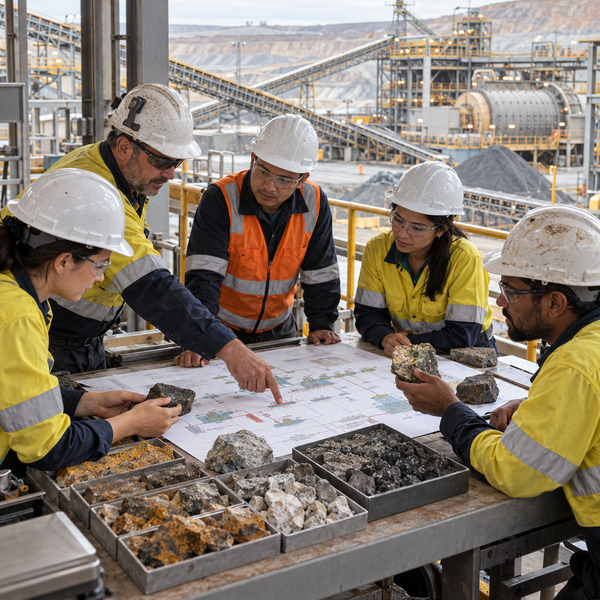
Connect the decision to mine planning, dispatch, stockpile reclaim and plant context so the material trajectory survives the handovers.
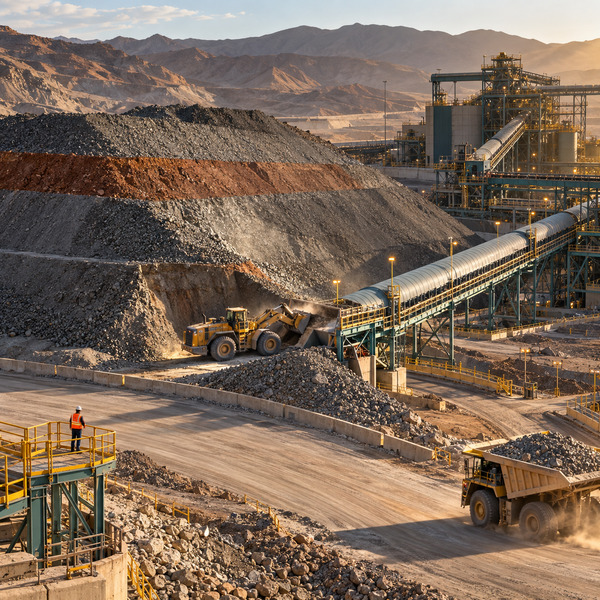
Compare predicted and observed response, preserve provenance, and feed the result back into geometallurgical models and the next blend.
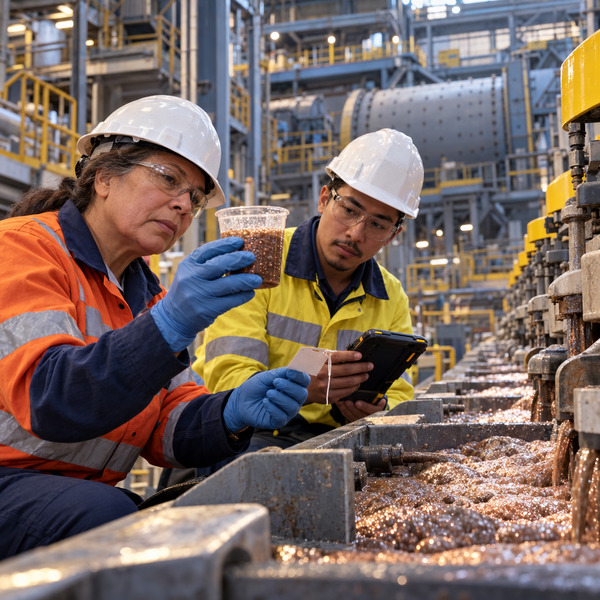
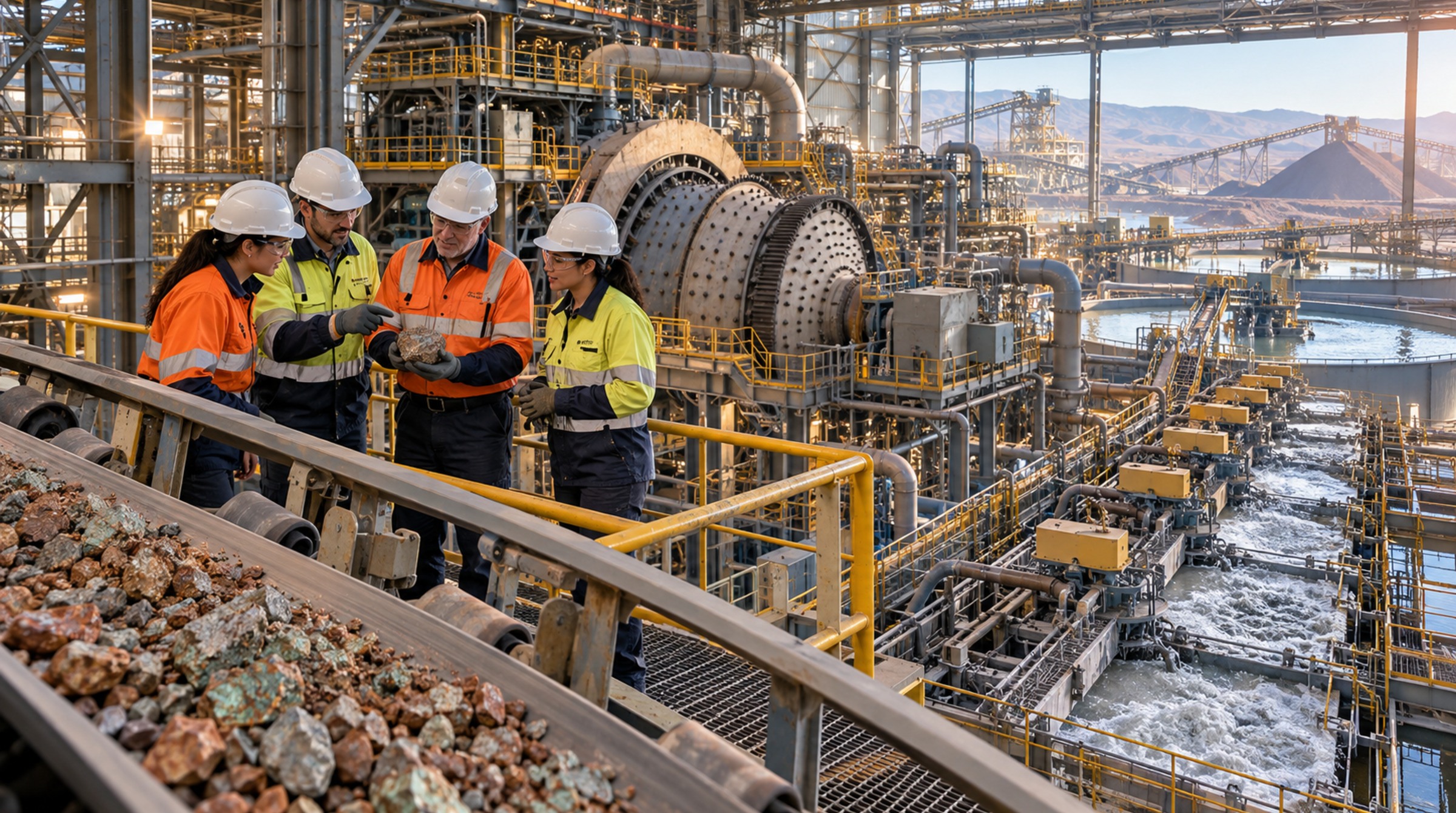
Dominy et al. identify blending as a way to manage difficult ore; Aaltonen et al. show a blend’s flotation behavior depends on more than head grade. Grade alone is an incomplete basis for the decision.
The best blend is the one the whole operation can turn into the best outcome under the conditions that exist now.
Higher head grade remains valuable when the chain can convert it into value through grinding, flotation and downstream processing.
The operation stops treating a blend as a single number and starts treating it as a material trajectory moving toward the plant.
Decision support exposes the trade-offs between grade, throughput, recovery and other constraints instead of maximizing one variable.
Predicted and observed response are compared, so each blending decision improves geometallurgical models and the next feed choice.
Explore how blending as a chain-value decision can protect throughput and recovery beyond the highest-grade ore in mining.