- All Foundries

- 商品管理と取引

- 顧客とマーケティング戦略

- デジタルエンジニアリング

- ステーション・スタジオ

- サプライチェーン&インダストリー5.0
- サステナビリティ

- Physical AI

- Next-Generation Infrastructure



Teleoperation of Critical Utility Assets
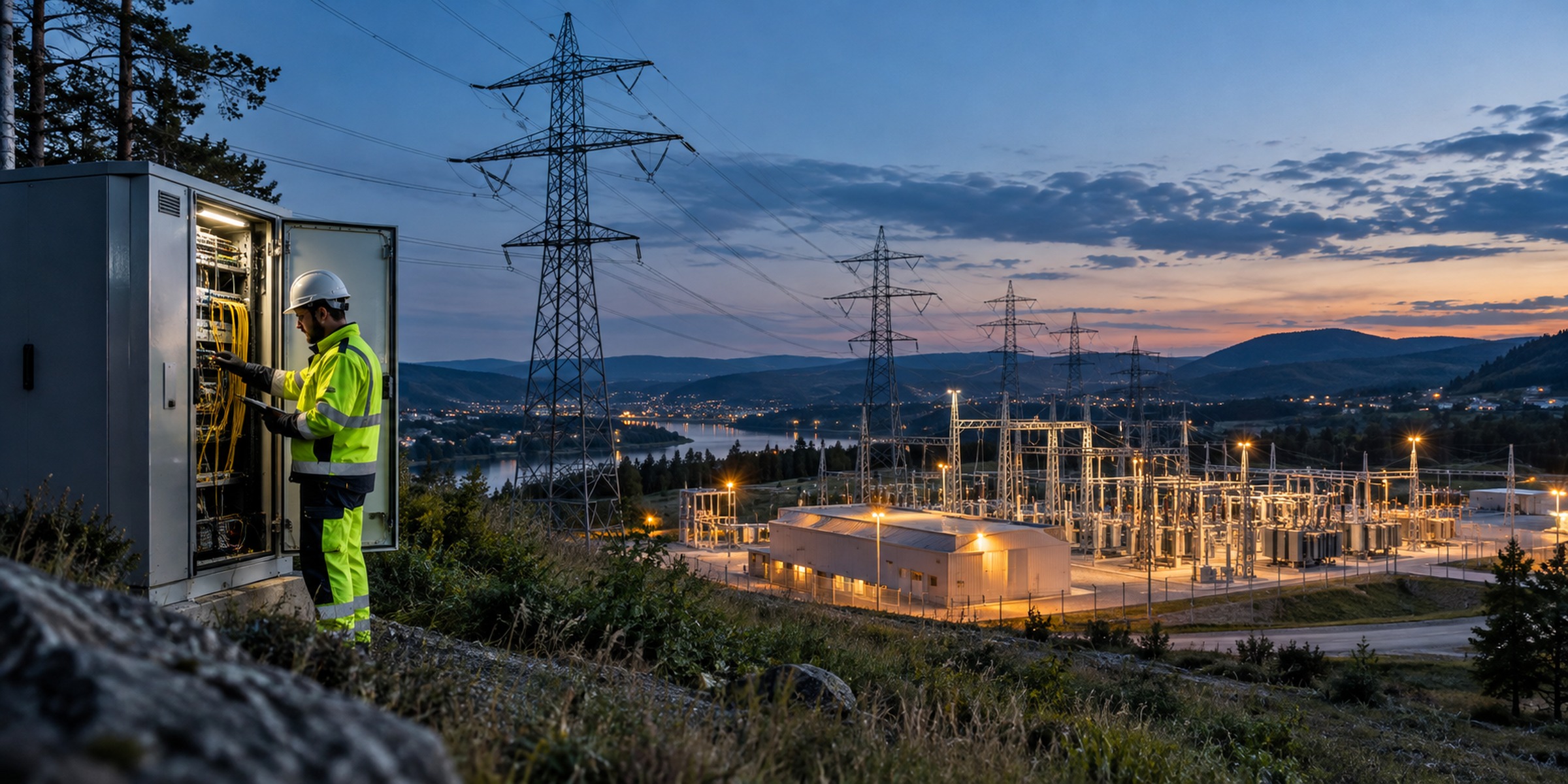
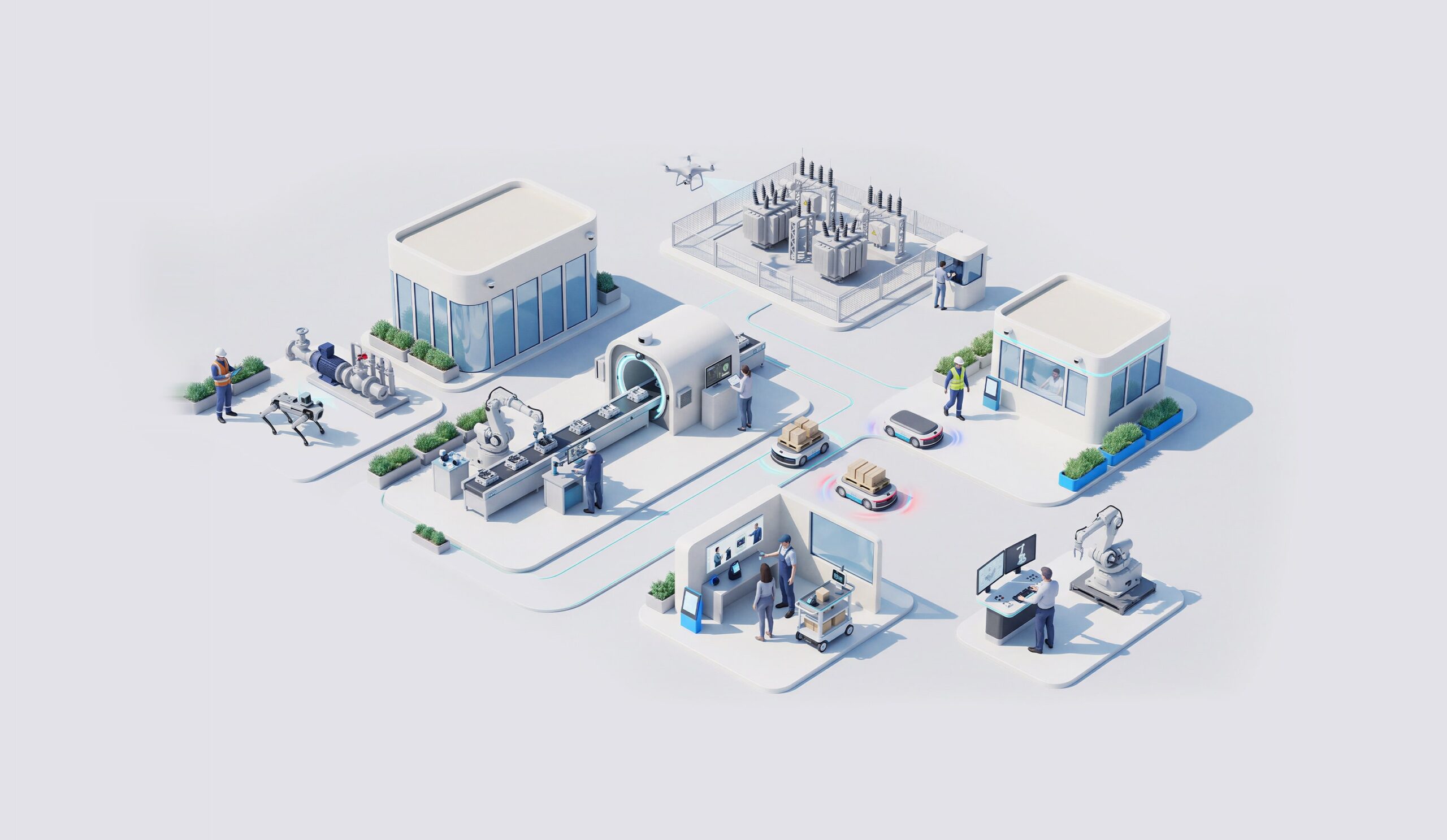
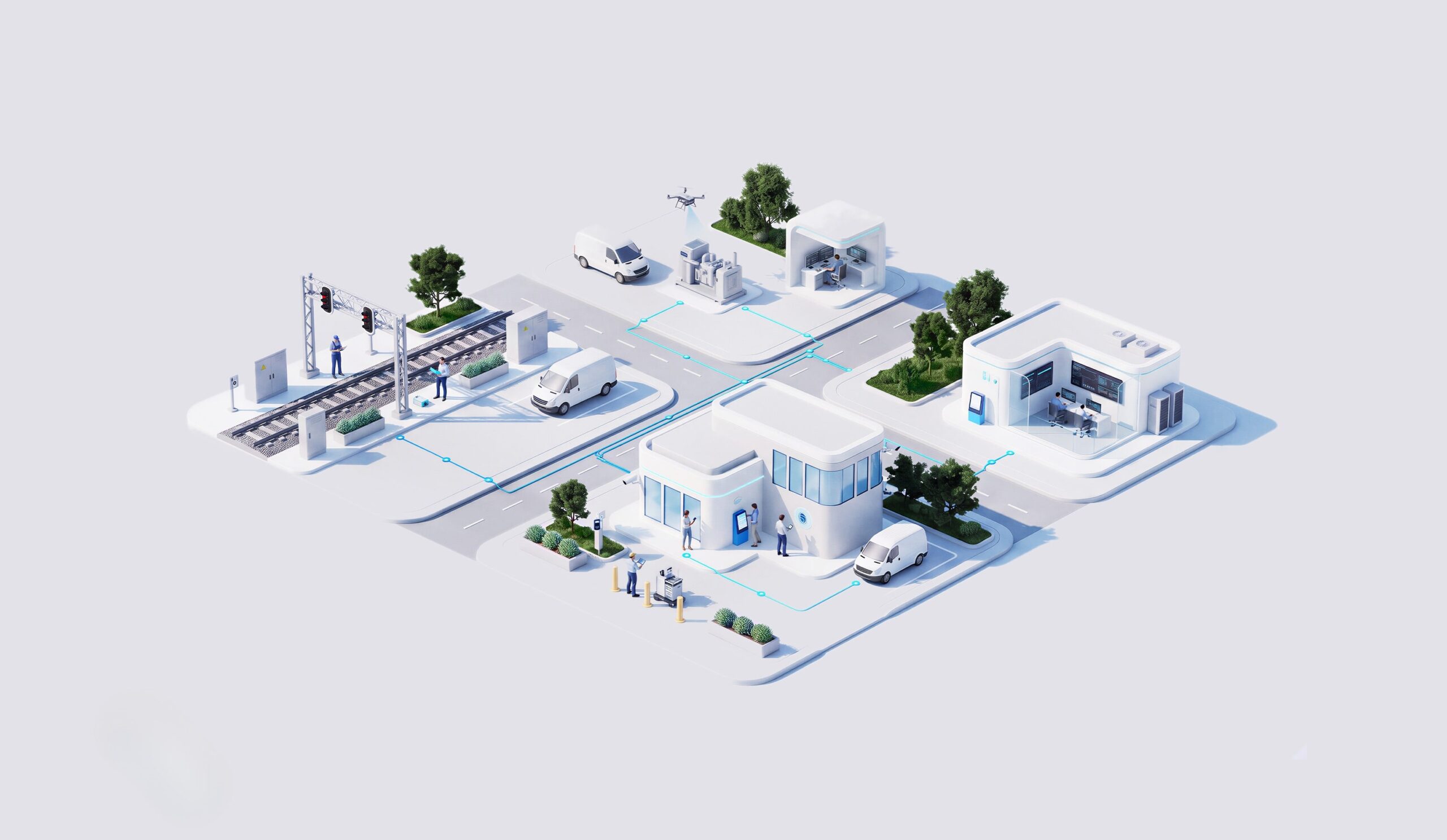
Teleoperation is most valuable where access is difficult, hazardous or slow, but the operating model must preserve safe states and human authority even as communications quality changes. Autonomous operation in critical infrastructure differs from factory automation: assets are remote, weather and terrain are unpredictable, and safe states must hold when a connection is lost, so boundaries between local autonomy, remote control and human intervention must be explicit.
A staged path from remote visibility to selective autonomy lets utilities reduce exposure while extending scarce expertise across more sites.

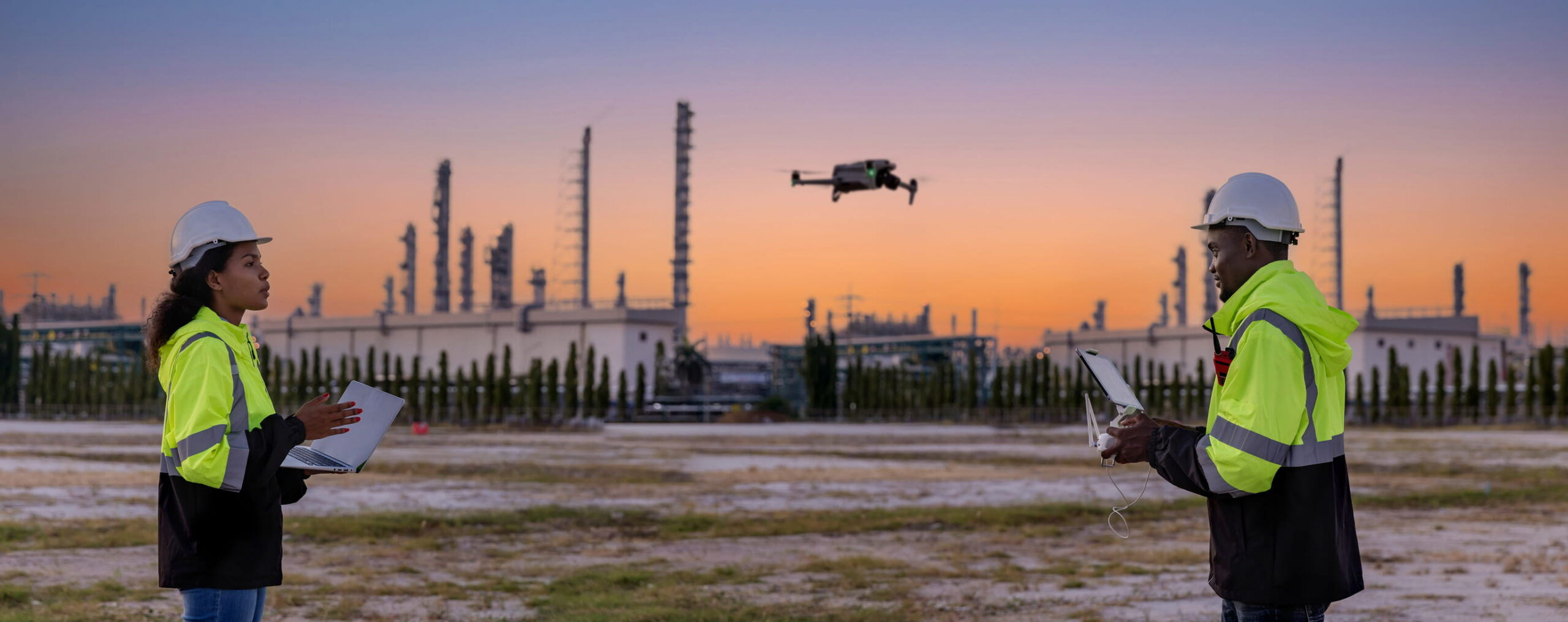
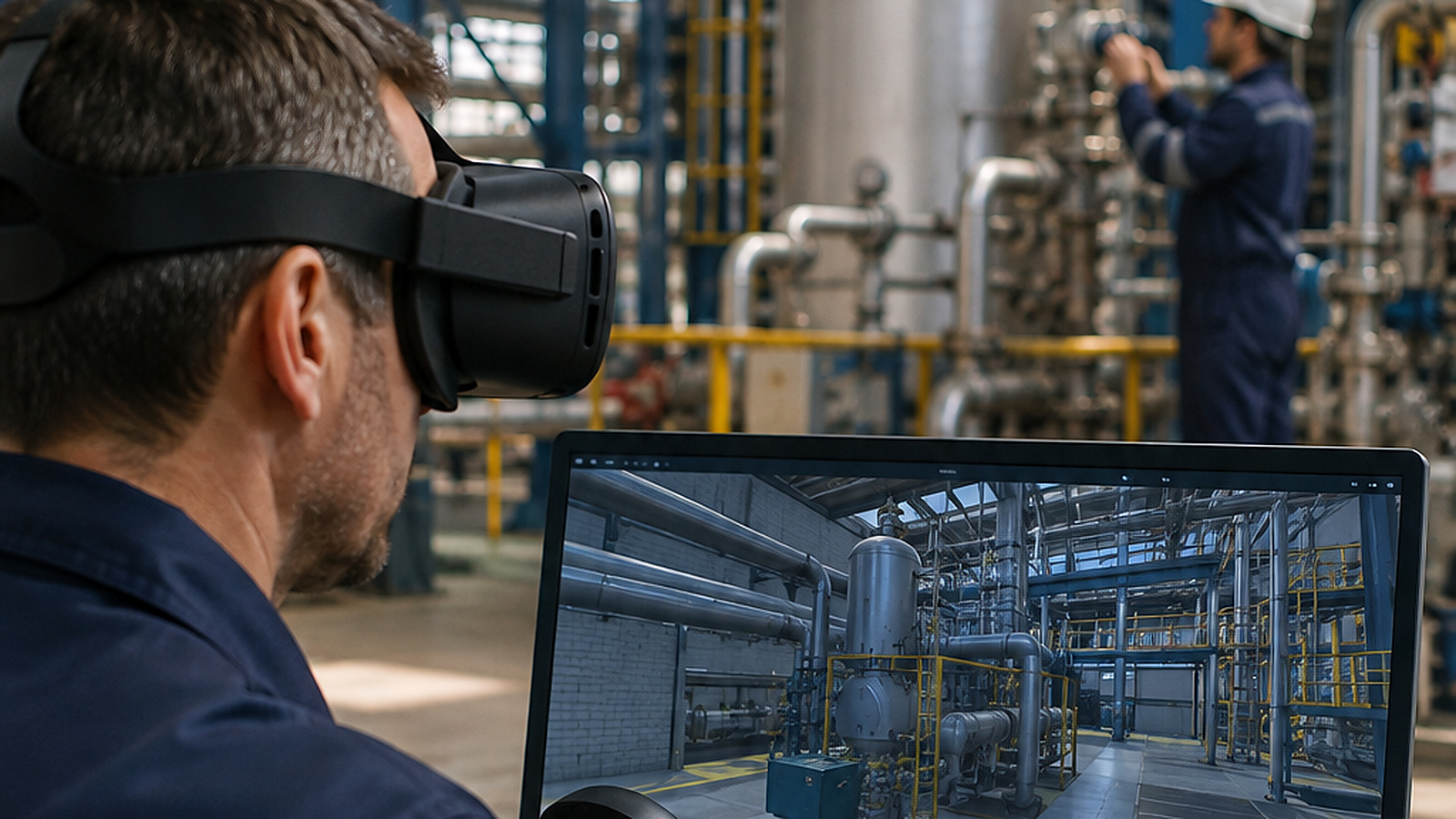
Remote sensing and teleoperation reduce the number of people exposed to hazardous or hard-to-reach work.
Remote assessment shortens inspection, response and intervention cycles instead of waiting for a crew to travel and arrive.
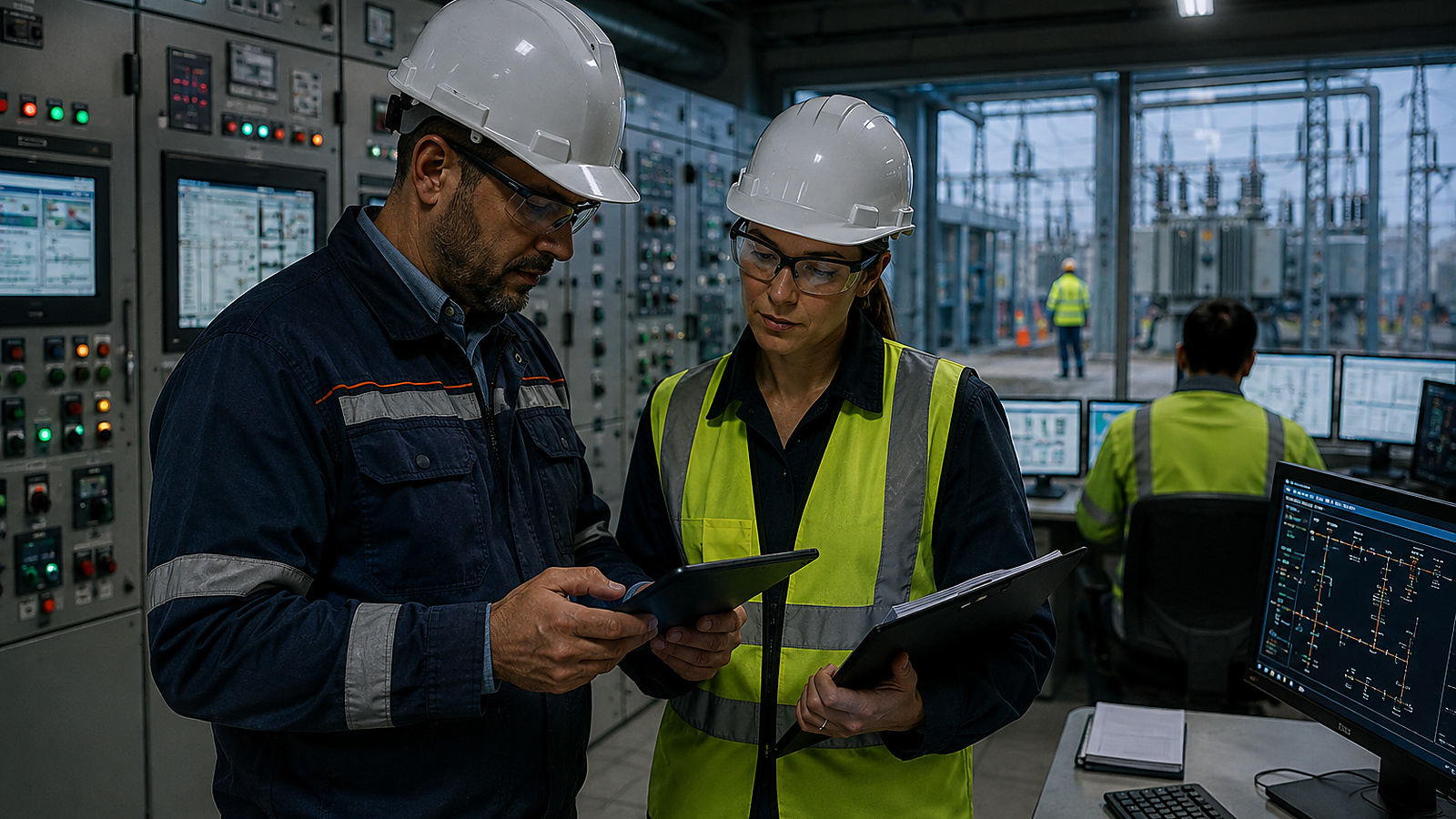
Remote operation extends scarce specialist expertise across more sites than any single expert could physically visit.
Utilities can progress from remote assistance to selective autonomy in stages, instead of committing to full automation at once.
NTTデータのサポート体制は?
NTT DATA selects assets and tasks with measurable remote-operation value instead of pursuing automation for its own sake.
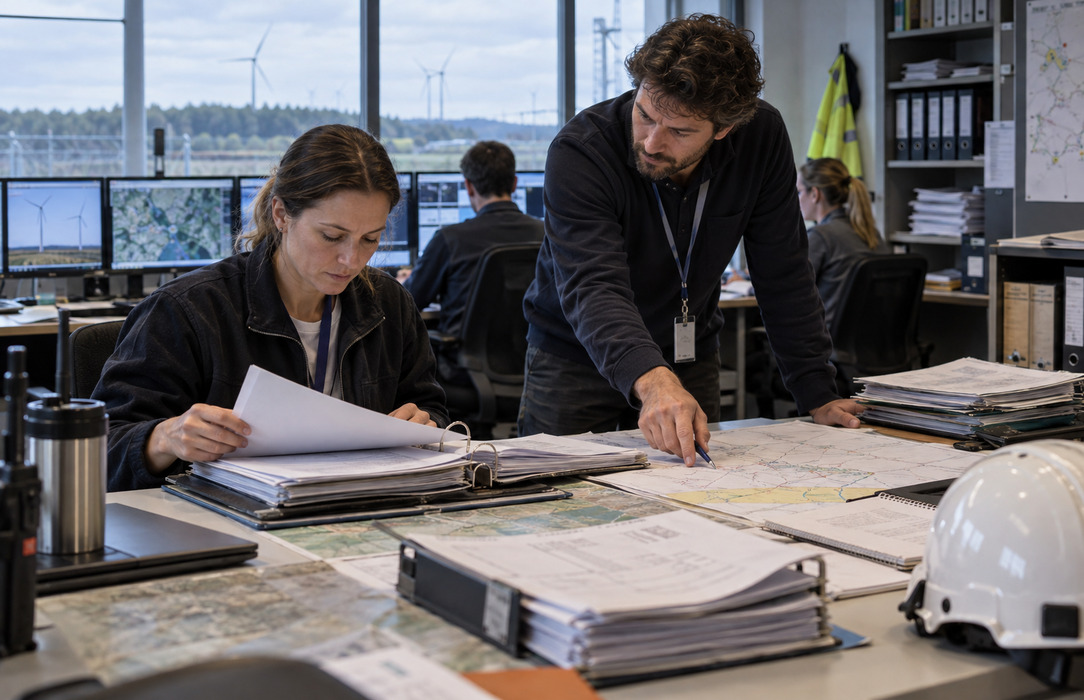
Low-latency, resilient connectivity and edge control are designed so remote operators keep situational awareness even as conditions change.
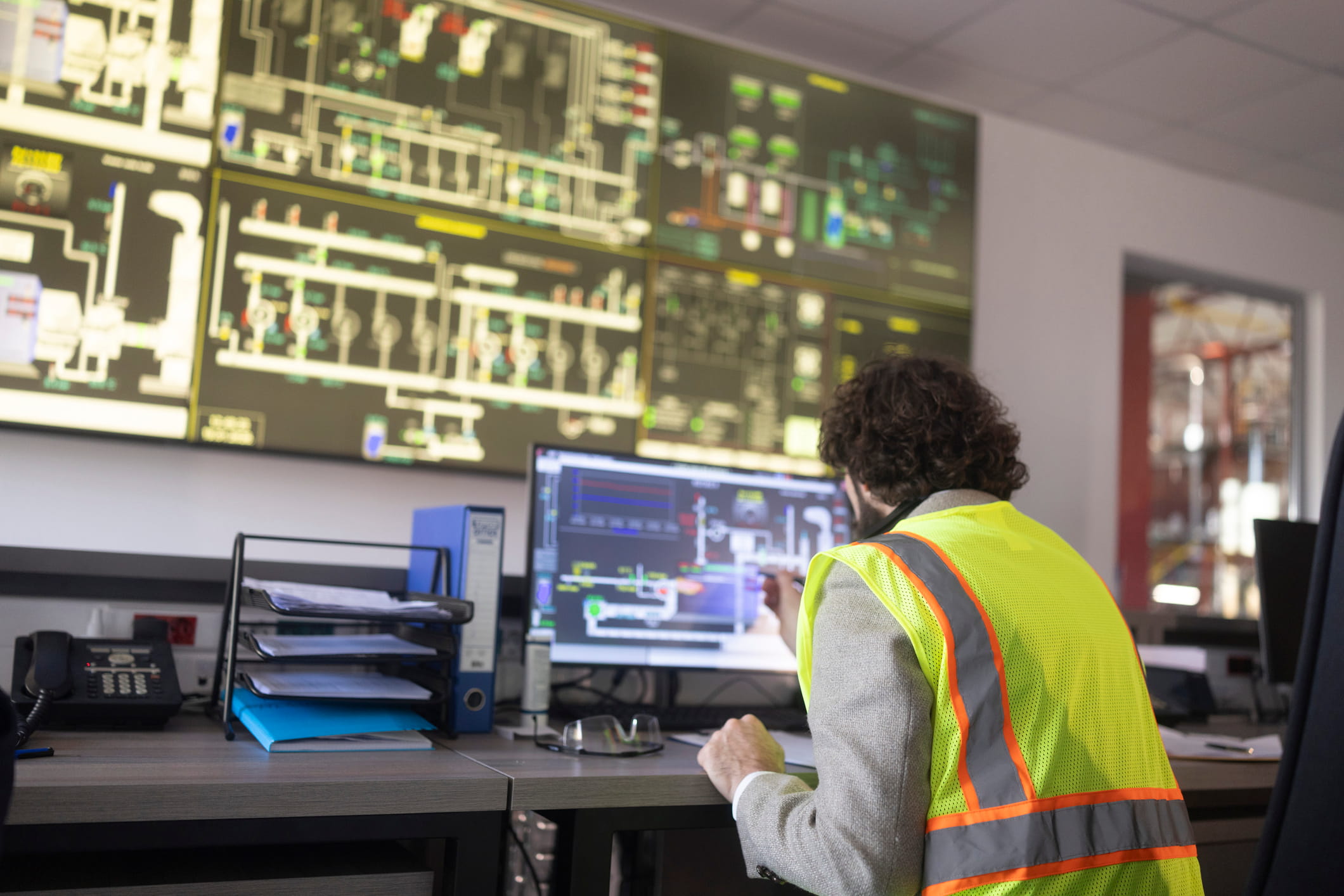
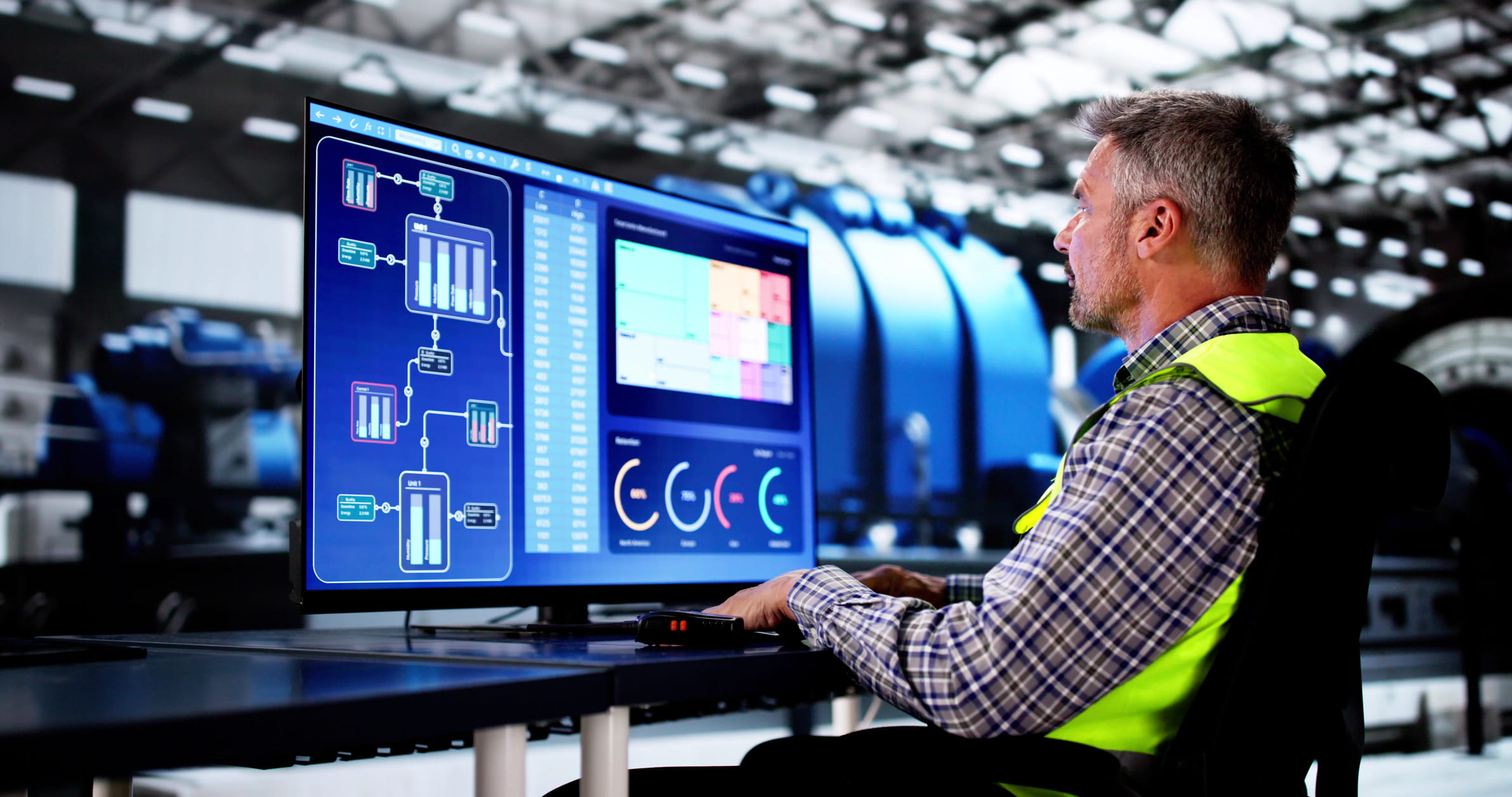
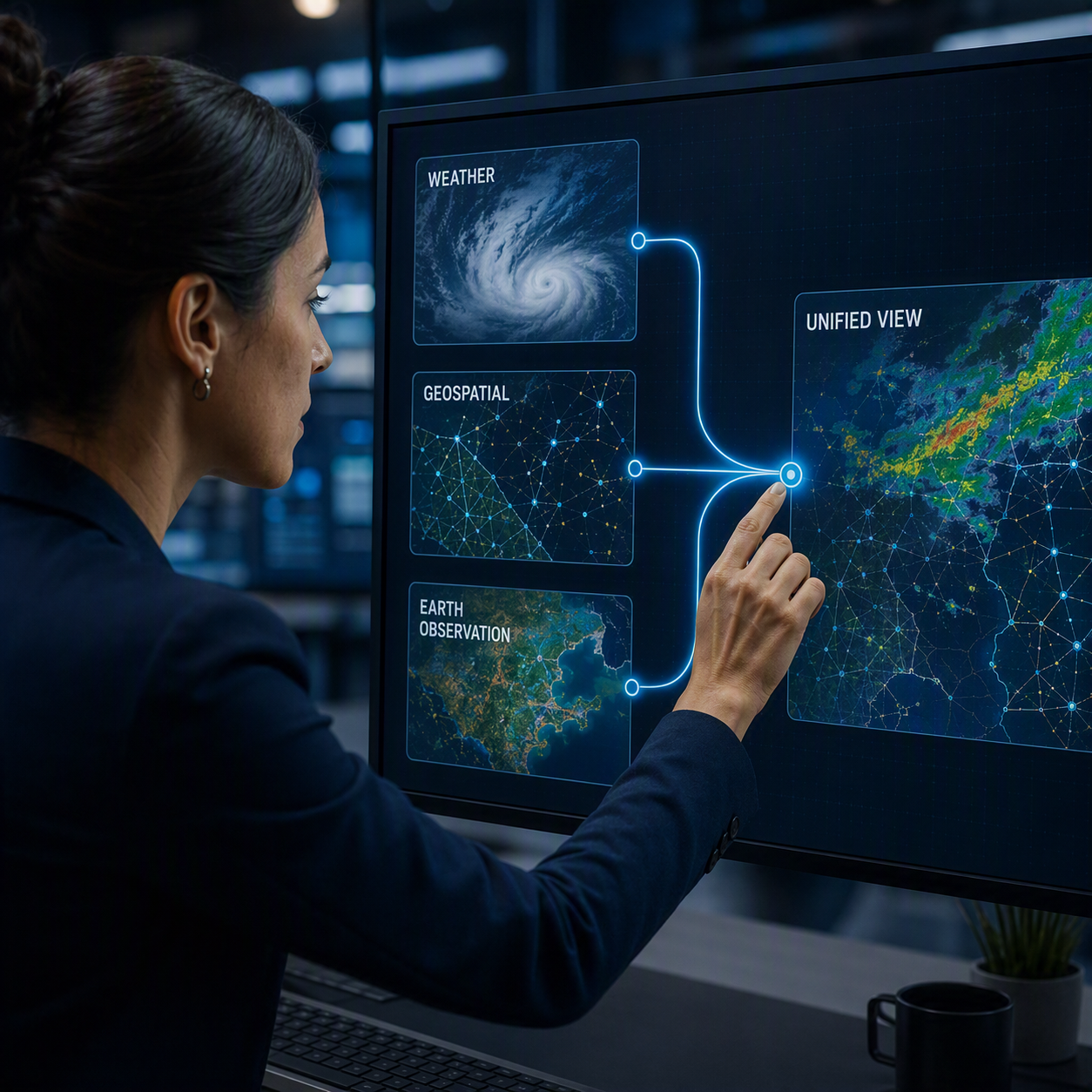
OT control, video, sensors and operator interfaces are integrated so remote teams work from one coherent operational picture
Fail-safe controls, human override and governance are implemented so safe states hold even when a connection is lost.

The shift from remote visibility to assisted operation, automation and selective autonomy is sequenced, preserving fallback modes at every stage.
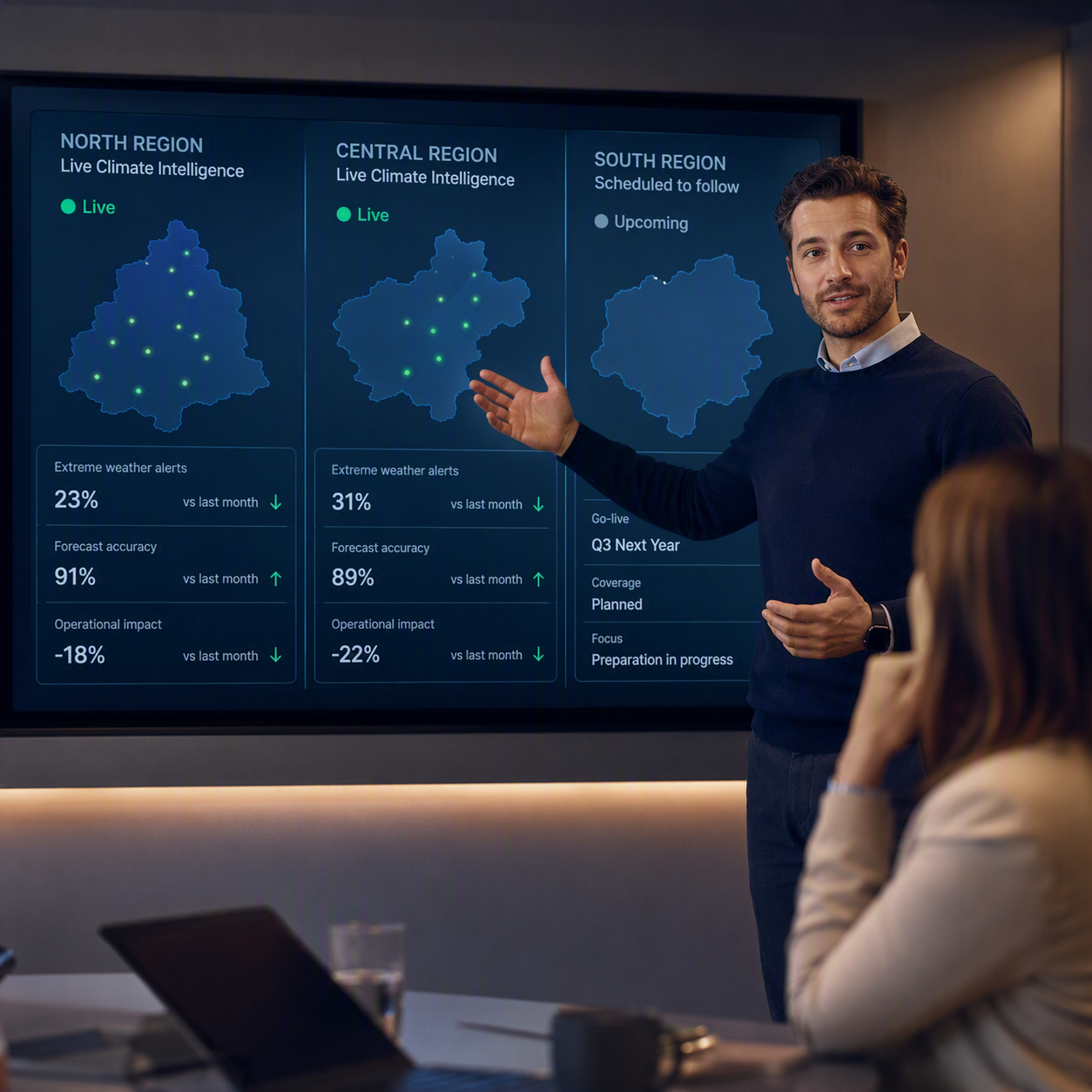
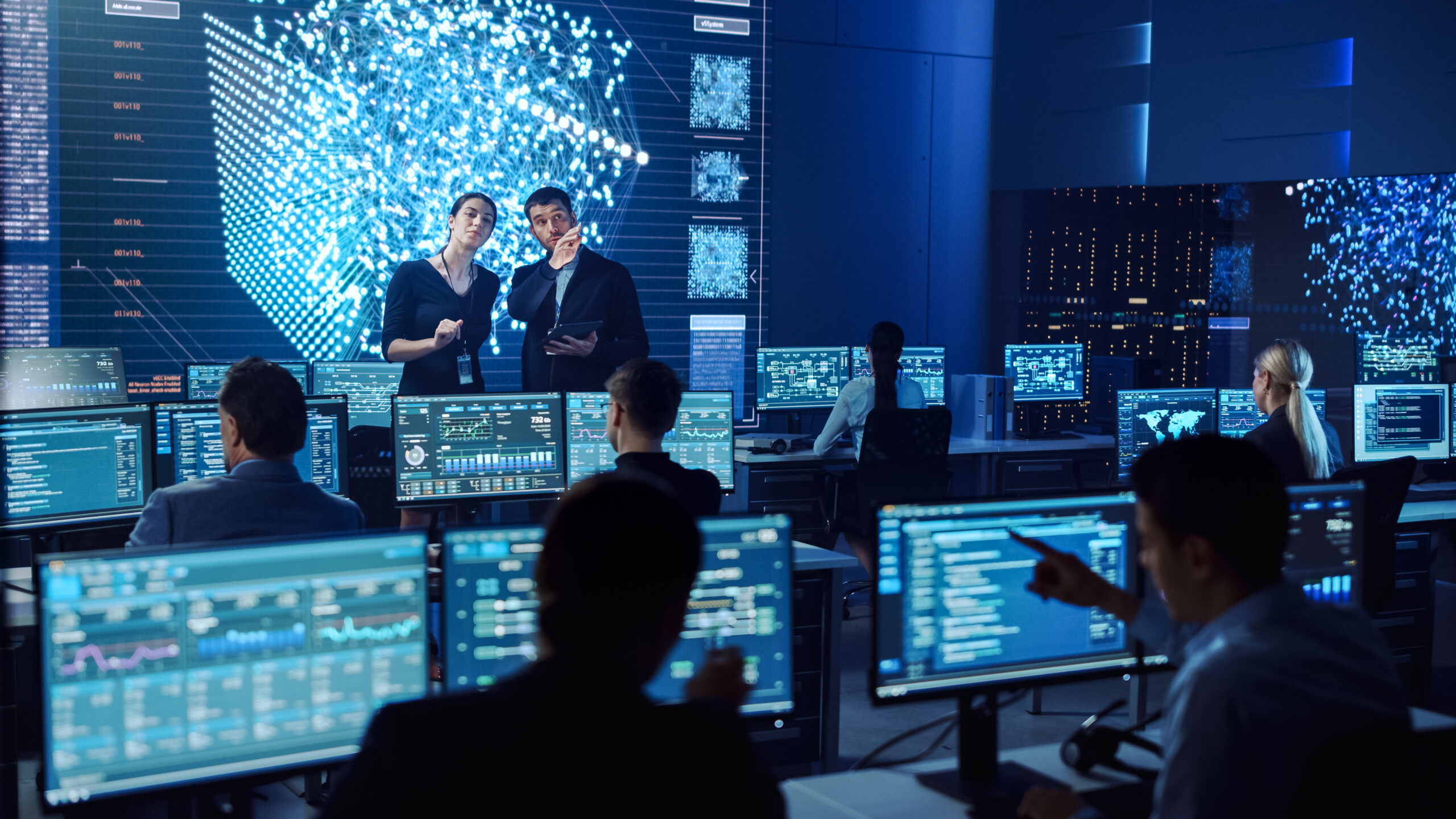
Indicative objectives depend on asset type, terrain, autonomy level and operator readiness, with actual results varying by regulatory approval and communications reliability.
Inspection and response cycle time is measured end to end, from event detection to the moment intervention actually begins.
Worker exposure to hazardous tasks is tracked directly, showing how much manual site work teleoperation actually removes.
Autonomous mission success and exception rates are monitored so confidence in unsupervised operation grows on evidence, not assumption.
Remote-operation availability is tracked from baseline through target, so teams know it holds up under real conditions, not just in testing.
Design connectivity, edge control and fail-safe governance so remote teams can act with confidence, wherever the asset actually is.