- All Foundries

- 商品管理と取引

- 顧客とマーケティング戦略

- デジタルエンジニアリング

- ステーション・スタジオ

- サプライチェーン&インダストリー5.0
- サステナビリティ

- Physical AI

- Next-Generation Infrastructure

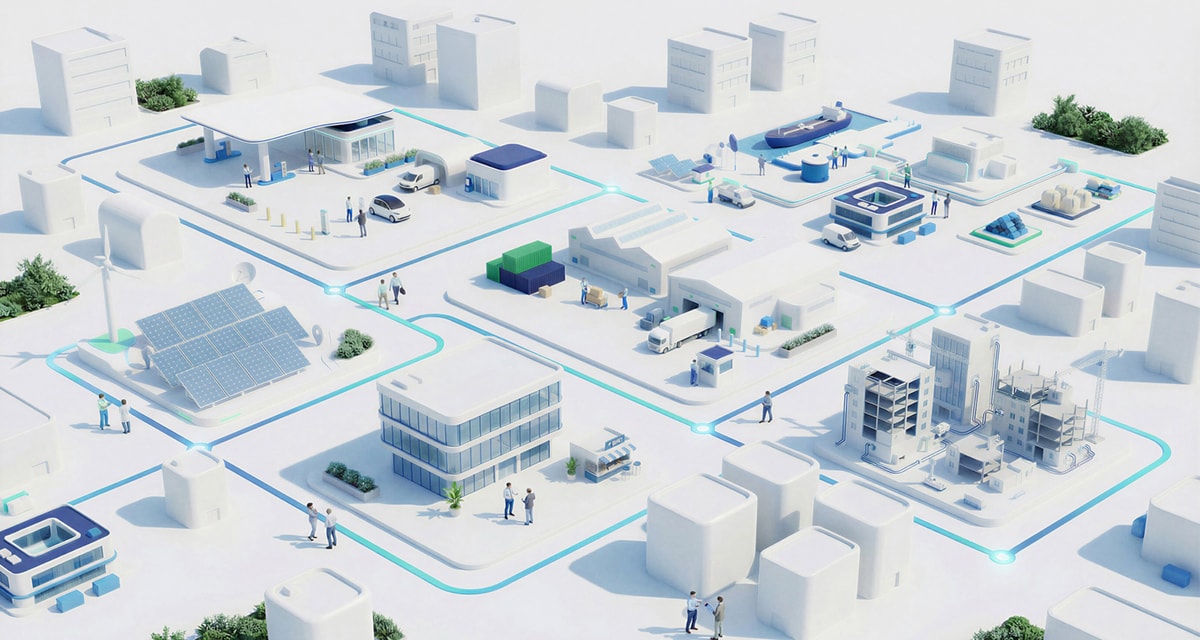

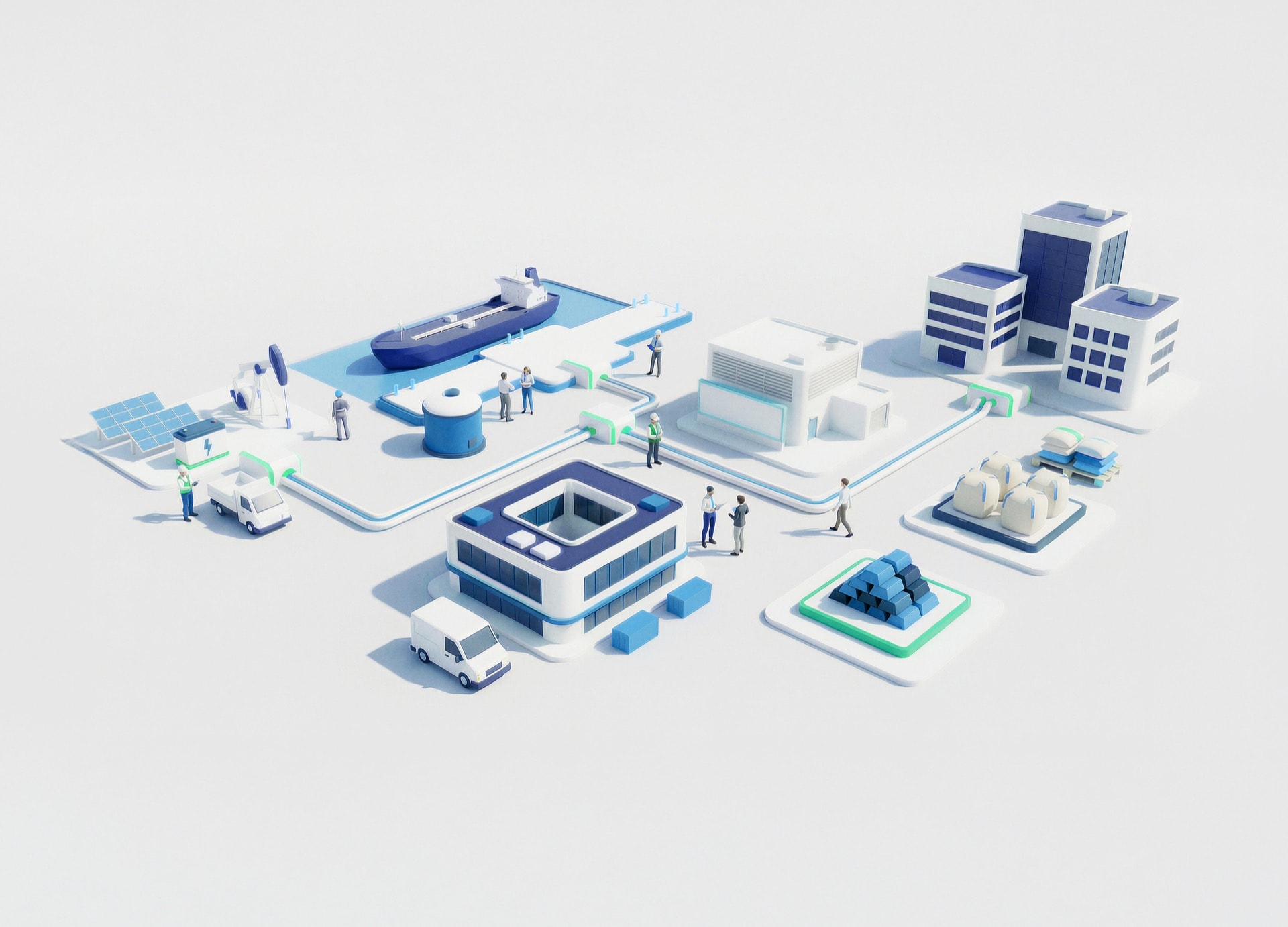

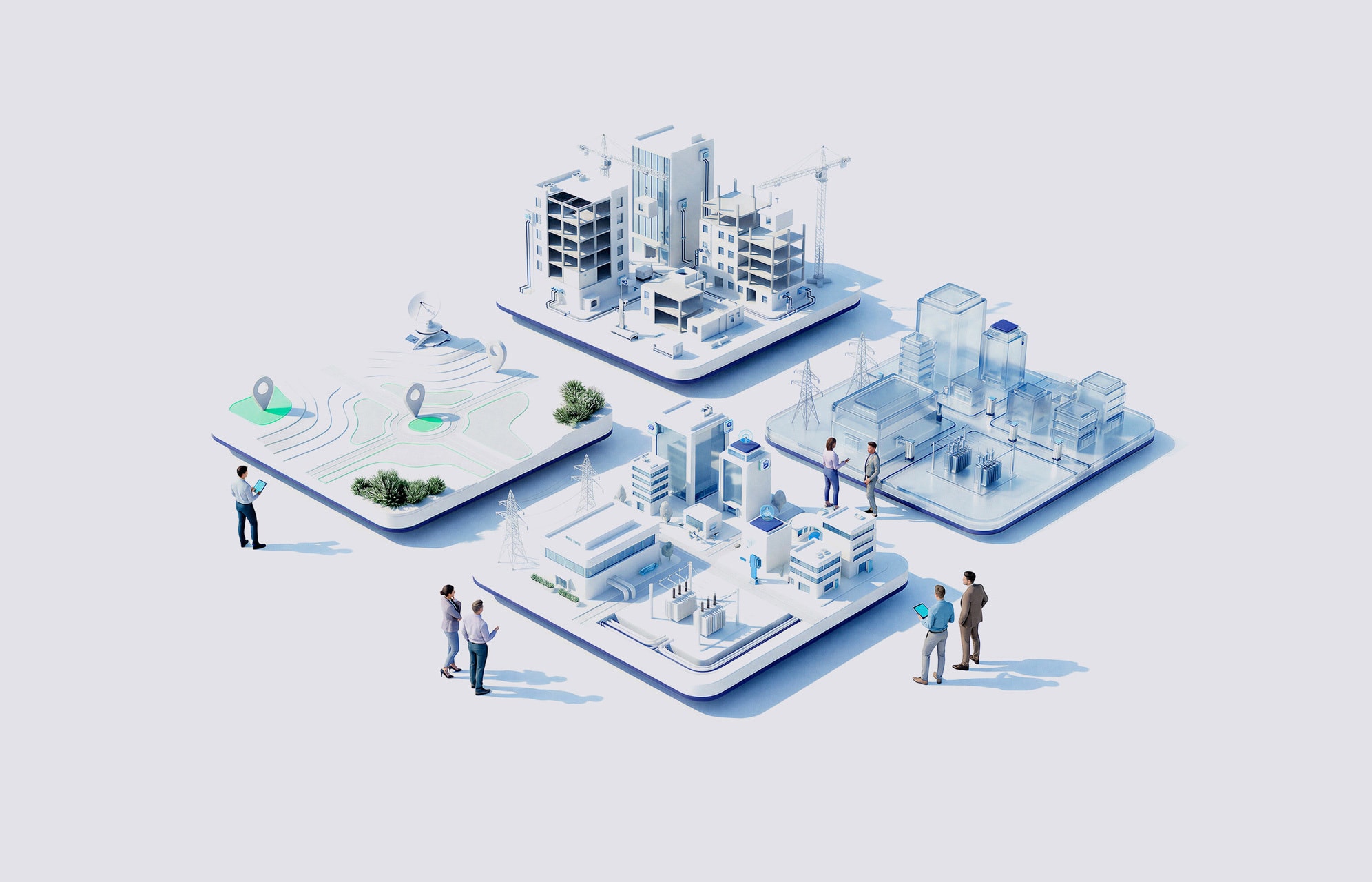

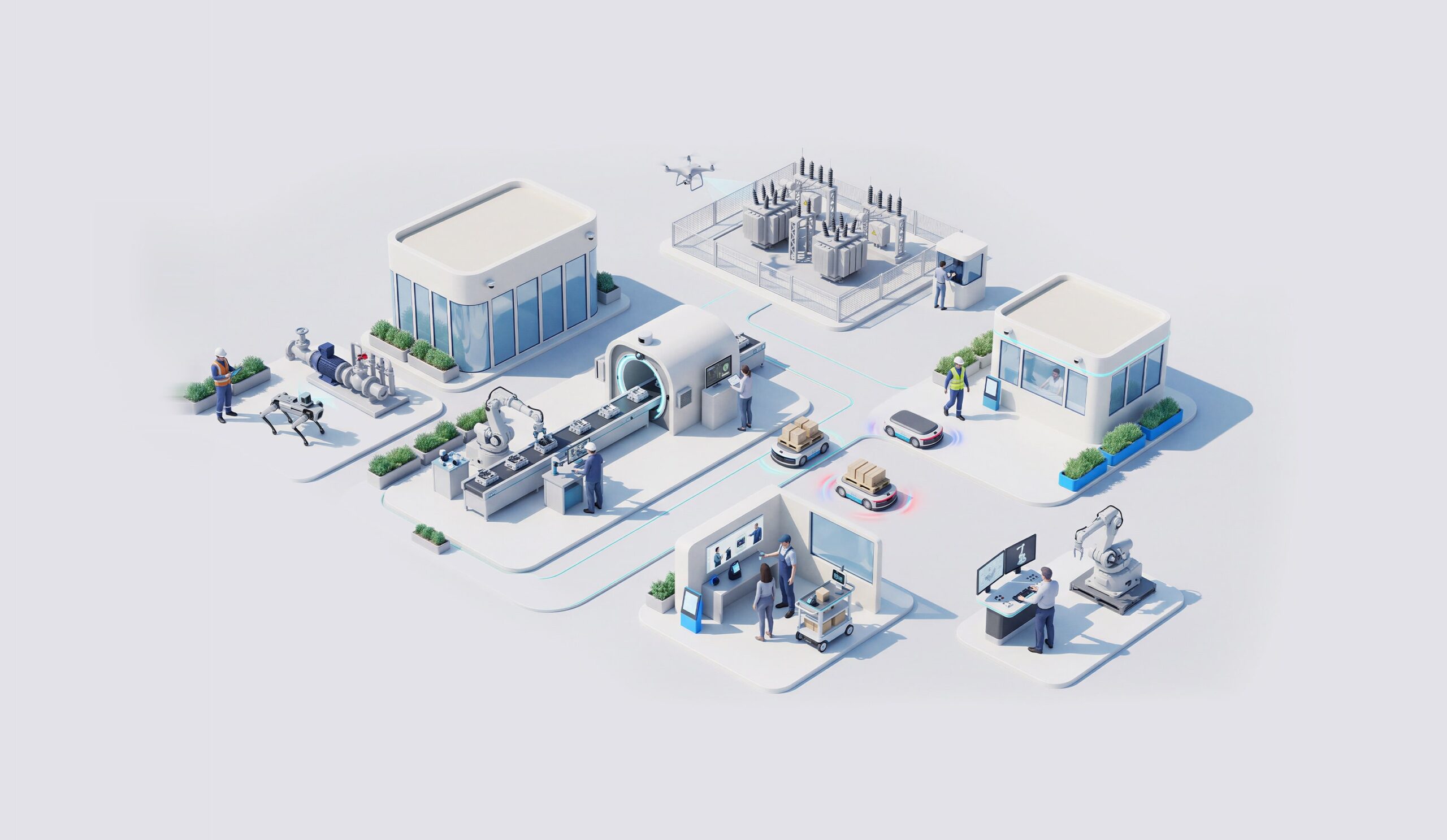
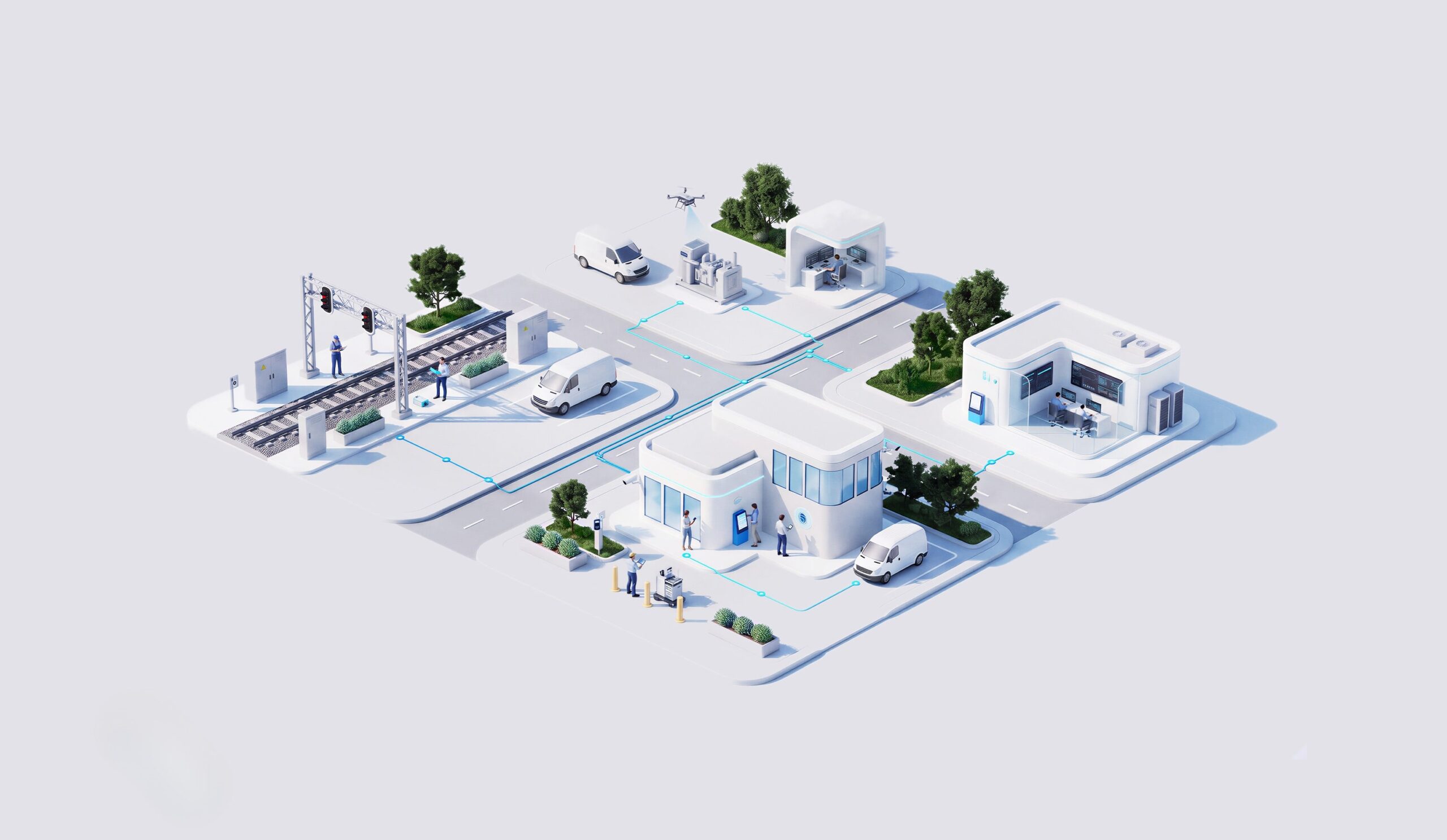


The future utility operating model
Utilities are under pressure to operationalise a future model across generation and renewables, transmission and distribution, supply, gas, water and enterprise operations. The challenge is to connect technology with measurable business outcomes, operational governance and the realities of critical infrastructure, without creating another isolated technology layer.
A future utility operating model creates value when it improves the way teams sense, decide and act across complex infrastructure. The priority is not digitisation for its own sake, but a more reliable, resilient and scalable operating rhythm.

Connect data and workflows so teams spend less time reconciling information and more time acting on the right signal.
Use contextual analytics and IoT signals to identify anomalies sooner, supporting faster intervention before issues escalate.
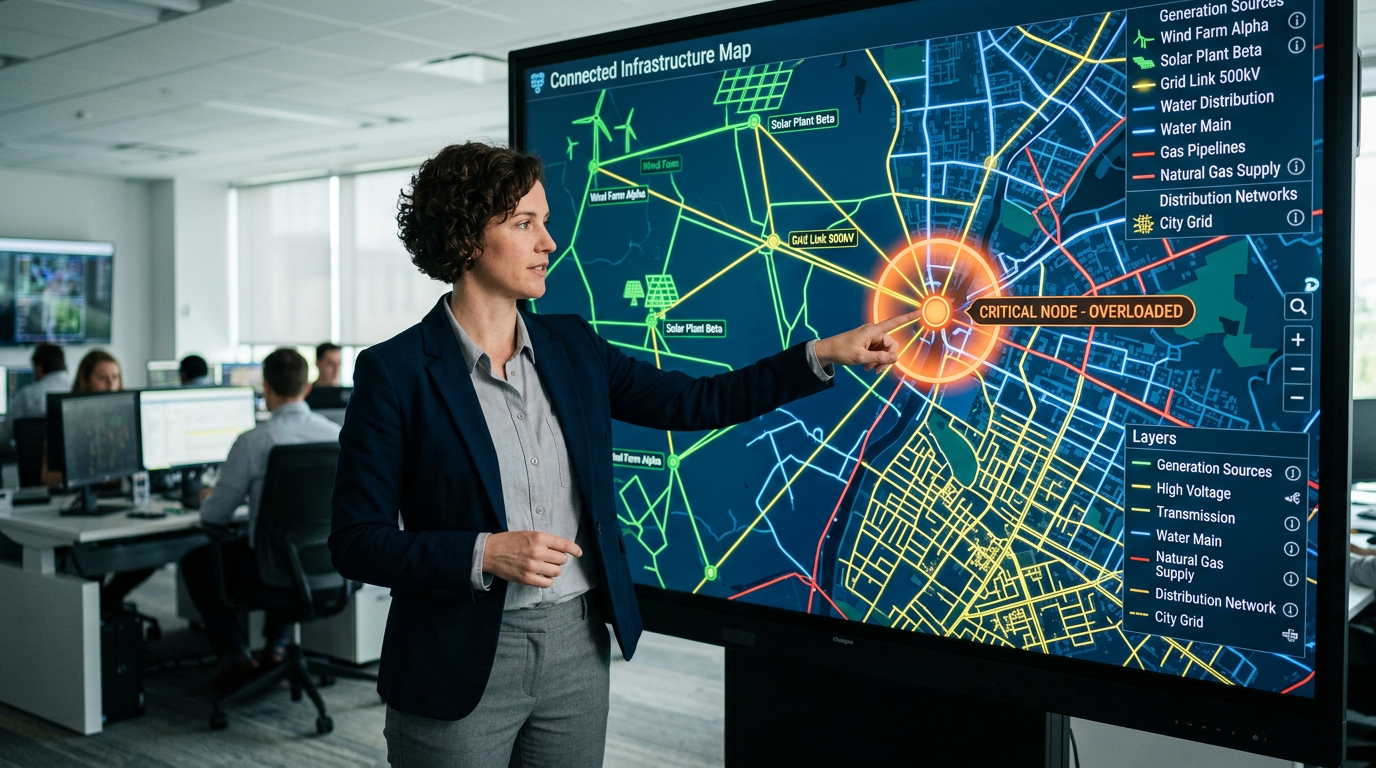
Bring better visibility to critical assets and workflows, helping utilities strengthen reliability across sites, asset classes and business units.
Embed intelligence into existing workflows so decisions can be guided by clearer context, common rules and appropriate human oversight.
NTTデータのサポート体制は?
Defines where the future utility operating model should create measurable value, from reliability and safety to productivity, resilience and customer value.
Connects relevant operational, asset and enterprise information sources so utility decisions are based on reliable, contextualised data.
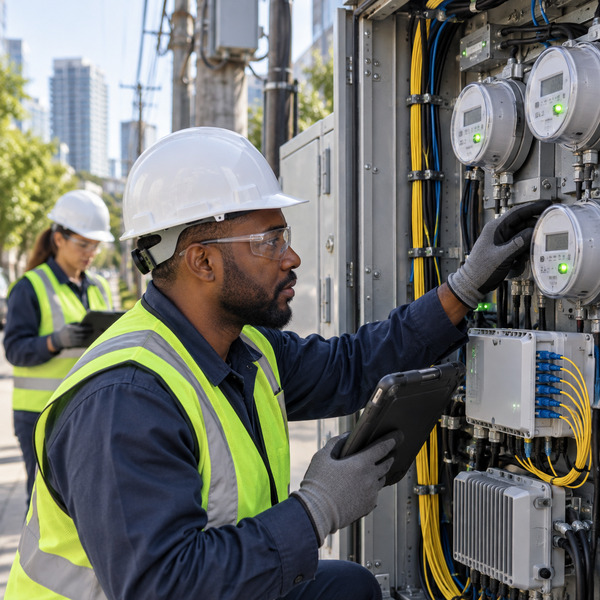
Applies analytics, automation and intelligence where they improve a specific operational or commercial decision, rather than adding unnecessary complexity.
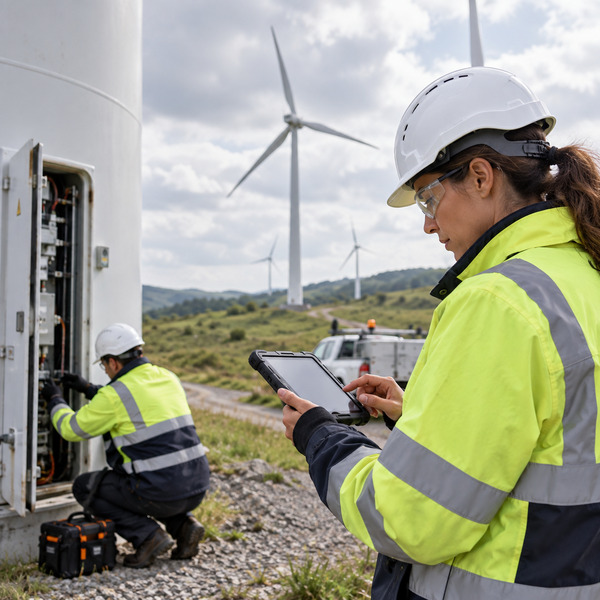
Defines permissions, cybersecurity controls, validation rules and fallback mechanisms suited to regulated, safety-critical utility environments.
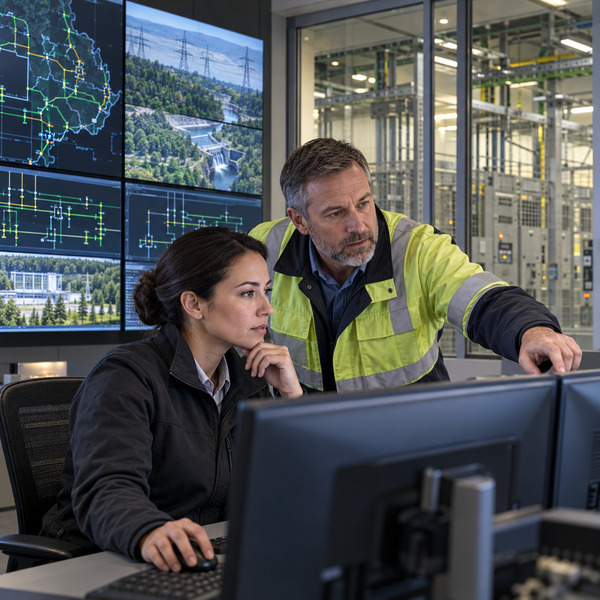
Moves from controlled use cases to reusable capabilities that can scale across subsectors, sites, asset classes and business units.

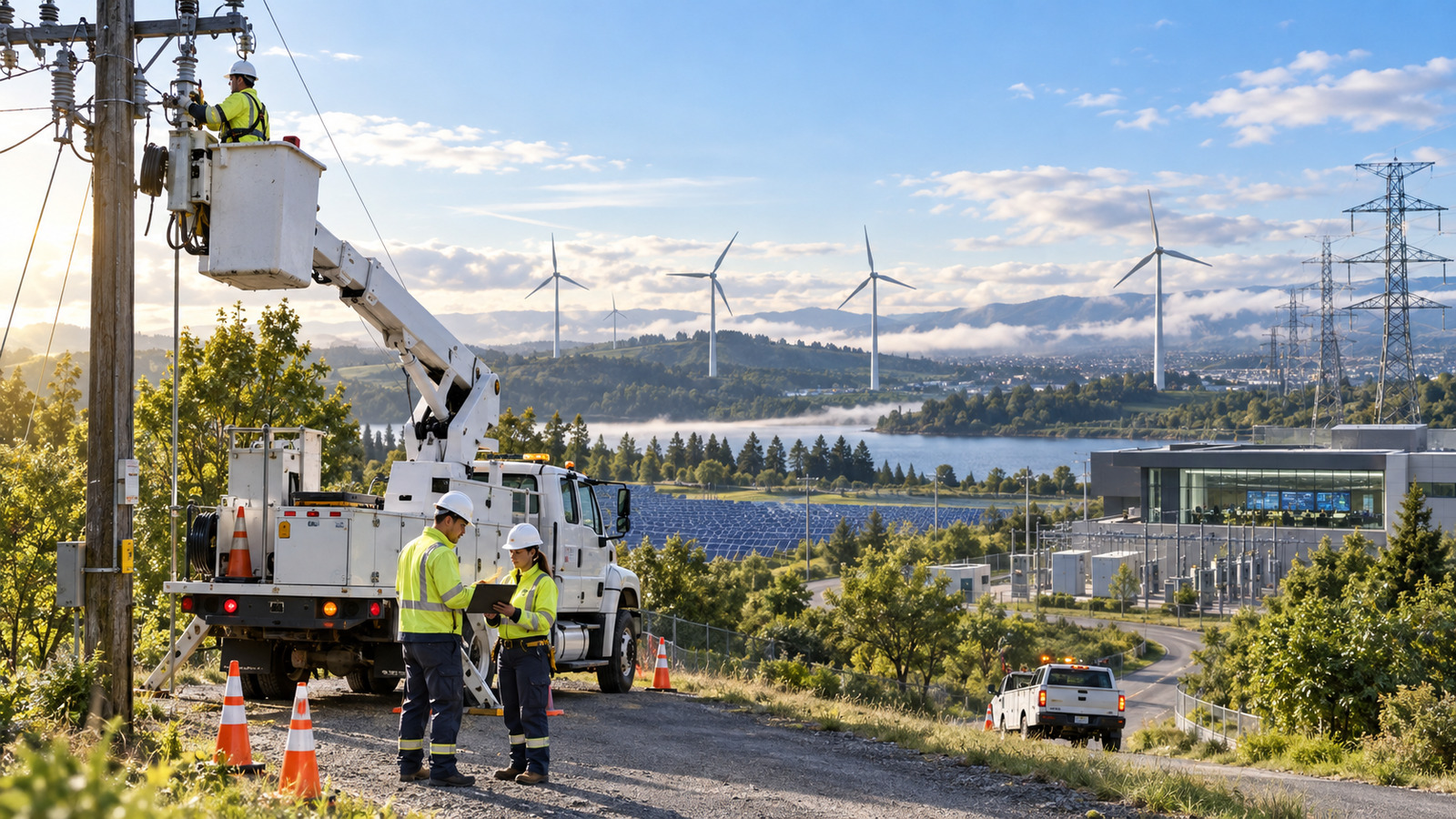
The value of the model is visible when utility teams can act earlier, reduce fragmentation and scale operational intelligence without losing accountability. The proof should be validated against each utility’s baseline performance, infrastructure characteristics, process maturity and deployment scope.
The future utility operating model should be measured through the operational outcomes it helps improve, always against the utility’s actual starting point and deployment scope
Better-connected workflows can help reduce the time between detecting a condition, understanding its relevance and initiating the right response.
Shared operational context can reduce duplicate checks, handoffs and manual reconciliation across teams and systems.
Contextual intelligence supports earlier action by making the right information available closer to the point of decision.
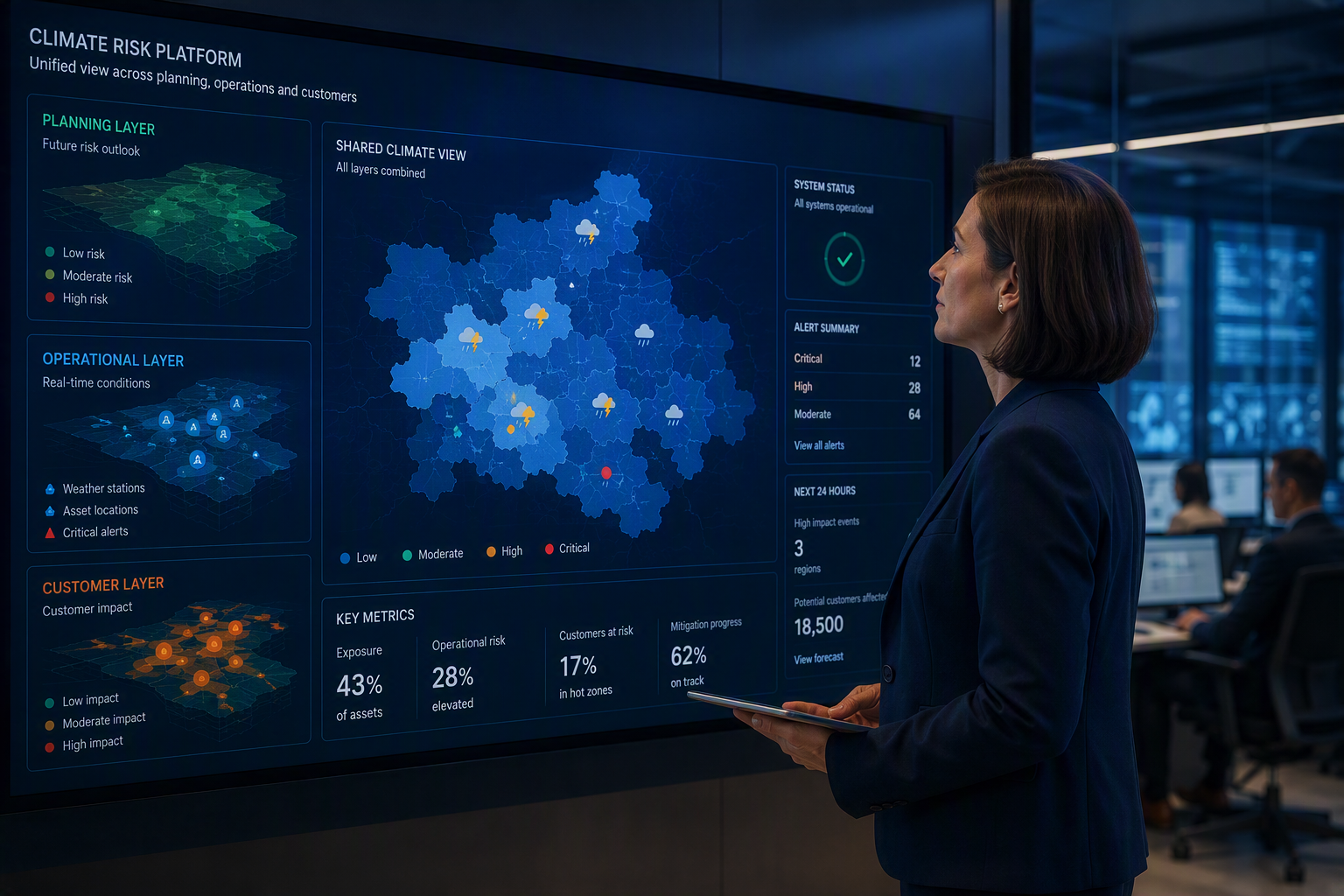
Utilities gain a clearer view across physical conditions, market signals, enterprise systems and frontline activity.
Open the conversation on how connected data, governed automation and human oversight can turn critical infrastructure complexity into more resilient utility operations.