- All Foundries

- 商品管理と取引

- 顧客とマーケティング戦略

- デジタルエンジニアリング

- ステーション・スタジオ

- サプライチェーン&インダストリー5.0
- サステナビリティ

- Physical AI

- Next-Generation Infrastructure

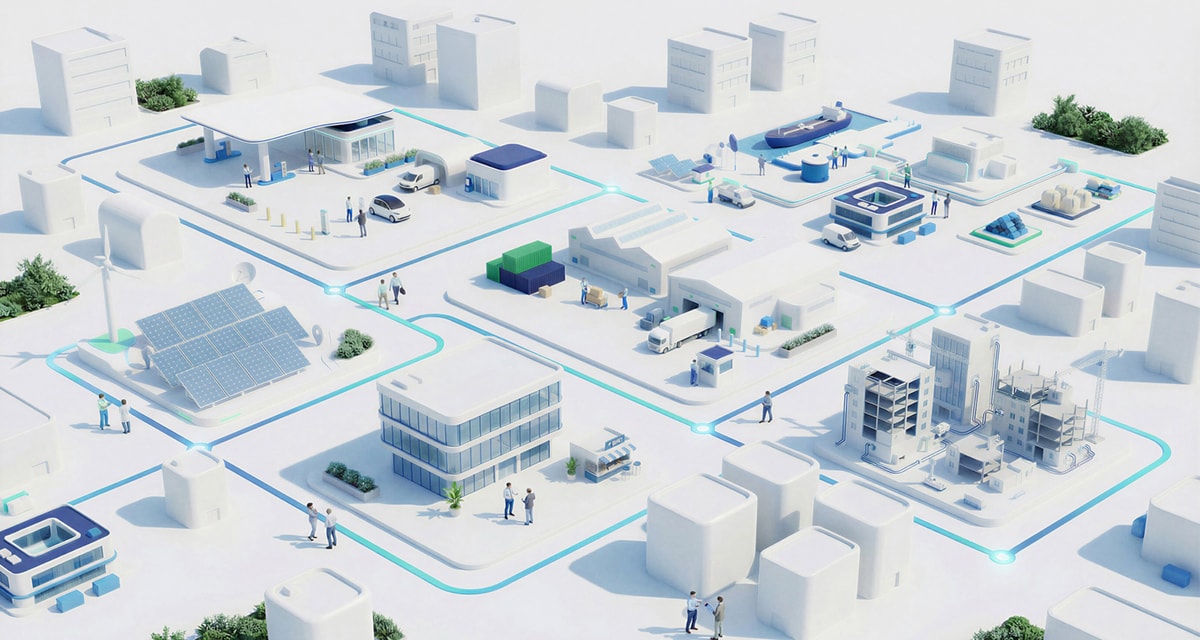








Utility Broadband as a Shared Infrastructure Platform
Utility broadband creates value beyond a single application once fiber and wireless are treated as a shared digital foundation instead of separate networks built one use case at a time. A temporary loss of a non-critical application is not the same as losing communications with a protection, control or emergency-response process, so governance, capacity and security boundaries must be defined before the platform opens up to new services.
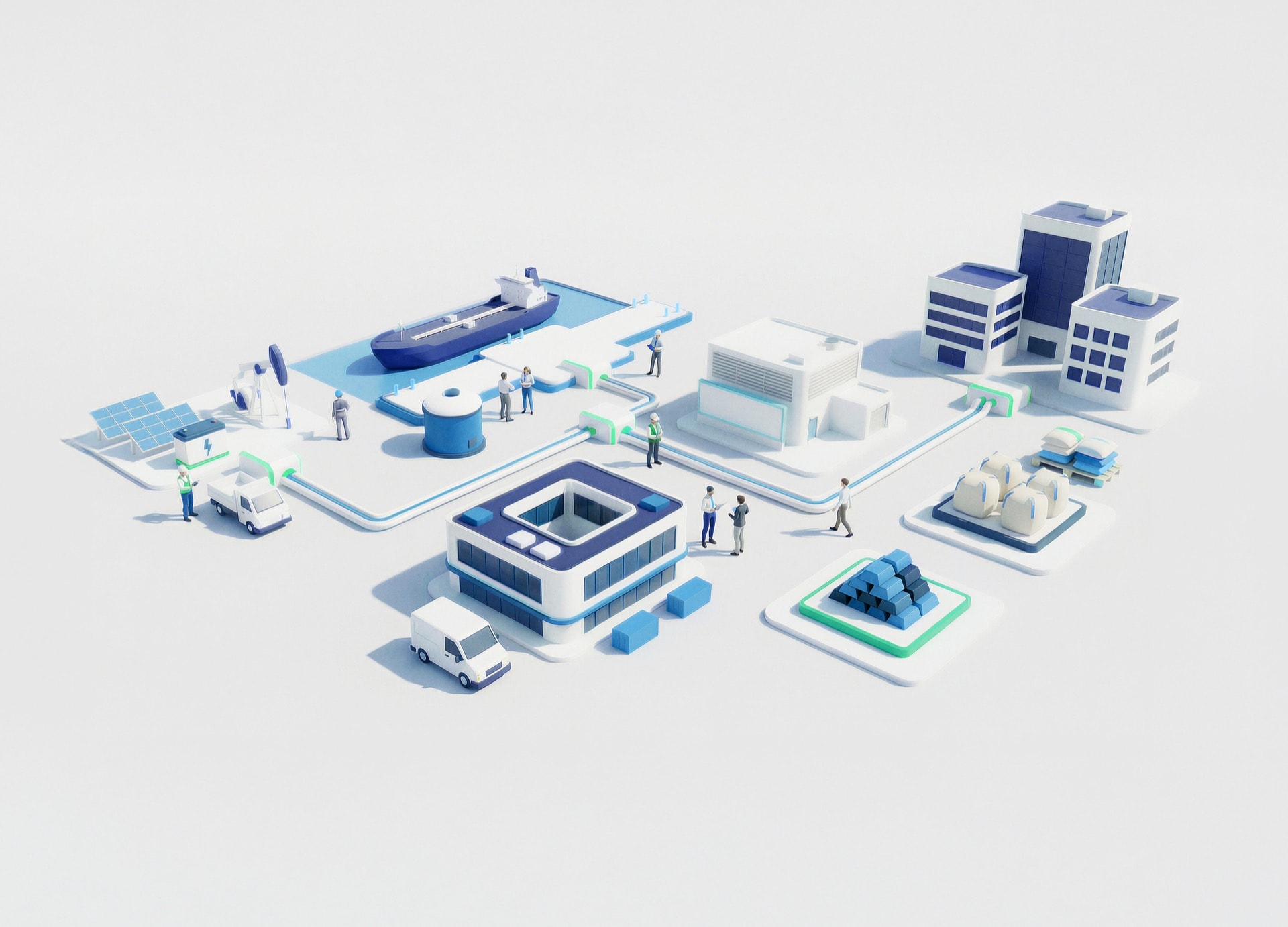
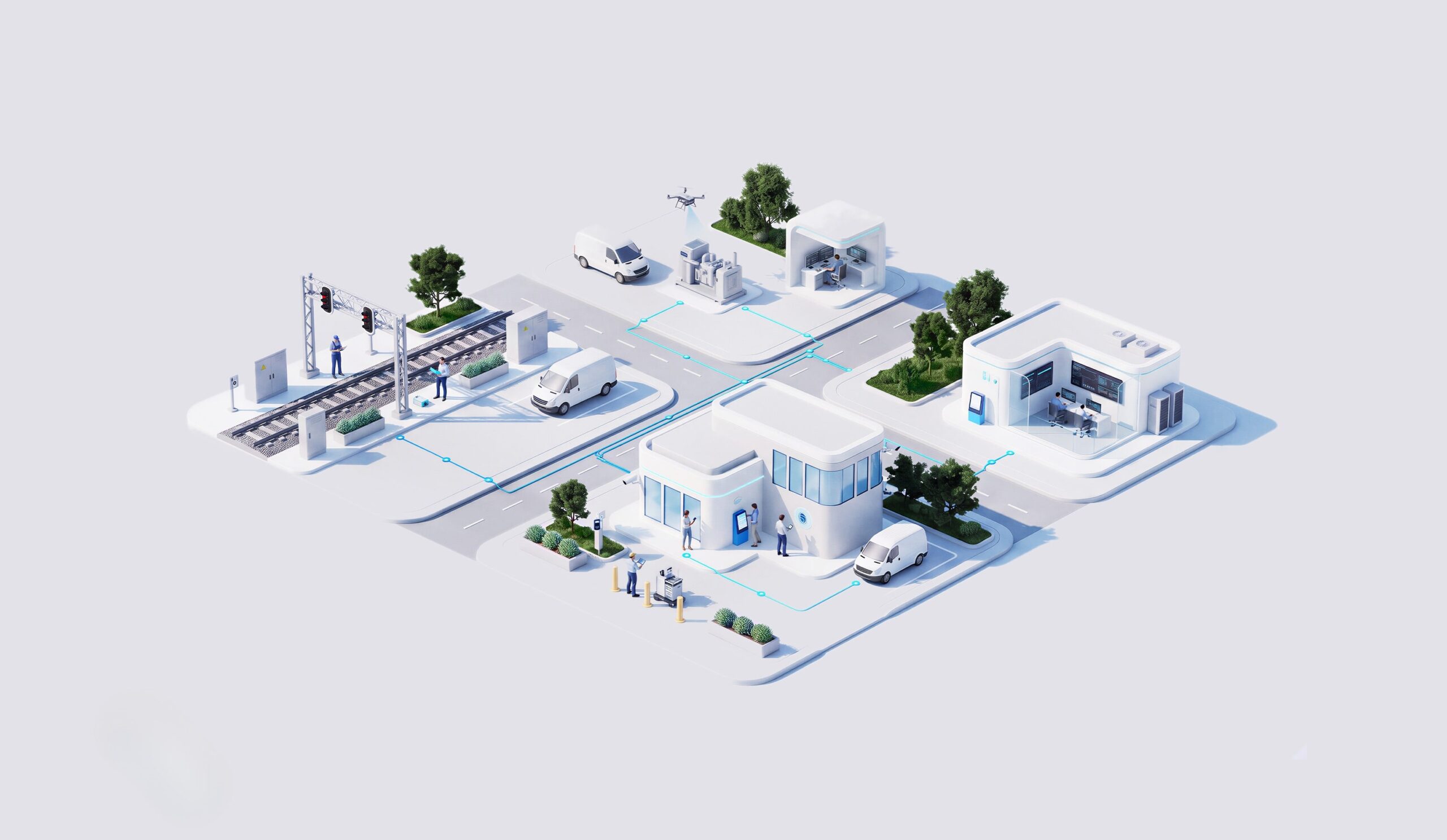
A shared broadband platform helps utilities support grid operations, metering, field services and enterprise connectivity from the same infrastructure.

Reusing existing fiber and wireless assets as shared infrastructure spreads modernization costs across grid, metering, field and enterprise services.
Grid operations, smart metering, field services and enterprise connectivity all run over the same communications footprint instead of separate networks.
A shared digital foundation supports new use cases and future edge workloads without building a dedicated network for each one.
Defined separation between operational, enterprise and shared services keeps critical traffic protected as the platform opens up to new users.
NTTデータのサポート体制は?
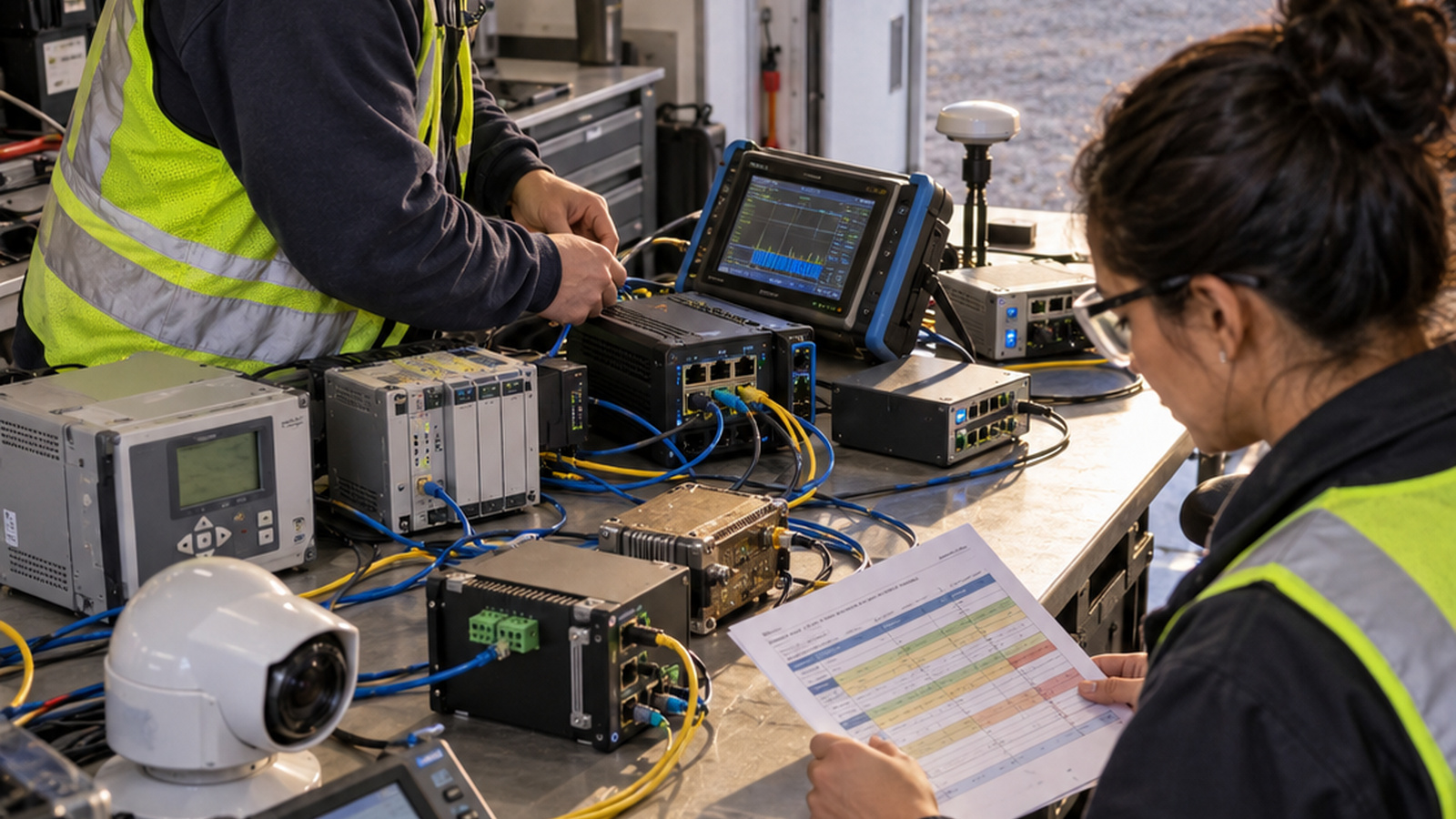
NTTDATA identifies reusable fiber and wireless assets and spare capacity that can support a shared broadband platform.
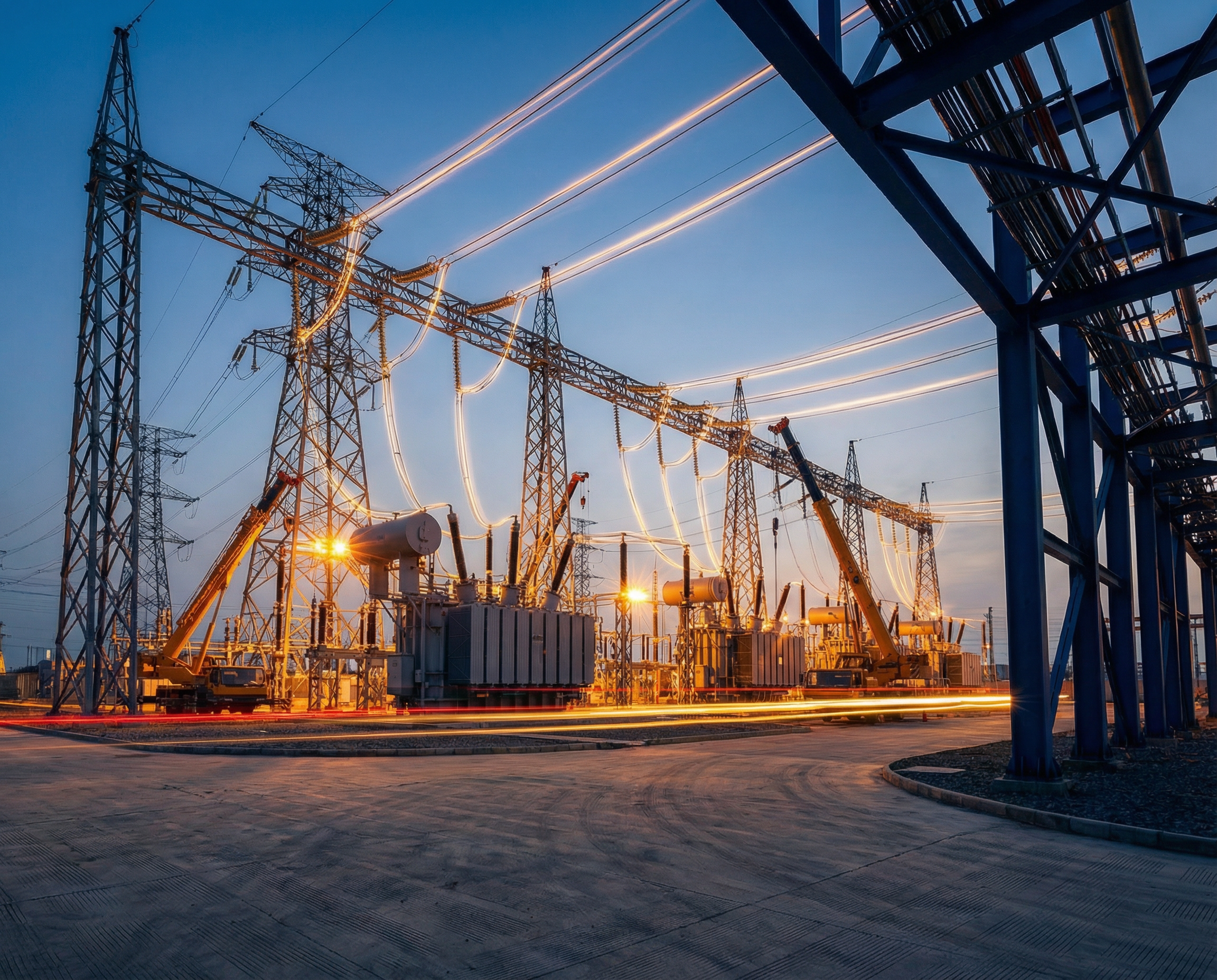
Clear separation between operational, enterprise and shared services keeps critical traffic protected as the platform serves more use cases.

Security, SLA and governance models are created so shared use of the platform stays predictable and accountable.

Phased commercial and operating models are developed where relevant, so the platform can evolve without disrupting existing services.

Cyber risk, recovery expectations, coverage and the long lifecycle of utility assets all shape how the shared platform is designed and governed.


Alongside a stronger shared infrastructure case, these indicative targets vary by governance maturity, service mix and stakeholder alignment.
Consolidating onto a shared platform reduces single points of failure, with baseline and target availability levels confirmed during assessment.
Grid, metering and field sites all draw on the same communications footprint instead of separate, single-purpose builds.
Reusable fiber and wireless capacity shortens the time needed to bring new services online or restore existing ones.
Defined separation and governance strengthen policy compliance as more services share the same underlying infrastructure.
Reuse fiber and wireless assets as one governed platform so grid, metering, field and enterprise traffic share the same infrastructure footprint.