Micro segmentation next best product

For a retailer, a customer segment too broad to act on leaves sales teams guessing what to offer next. Working with NTT DATA, a retailer rebuilt its segmentation with advanced analytics and a clustering model, calculated purchase potential for 600,000 customers and turned the results into 128 Next Best Product initiatives.
Three coworkers in a bright glass-walled meeting room review colorful sticky notes on a whiteboard as one woman presents and two seated colleagues take notes.
Micro-Segments: 42
Customer groups defined by purchasing behaviour.
Next Best Product: 128
Initiatives generated from the new segmentation.
Customers Analysed: 600K
Customers with purchase potential calculated.
Sales Timing: Data-Driven Decisions
Product and timing choices based on customer data.
Two business professionals walk down a brightly lit store aisle of personal care products, with one pointing at bottles near orange promotion tags.
Customer analytics to decide what to offer, and when
The retailer needed a segmentation fine enough to guide tactical decisions, moving away from broad segments where sales potential per customer stayed unknown.
Objectives
he initiative set out to update the customer segmentation with advanced analytics to support tactical decisions on products and sales timing. The ambition was to know which product to offer each customer group, and when.
Opportunity
Transactional data now drives every offer. With 42 micro-segments and purchase potential calculated for each customer, the retailer plans Next Best Product actions by group and refines them as buying behaviour changes.
Turning broad segments into tactical decisions

The retailer faced the practical challenge of acting on segments too coarse to guide product and timing decisions, while rich transactional data went unused.

Key Challenges
Overhead view of a busy city crosswalk filled with pedestrians in dark winter clothing, with one person in a bright pink coat standing out near the center.
1: Segments too broad. Existing segmentation grouped customers with different needs together, so no single offer fit the group.
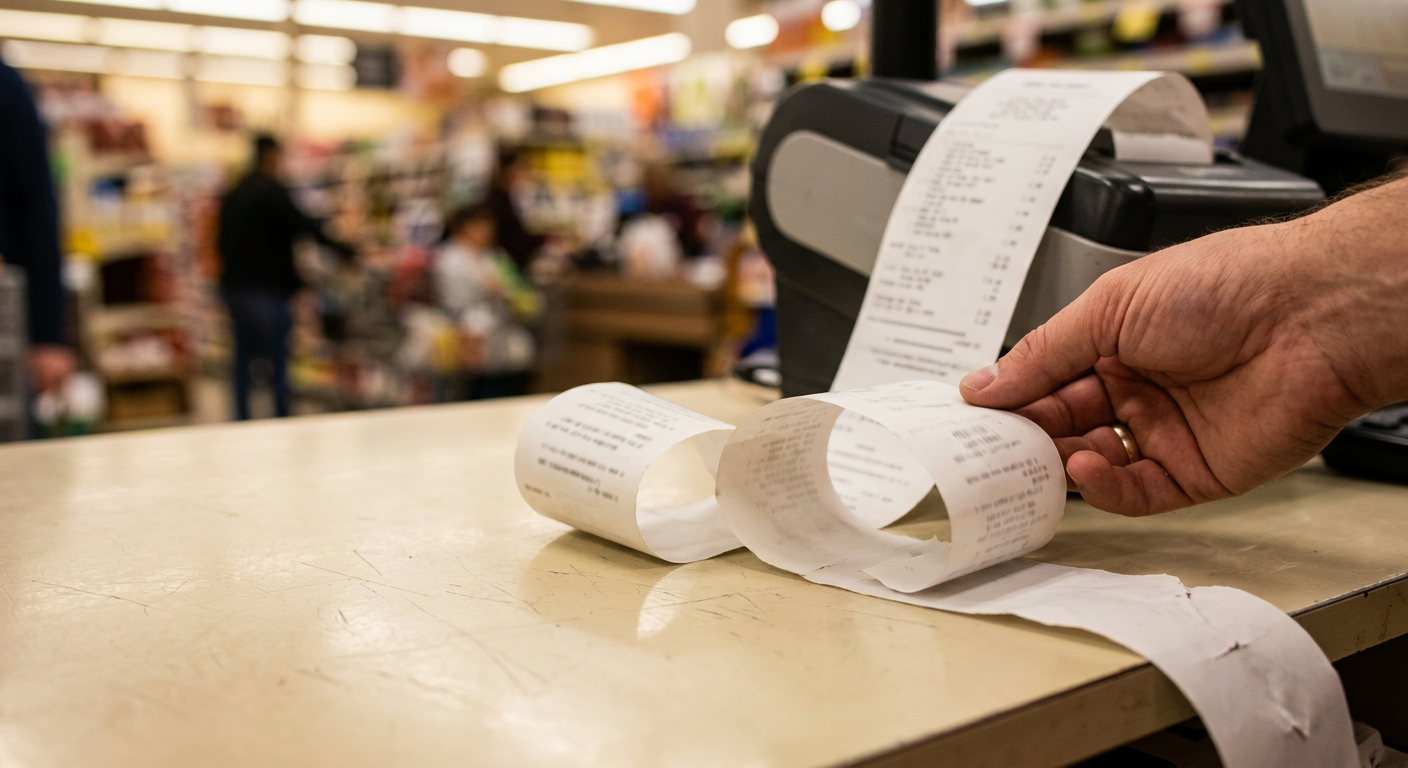
Hand holding a long printed receipt at a grocery checkout counter, with a receipt printer and blurred store aisles in the background
2: Unknown sales potential. The business had no estimate of purchase potential or retention for each customer.
Person arranging boxed products on display shelves in a large warehouse store with empty aisles and industrial lighting
3: No timing guidance. Teams had no data on what to offer each customer, or when to make the offer.
Man in a gray cardigan pulls a cardboard archive box from tall shelves in a dim storeroom lit by a sunbeam from a small window
4: Transactional data left unused. Purchase history held the answers, but no model turned those records into customer profiles.
Solution
Advanced analytics and clustering with business sense

NTT DATA identified customer profiles through business and transactional variables to estimate sales potential and retention.

check icon
Analysed sources and databases

Reviewed every relevant information source and database to build a reliable base for the segmentation model.

check icon
Tested variables before clustering

Contrasted variables and reviewed their impact before building the clustering model, keeping the ones with real weight.

check icon
Generated homogeneous micro-segments

Created micro-segments with homogeneous groups and accurate purchase potential calculations for each customer.

check icon
Profiled clusters with business sense

Described each cluster in business terms, so sales and marketing teams read the result and act on the findings.

Impact
A tactical playbook for every micro-segment

The retailer moved from describing its customers to knowing what to offer each group next. The new segmentation defined 42 micro-segments by purchasing behaviour, calculated purchase potential for 600,000 customers and generated 128 Next Best Product initiatives. Decisions on product and sales timing now rest on customer data rather than intuition.

Drag