Real-Time Industrial Operations Monitoring Platform
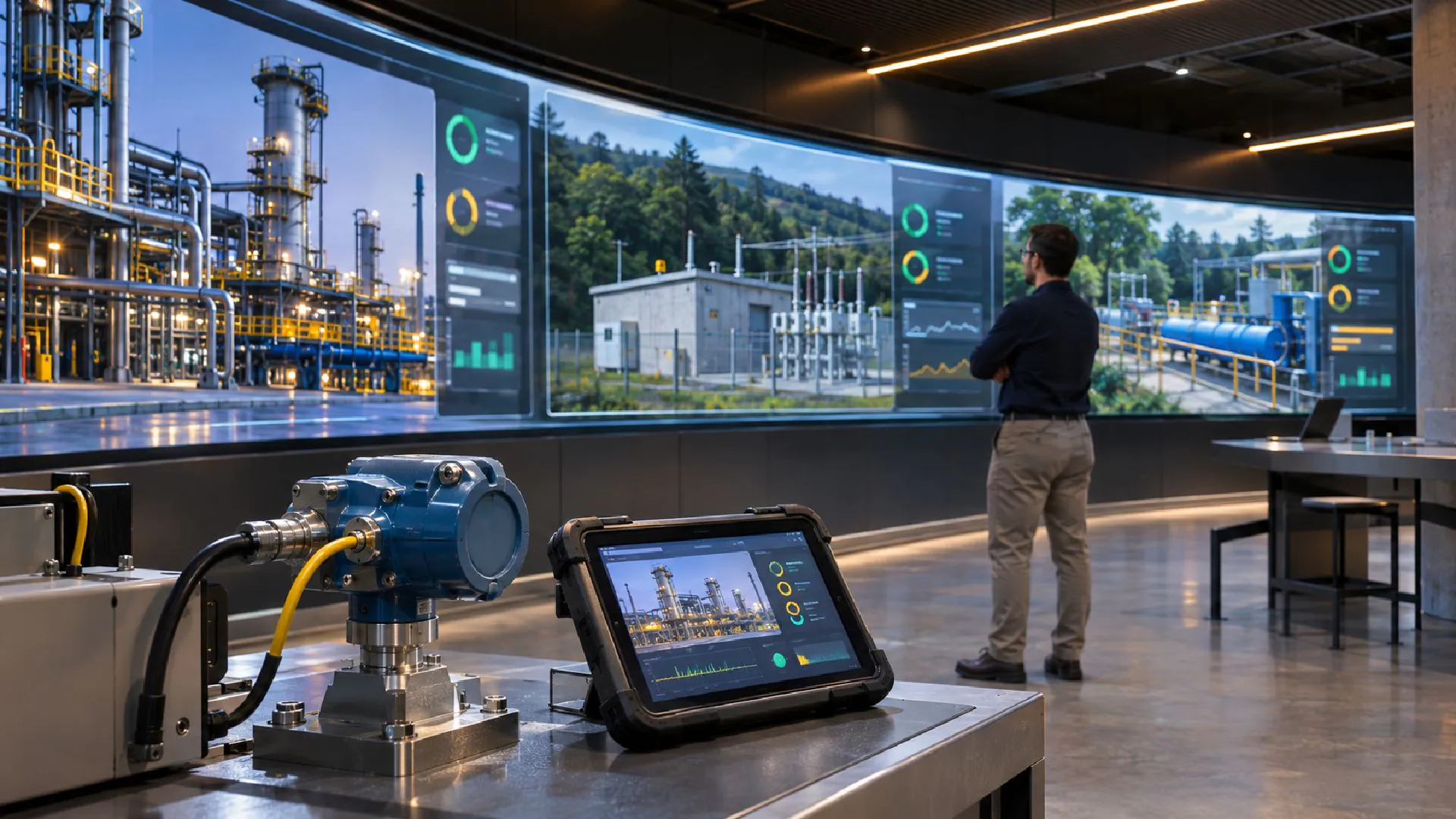
A real-time industrial monitoring platform integrating operational information from multiple facilities, mobile access and IoT data to provide a more unified view of asset conditions and support operational decision making.
Real-time industrial operations monitoring consolidating asset conditions from multiple facilities, IoT sensors and mobile users into one shared operational view.
Asset-monitoring visibility
real-time operational information consolidated across industrial facilities.
Remote information access
extended to mobile users and distributed operational teams.
Facility and data-source coverage
expanded through onboarding of additional installations and information sources.
IoT-data integration
incorporated into the common operational-monitoring environment.
Industrial facility systems, IoT sensor data and mobile operational access integrated into one shared real-time monitoring environment for distributed industrial operations.
A connected monitoring environment that brings facility, mobile and IoT data into a shared real-time operational view.

Industrial energy operations generate information across facilities, control systems and organizational levels. When those sources remain fragmented, users may need to reconcile multiple local views before understanding asset conditions. The initiative consolidated operational information into a common monitoring environment and extended access across facilities and user locations.

Scaling real-time visibility across distributed industrial operations
Objectives
The objective is to consolidate operational information from multiple facilities into a consistent view of asset status and make that context accessible beyond the control room. Mobile access, IoT integration and additional data sources extend timely operational information to users working remotely or across organizational levels.
Opportunity
Distributed operations and growing sensor coverage create an opportunity to add new information sources without multiplying isolated dashboards. A common real-time monitoring layer can absorb facilities, mobile access and IoT data while providing a base for analytics, remote operations, event management and additional decision-support scenarios.
Managing fragmented visibility across distributed industrial operations

The challenge is to bring data from different facilities and system silos into a usable operational context while serving different user needs and supporting new sources without adding fragmentation.
Key Challenges
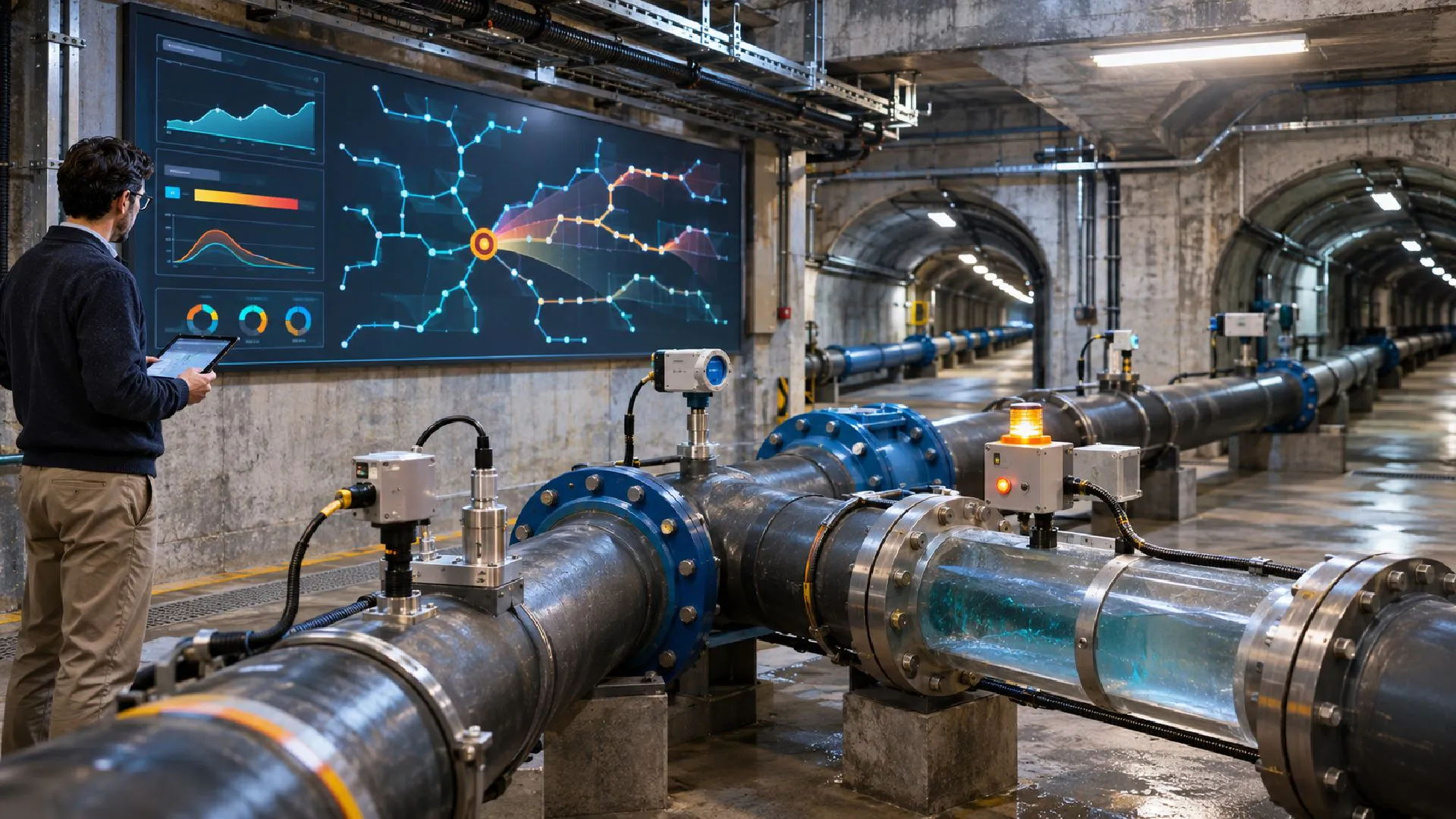
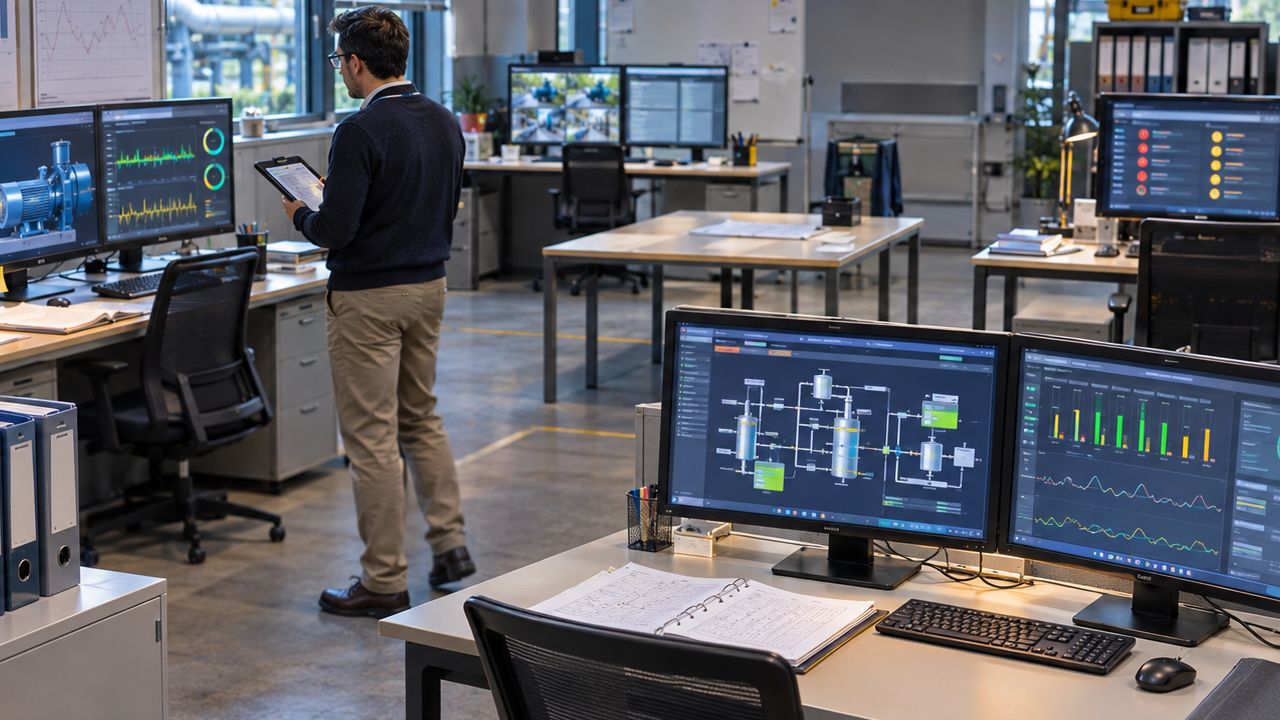
Industrial operational data fragmented across multiple facilities and local monitoring systems, making a consistent cross-site view of asset conditions harder to build.
1. Fragmented operational data
Information is spread across facilities, geographies and local systems, making a consistent cross-site view harder to build.
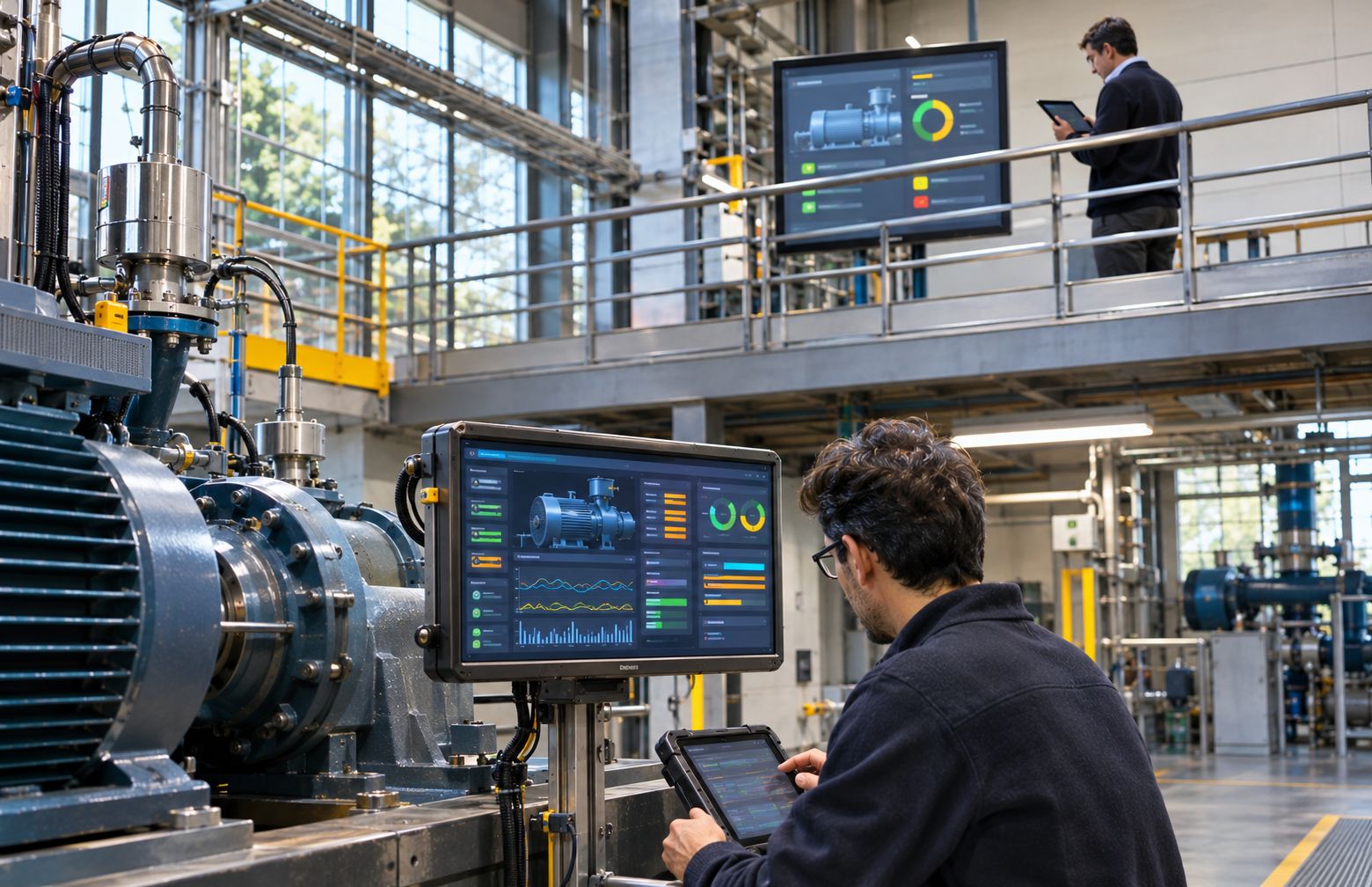
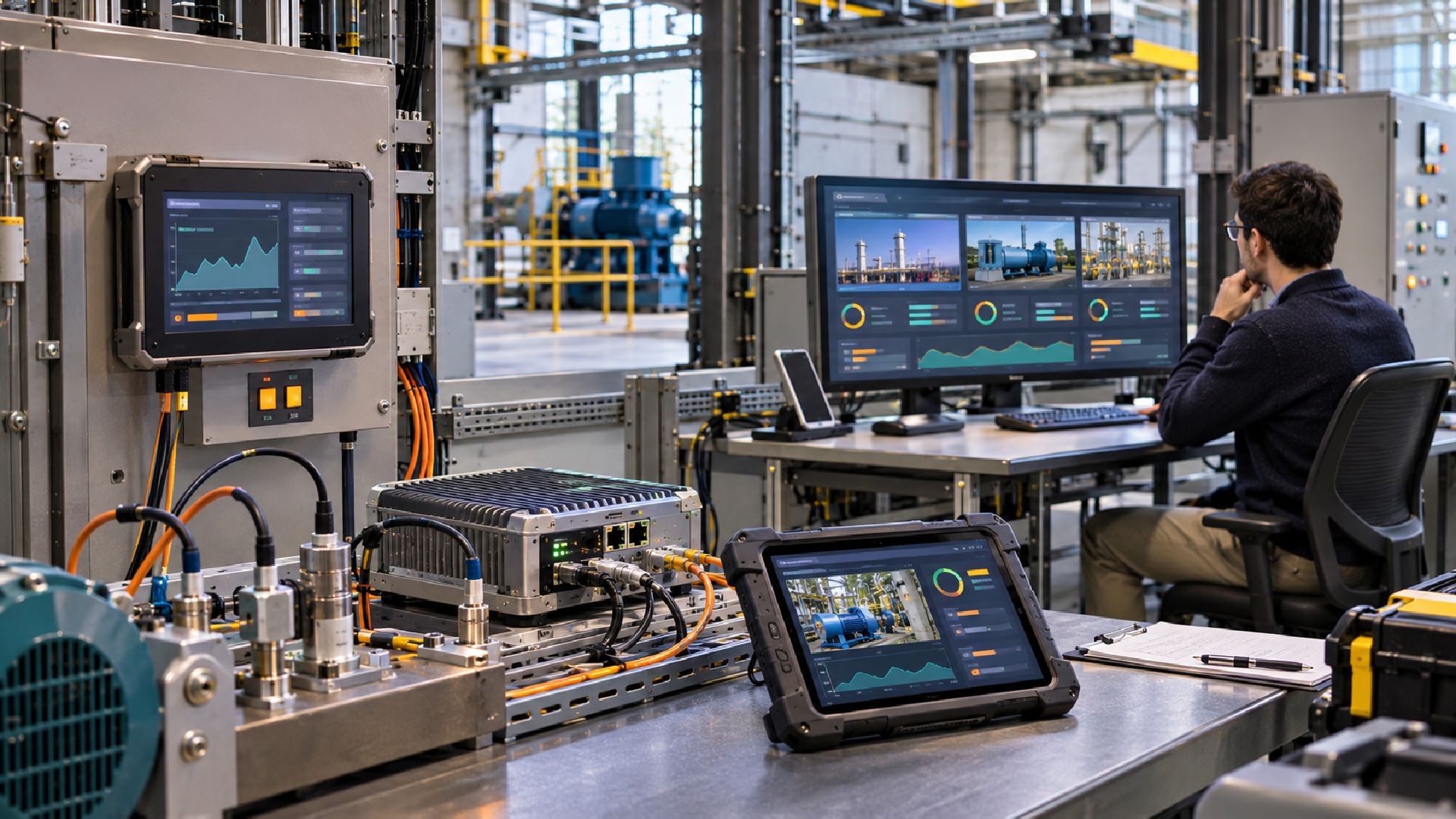
Technical and management users accessing different levels of detail from the same real-time industrial operations picture, from asset condition data to summarized operational status.
2. Different information needs
Technical and management users need different levels of detail from the same operational picture.
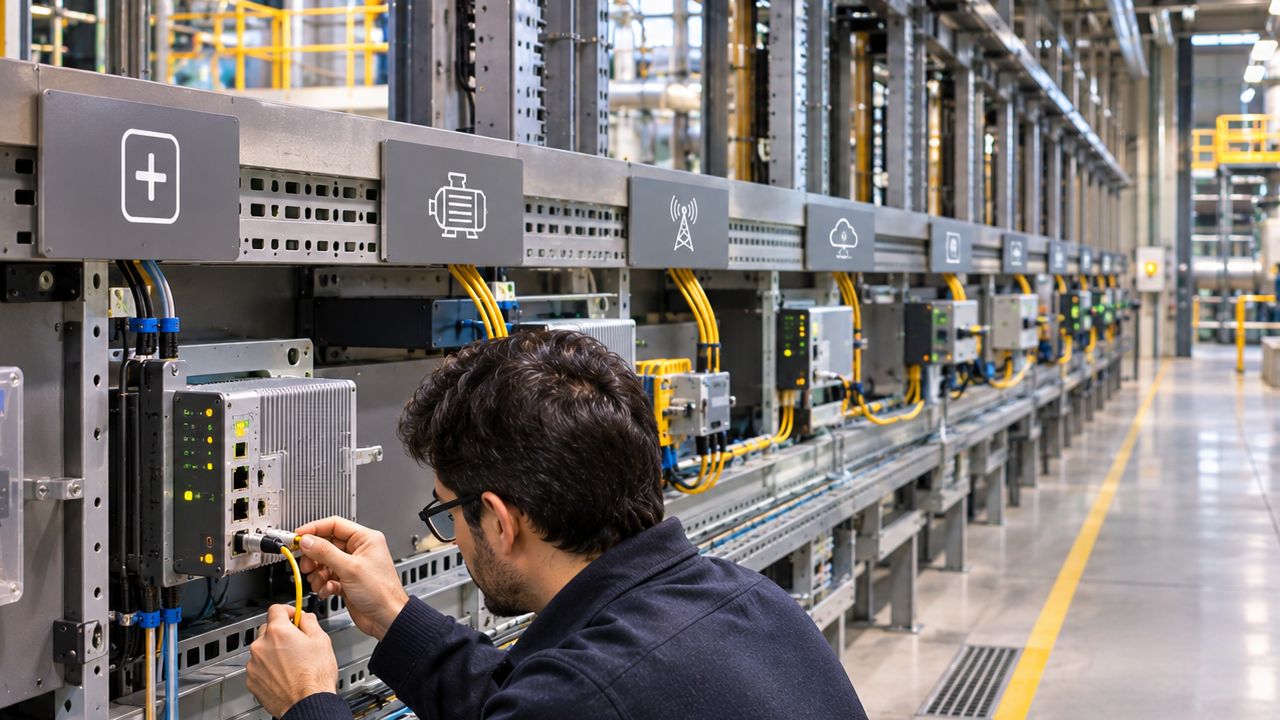
Scalable Source Integration
3. Scalable source integration
New facilities, assets and data sources must be added without creating separate monitoring silos.
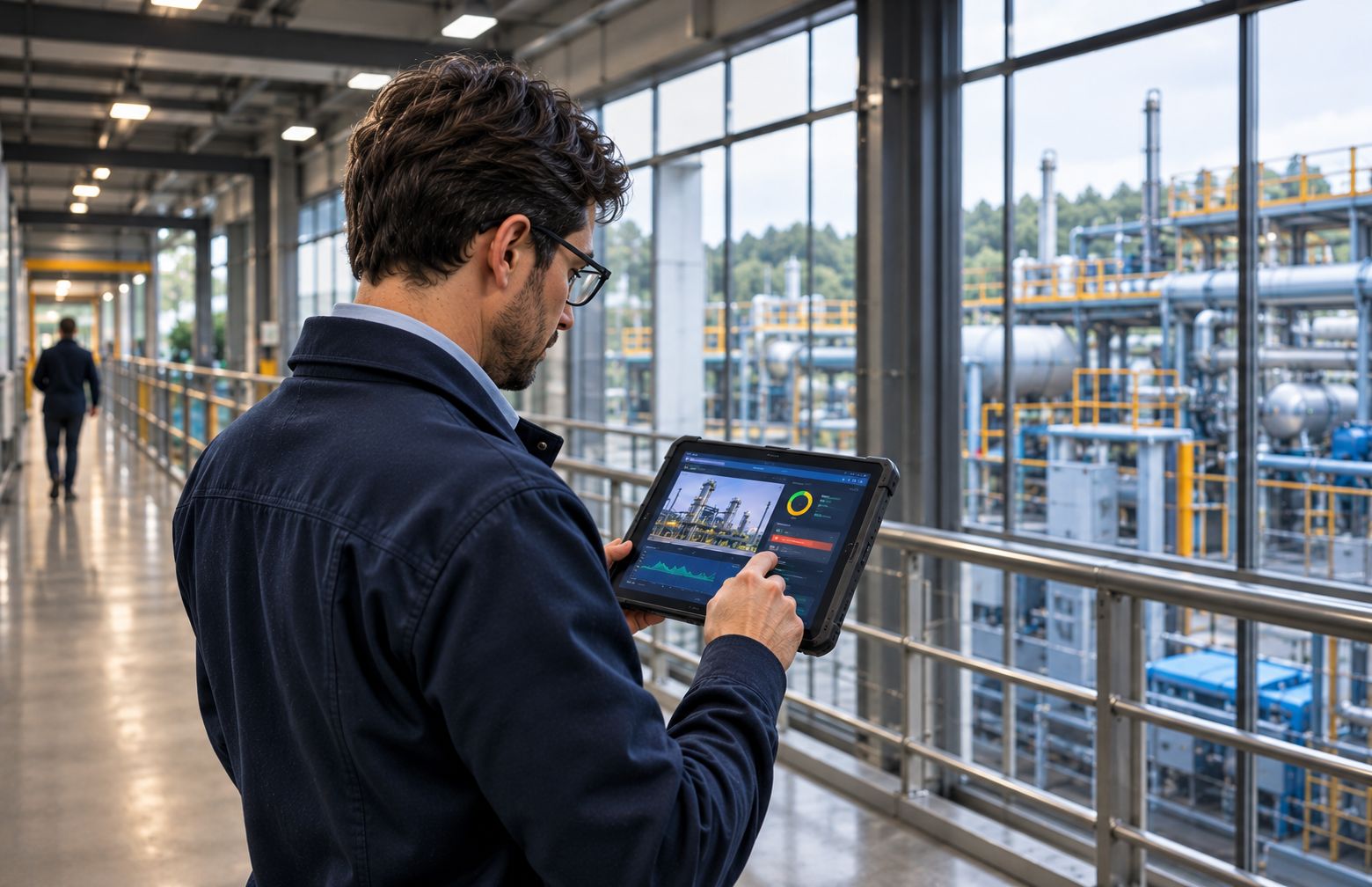
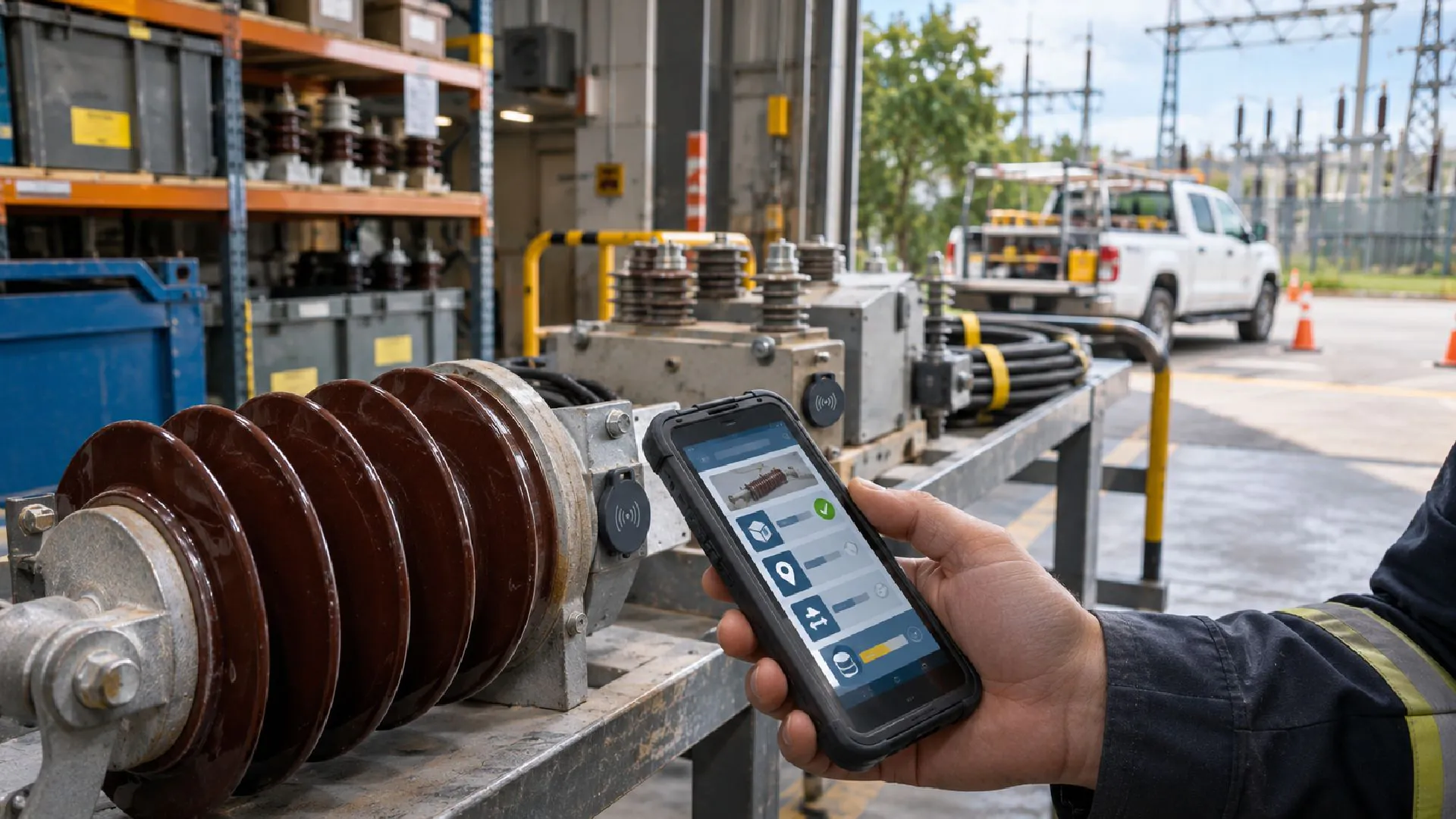
Mobile industrial user accessing timely real-time asset status, events and operational context from a remote location beyond fixed monitoring workstations.
4. Useful remote access
Mobile users need access to timely operational context beyond fixed monitoring locations.
Solution
A shared real-time monitoring layer designed to scale

The solution consolidated operational information from multiple industrial facilities in one monitoring environment, then extended it to additional functions, facilities and data sources. Mobile access and IoT data joined the same real-time view, avoiding separate monitoring silos.

check icon
Common monitoring environment

Operational information from multiple industrial facilities was consolidated into a shared real-time view.

check icon
Expandable data architecture

Additional facilities, functions and operational sources could be incorporated as monitoring needs evolved.

check icon
Mobile operational access

Relevant users could consult operational information beyond a fixed workstation.

check icon
Integrated IoT data

Sensor information was added to the same operational view so connected devices contributed to the wider monitoring context.

Impact
The platform improves visibility by giving users a more unified real-time view of industrial assets and operations.

Users work from a more consistent operational picture with less reconciliation across facilities. The common architecture extends access beyond traditional monitoring locations and supports new assets, data sources, remote operations and analytics without adding information silos.

Drag