


- All Foundries

- Commodity Management & Trading

- Customer & Marketing Strategy

- Digital Engineering

- Station Studio

- Supply Chain & Industry 5.0
- Sustainability

- Physical AI

- Next-Gen Infrastructure





Robot for Autonomous Inspection in Data Centers
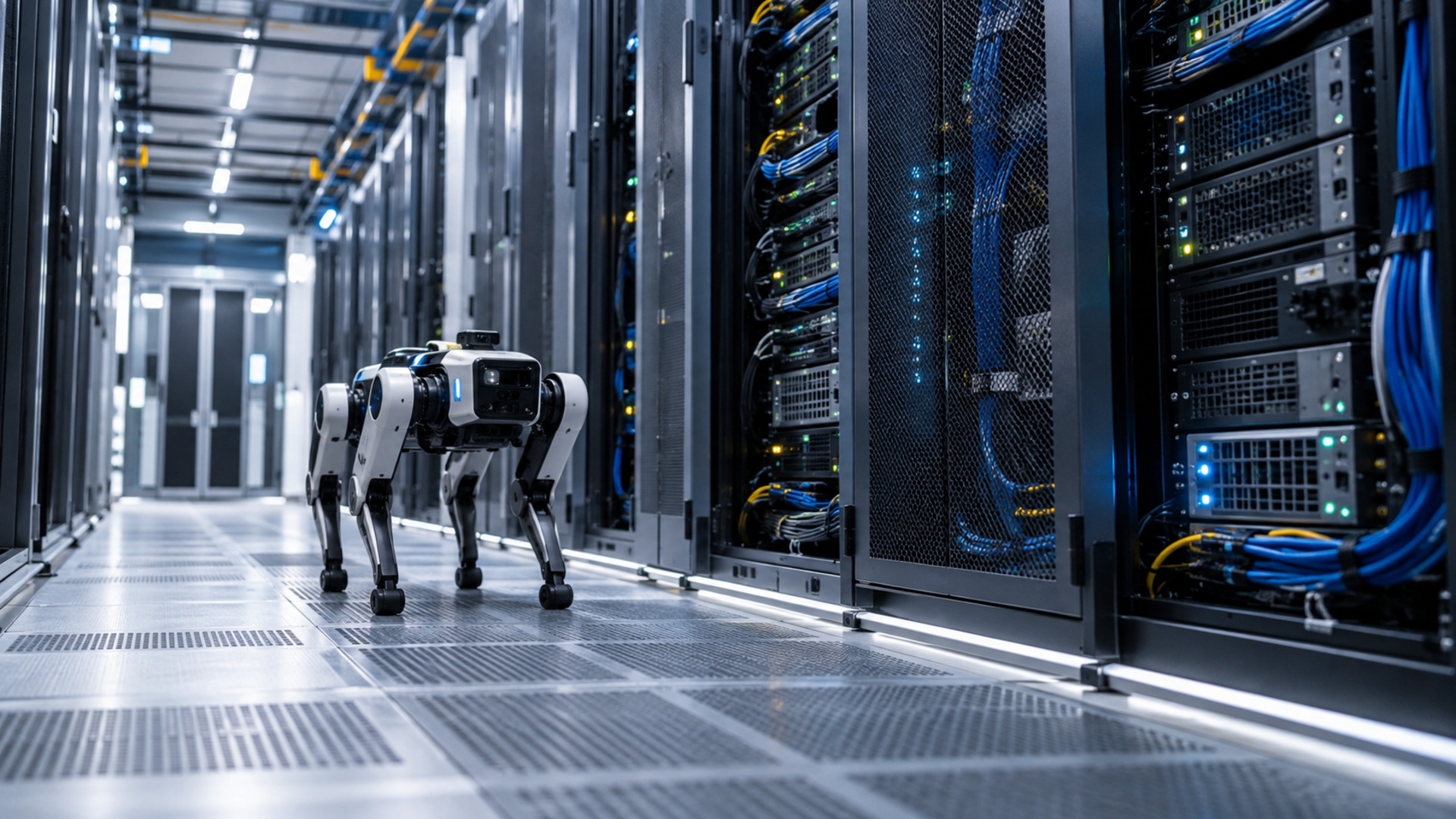
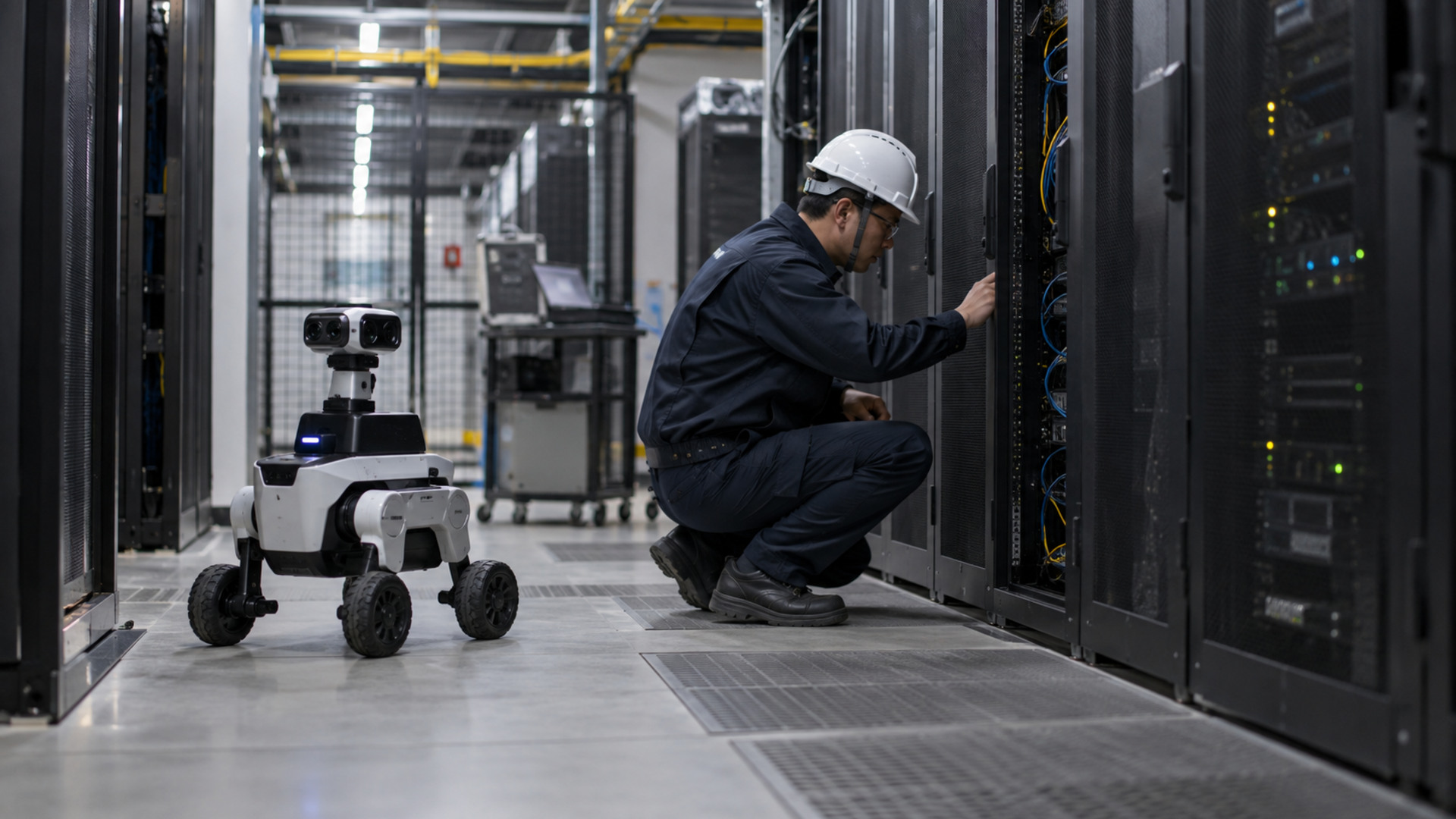
A robot-enabled inspection model that brings consistent sensing, earlier anomaly visibility and remote operational control into the physical heart of the data center.
The challenge was not simply to put a robot in a server room. The initiative needed to combine safe physical movement, multiple inspection signals, timely operational response and integration with existing ways of working.
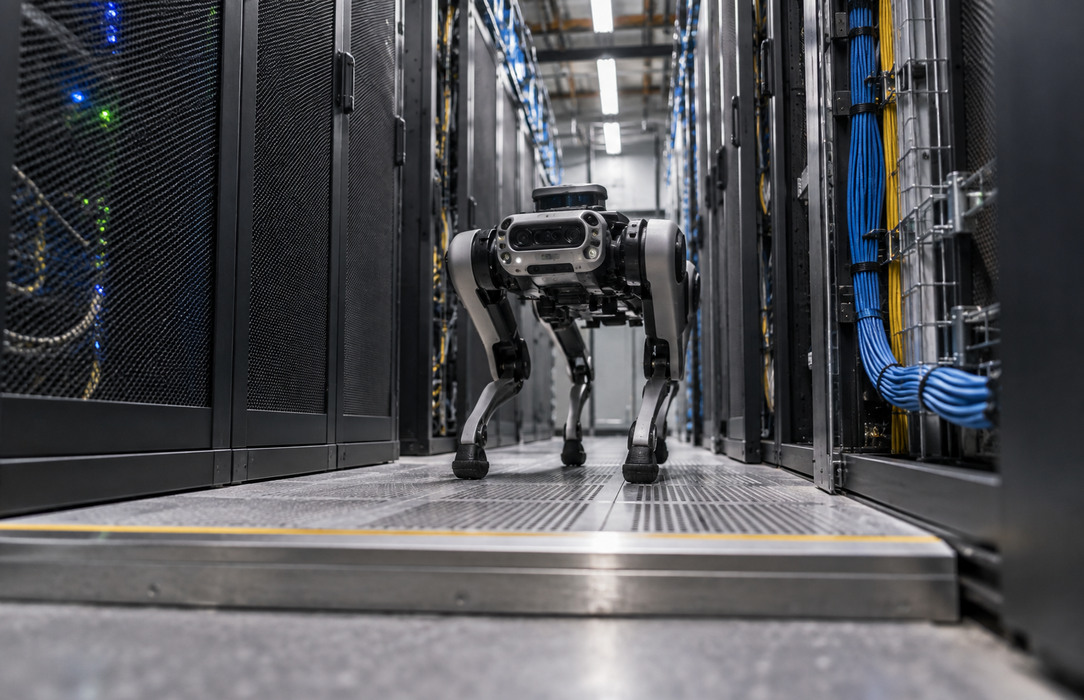
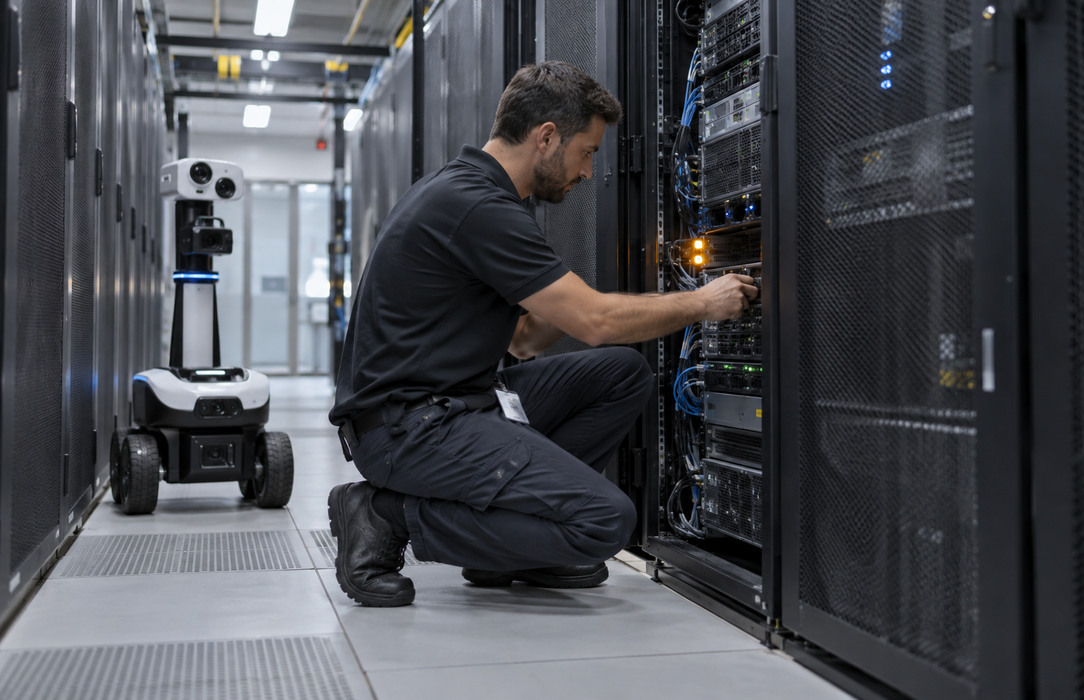
The solution needed to move autonomously through narrow aisles, high-density rack layouts, uneven flooring and potential obstacles without disrupting the operating environment.
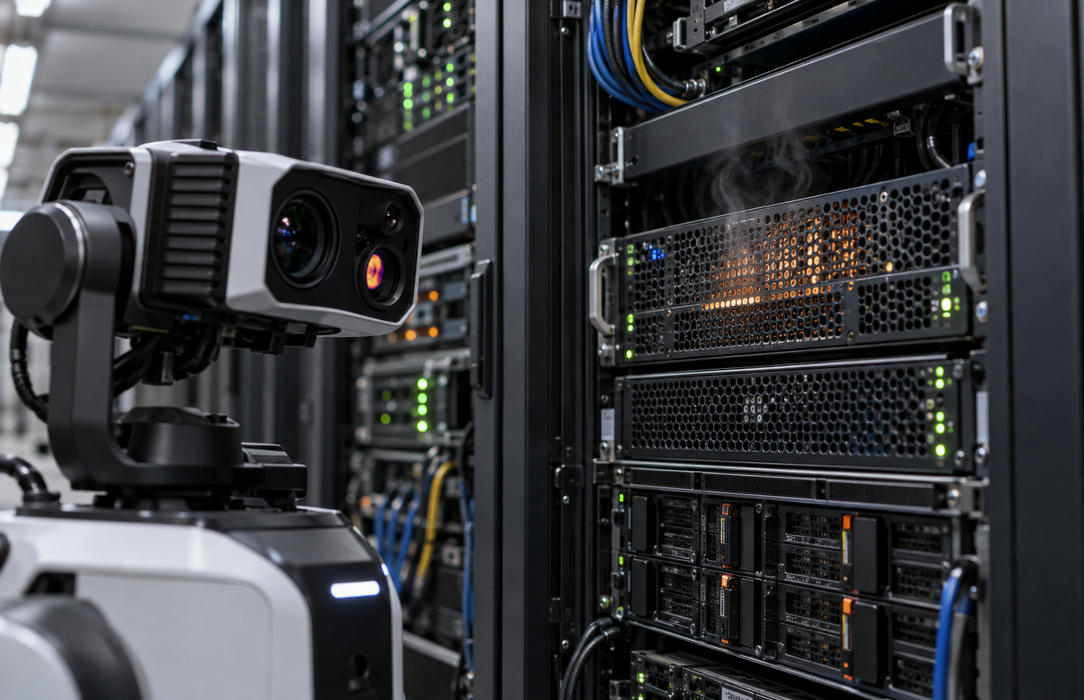
A single visual check was not enough. The inspection model needed to recognise asset categories and combine RGB, LiDAR, thermal, acoustic and environmental observations to identify different types of abnormal condition.
The initiative required inspection data to be collected and analysed in real time, with alerts reaching the control room quickly enough to support an appropriate response.
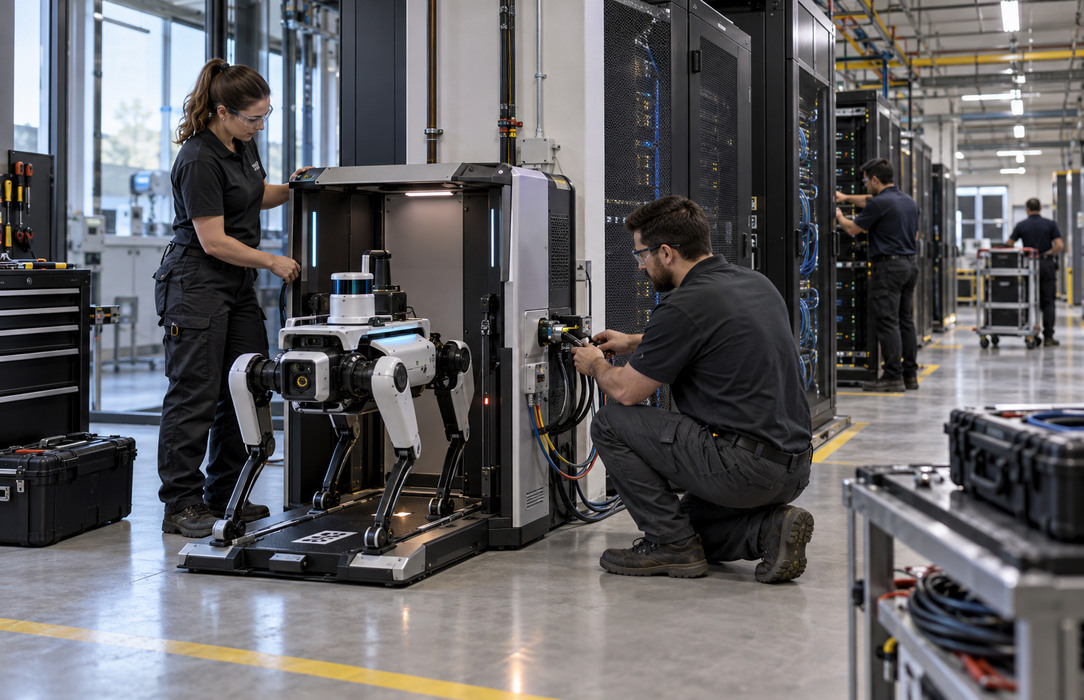
Autonomy could not become an isolated workflow. The solution needed human override, connection to existing platforms and an architecture able to support additional functionality over time.
NTT DATA developed a robot-enabled approach that links autonomous movement with multimodal sensing, real-time anomaly detection and operational integration. Each capability addresses a distinct requirement of the inspection process while preserving a route for specialist intervention.

The robot patrols predefined inspection routes and is designed to navigate the data center environment, including tight aisles, uneven surfaces and other potential obstacles.
RGB cameras, LiDAR, thermal imaging and environmental sensors support asset recognition and the detection of conditions such as overheating, unusual vibration, equipment damage, abnormal LEDs, unusual noise and hotspots.
Inspection data is collected and analysed as the robot moves. When the system identifies an anomaly, it can send an alert to the control room to support a faster operational assessment.
Operators can take direct control when a closer inspection is needed. APIs support integration with existing platforms, while the digital twin provides a training environment and the architecture allows for future functional extensions.
The autonomous inspection approach supports less dependence on manual rounds and more consistent observation of critical assets. By combining repeatable patrols, multiple sensor types, real-time anomaly detection, alerts and remote intervention, it can help teams standardise inspection, strengthen operational visibility and respond earlier to emerging conditions. These are supported value signals from the source, not measured outcomes. Any claim relating to labour reduction, downtime, efficiency, safety, reliability or continuity requires quantified client evidence before publication.
success stories
