- All Foundries

- Commodity Management & Trading

- Customer & Marketing Strategy

- Digital Engineering

- Station Studio

- Supply Chain & Industry 5.0
- Sustainability

- Physical AI

- Next-Gen Infrastructure

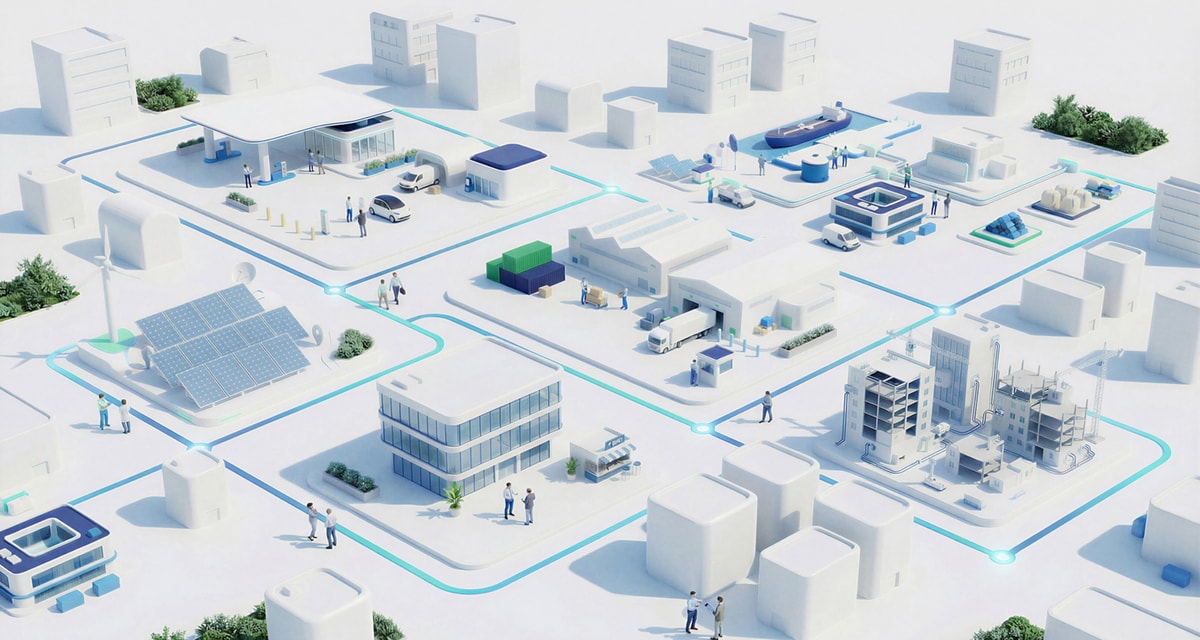

All Foundries
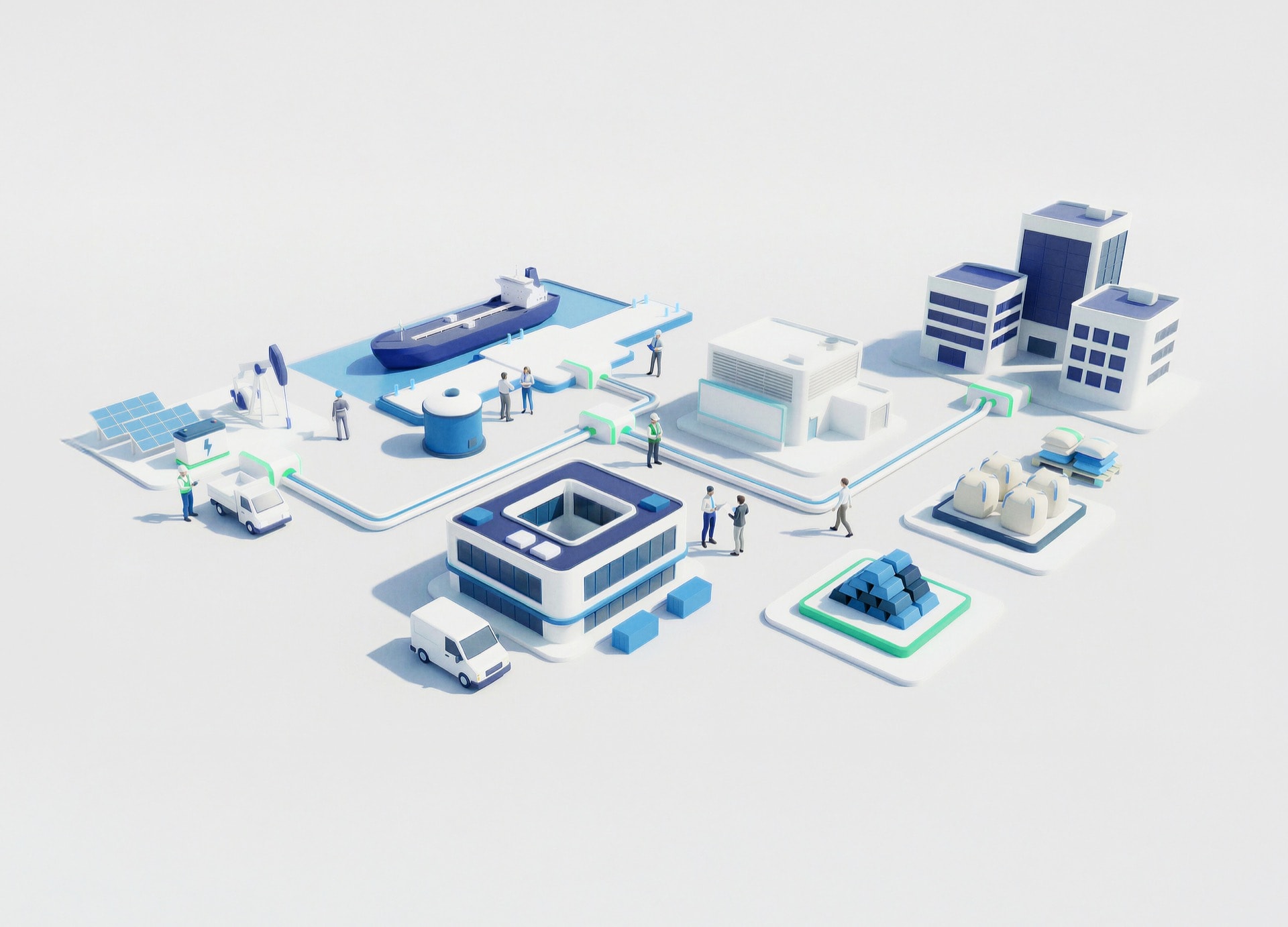
Commodity Management & Trading
Transforming trading ecosystems through data-driven insights and secure, agile platforms that empower global commerce.

Customer & Marketing Strategy
Reimagining customer engagement with personalized, connected experiences that build trust and long-term value.
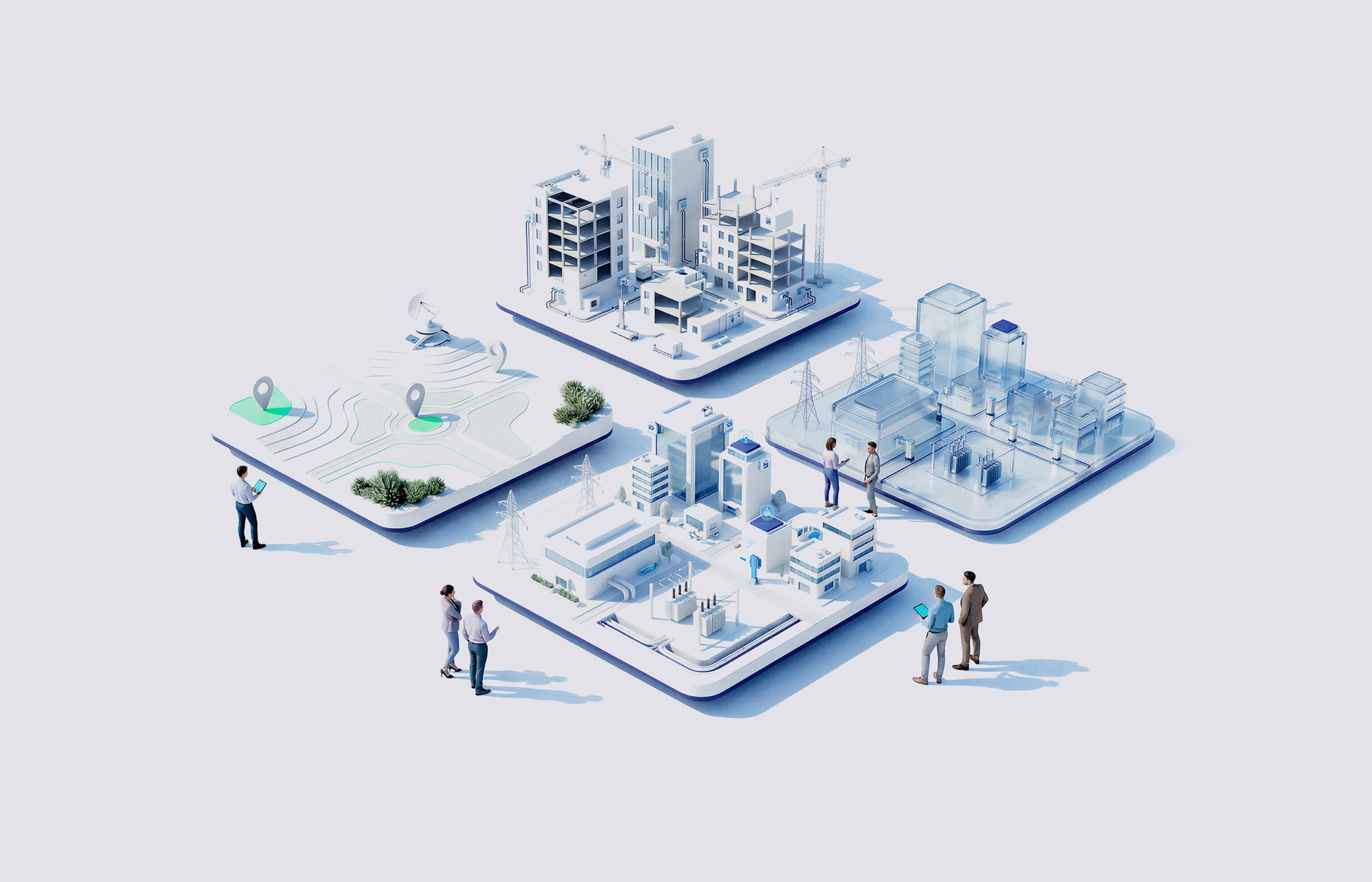
Digital Engineering
Turning ideas into scalable digital solutions—accelerating transformation through design, technology, and engineering excellence.
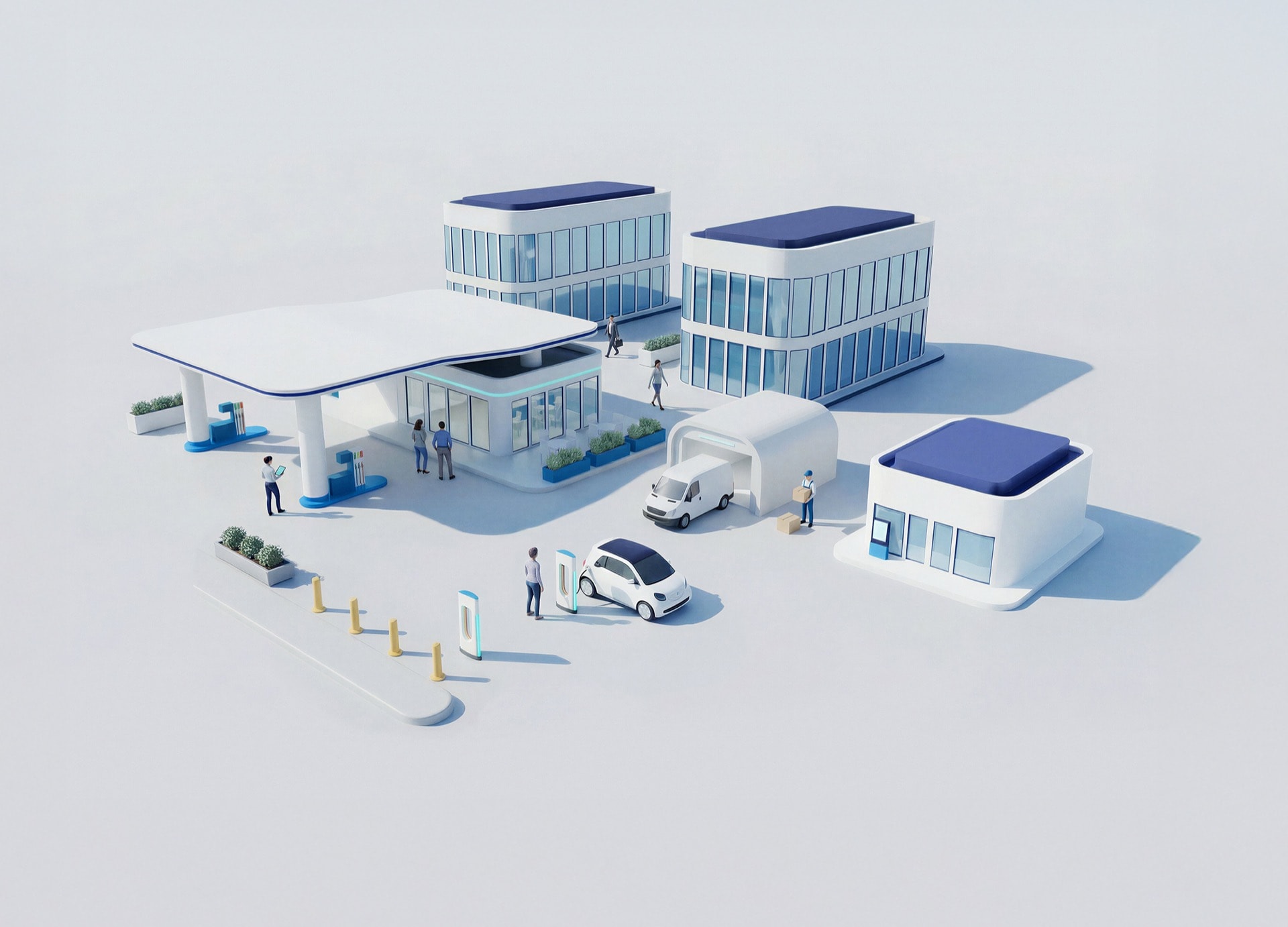
Station Studio
Redefining mobility hubs with digital innovation to create smarter, sustainable experiences for people and businesses on the move.
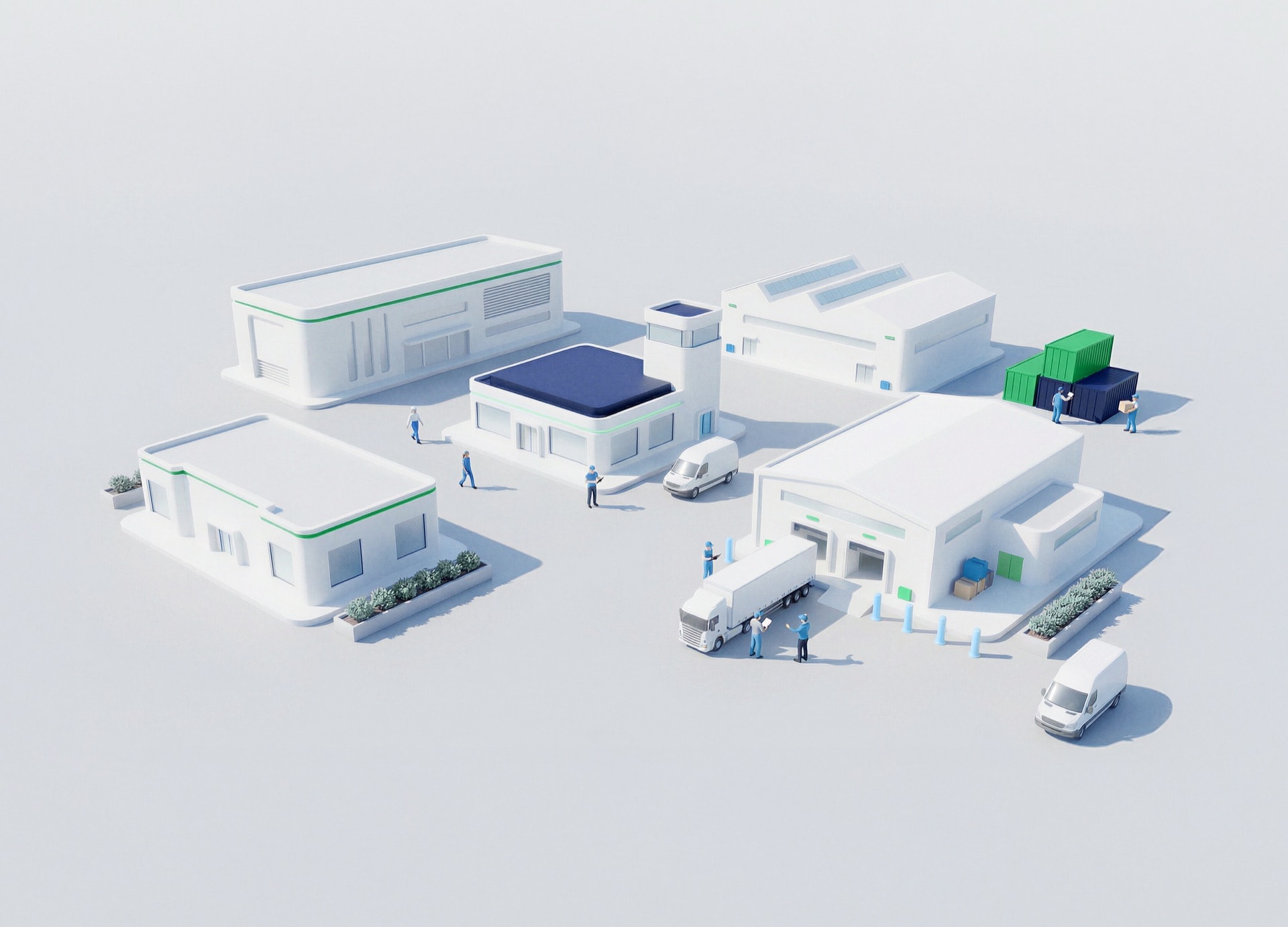
Supply Chain & Industry 5.0
Building resilient, intelligent supply networks that anticipate change and deliver efficiency with purpose.
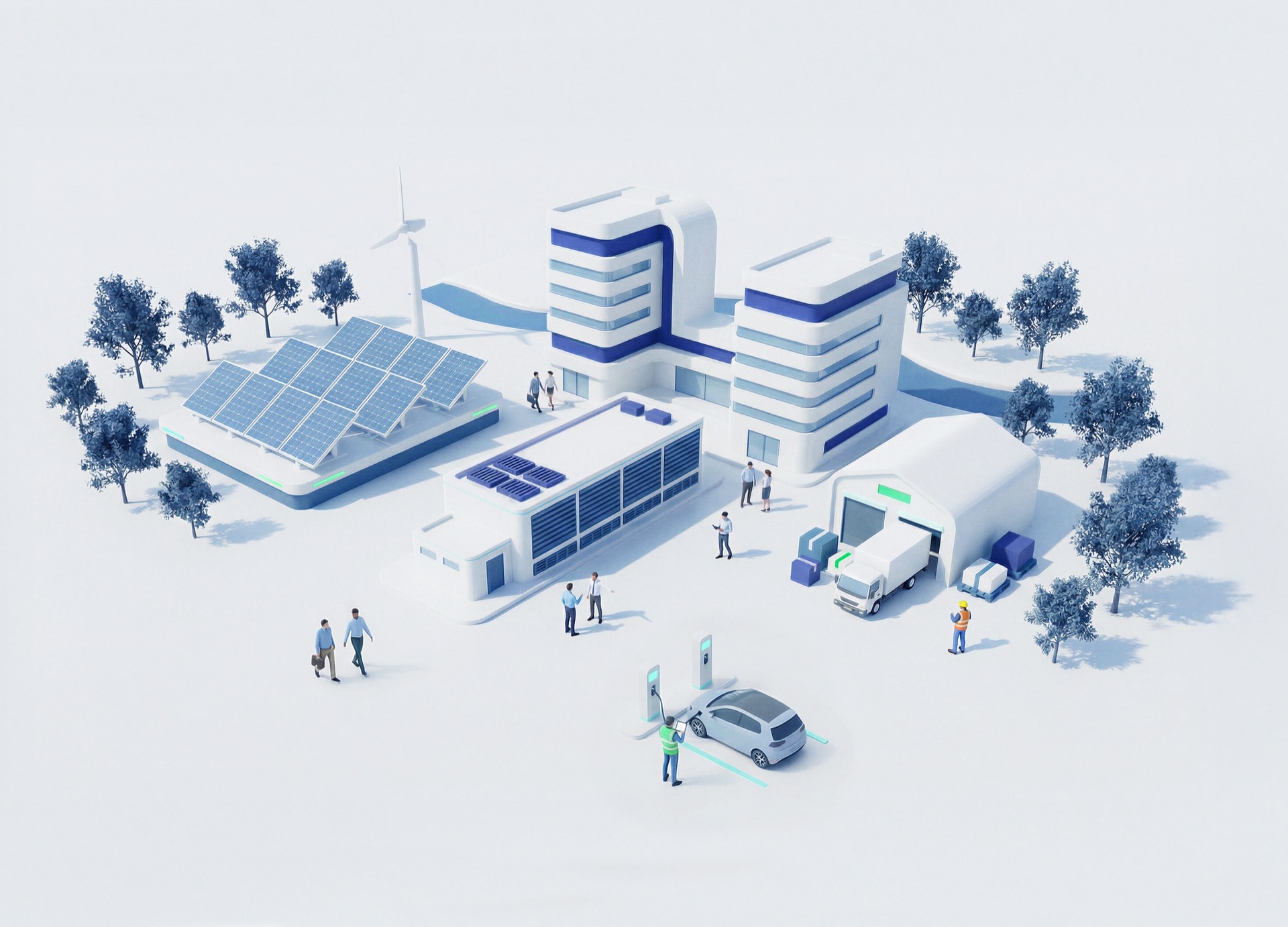
Sustainability
Driving responsible innovation to help organizations achieve net-zero goals and create a positive impact for future generations.
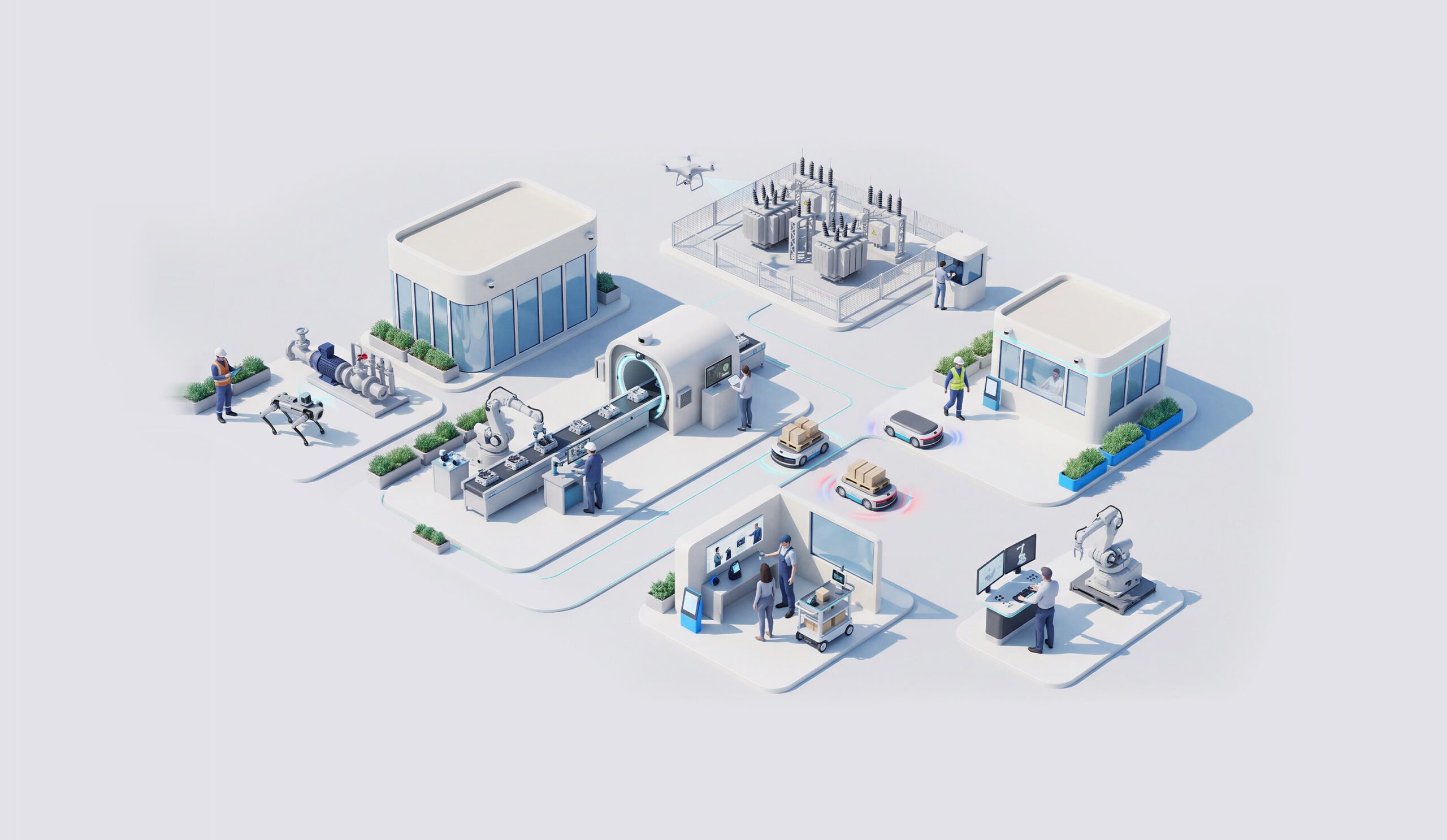
Physical AI
Physical AI gives machines, robots and physical operations the ability to perceive their environment, decide what matters and act in real time. Factories, plants, stores and infrastructure become systems able to sense conditions, learn from them and improve on their own, closing the gap between the physical and the digital world.
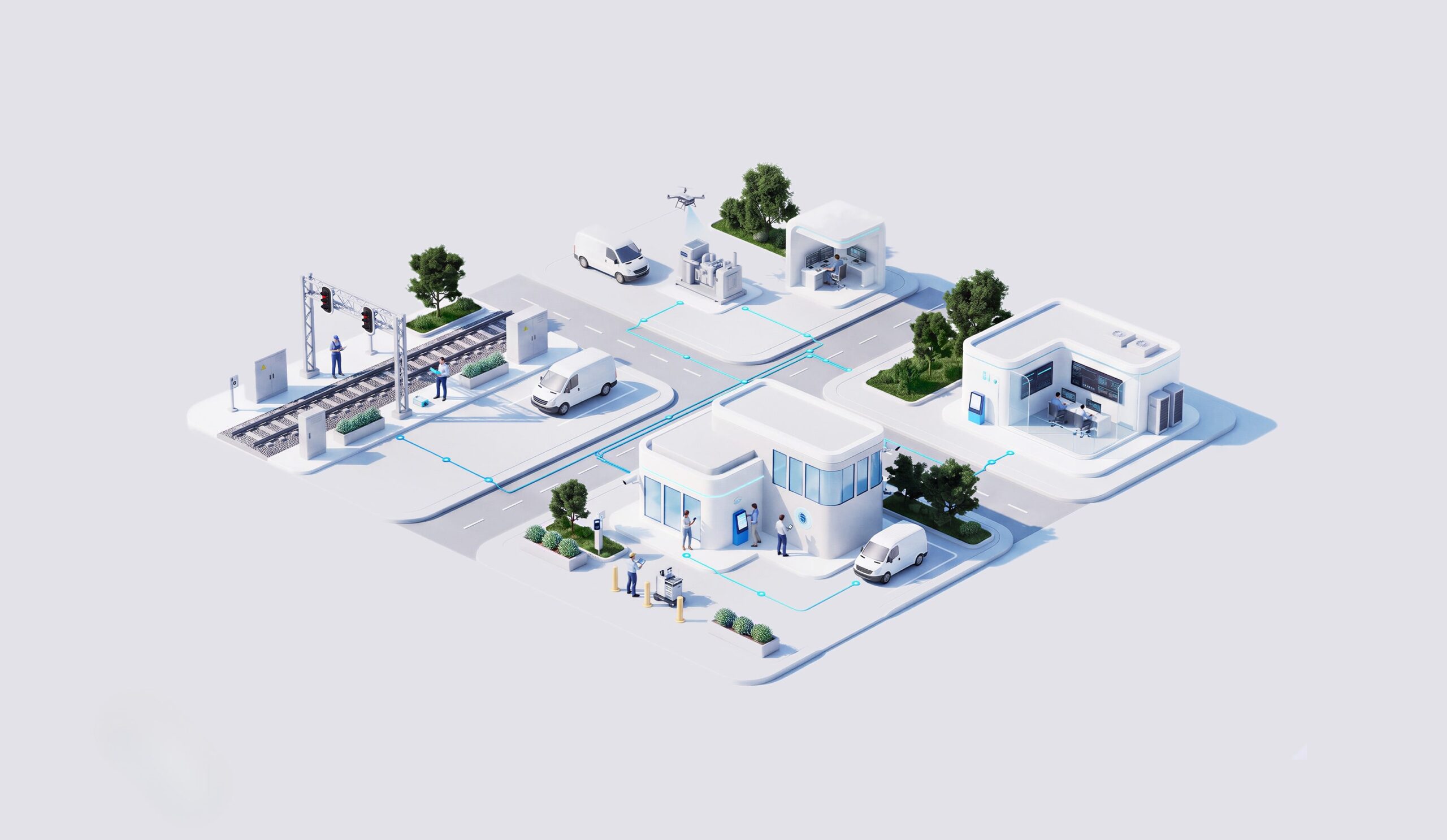
Next-Gen Infrastructure
From networks as infrastructure to connected platforms that enable critical, autonomous and intelligent operations.


Route Intelligence Optimization
A services operator improved efficiency and sustainability by combining an operational assessment with a Transportation Management System for optimized routing.

Routes
Distance reduced
Cost
Logistics savings
CO2
Emissions lowered

From operational assessment to data-driven logistics execution
Driving Complex Global Transformations
Proven delivery overcoming complex multi-country business challenges
Key Challenges

Manual and suboptimal route planning

Limited real-time visibility into field operations

Growing pressure to reduce environmental impact
Solution

Performed a detailed efficiency assessment of service operations
Identified route optimization as the highest-impact lever
Implemented a Transportation Management System with advanced planning capabilities
Enabled real-time tracking and operational visibility
Impact
Lean operations with measurable impact
Reduced total distance traveled while maintaining service coverage.
Increased vehicle load factor and operational efficiency.
Lowered logistics costs and emissions footprint.
Improved traceability and real-time operational control.
Featured
success stories
success stories
Empowering field operations through digitalized service management and improving safety conditions trough connected worker technologies
View all success stories