- All Foundries

- Commodity Management & Trading

- Customer & Marketing Strategy

- Digital Engineering

- Station Studio

- Supply Chain & Industry 5.0
- Sustainability

- Physical AI

- Next-Gen Infrastructure














Autonomous Networks & Zero Touch
Network complexity is outgrowing manual operations. AI, orchestration and assurance can detect conditions, decide and act across domains, but autonomy without clear intent, trustworthy data and operational guardrails can accelerate the wrong response. The challenge is to automate routine decisions while keeping service outcomes, risk and accountability under control.

Correlation, diagnosis and approved remediation can run as one loop, reducing the delay created by manual triage and cross team handoffs.
Predictive signals can trigger targeted action when evidence and policy thresholds are met, then verify whether the service recovered.
Intent and orchestration can align access, transport, core and cloud actions around the same service outcome, without hard coding every path.
Operations teams can spend less time processing duplicate alarms and routine changes, and more time on exceptions, improvement and high risk decisions.
How NTT DATA helps
Assess autonomy by operational scenario, not as one score for the whole network. Map current decision rights, data quality, handoffs, controls and measurable value, then define the target journey using an industry aligned levels framework.

Connect inventory, topology, telemetry, service data and change history so each decision is based on the live network, not an incomplete model of it. Data ownership and quality controls become operating requirements, not a separate analytics exercise.

Link observation, analysis, decision, action and verification across network and IT domains. Each loop should state its intent, trigger conditions, permitted actions, confidence threshold, success measure and route back to a stable state.
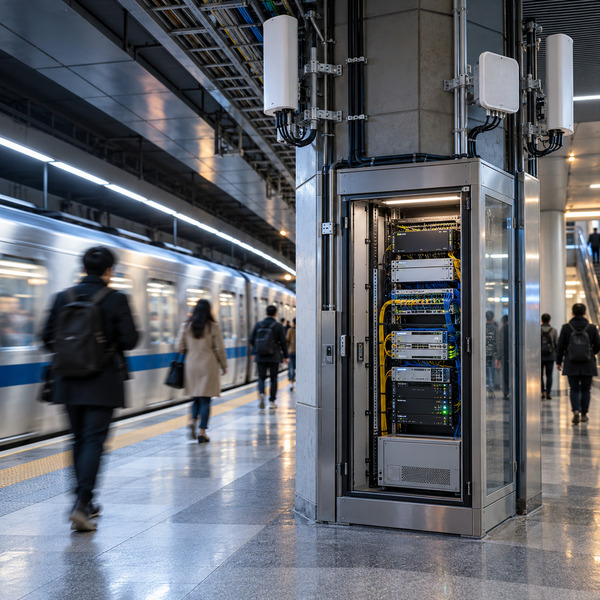
Define approvals, security policy, segregation of duties, audit evidence, rollback and human escalation before automation reaches production. High impact or unfamiliar conditions remain under accountable human control.

Start with high volume, well understood scenarios where value and risk can be measured. Use production evidence to expand the loop, update processes and skills, and align network, service, security and reliability teams around shared outcomes.
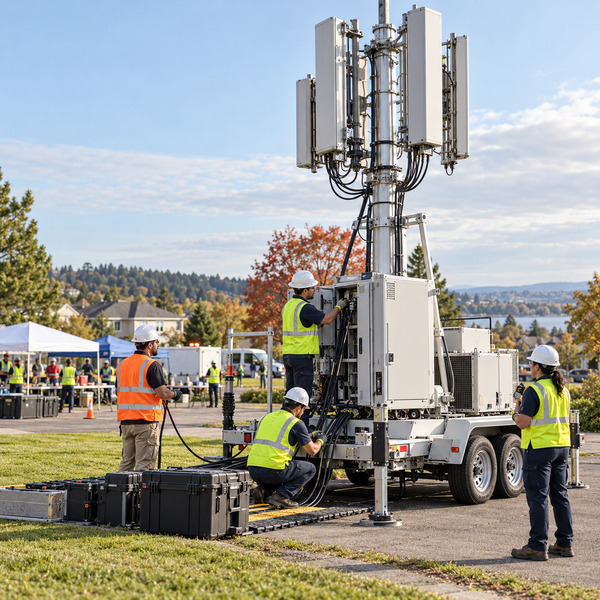

After a two-year production trial, a major European communications provider integrated an AI-powered platform into its network operations, with topology-aware alarm correlation expected to reduce the daily alarm volume presented to operations teams by 70%.
This marks a practical step towards zero-touch operations: improving signal quality, accelerating intervention and creating the foundation to automate selected decisions as evidence and controls mature.
Track how long the full loop takes from a trusted signal to verified recovery, including any human approval or cross domain handoff.
Measure how much operational noise is removed and how reliably the remaining events identify service relevant conditions.
Monitor successful actions, reversals, failed verifications and escalations so automation quality is visible before scope expands.
Connect each loop to service level, experience and resilience outcomes, not only to the number of tasks completed without touch.
Start with the decisions that matter, the evidence they require and the controls that make autonomous action trustworthy.