- All Foundries

- Commodity Management & Trading

- Customer & Marketing Strategy

- Digital Engineering

- Station Studio

- Supply Chain & Industry 5.0
- Sustainability

- Physical AI

- Next-Generation Infrastructure

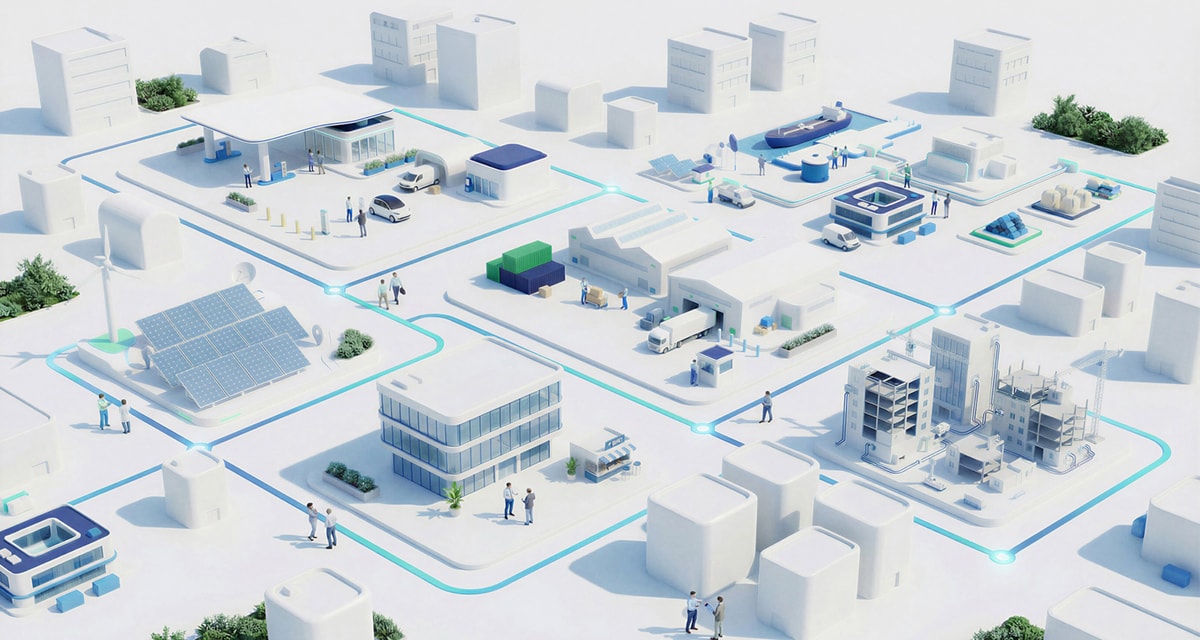





Climate risk intelligence platforms
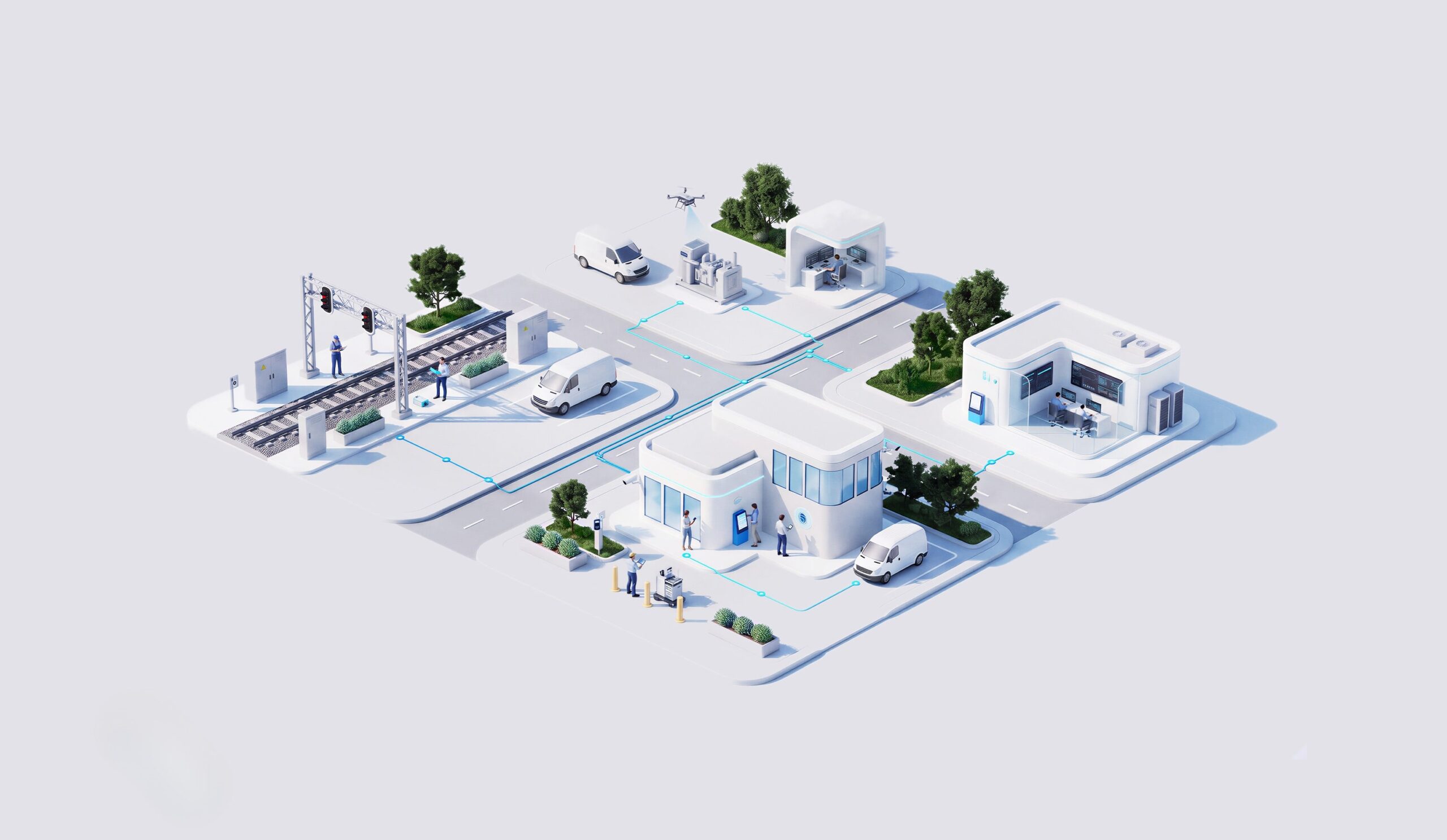
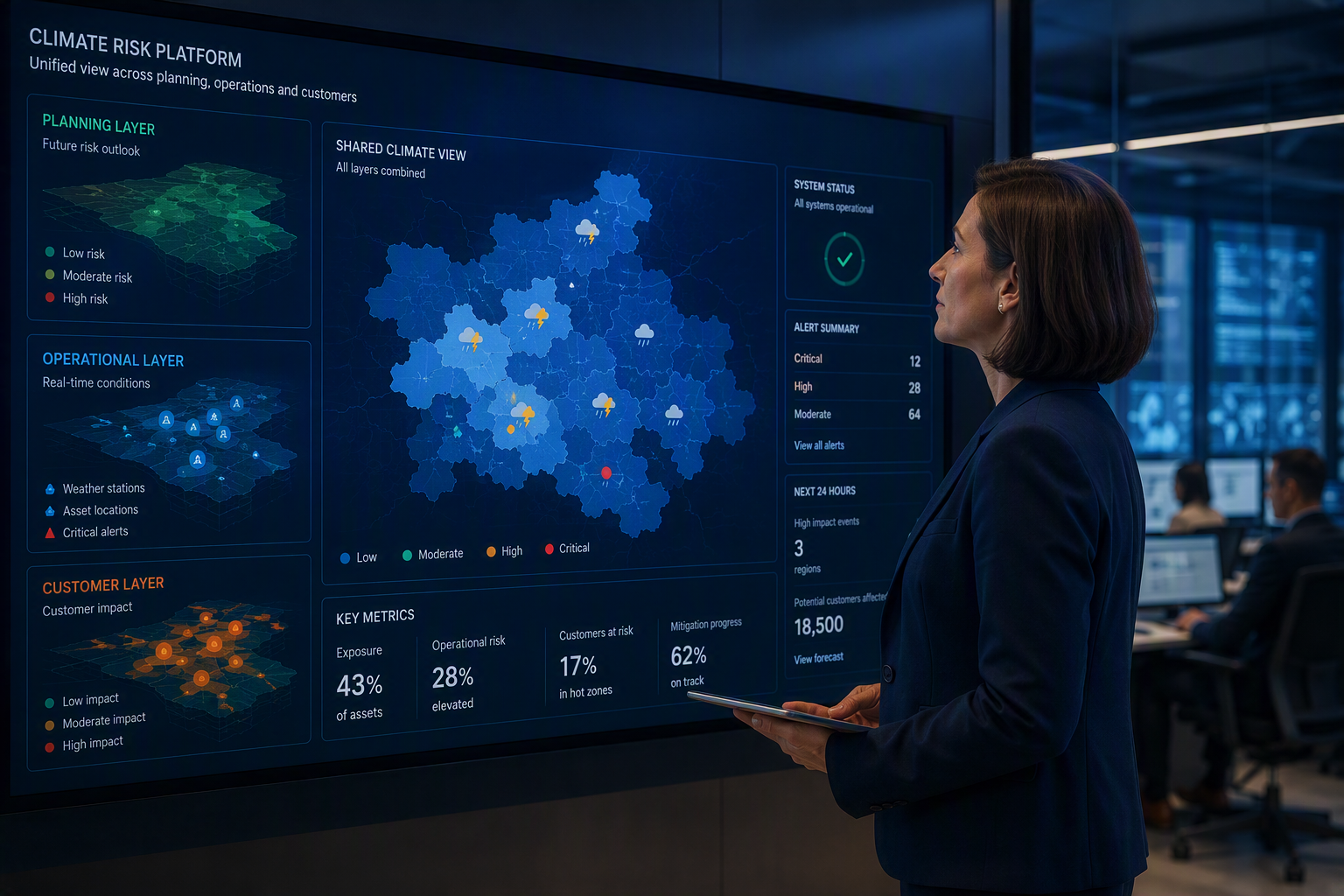
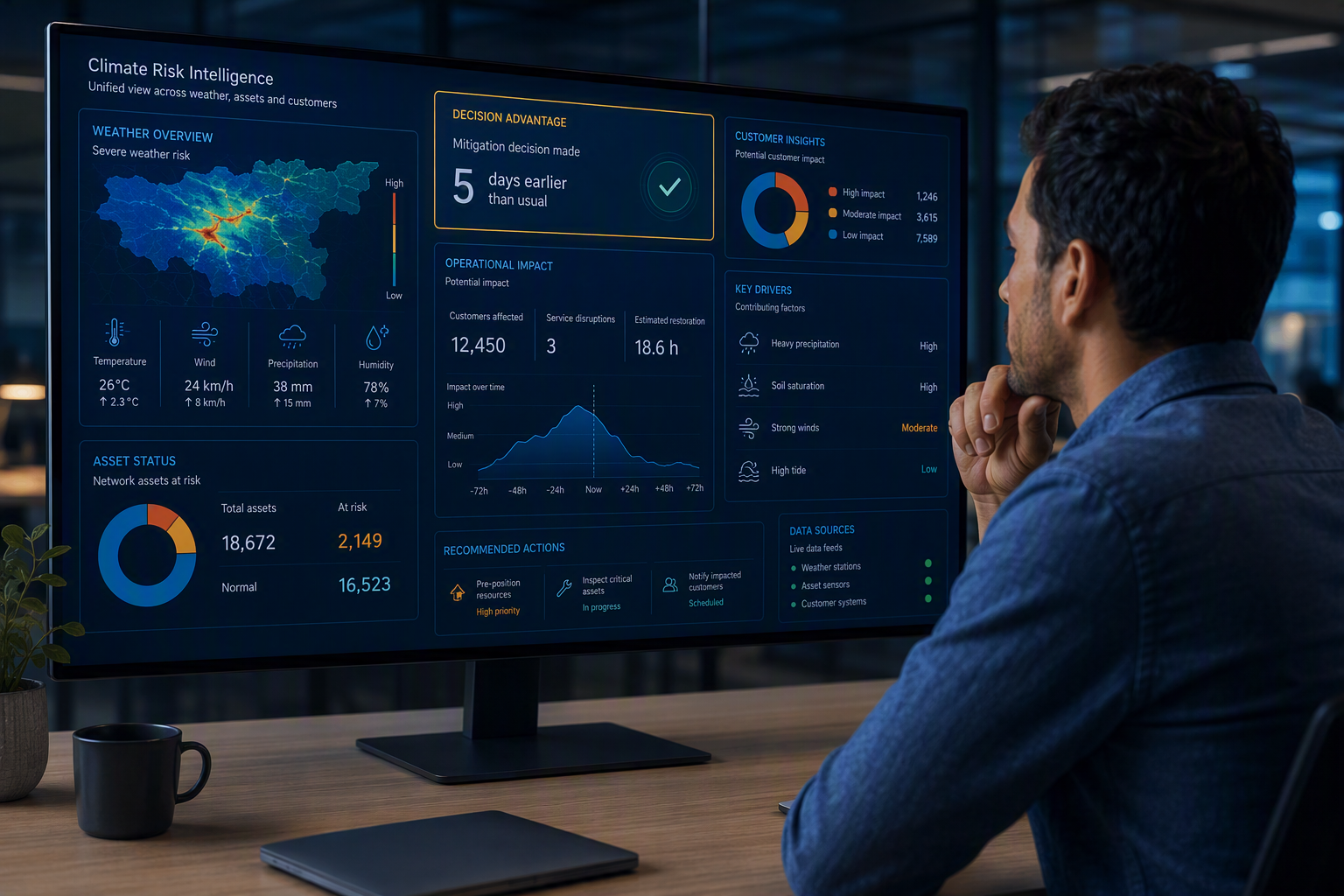
Planning, operations and customer teams often track climate risk on separate spreadsheets and tools. A shared platform turns this fragmented view into one source of truth for the whole business.
Climate risk intelligence platforms help every team act on the same view of exposure, not their own version of it.

Cloud platforms and APIs keep risk data flowing to every team, even during your highest-impact events.
Edge-ready architecture gets climate risk signals to planning and operations teams faster, when timing drives the decision.
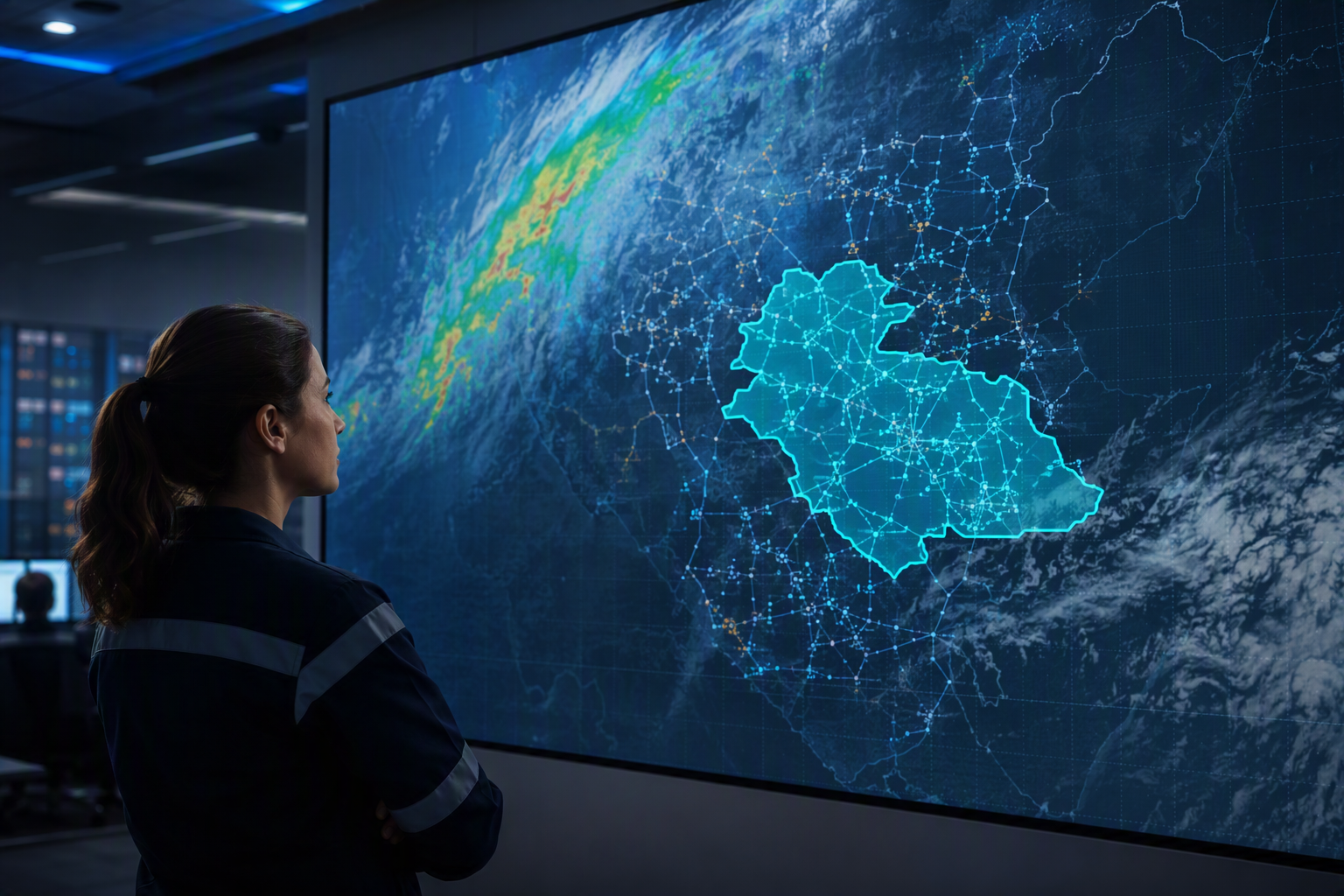
Geospatial analytics and earth observation give every team the same view of exposure across generation, transmission and distribution.
APIs connect the platform to customer and distributed energy resource (DER) systems, extending climate risk visibility beyond your own assets.
How NTT DATA helps
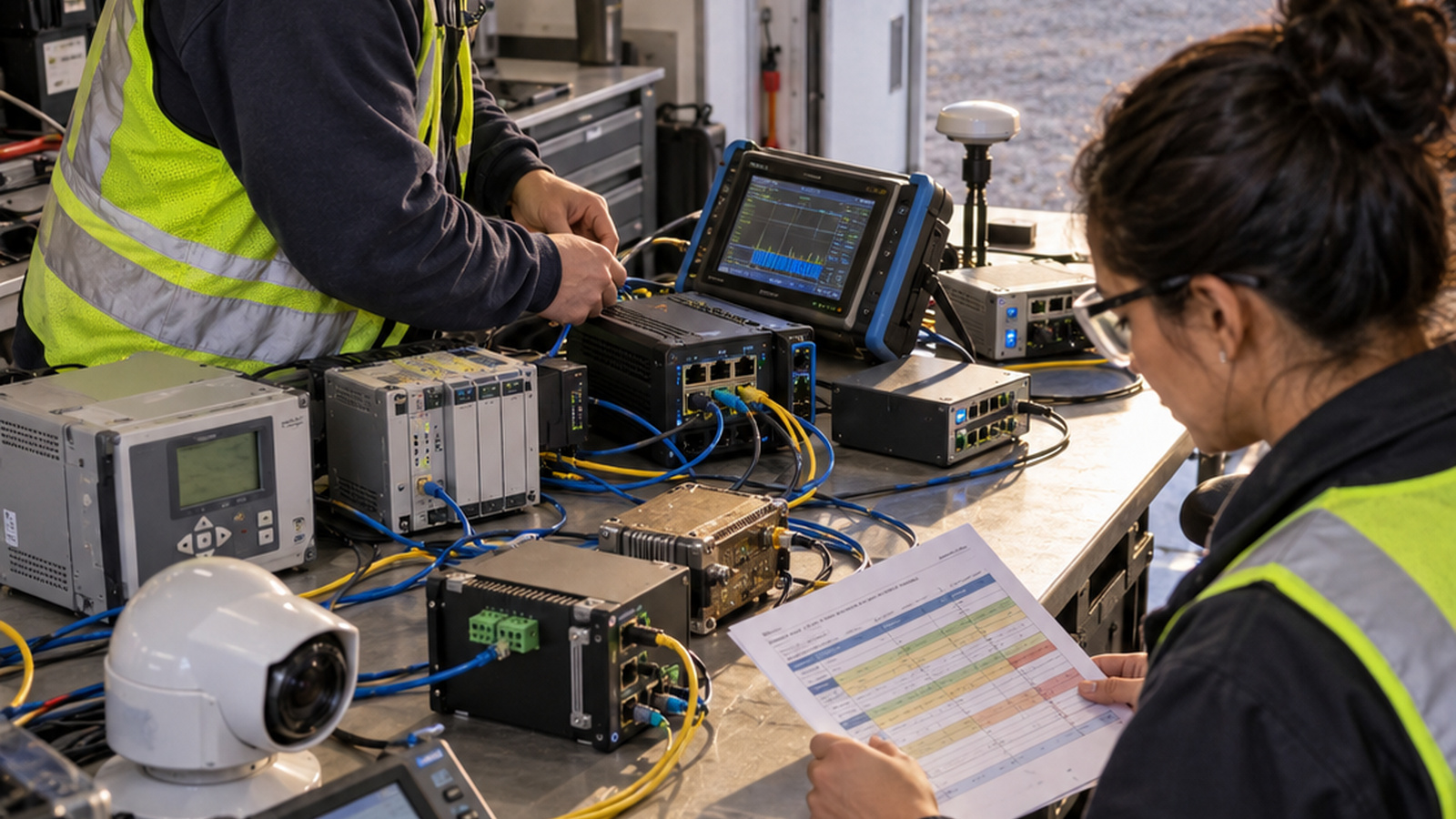
NTT DATA brings together weather intelligence, geospatial, earth observation, asset and enterprise data your climate risk platform depends on.
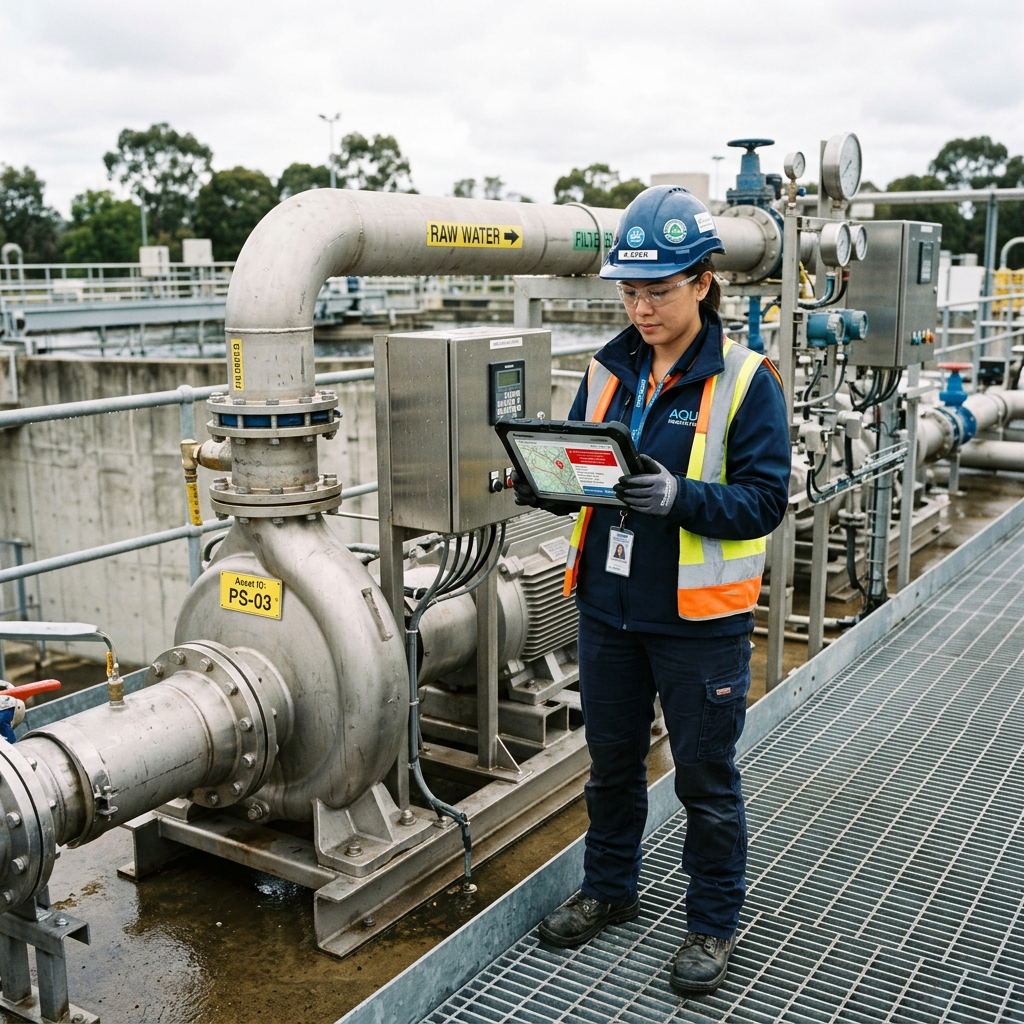
AI/ML sits where a planning, operations or customer decision happens, delivered through APIs your teams already use.
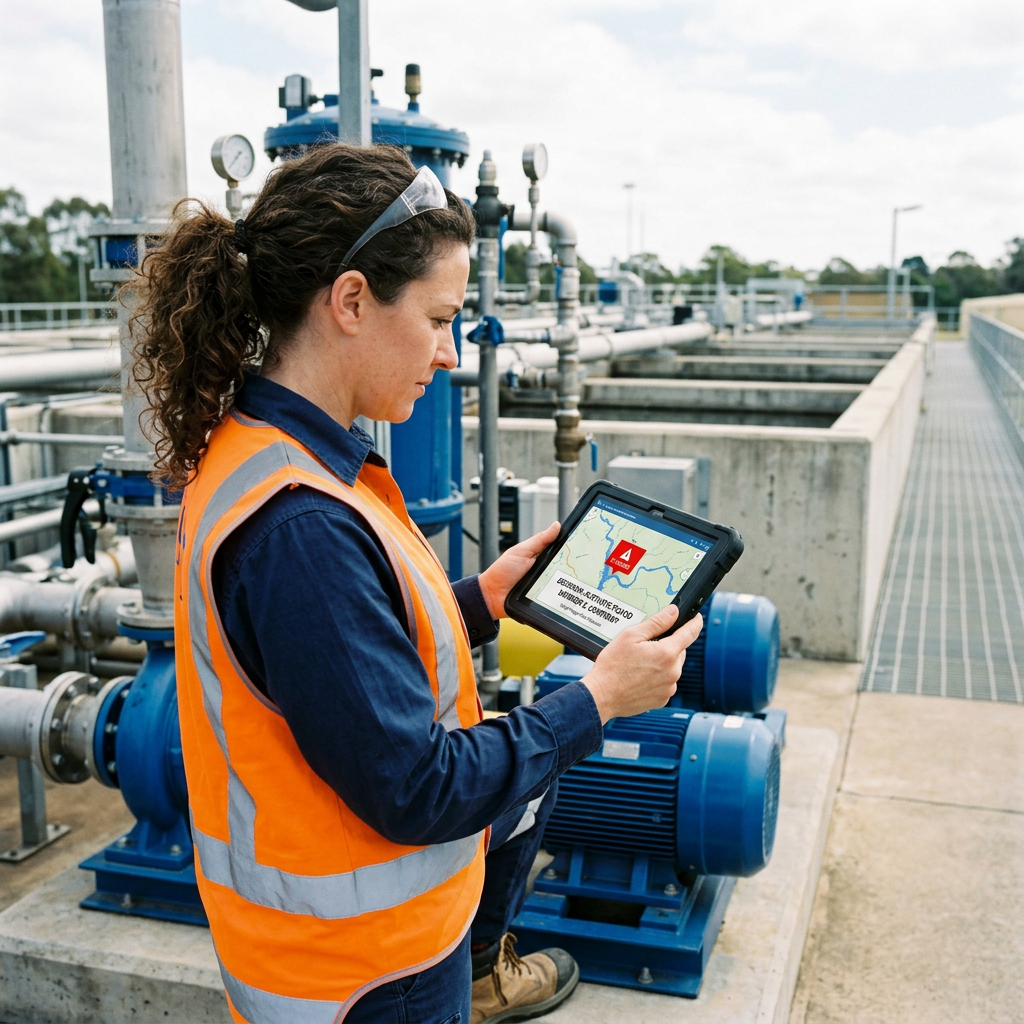
Cloud platforms connect the risk view into your existing operational technology (OT) and enterprise systems, not another isolated layer.

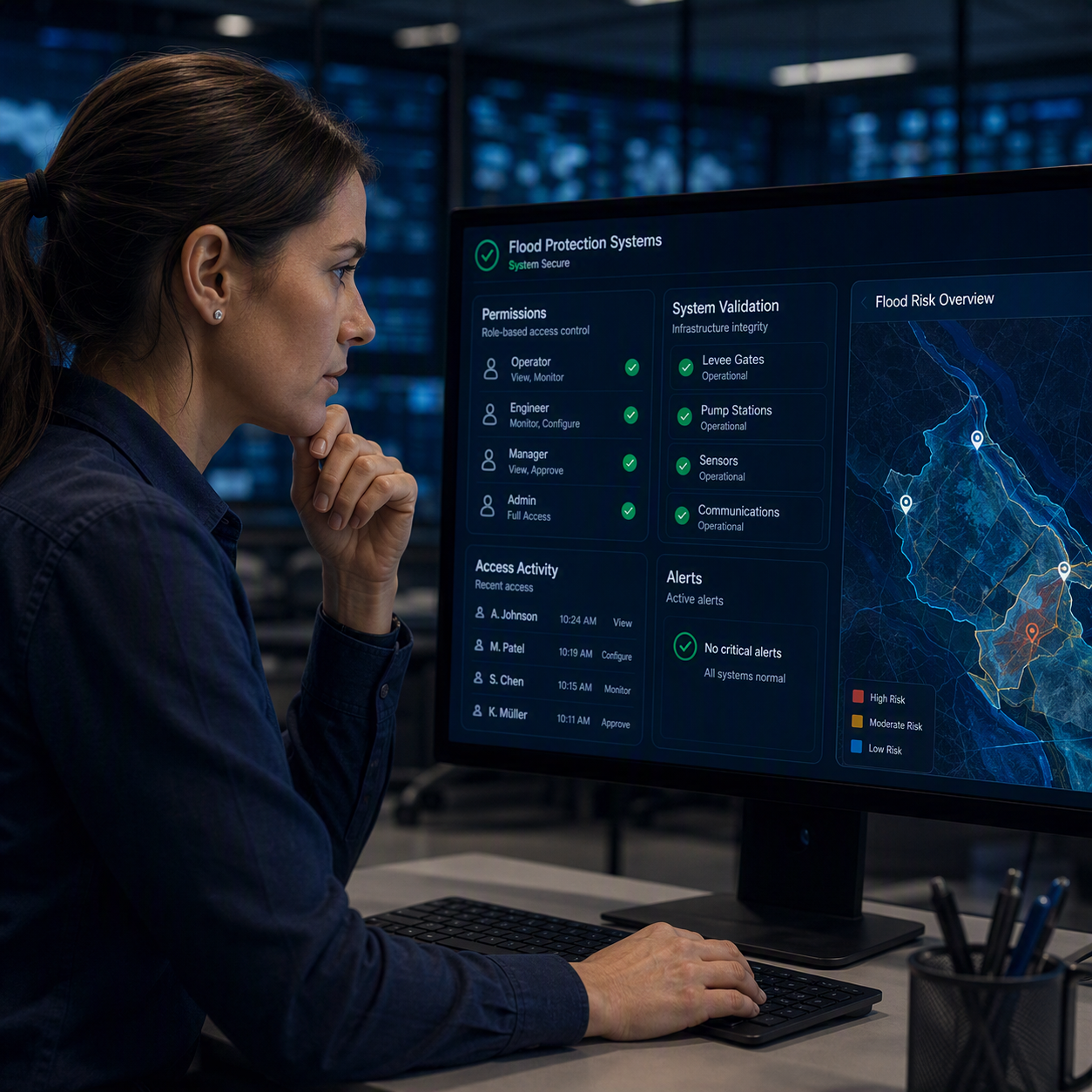
Permissions, cybersecurity controls, validation and fallback mechanisms get defined to match the safety bar your operations require.
Each new platform use case grows from a controlled deployment measured against clear operational KPIs, so scale-up follows evidence, not guesswork.
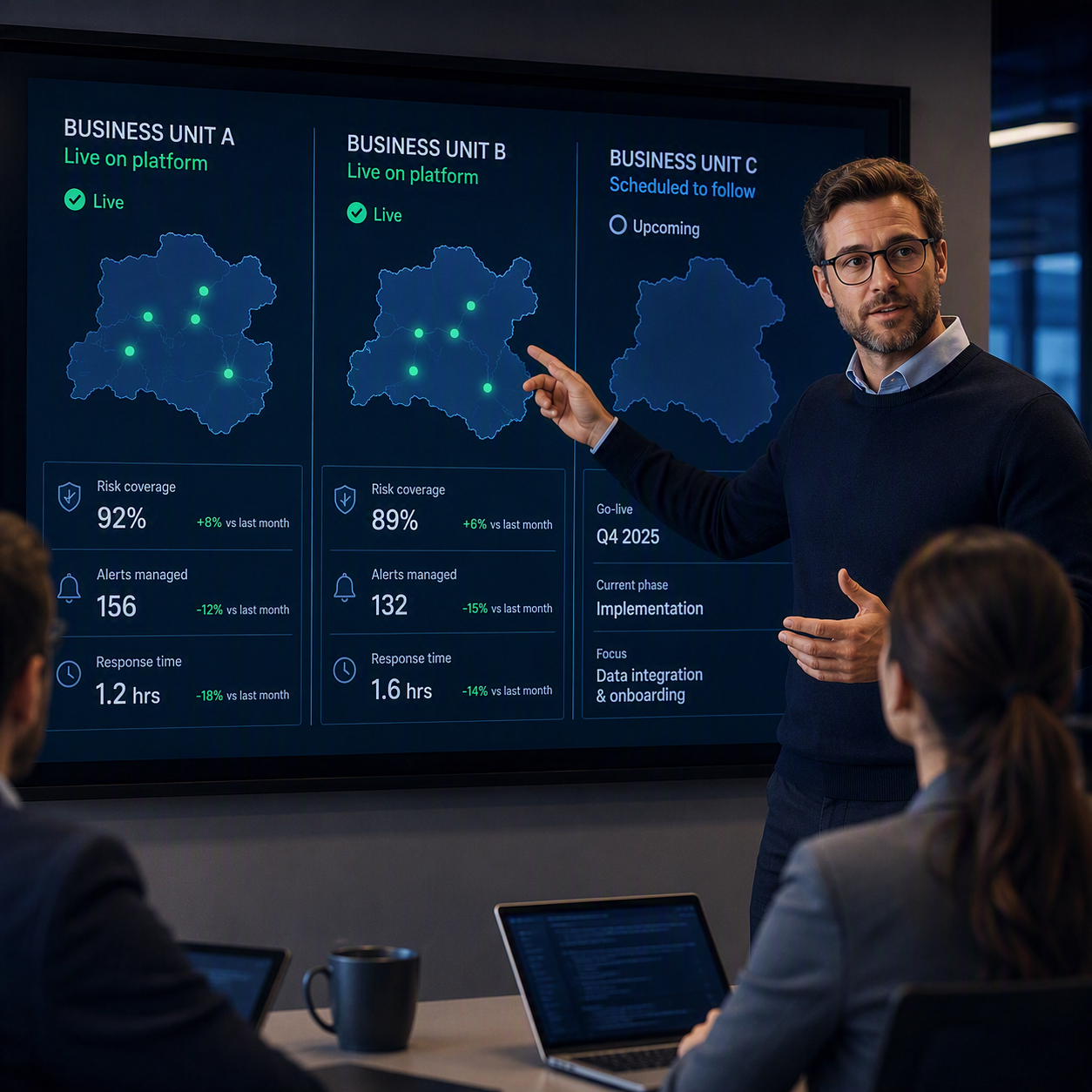
Objectives depend on baseline performance, infrastructure and deployment scope across climate-risk and flexibility operations.
Objectives depend on baseline performance, infrastructure and deployment scope across climate-risk and flexibility operations.
5% to 15% improvement in availability, reflecting more resilient connectivity across distributed and critical infrastructure.
20% to 50% reduction in critical data latency, reflecting quicker movement of risk signals to the teams acting on them.
20% to 40% reduction in manual data handling, reflecting less dependence on moving information between separate tools.
20% to 40% reduction in time to operational insight, reflecting faster movement from platform data to a business decision.
Shape the conversation that turns fragmented climate risk into one enterprise platform.