- All Foundries

- Commodity Management & Trading

- Customer & Marketing Strategy

- Digital Engineering

- Station Studio

- Supply Chain & Industry 5.0
- Sustainability

- Physical AI

- Next-Generation Infrastructure









AI for wildfire prevention
Vegetation, wind and equipment conditions change daily, but many utilities still assess wildfire risk on seasonal inspections. AI for wildfire prevention brings machine learning into daily line and vegetation decisions.
AI for wildfire prevention helps you catch ignition risk earlier and act before conditions turn dangerous.

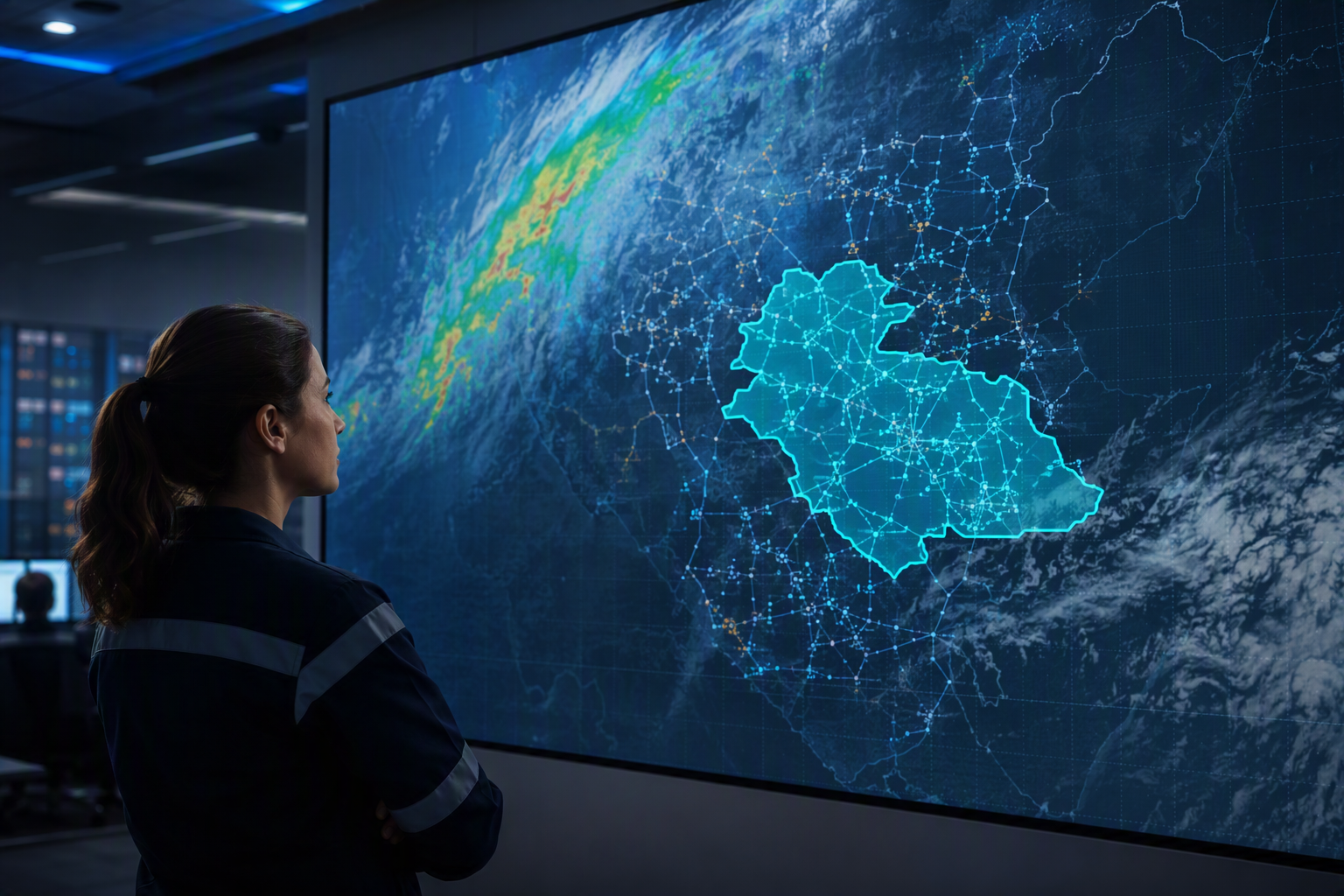
Machine learning models combine weather intelligence and earth observation data to flag ignition risk before it becomes a fire.
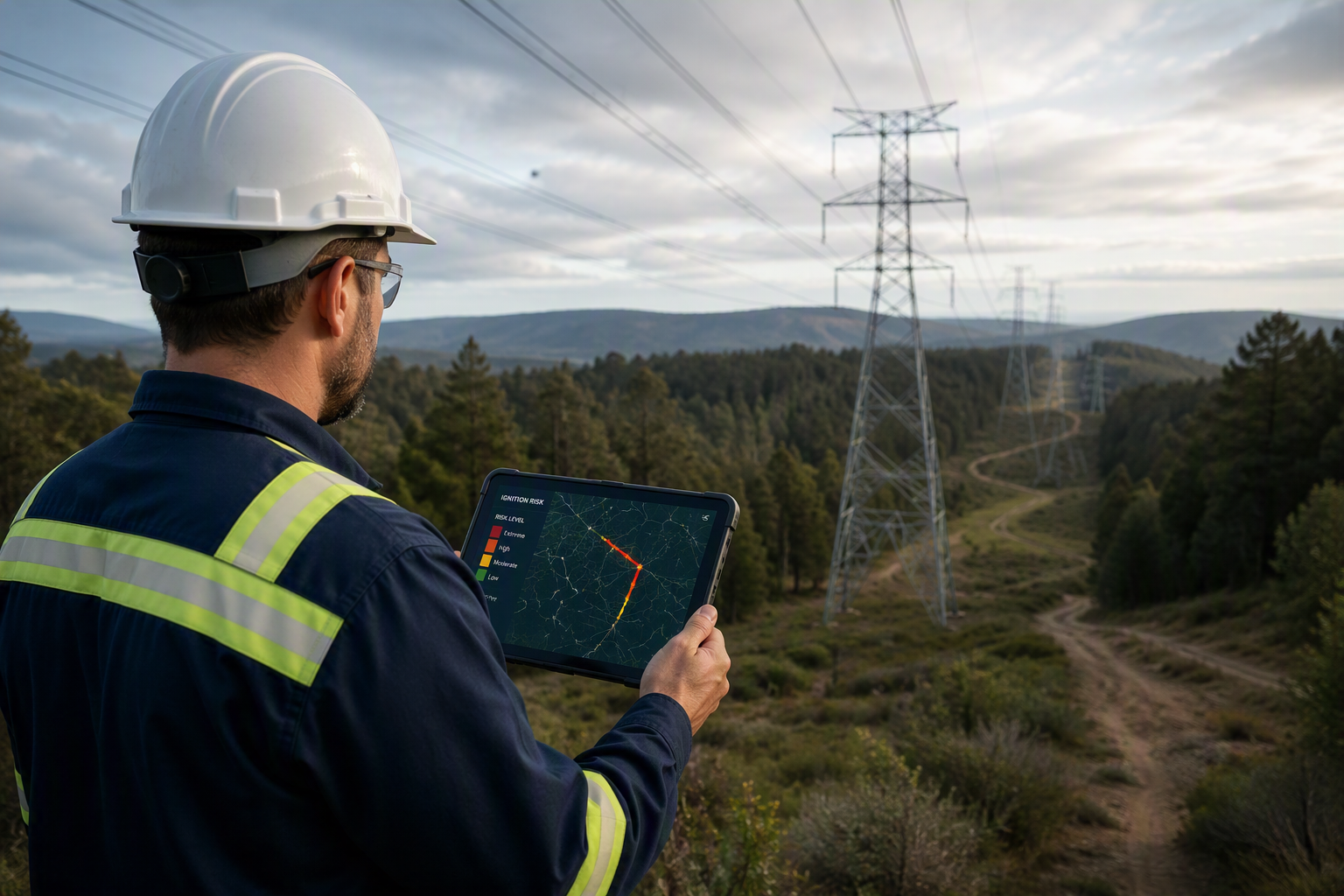
Geospatial analytics rank line sections and vegetation zones by ignition risk this week, not last season.
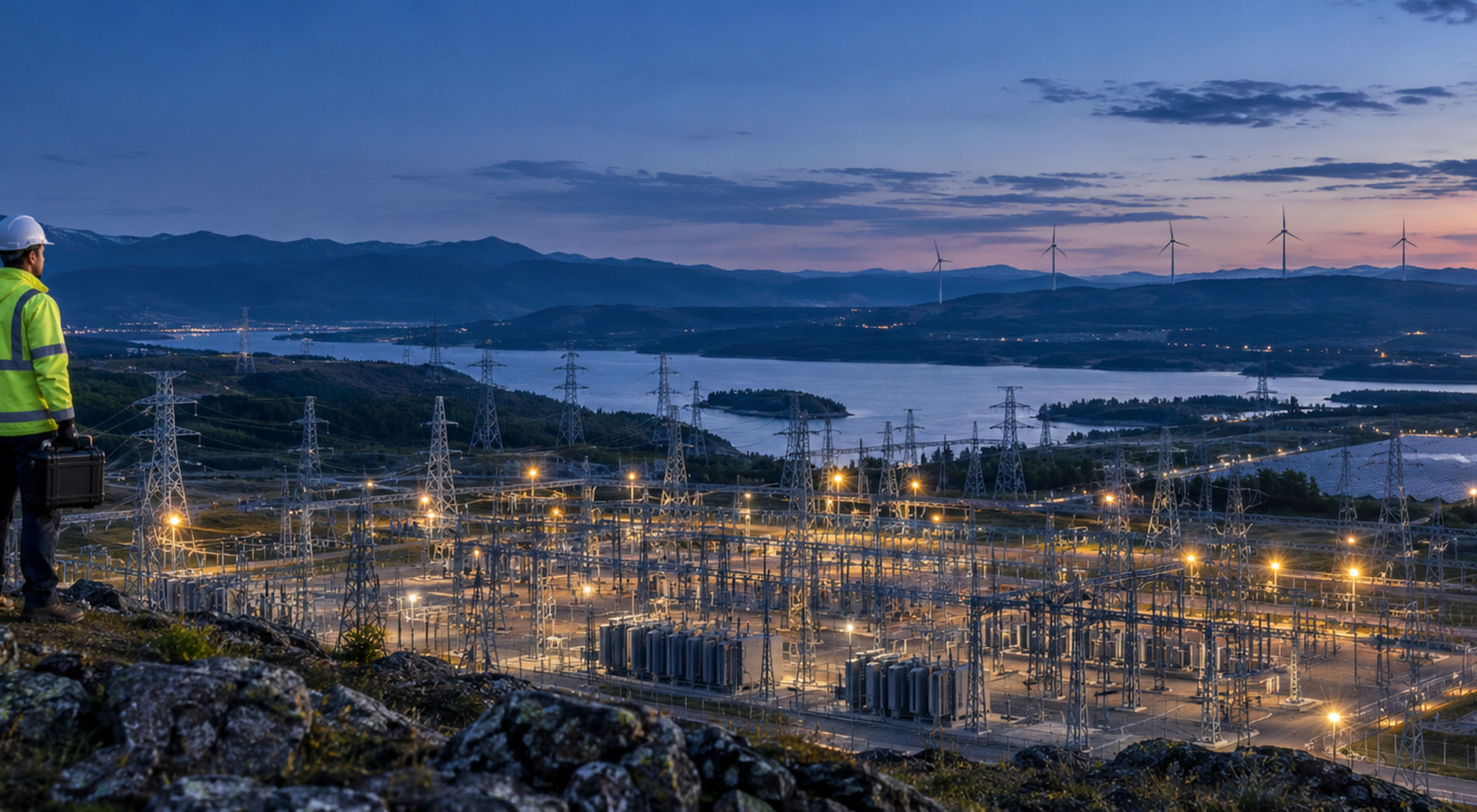
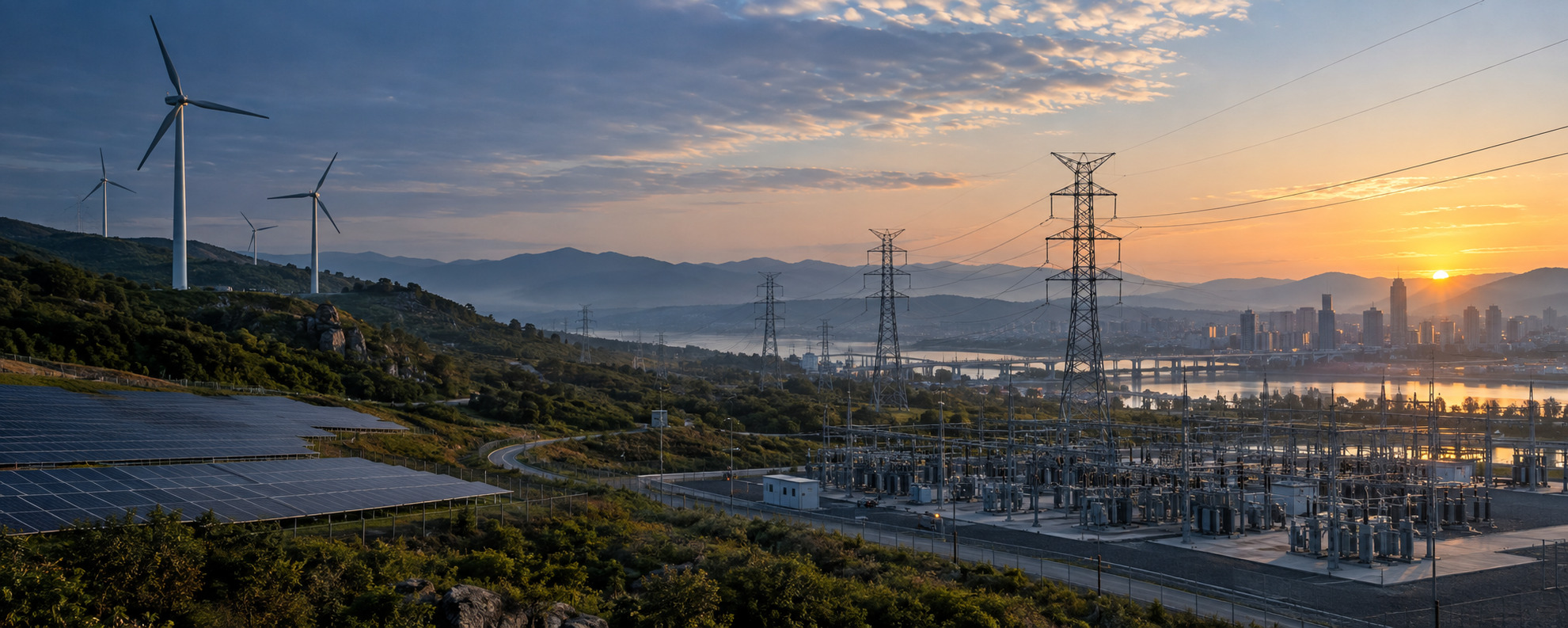
Artificial intelligence links ignition risk directly to specific transmission and distribution assets, guiding targeted protection.
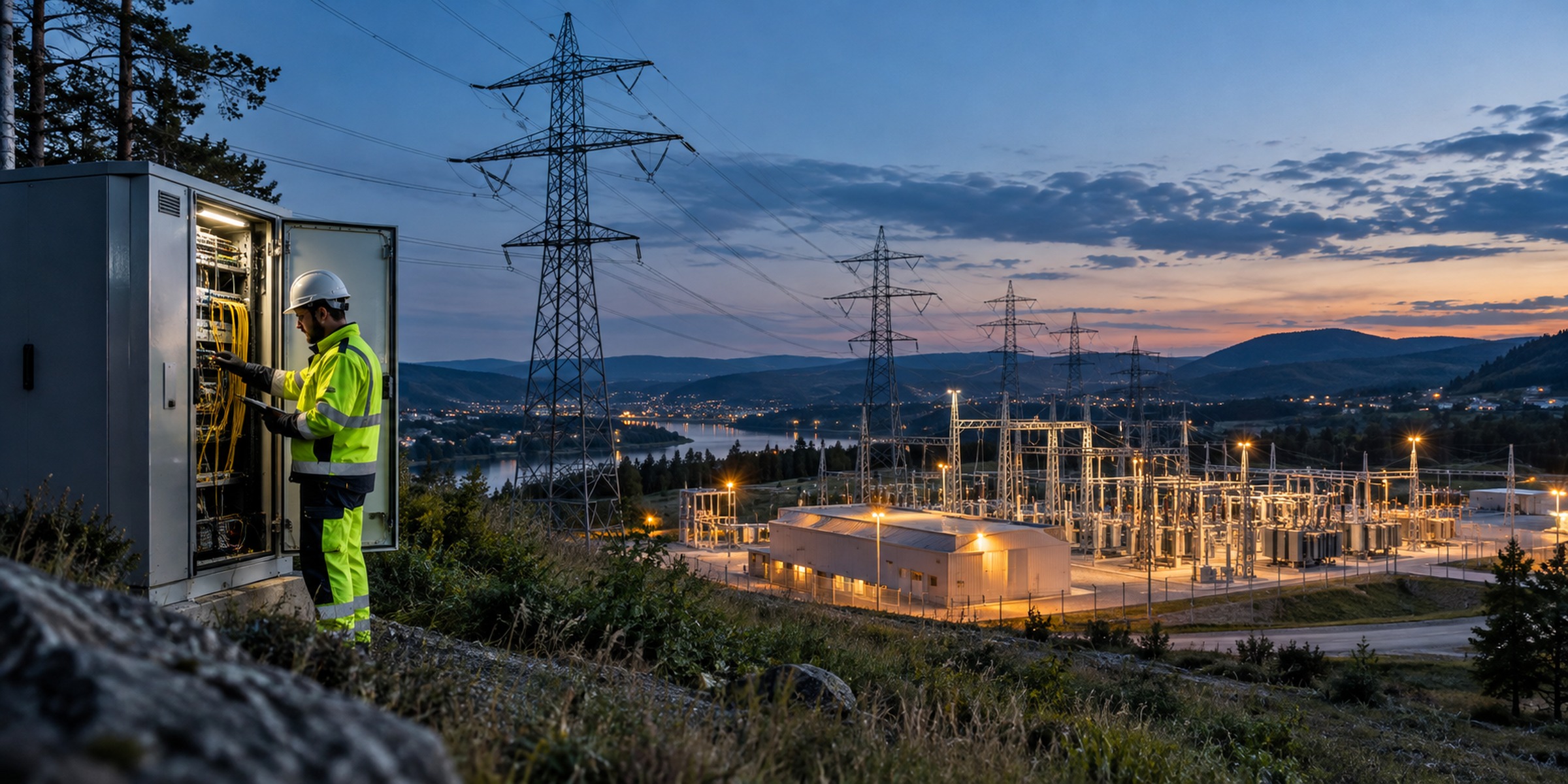
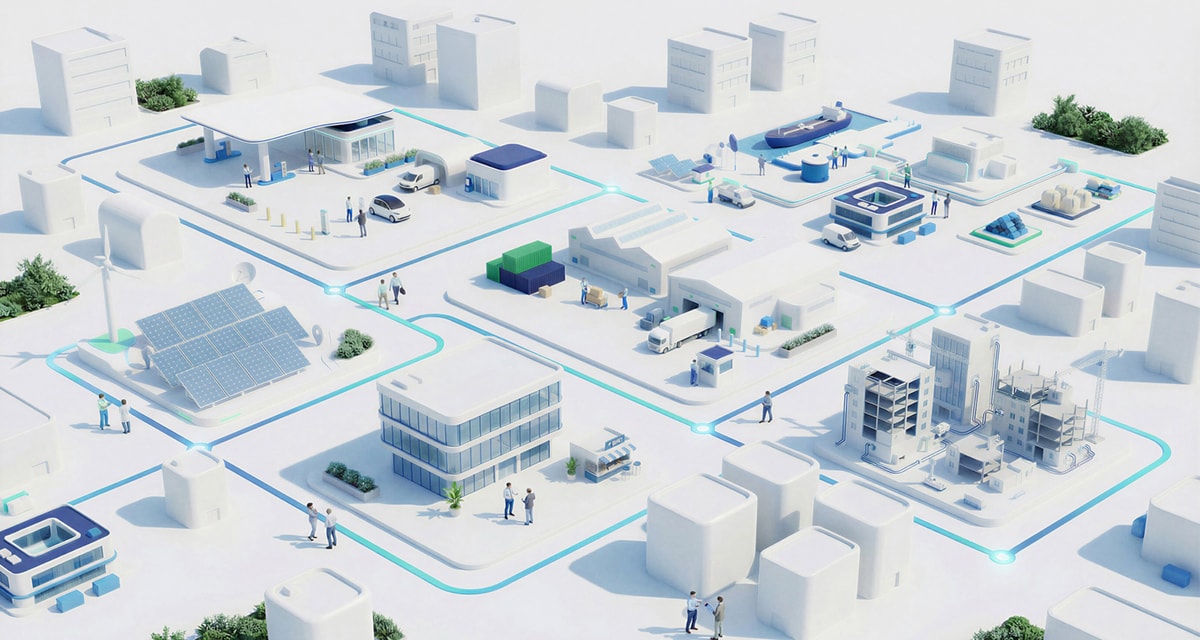
GIS and IoT sensors connect fire-weather forecasts to the crews and equipment closest to the risk.
How NTT DATA helps
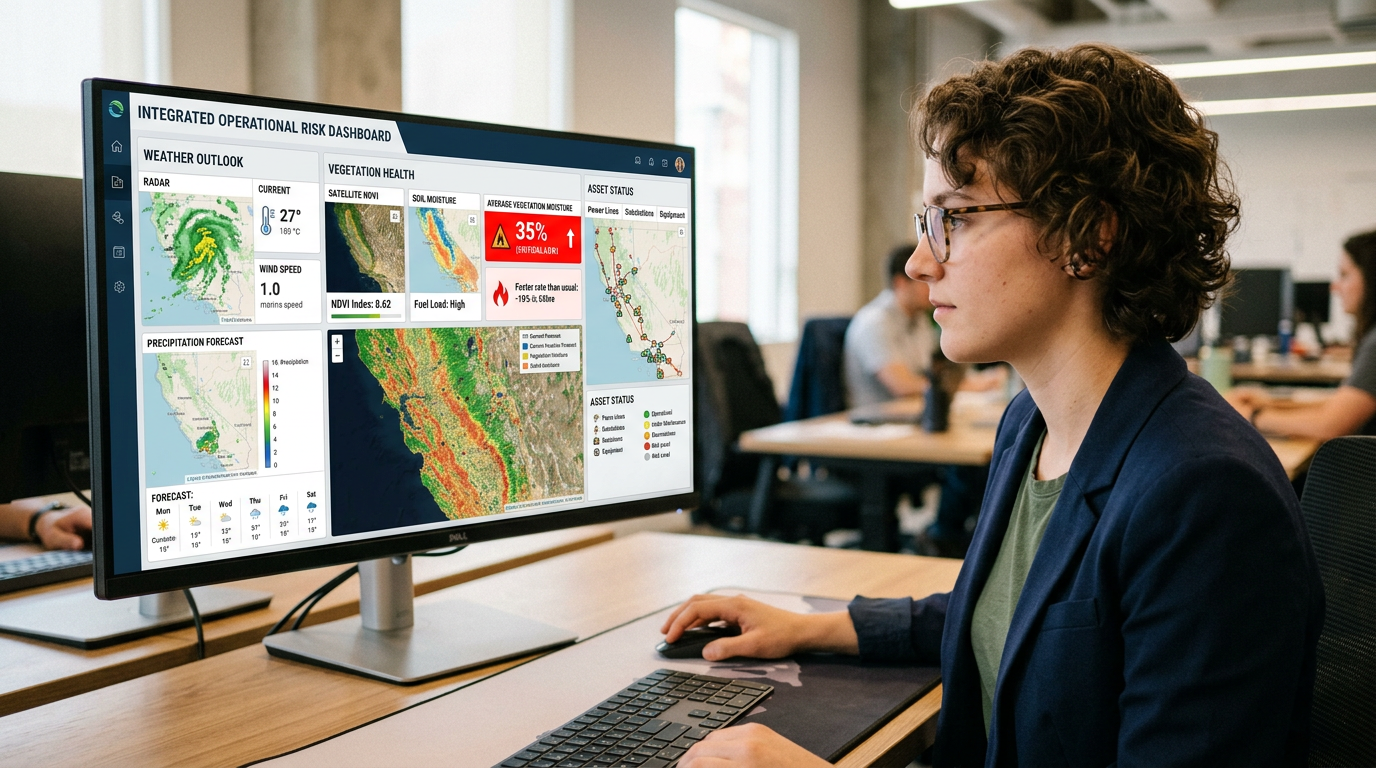
NTT DATA brings together weather intelligence, vegetation, geospatial and IoT sensor data your wildfire prevention program depends on.
AI/ML and machine learning models sit where a vegetation management or line clearance decision happens.
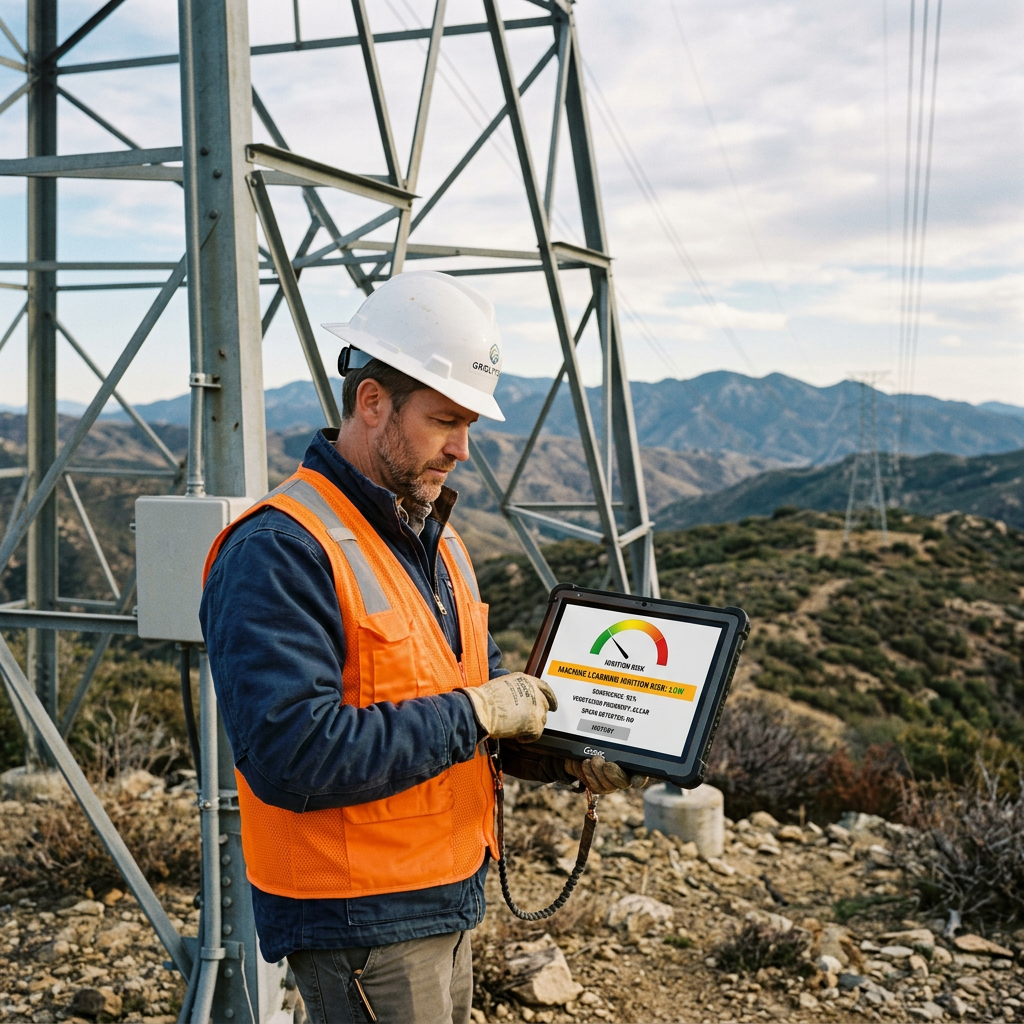
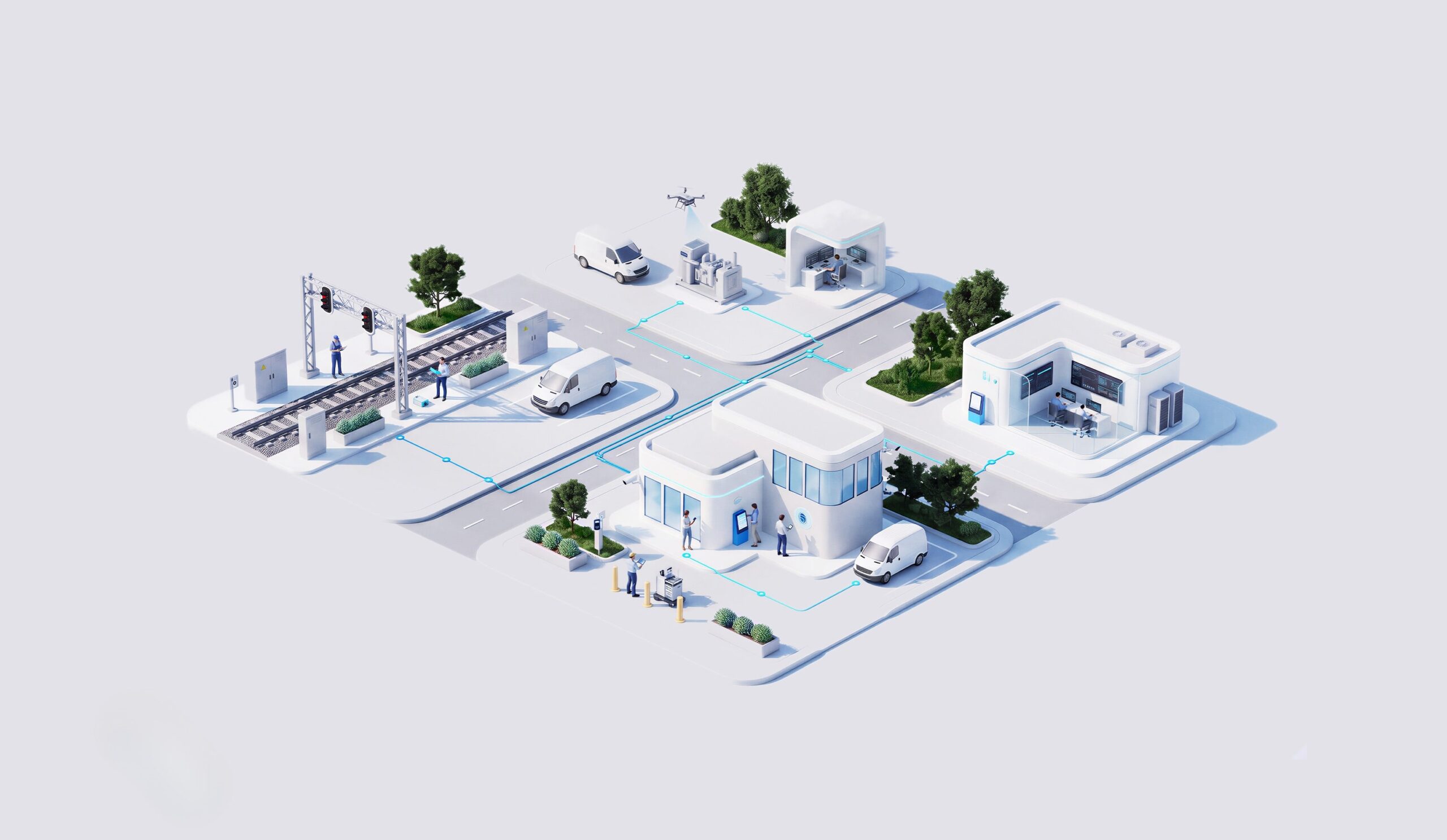
Ignition risk outputs connect into your existing operational technology (OT) and enterprise systems, not another isolated layer.
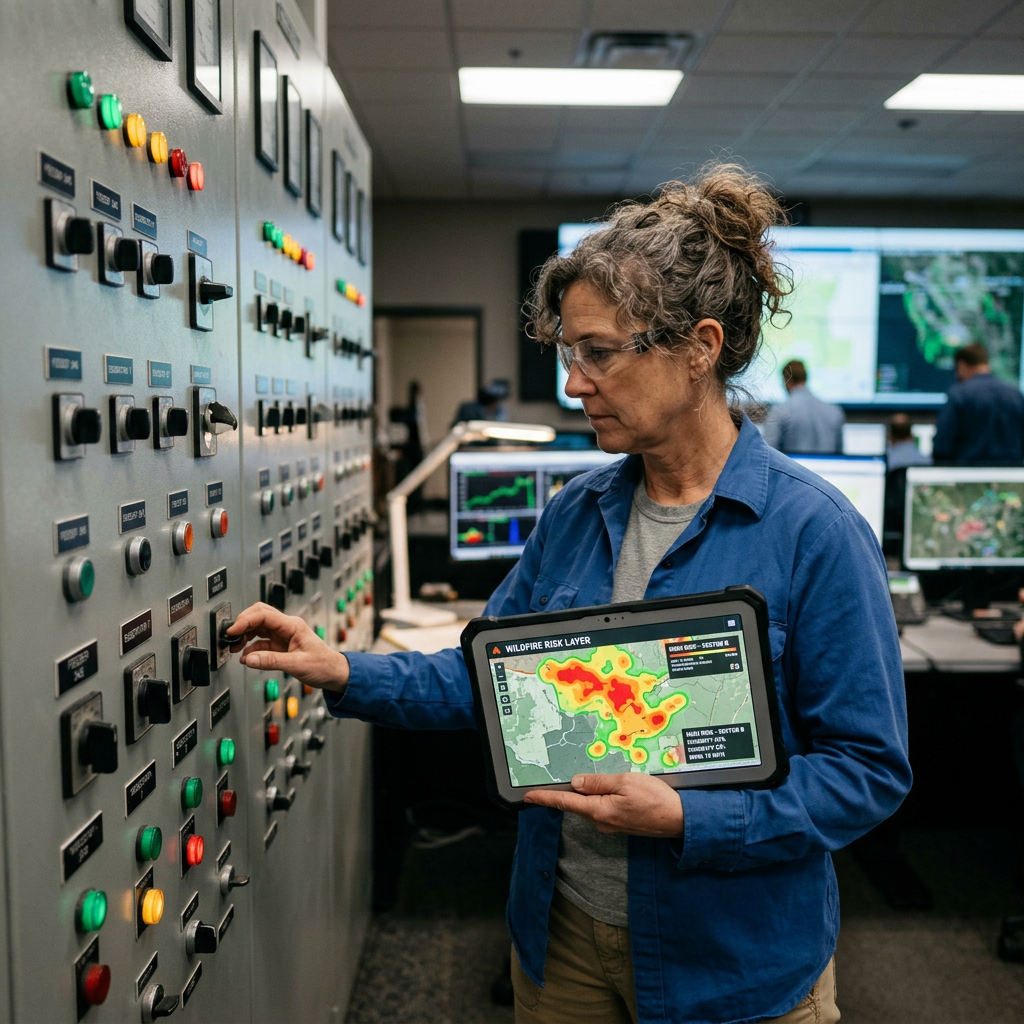
Permissions, cybersecurity controls, validation and fallback mechanisms get defined to match the safety bar your grid requires.
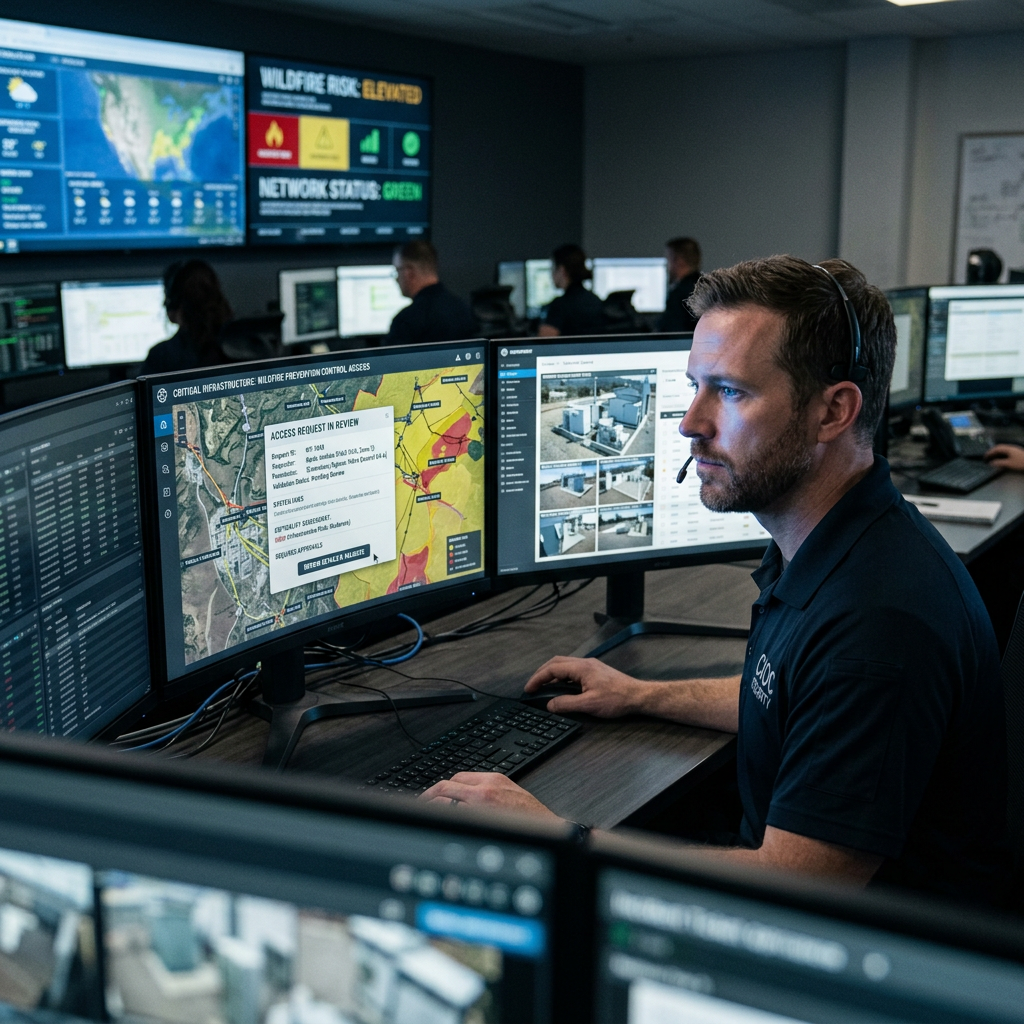
Each new wildfire prevention use case grows from a controlled deployment measured against clear operational KPIs, so scale-up follows evidence, not guesswork.
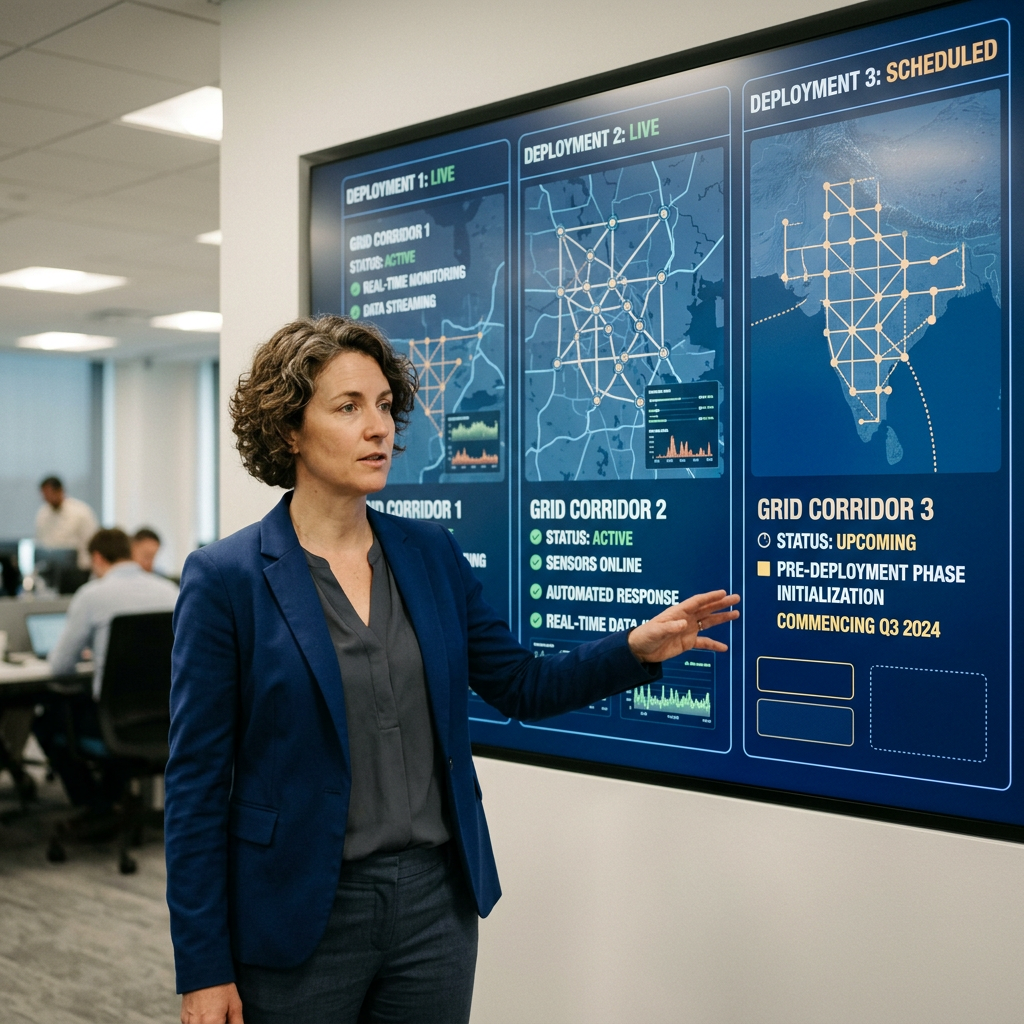
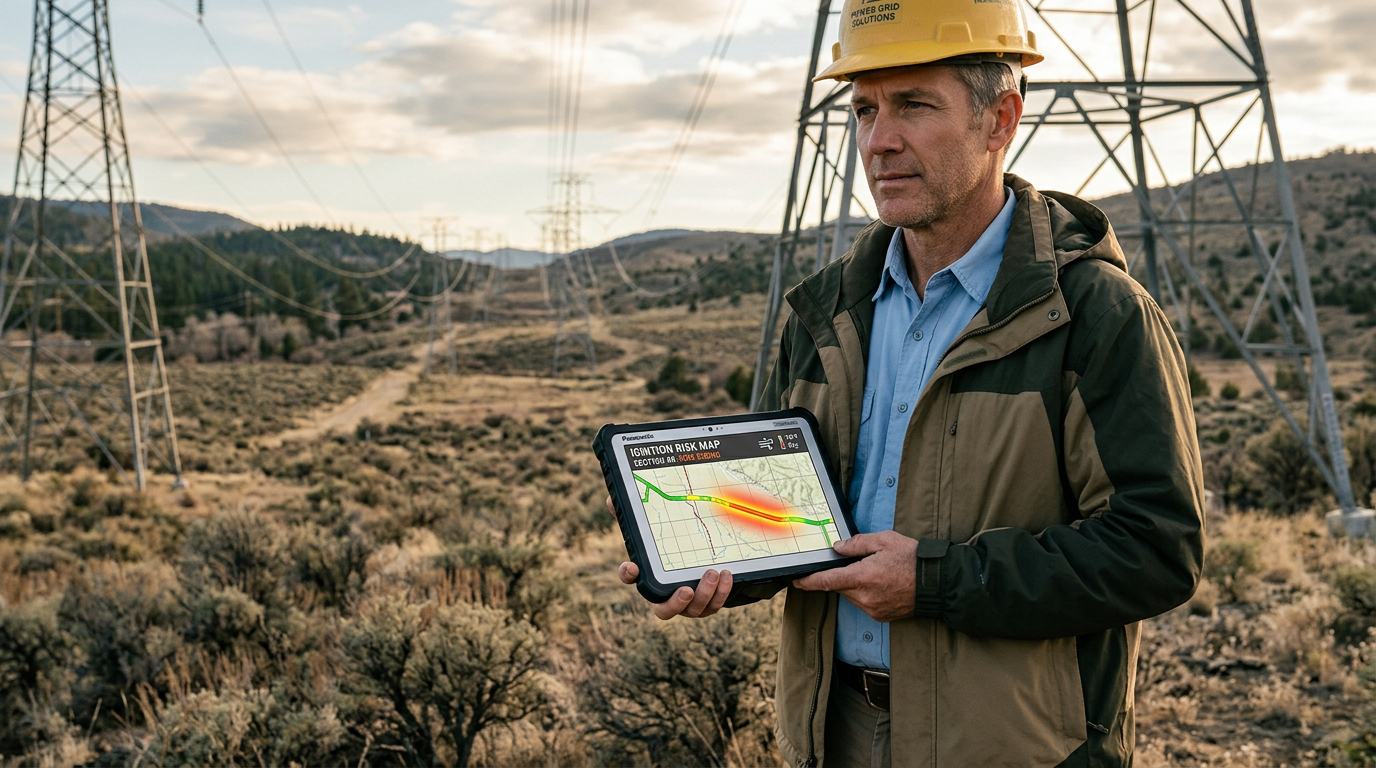
AI for wildfire prevention connects weather, vegetation and asset data with the decisions your crews make across every line.
Objectives depend on baseline performance, infrastructure and deployment scope across climate-risk operations.
20% to 40% reduction in risk assessment time, reflecting quicker movement from fire-weather data to a field decision.
15% to 30% improvement in warning lead time, giving crews more time to clear vegetation or de-energize lines.
0% to 50% reduction in manual geospatial review, freeing analysts to focus on the highest-risk corridors.
20% to 40% reduction in response preparation time, reflecting quicker movement from warning to dispatch.
Shape the conversation that turns ignition risk into a problem you prevent, not one you fight.