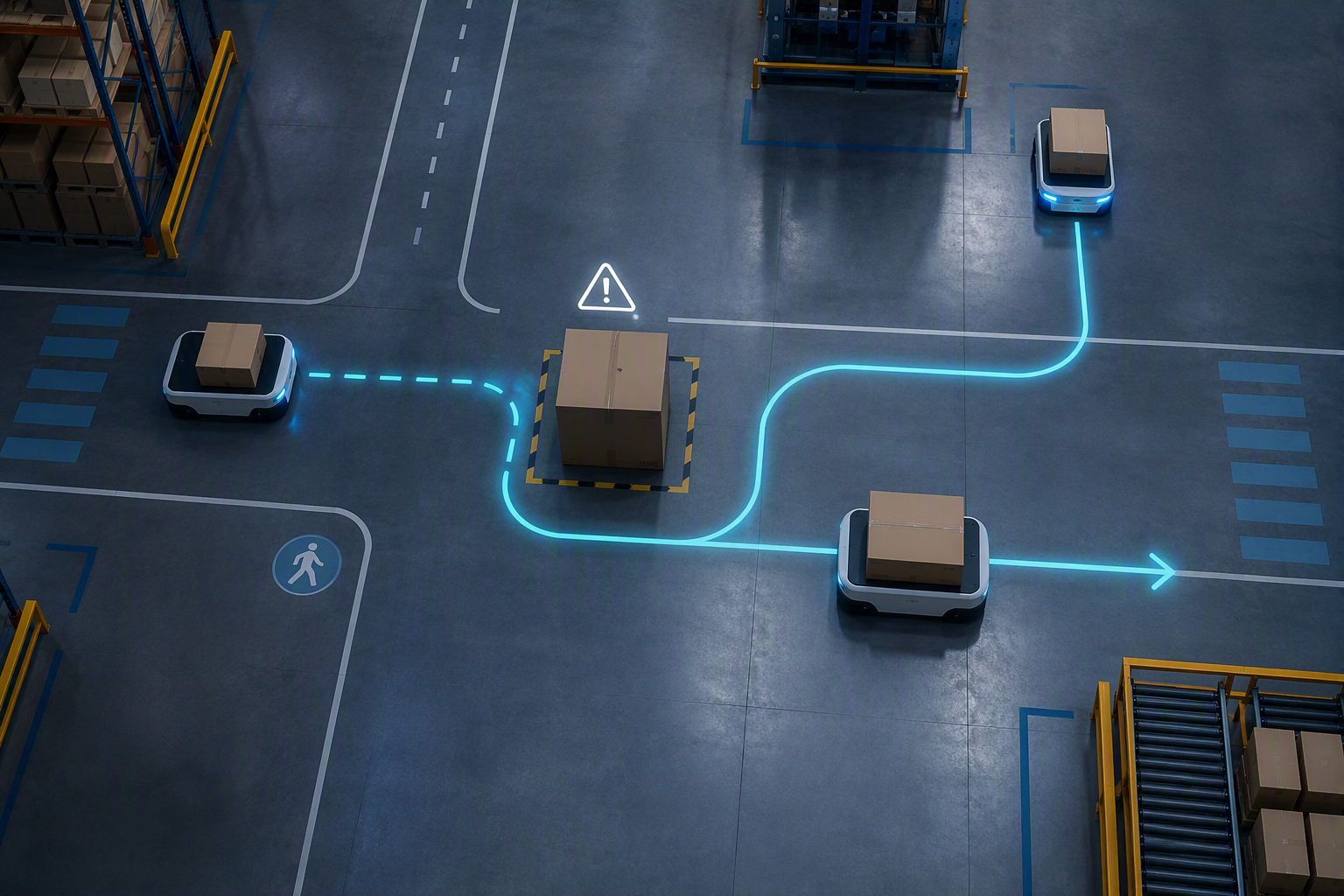
Overhead view of a warehouse floor with three autonomous carts carrying boxes, following glowing blue optimized paths around a central pallet marked with a warning symbol.
Talks that move

Connected Fleet Operations for Field Services

Connect vehicles, crews, routes, equipment and work orders so field resources can be positioned and coordinated against real-time utility priorities.
Schedule a meeting
Listen podcast
-15
+15
0:00
/
0:00
Across large service territories, travel time, vehicle readiness and resource positioning can materially affect restoration, maintenance and customer-service outcomes.
Why THIS “Connected Fleet Operations for Field Services” challenge?
Fleet telemetry and location data need to be connected with dispatch and asset systems to improve routing, readiness, safety and utilization.

A common fleet data and connectivity model can combine vehicles, workforce and work context rather than leaving telemetry isolated from operational decisions. As fleets electrify, EV charging can also be incorporated into the same operational picture.

Key benefits
Connected fleet operations combine vehicles, crews, routes, equipment and work orders to coordinate field resources against real-time operational priorities.
check icon
Real-time fleet and crew visibility

Location and telemetry provide a clearer view of available vehicles, crews and equipment across the service territory.

check icon
Smarter routing and resource positioning

Operational priorities and location context help dispatch teams reduce travel and position resources more effectively.

check icon
Improved readiness and field safety

Vehicle and workforce data can support safer dispatch, equipment readiness and better preparation for field tasks.

check icon
Integrated fleet and work management

Common fleet data connects dispatch, asset systems and work orders rather than managing vehicle information in isolation.

How NTT DATA helps

01
Connect vehicles, workforce, dispatch and asset systems

Creates a shared operational picture linking crews and vehicles with work orders, assets and real-time priorities.

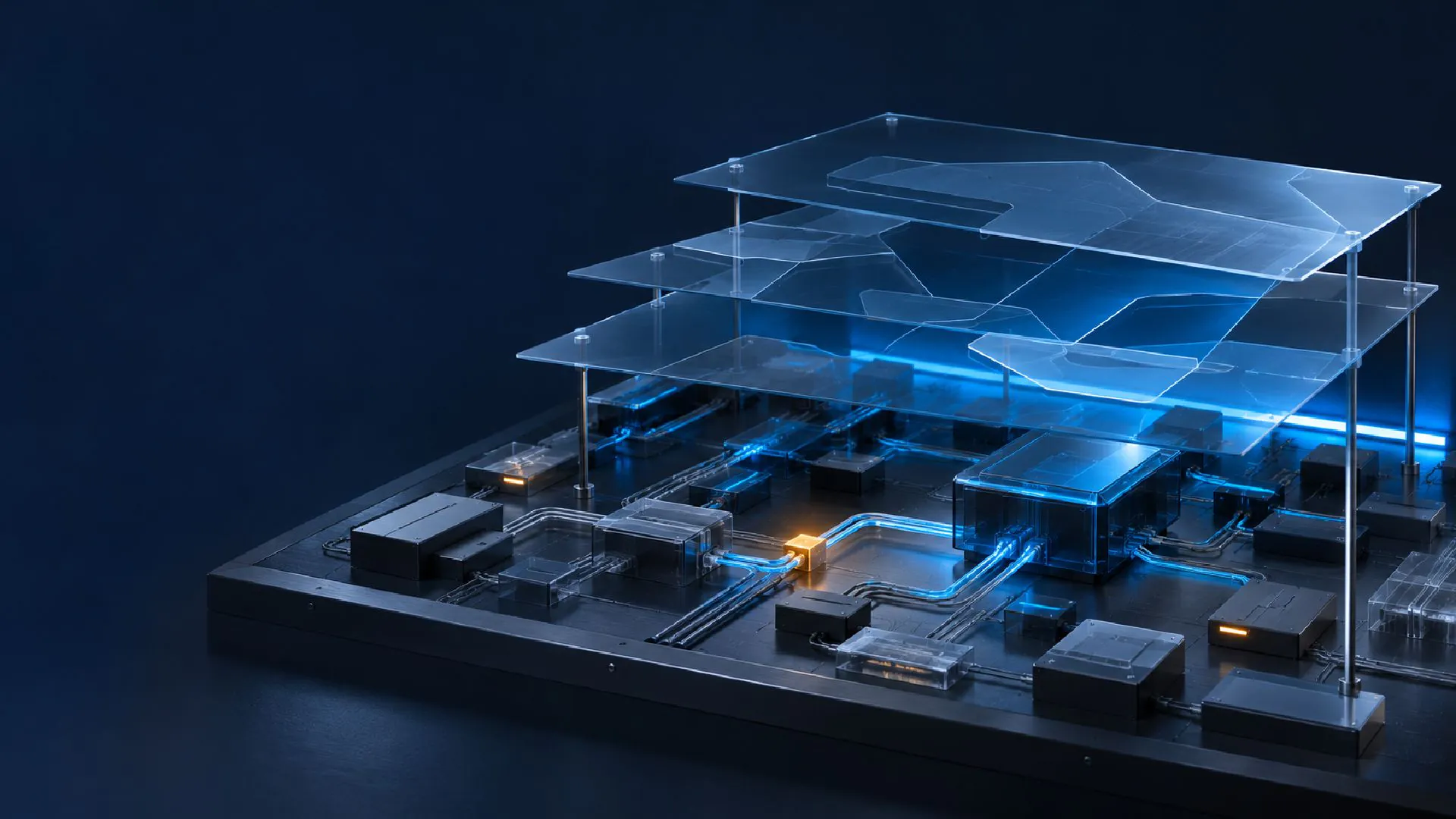
Conceptual service architecture showing fragmented customer interactions being resolved through contextual intelligence, automation, controlled escalation and continuous learning.
02
Use location/telemetry to improve routing, readiness and safety

Applies live fleet context to reduce travel and coordination time while improving resource positioning and field safety.

Team in a glass-walled office watches a woman with a tablet point to a large screen showing a glowing map with connected locations and retail store thumbnails.
03
Integrate EV charging as fleets electrify

Coordinates charging requirements with fleet availability and operational schedules as utility vehicle fleets transition to electric.

scrolling on a tablet with a diagram
04
Create common fleet data and connectivity management

Standardizes connectivity, identity and fleet information so dispatch and operational teams can work from consistent data.

Three colleagues study a telecom data center floor plan spread on a table, with server racks glowing behind them
05
Governance and operational integration

Device identity, data quality, asset records, security and lifecycle management are aligned with operational workflows and systems.

A woman with glasses holds a tablet in a blue-lit industrial control room, with a colleague at screens and monitors showing code and data.
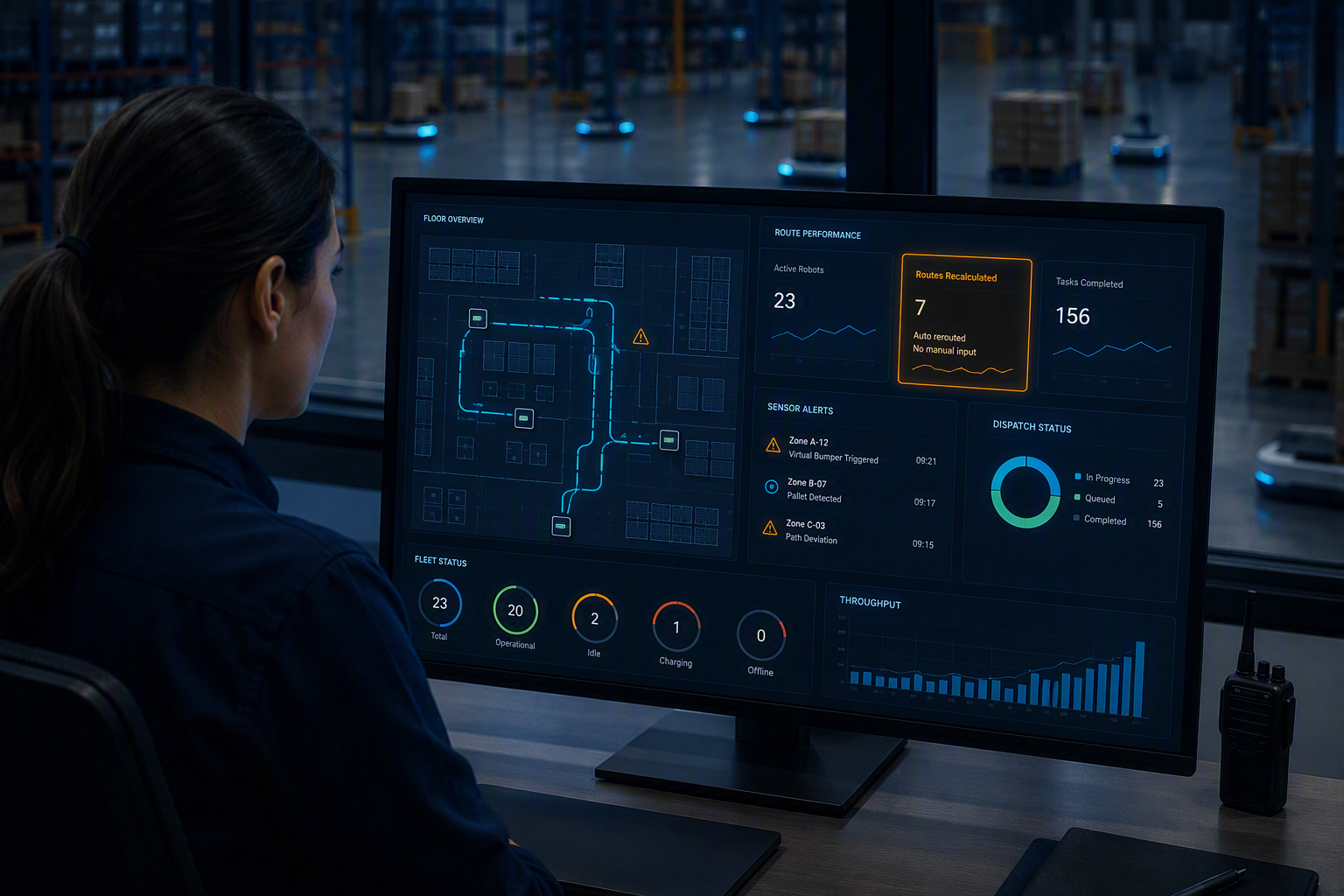
Operator monitors a dark control dashboard showing warehouse robot routes, alerts, fleet status, and charts, with blue-lit autonomous carts moving among shelves behind a window.
Proven impact
From isolated connectivity to integrated operational capability

NTT DATA helps utilities industrialize this capability as part of the operating model. Connected fleet operations link vehicles, crews, routes, equipment and work orders so field resources can respond to real-time operational priorities.

Results that matter
Improving restoration, maintenance and customer-service outcomes by positioning the right crews, vehicles and equipment where they are needed most.
check icon
Shorter travel and coordination time

Real-time location and dispatch context help teams route resources more efficiently across large service territories.

check icon
Higher utilization of vehicles and equipment

Common data provides better evidence of fleet usage and supports more efficient allocation of resources.

check icon
Better readiness as fleets electrify

Integrating EV charging with fleet operations helps ensure vehicles are available when operational demand requires them.

check icon
A reusable foundation for field-service optimization

Connected vehicles, workforce and work systems create a base for additional routing, safety and automation use cases.

Connect fleet operations to real-time utility priorities

Connect vehicles, crews, telemetry and work orders to improve routing, readiness, safety and utilization.


Drag