- All Foundries

- Commodity Management & Trading

- Customer & Marketing Strategy

- Digital Engineering

- Station Studio

- Supply Chain & Industry 5.0

- Sustainability

- Physical AI

- Next-Gen Infrastructure






Indoor & Underground Connectivity for Critical Utility Facilities
Site surveys need to identify interference, coverage gaps and critical zones before selecting private cellular, Wi-Fi, fiber or neutral-host patterns. Identity, security, device access and continuous service-quality monitoring then become part of the operational design.

Purpose-designed coverage supports tunnels, basements, galleries, plants and shielded electrical facilities.
Private cellular, Wi-Fi, fiber or neutral-host patterns can be selected according to operational and environmental needs.
Identity, security and device-access controls protect connectivity used for field communications and operational services.
Coverage, capacity and performance monitoring helps detect degradation in areas where communications are operationally critical.
How NTT DATA helps
Maps radio conditions and operational priorities in tunnels, basements, galleries and shielded facilities before selecting the connectivity design.
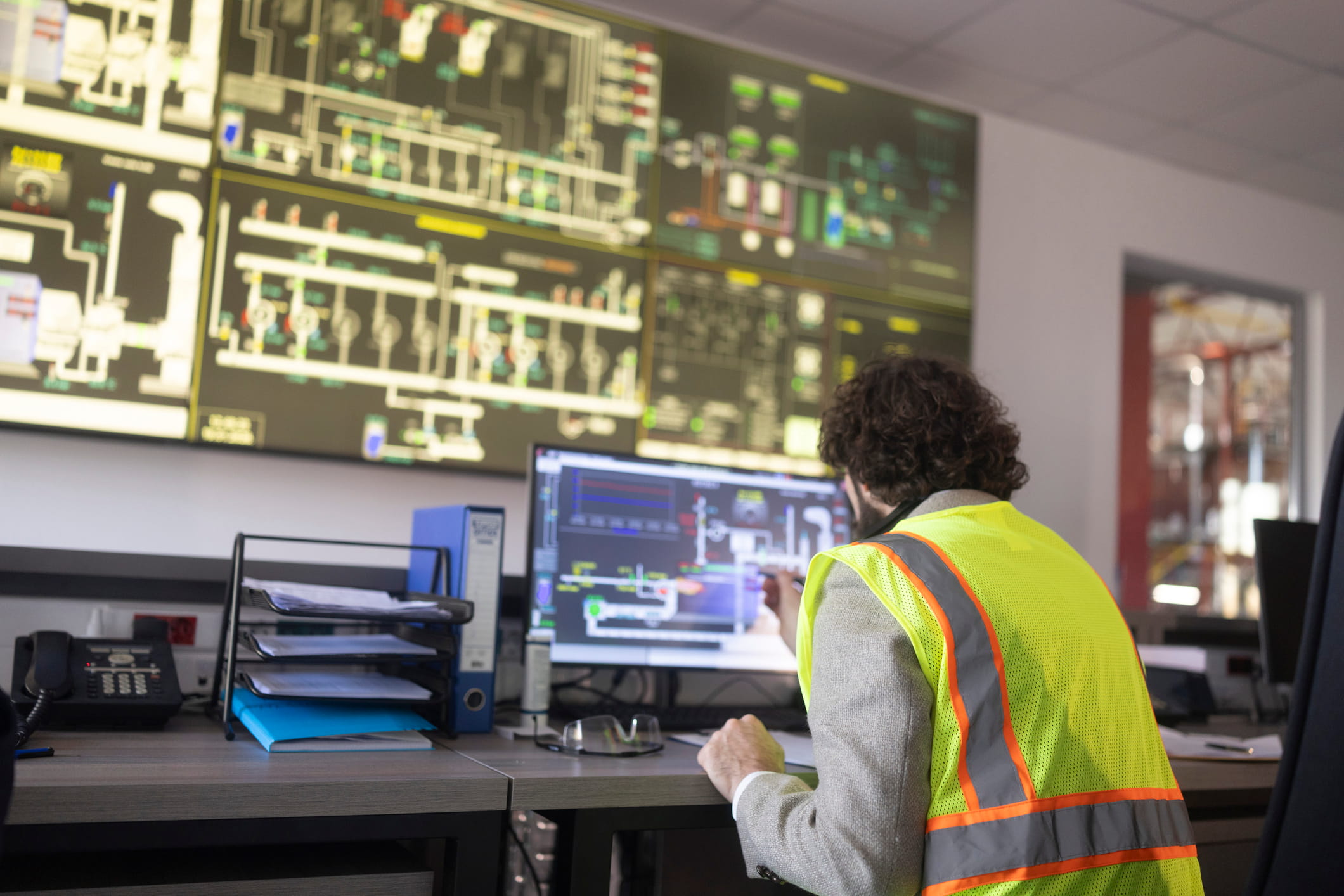
Chooses the appropriate technology mix according to coverage, capacity, mobility and critical-use-case requirements.

Ensures workers, sensors and operational devices can connect with controlled access in safety-critical environments.

Tracks whether the engineered solution continues to deliver the connectivity required by field communications, sensors and digital procedures.
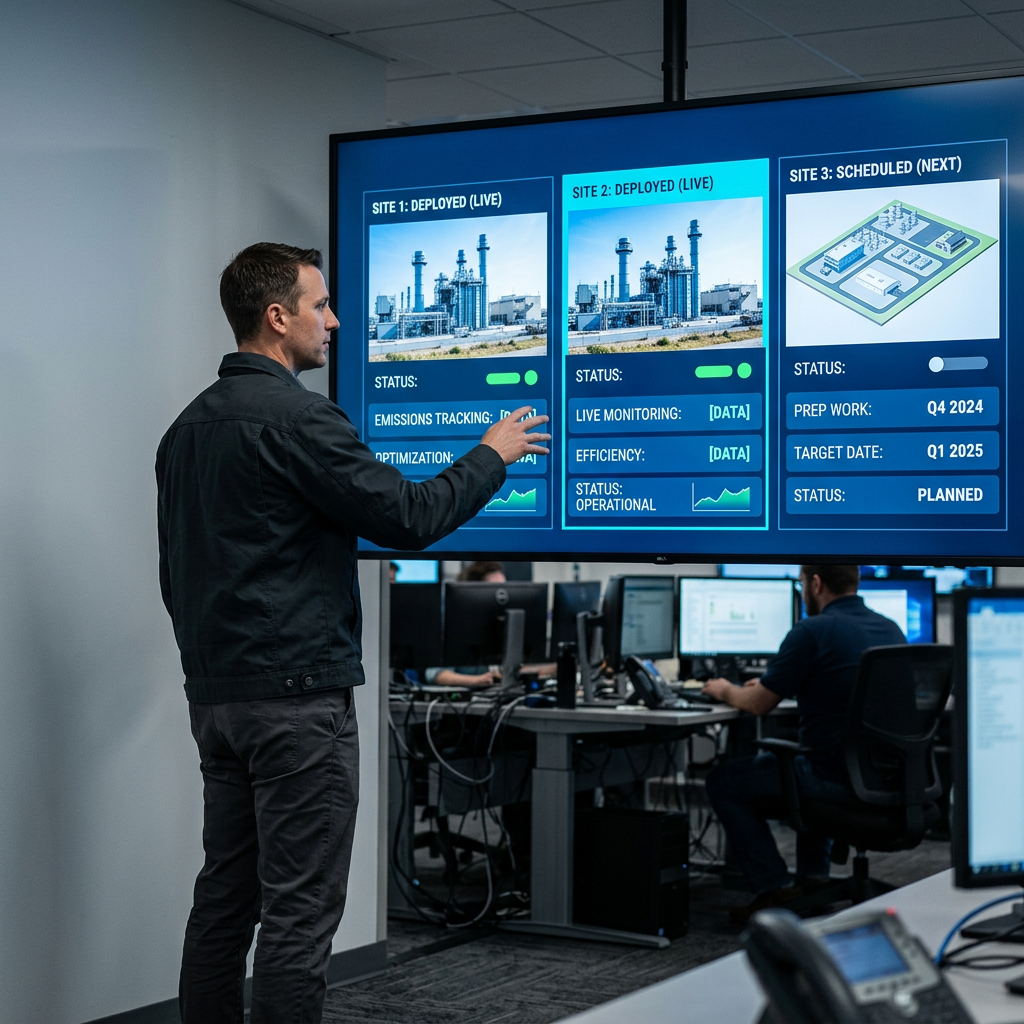
Device identity, data quality, asset records, security and lifecycle management are aligned with operational workflows and systems.


NTT DATA helps utilities industrialize this capability as part of the operating model. Dedicated indoor and underground connectivity supports worker communications, sensor connectivity and digital procedures where conventional coverage is unreliable.
Engineered connectivity reduces areas where workers or devices lose access to required communications
Reliable communications improve the ability to coordinate and support personnel in higher-risk environments.
Purpose-built coverage supports operational data collection in underground and shielded areas.
Continuous monitoring and lifecycle control help maintain service quality as facility requirements change
Engineer reliable connectivity around critical use cases in tunnels, basements, galleries and shielded utility facilities.