- All Foundries

- Commodity Management & Trading

- Customer & Marketing Strategy

- Digital Engineering

- Station Studio

- Supply Chain & Industry 5.0

- Sustainability

- Physical AI

- Next-Gen Infrastructure













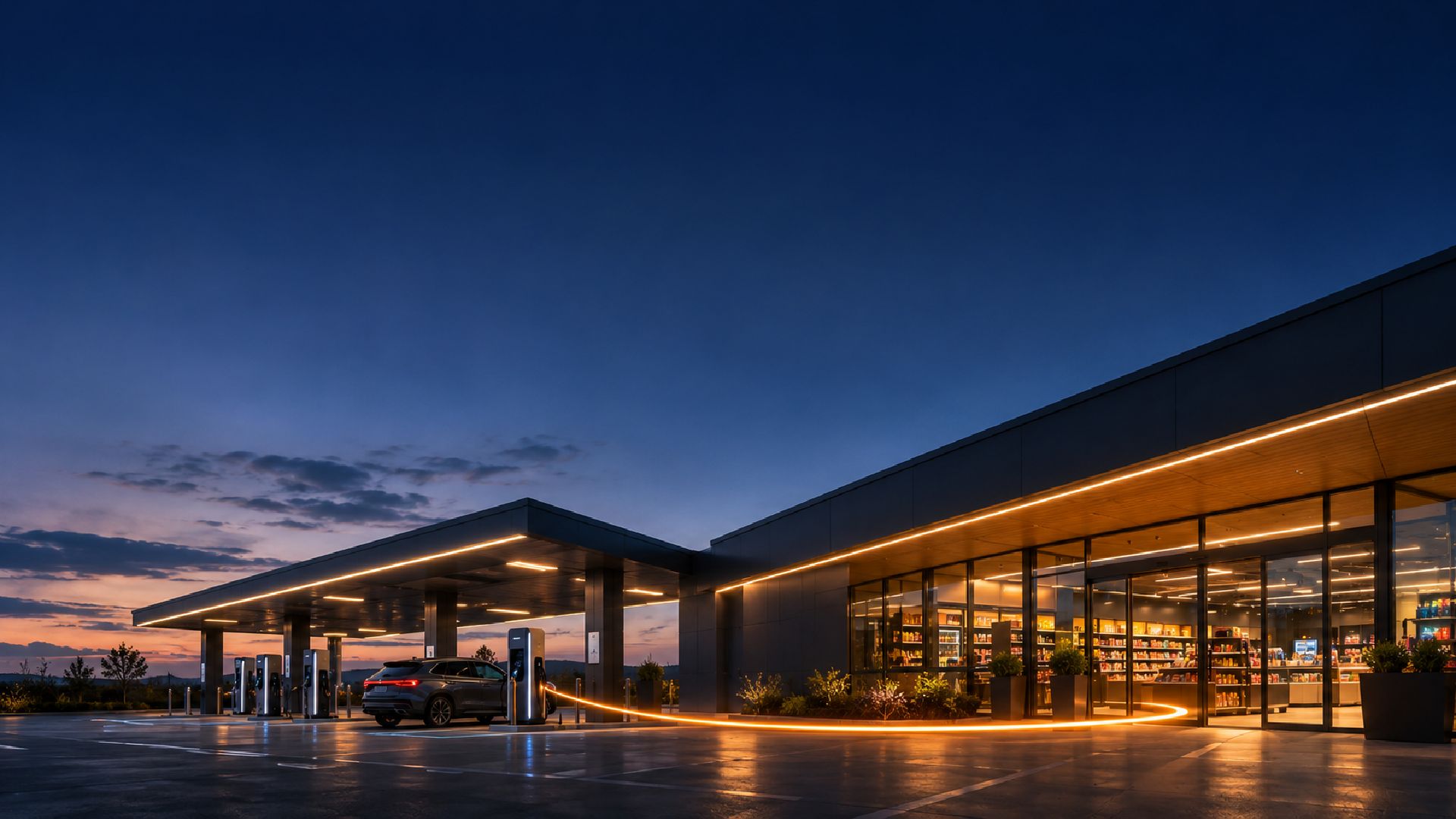
Unified Commerce for Mobility Retail
Store, app, web, vehicle, loyalty and payments are often supported by different platforms and processes. When these touchpoints operate independently, the experience becomes fragmented. Unified Commerce connects them so customer identity, transactions, offers and services can move consistently across the entire journey.
The customer sees one brand, not separate systems or channels

Customers may start an interaction in one channel and continue it in another. Disconnected systems create friction, repeated steps and inconsistent experiences.
Without a unified view, identity, preferences, loyalty status and previous interactions may not be available across every touchpoint.
Siloed data makes it harder to provide relevant offers, services and recommendations at the right moment in the customer journey.
Fuel, EV charging, convenience retail, food services, loyalty, payments and vehicle interactions increase the number of systems that must work together.
How NTT DATA helps
Integrate POS, mobile apps, web, loyalty, payments, vehicle interactions and other customer-facing channels into a coordinated commerce ecosystem.
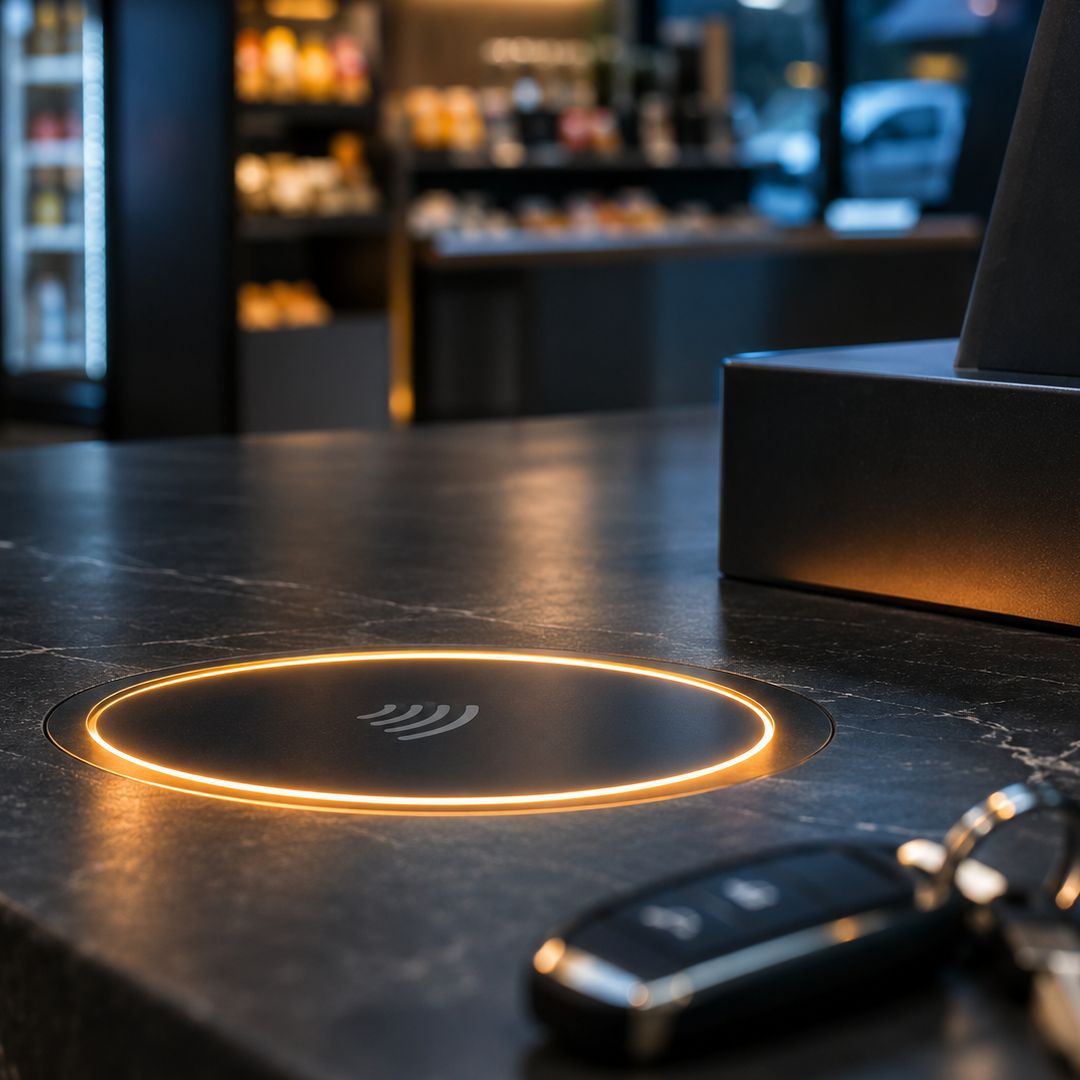
Recognize the customer across channels so preferences, loyalty benefits and relevant information can follow the journey.
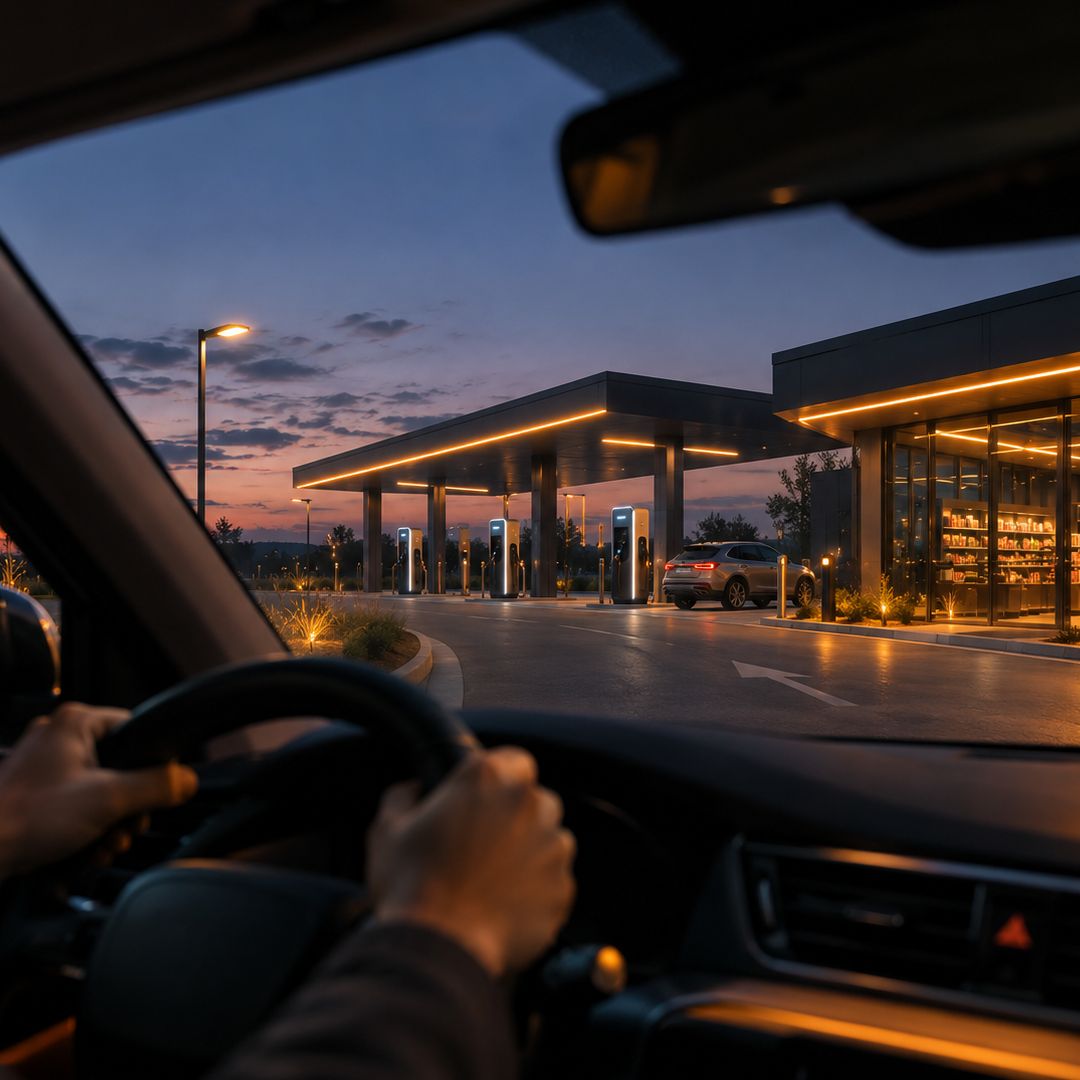
Allow interactions to start in one touchpoint and continue in another while maintaining the business context and a consistent experience.
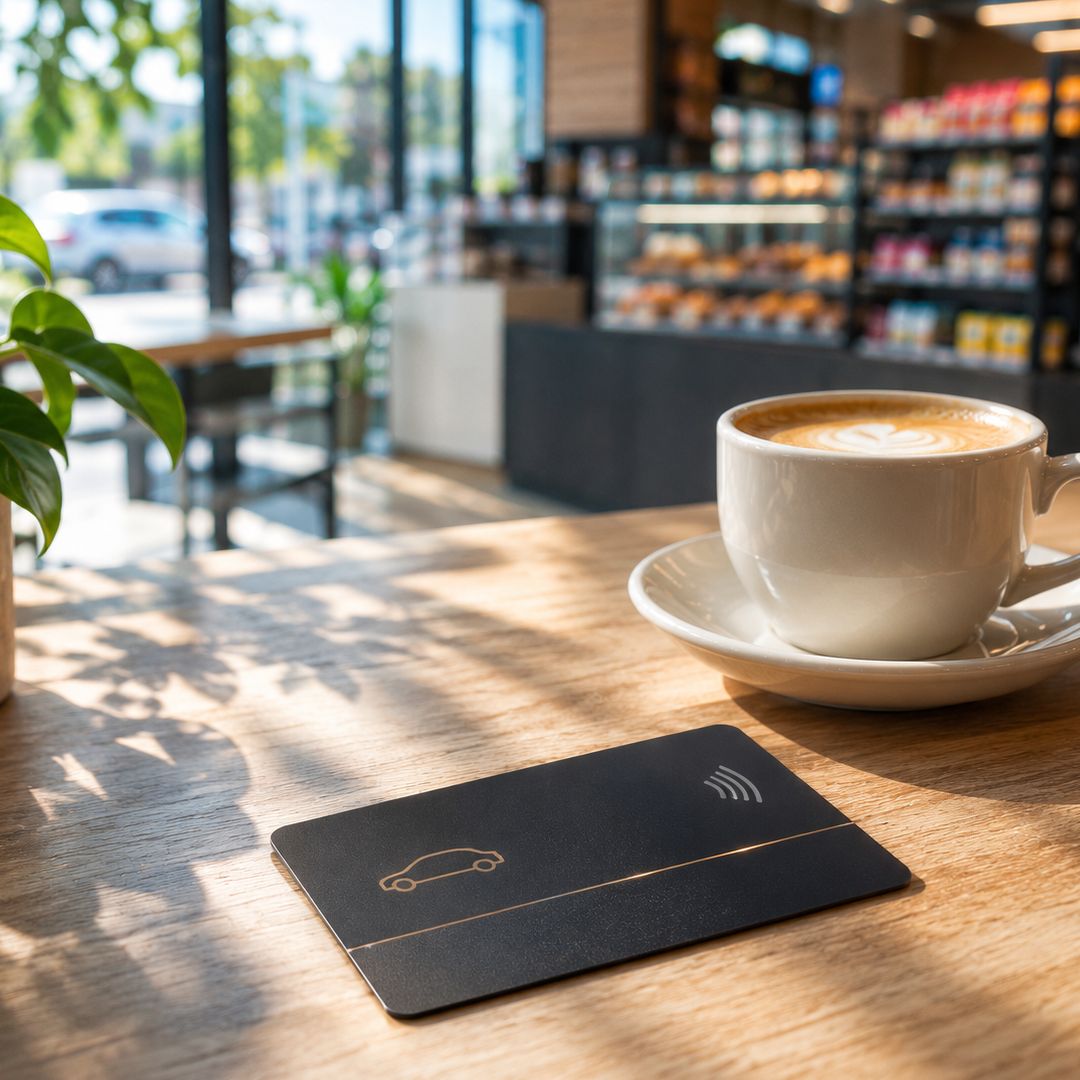
Make earning, redemption, offers, coupons and preferred payment methods a natural part of each interaction rather than isolated processes.
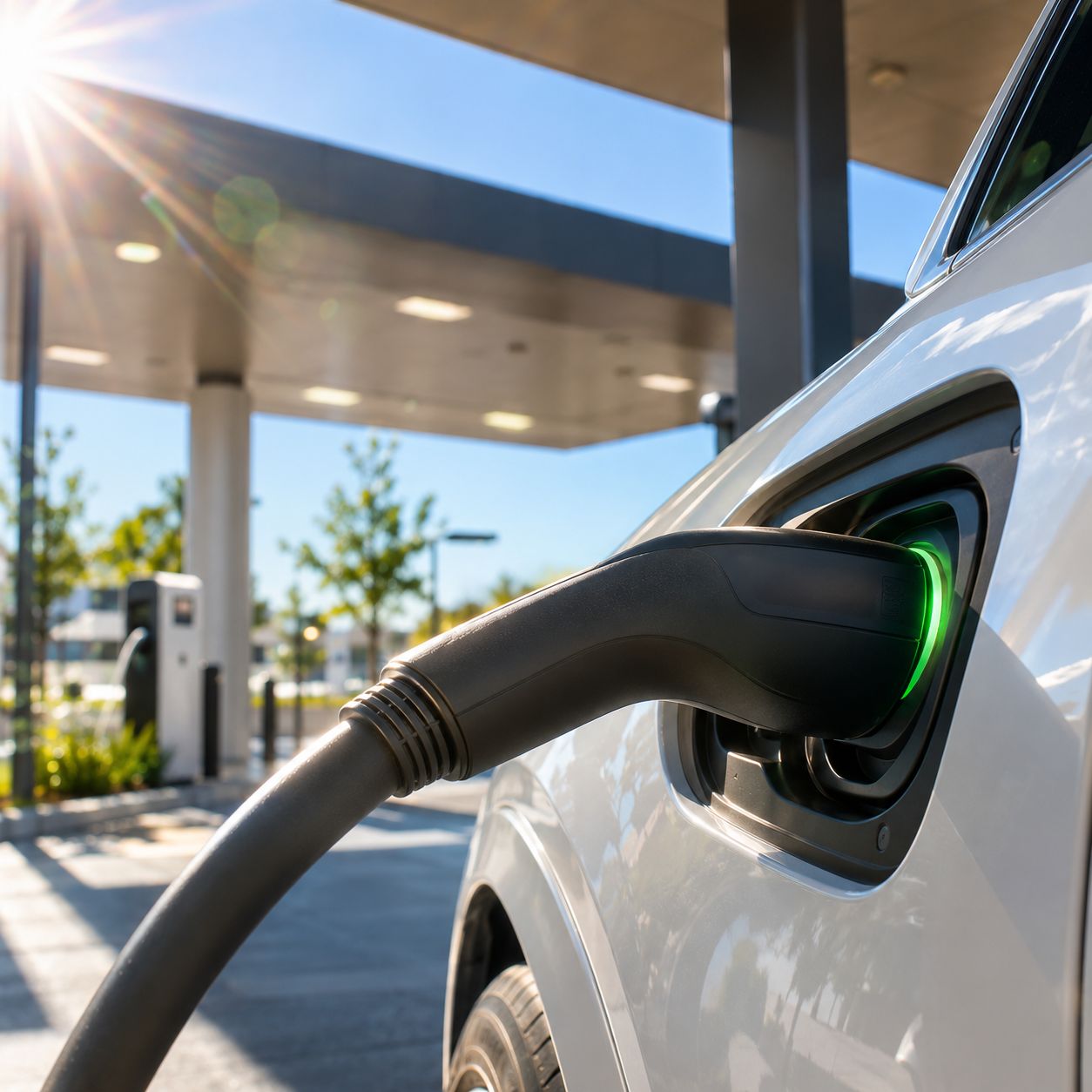
Connect existing and future platforms through a scalable integration approach that can evolve as new mobility services and customer touchpoints emerge.

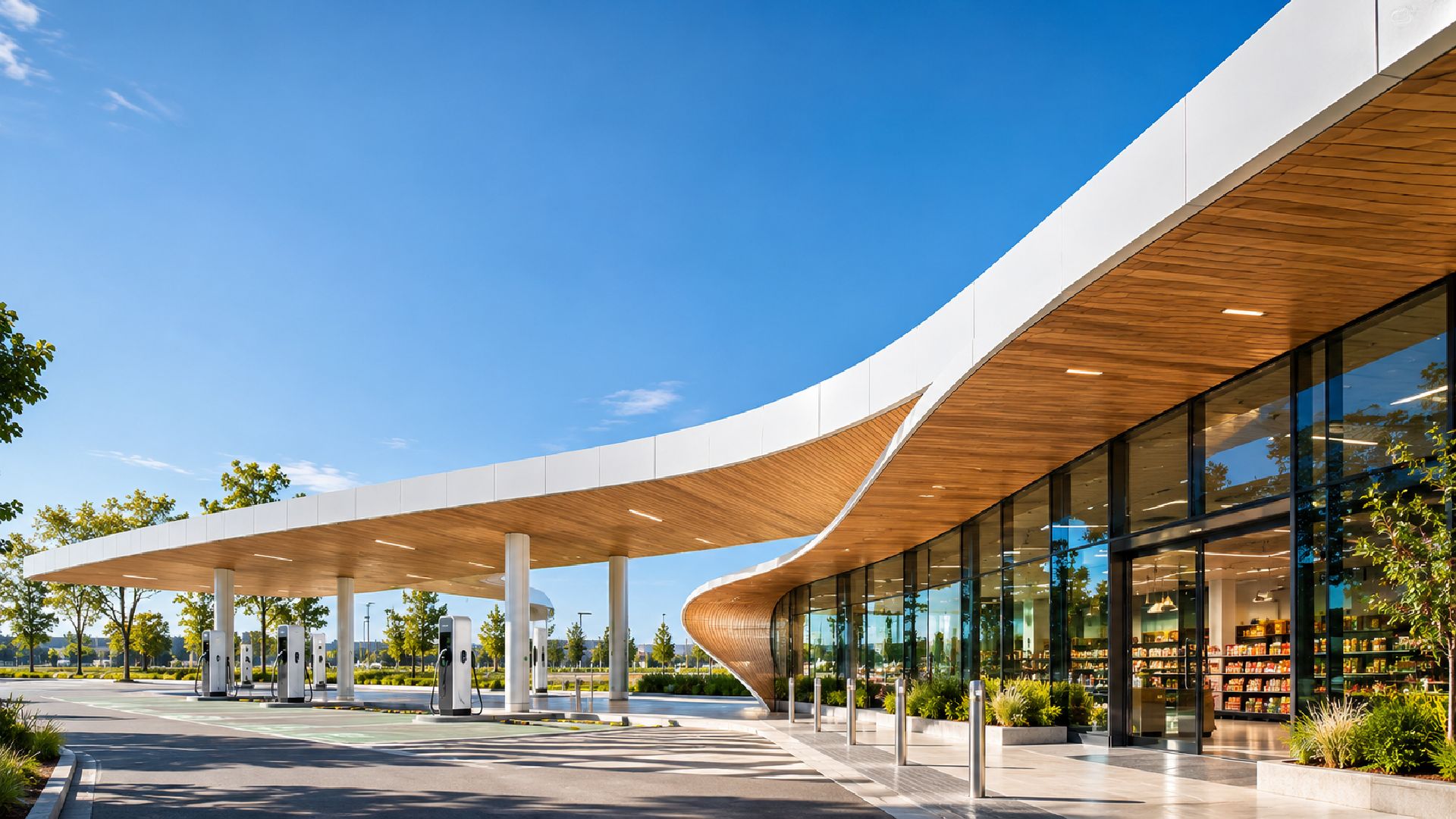
Imagine a customer who identifies through the app, receives a personalized offer, arrives at the service station, refuels or charges the vehicle, makes an in-store purchase and pays using a preferred method. Behind the scenes, multiple systems participate. From the customer’s perspective, however, it should feel like one simple and connected experience.
Customers receive coherent interactions and information regardless of the channel or touchpoint they choose.
Connected customer and transaction context enables more relevant offers, loyalty experiences and services.
Better orchestration reduces duplicated steps and unnecessary barriers between physical and digital interactions.
A connected commerce architecture makes it easier to incorporate new channels, services, partners and vehicle-based experiences over time.
Break down the barriers between physical and digital commerce