

Season 2
Physical Utilities

The physical world is producing more signals. The challenge is turning them into earlier, safer action.

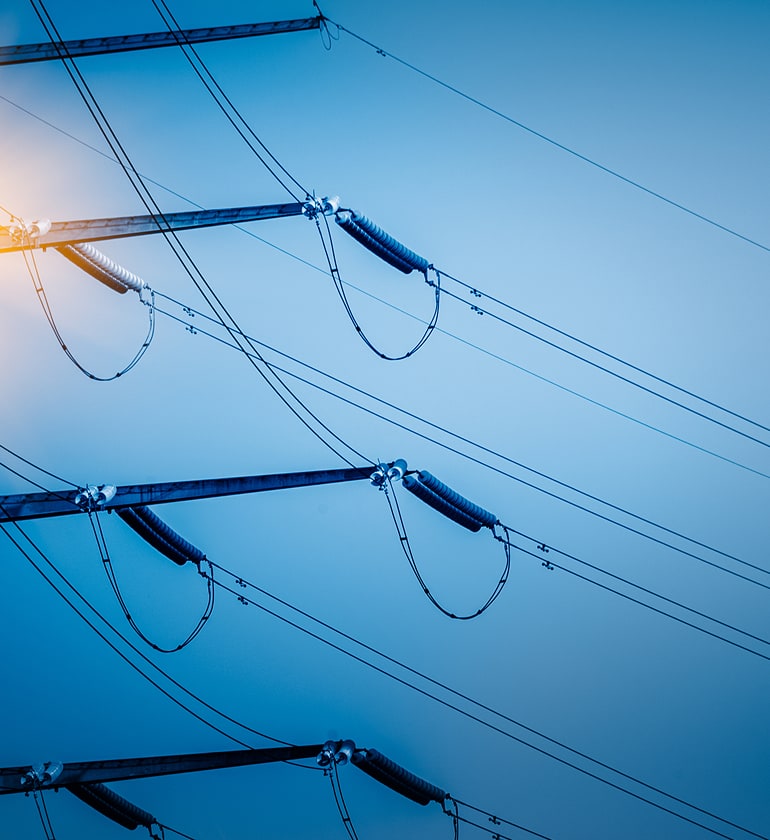
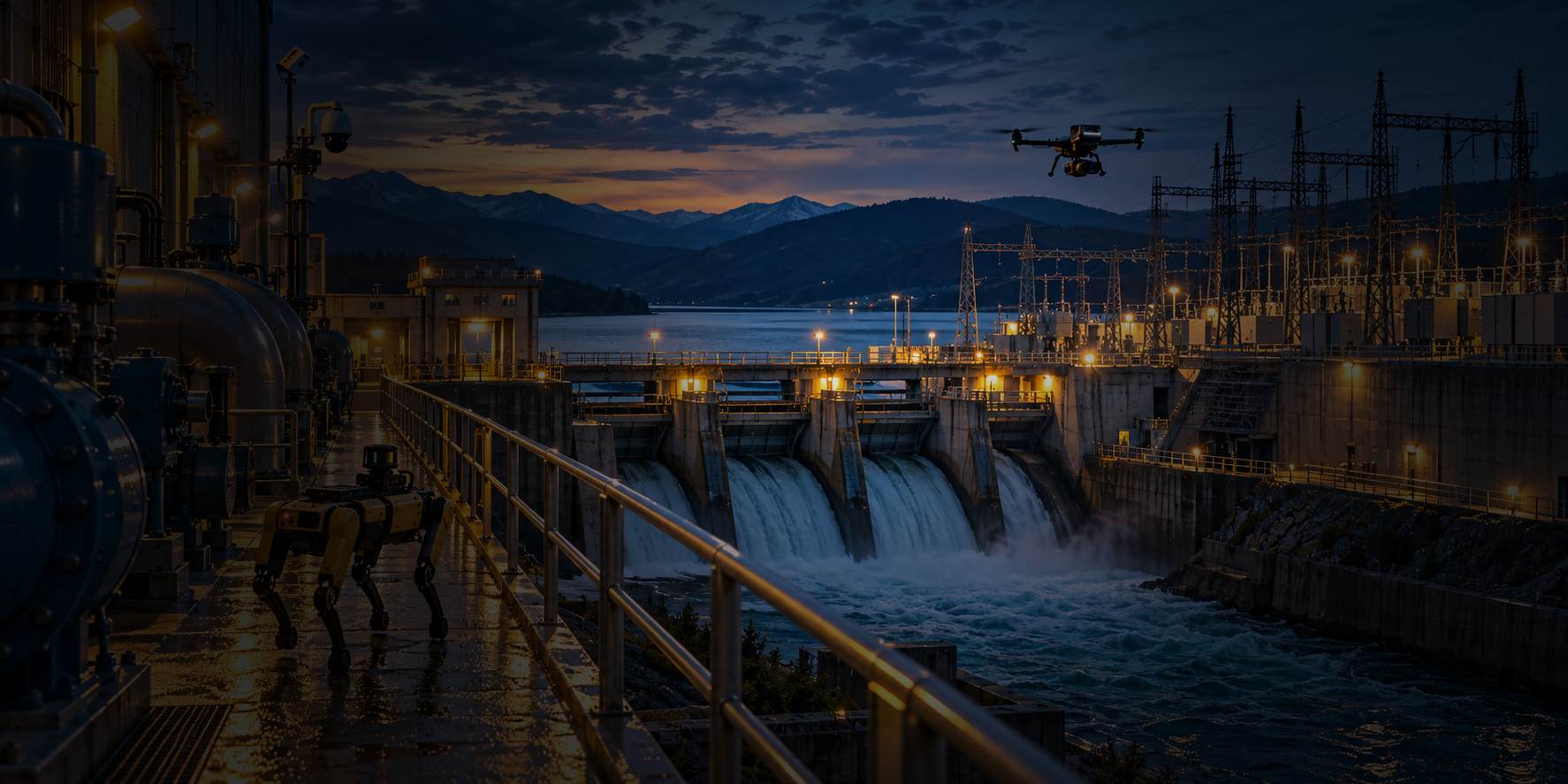
An autonomous drone and a robot at an electric and hydroelectric infrastructure
Why now?
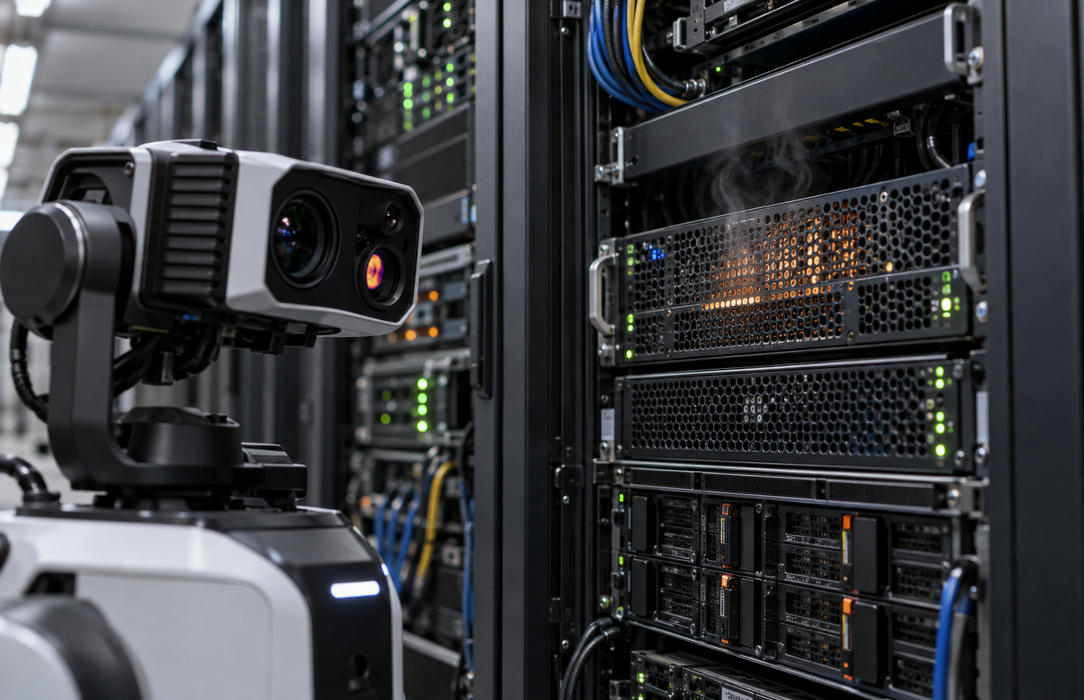
A change in vibration, temperature, pressure, sound or image can reveal what is happening inside an asset long before the problem becomes visible. Utilities are already applying predictive maintenance, computer vision and continuous leak detection, proving that the digitalization of physical operations is underway.
The next step is to move beyond isolated sensors and specialized analytics. By combining multiple signals with asset data, operational context and human expertise, utilities can build a more complete understanding of conditions across networks, plants and field environments.
The opportunity is significant, but so is the responsibility. Progress must be grounded in operational reality, distinguishing proven capabilities from industrial pilots and longer-term possibilities. Every move toward autonomous action must preserve safety, traceability, governance and human accountability.

Physical Utilities explores the point at which Artificial Intelligence moves beyond digital information and begins to perceive, interpret and support action in the physical world.
About the season
Each conversation begins with a tangible utility challenge: inspecting an asset, detecting an anomaly, diagnosing deterioration, planning an intervention, supporting a worker or operating infrastructure more autonomously.

A clear progression connects sensing and multimodal understanding with advanced asset diagnostics, autonomous inspection, industrial robotics and worker protection. From there, equipment, facilities and operations centers can move toward greater autonomy within clearly defined operational and safety boundaries.
Technology is not the destination. What matters is what utility teams can see, decide and do better when physical signals, AI, connectivity, edge computing, operational data and human judgment work as one system.

Business outcomes explored
check icon
Earlier visibility into asset condition

Combine vibration, acoustic, thermal, visual, pressure and other physical signals to give engineering and operations teams a more complete view of asset health and changing conditions.

check icon
More proactive maintenance and intervention

Identify degradation earlier, strengthen diagnosis and help teams prioritize inspections, maintenance and investment around operational risk and asset criticality.

check icon
Safer field and industrial operations

Use computer vision, remote inspection, robotics and contextual alerts to reduce human exposure to hazardous activities while keeping people responsible for critical decisions.

check icon
Governed autonomy across utility operations

Progress realistically from assistance to supervision, from supervision to recommendation and, where conditions allow, from recommendation to controlled autonomous action.

Conclusion
A utility that understands its physical world can act before conditions become consequences

Physical Utilities connects physical signals with operational data, AI and human expertise so utilities can detect change earlier, act with greater context and reduce exposure to hazardous work, while advancing toward more autonomous operations without compromising safety, control or accountability.

Converting strategy into measurable results
Contact us
NTTData | NTTData
Company
What are you looking for?
Industries
Natural Resources
Agribusiness
Automotive
Infrastructure
Logistics
Manufacturing
CPG
Oil & Gas
Pharma & Life Science
Retail
Services
Transportation
Travel
Utilities
Apply
Drag