- All Foundries

- Commodity Management & Trading

- Customer & Marketing Strategy

- Digital Engineering

- Station Studio

- Supply Chain & Industry 5.0
- Sustainability

- Physical AI

- Next-Gen Infrastructure





The Autonomous Barrel
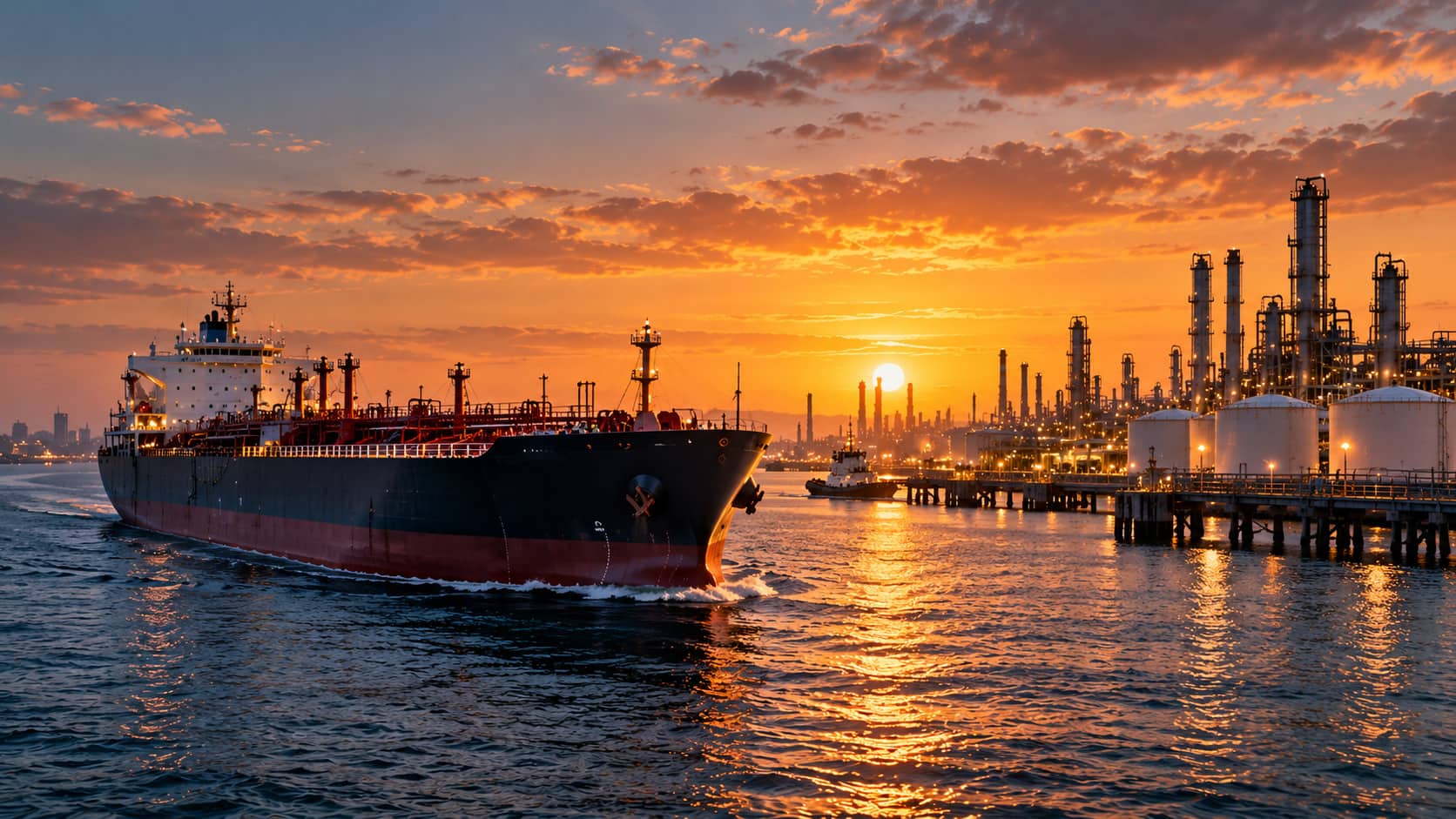
The market has also burned through its cushion against shocks. The next barrel of advantage will not be drilled. It will come from making the assets a company already owns run longer, fail less and adapt faster. That is the autonomous barrel, and it depends on putting AI to work in the physical plant and field.
Three facts hold at once in the U.S. oil and gas system this September. Together, they point to a different source of productivity.
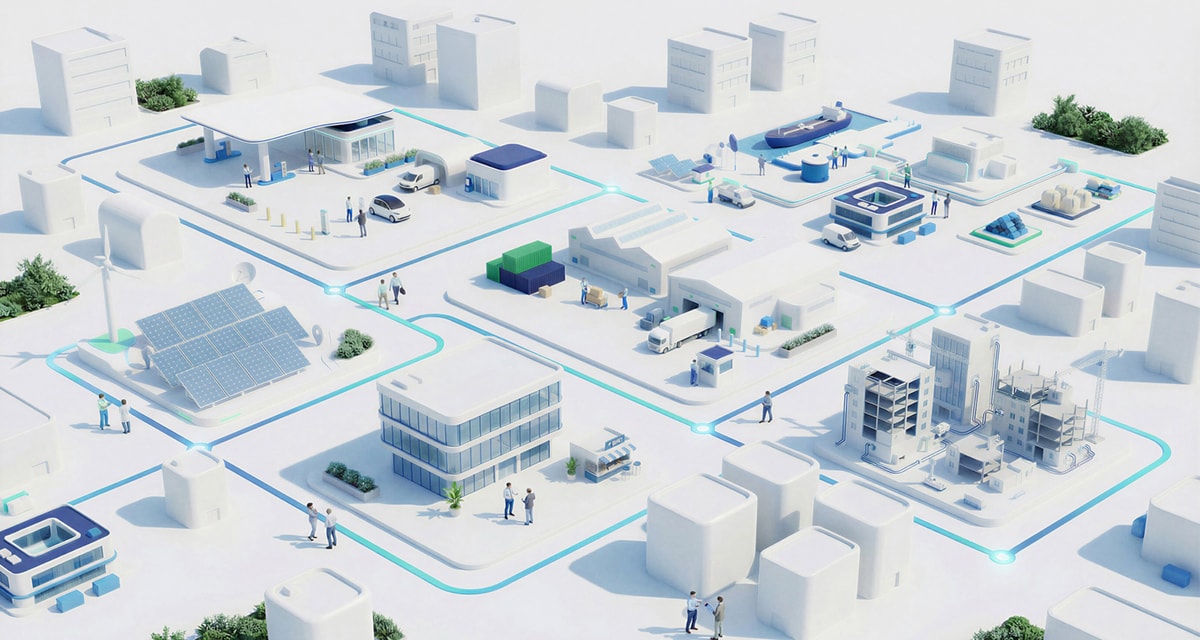
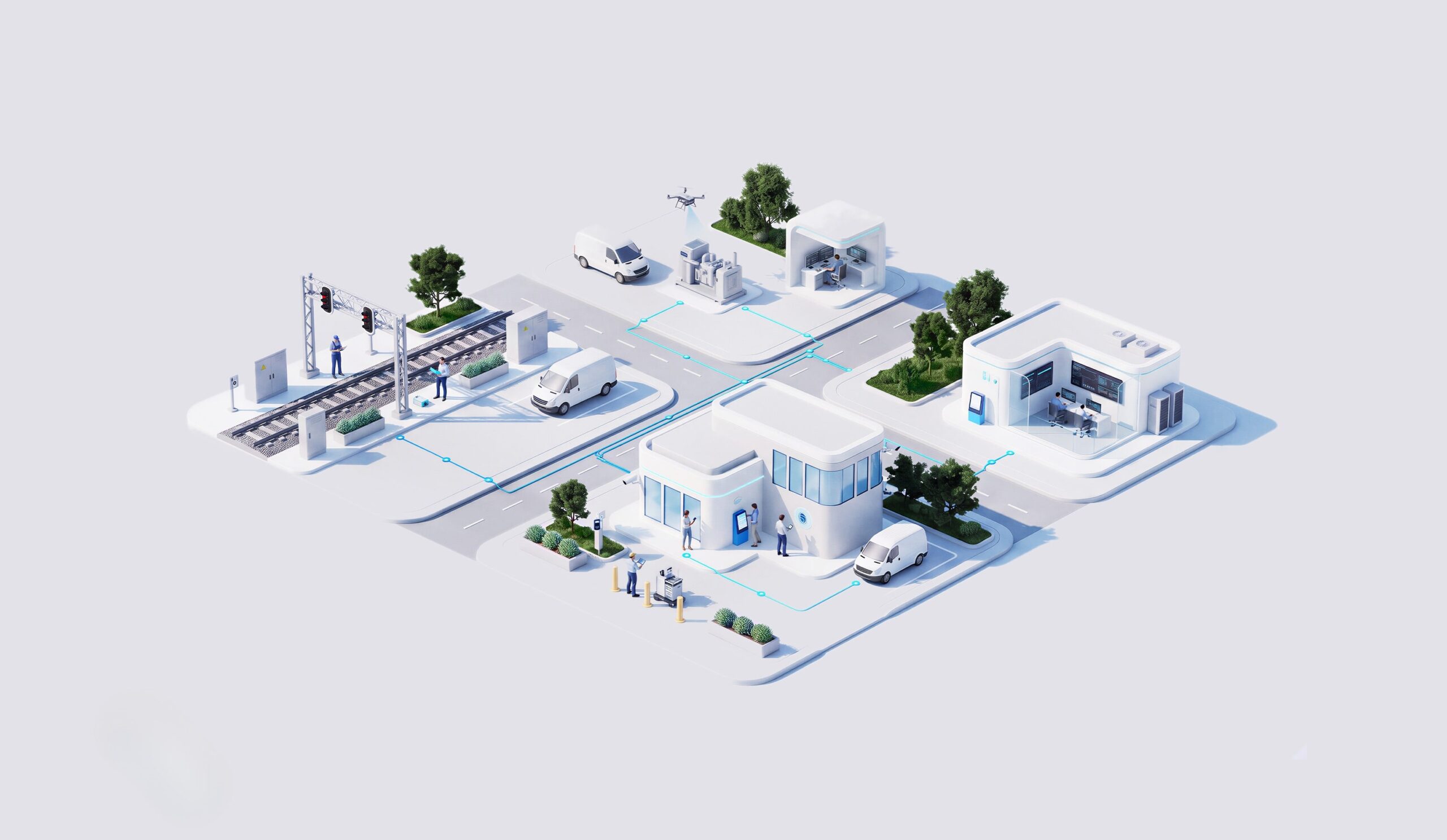
These pressures shift the productivity question from how many assets an operator can add to how intelligently existing assets can perform. The move is from optimized assets that inform people to autonomous assets that can sense, decide and act within defined engineering, safety and governance limits. That opportunity is taking shape across three operating territories.
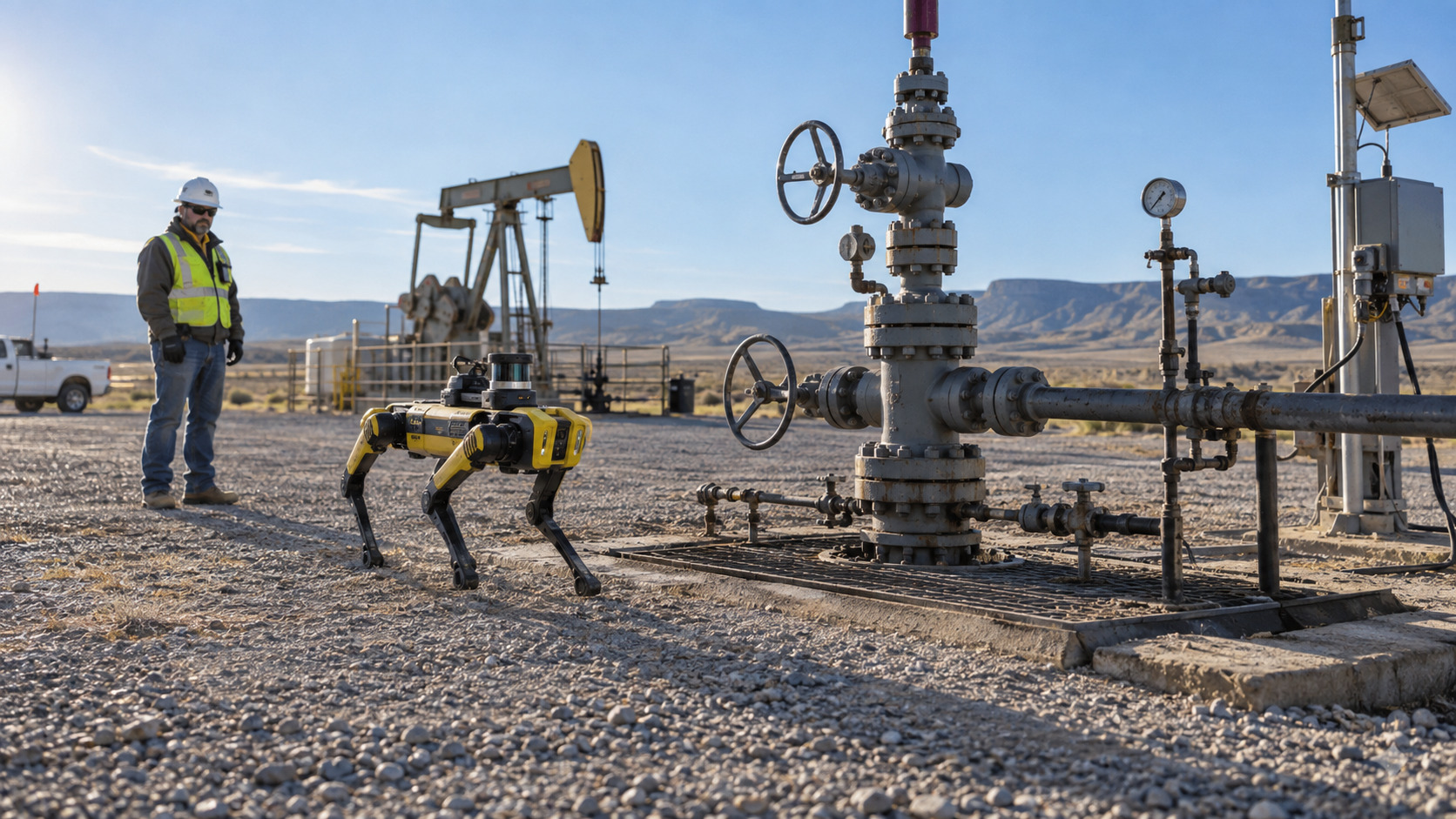
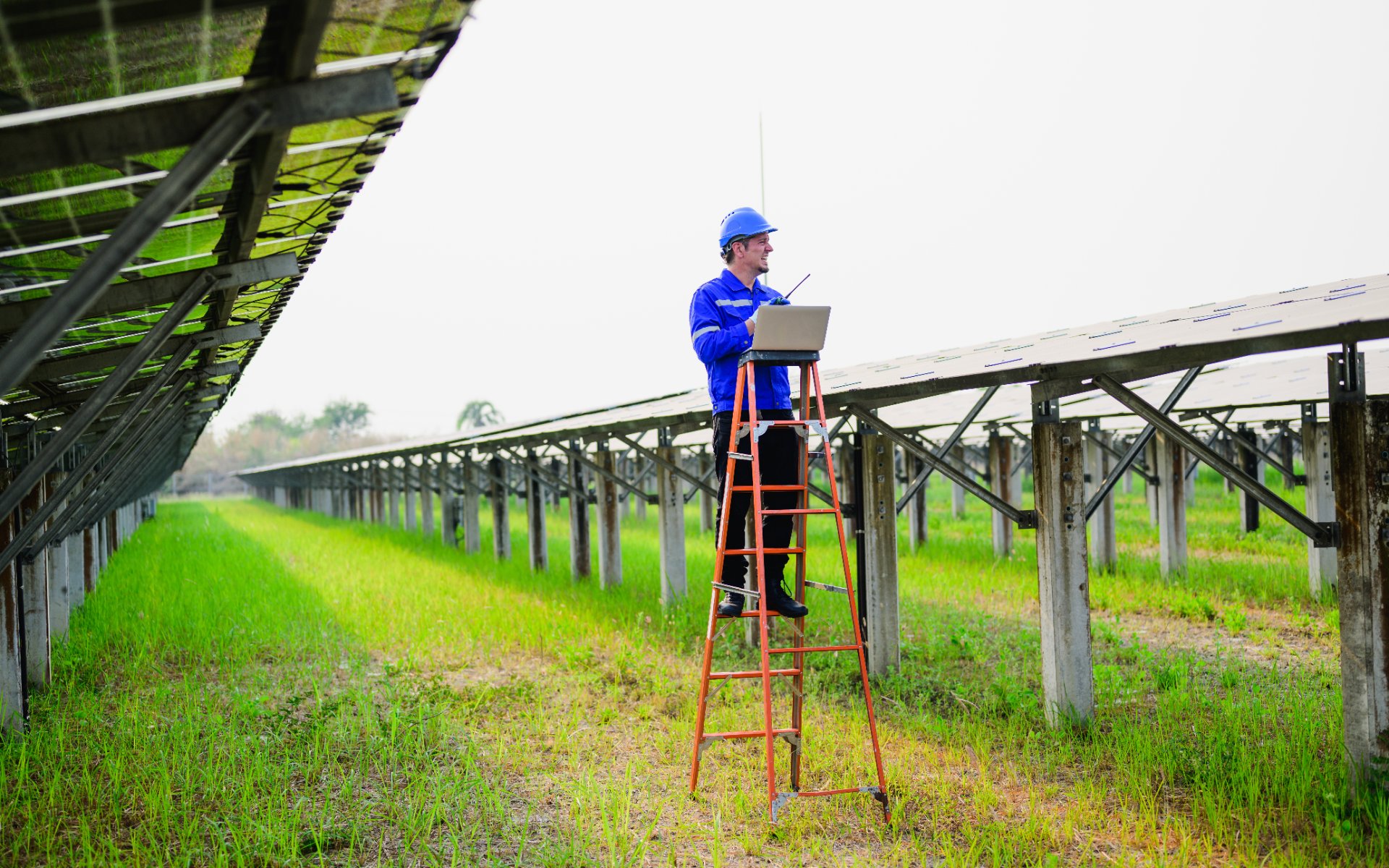
- The autonomous well and field. Adaptative production, higher uptime and less human exposure in hazardous environments.
- The autonomous refinery.Continous adjustment across equipment condiciont, process constraints, energy use and yields.
- Physical AI as an operational shock absorber.Assets that detect and respond to operational shocks faster.
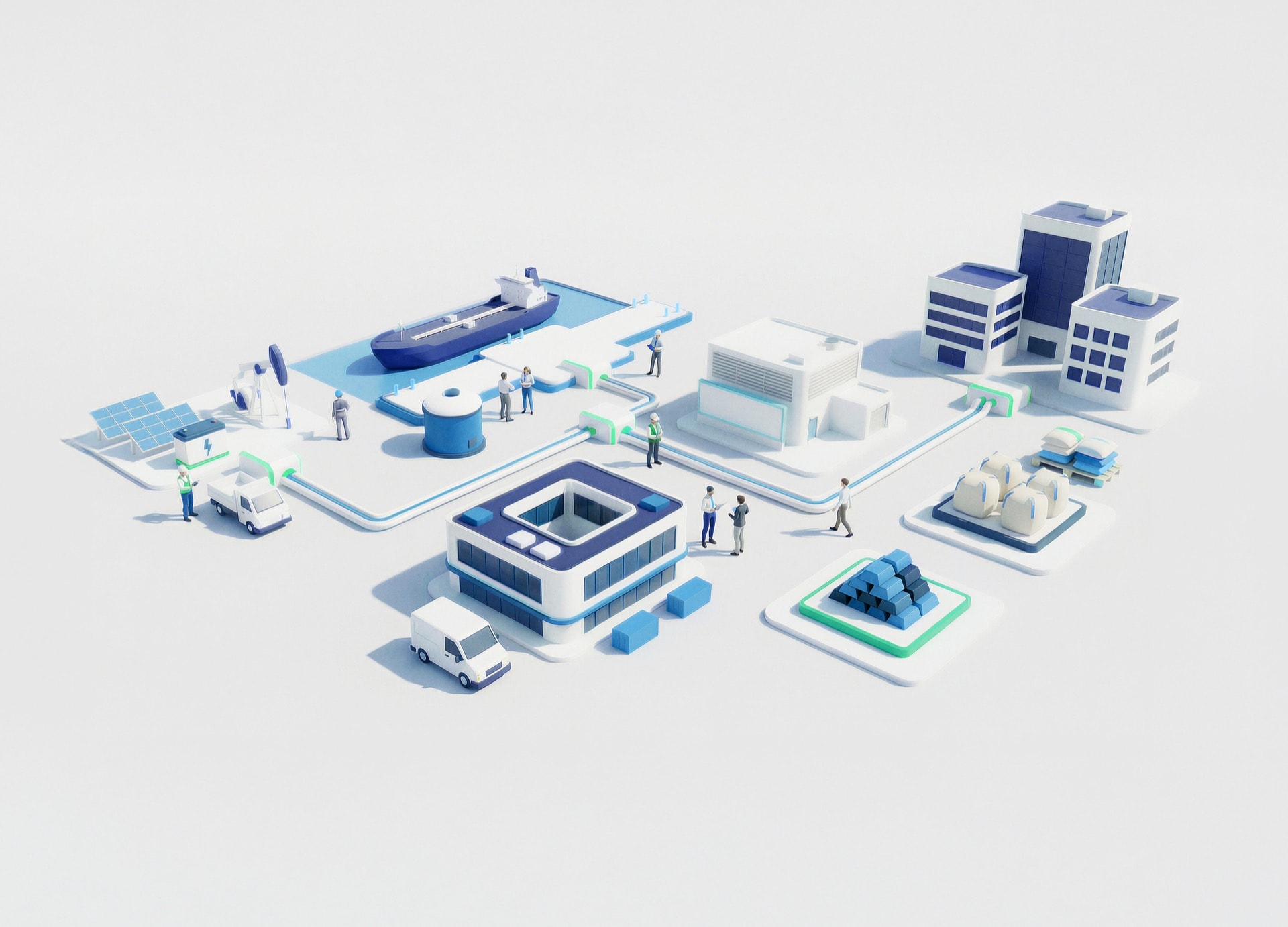
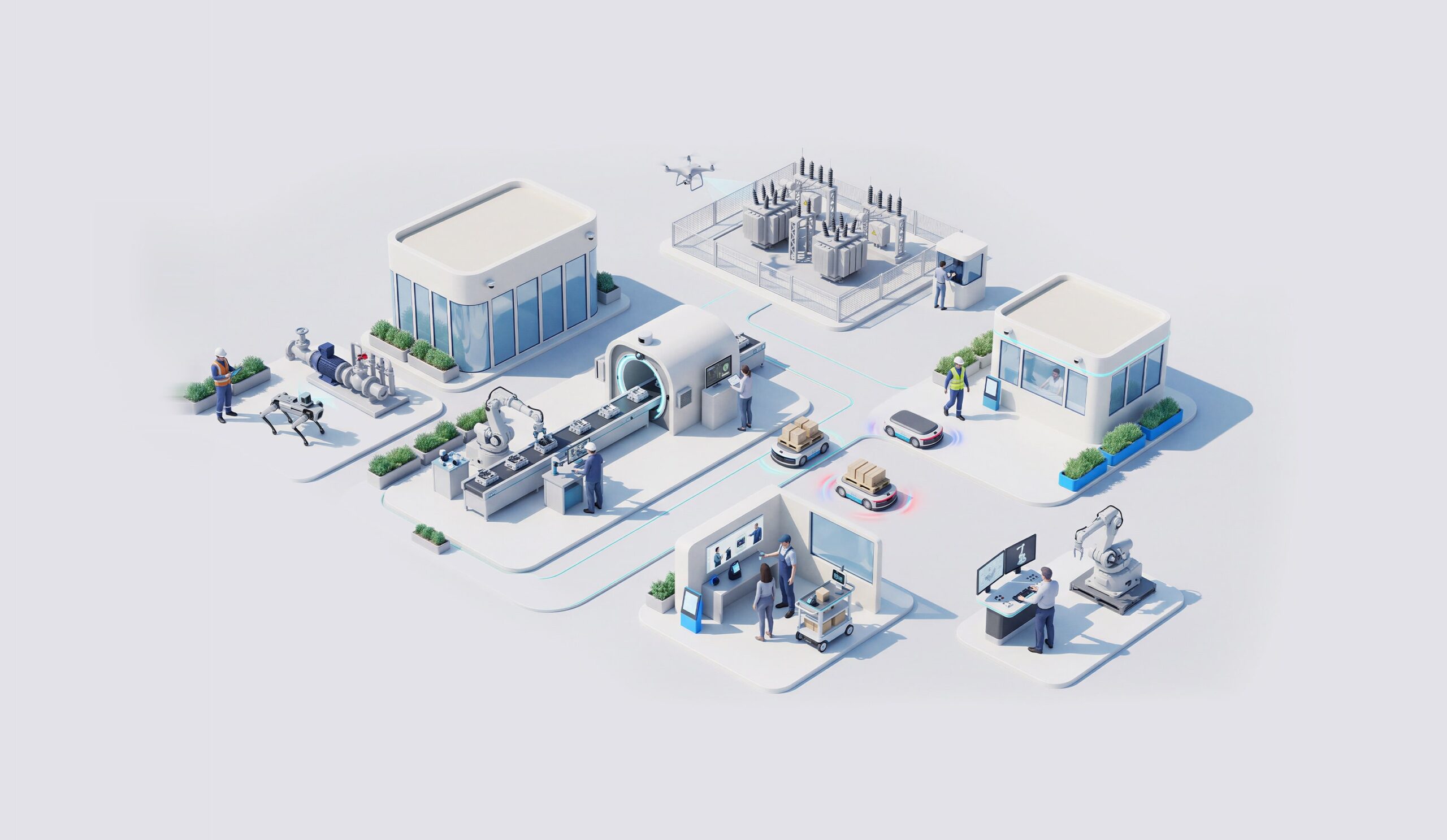
NTT DATA’s position is grounded in the integration challenge. Its Physical AI capabilities span edge intelligence, advanced connectivity, simulation, robotics and digital twins, IT and OT integration, cybersecurity, and lifecycle governance. For Oil & Gas, these capabilities connect technology to production, availability and resilience through a governed path toward autonomy.


The extended edition maps the autonomy ladder, compares three operating scenarios and examines the integration, governance and value decisions required to move from pilots to autonomous assets at scale.
NTT DATA Insights