- All Foundries

- Commodity Management & Trading

- Customer & Marketing Strategy

- Digital Engineering

- Station Studio

- Supply Chain & Industry 5.0
- Sustainability

- Physical AI

- Next-Gen Infrastructure











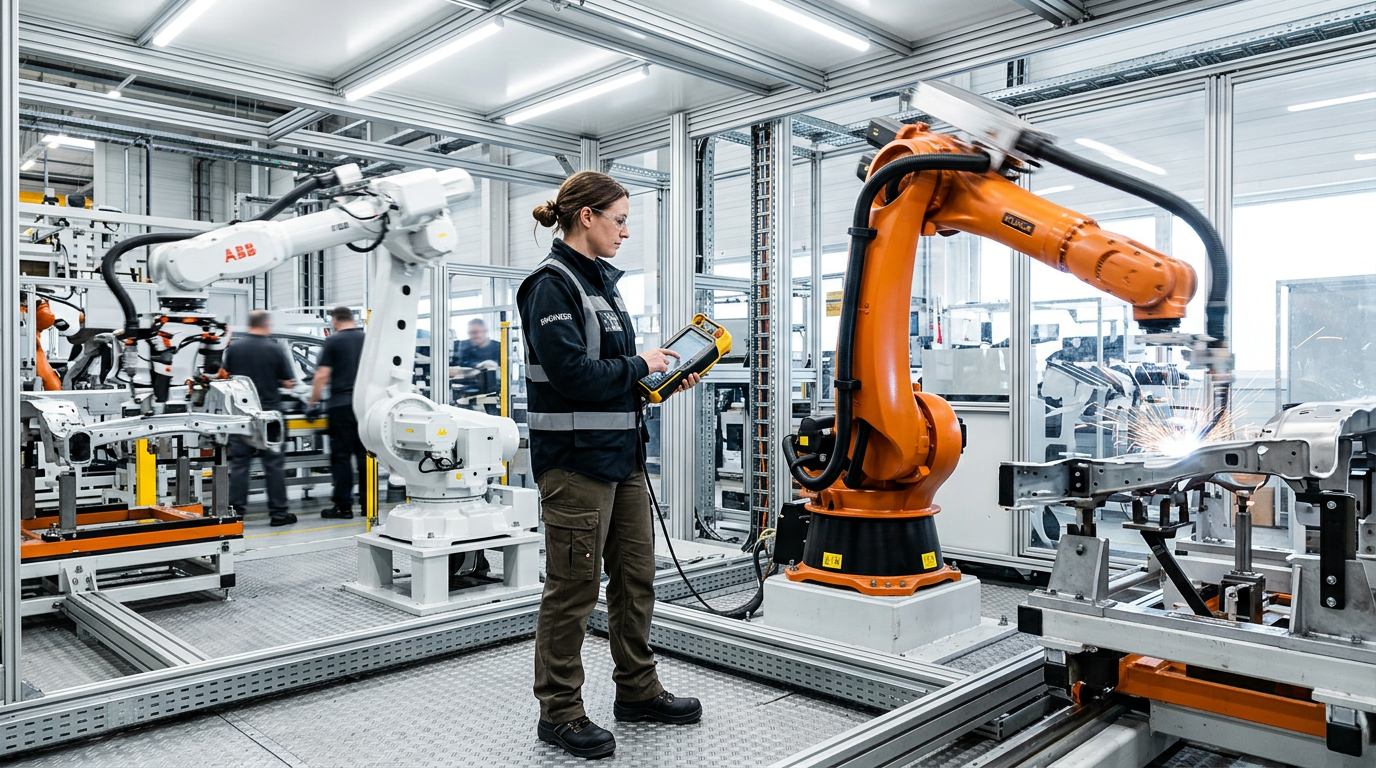
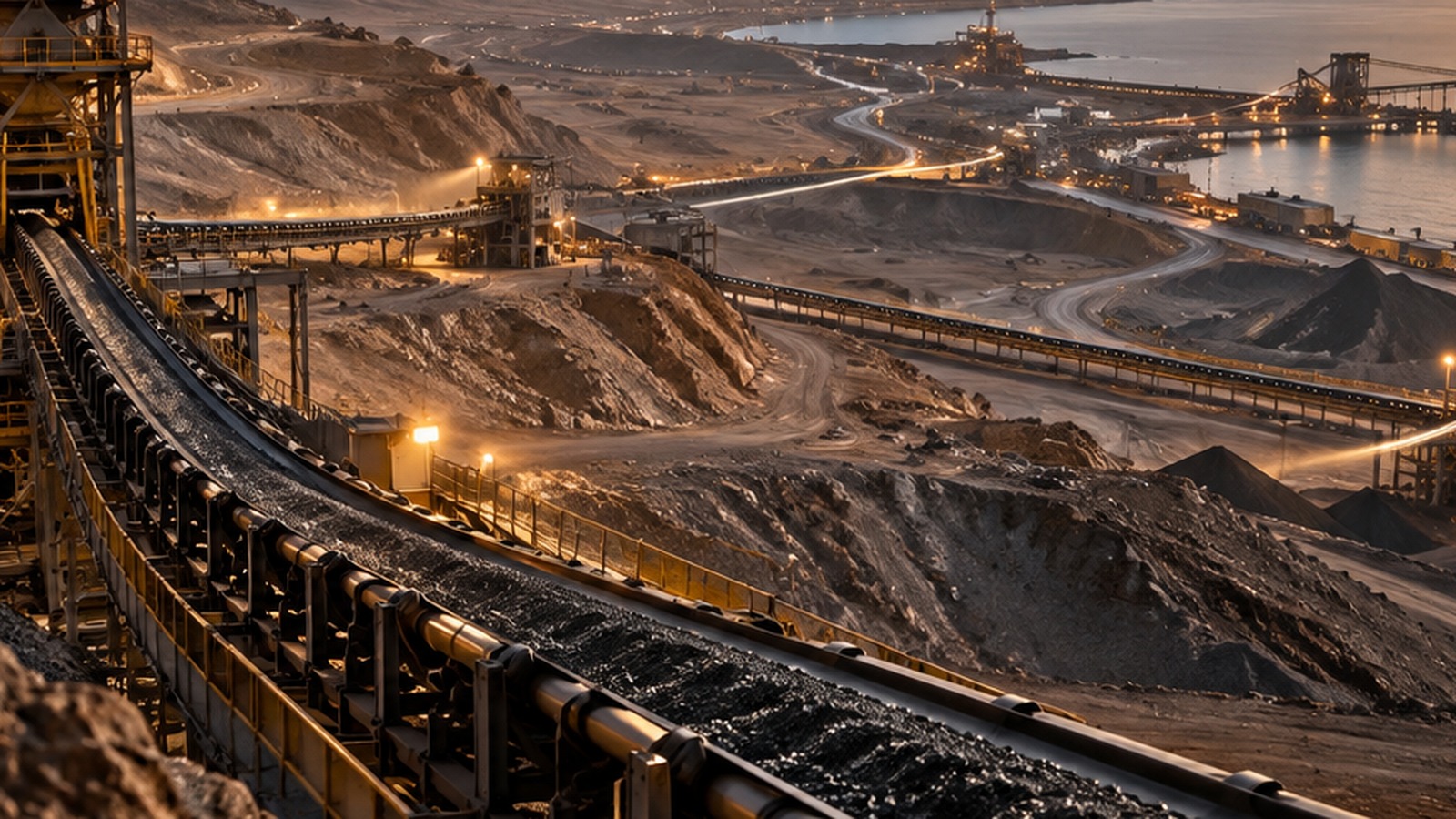
Mining decision memory: preserve context across every shift
Which alternatives were rejected? What constraint made the chosen route preferable? What did the plant receive afterwards? Did the response create another consequence?
Closing that learning loop can make strong human judgment repeatable across shifts and situations.

Closing the learning loop can make strong human judgment repeatable across shifts and situations, even when the people are different.
It can shorten future response time and improve training by giving each shift access to how previous decisions were actually made.
Reconstructed decisions can expose recurring constraints and create the evidence required before a decision pattern is automated.
“We did this last time” becomes “we chose this because these conditions were true, and this was the result” – proven logic.
How NTT DATA helps
Preserve the condition, alternatives, constraints, authority and selected response – not just the incident timestamp.
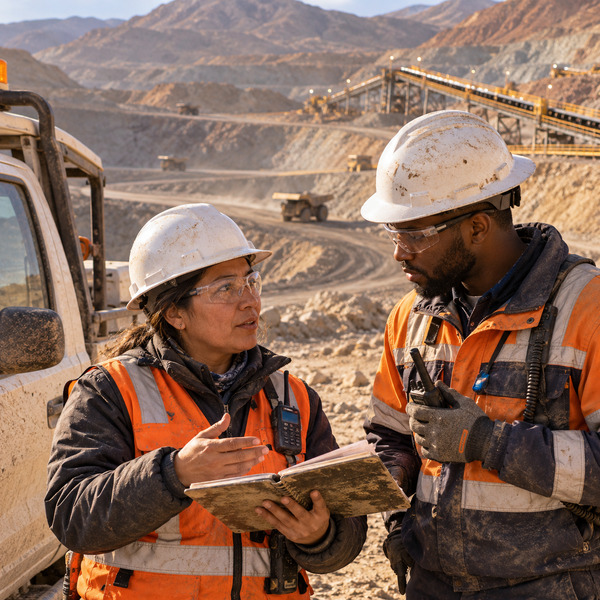
Event integration can connect the chosen route, setpoint, maintenance action or dispatch instruction to what actually happened in the mine.
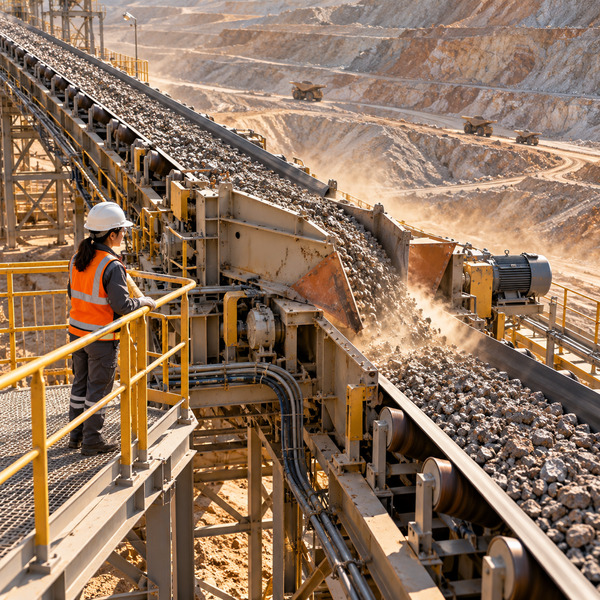
Operational observability and historian data can show the downstream result after the intervention.
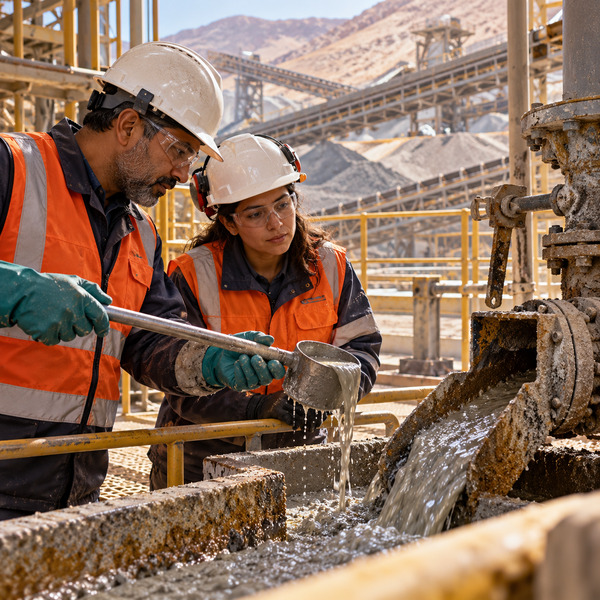
Analytics and AI can assemble event histories, process context and subsequent outcomes into a usable decision record for human review.
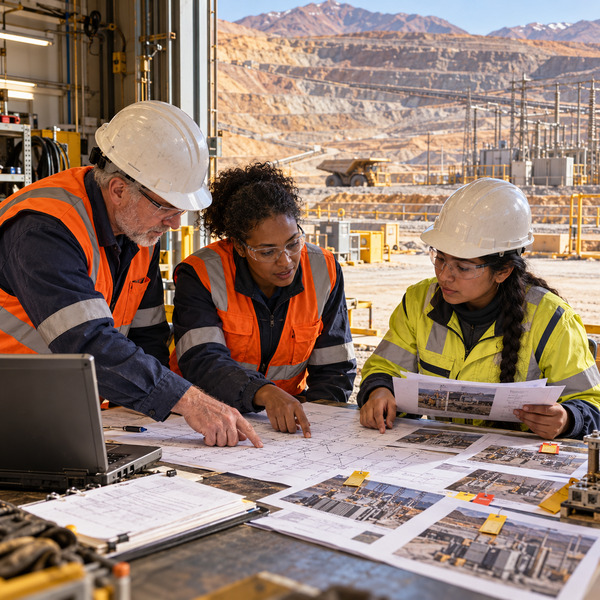
Knowledge models and workflow can surface relevant prior cases when a similar condition appears again.
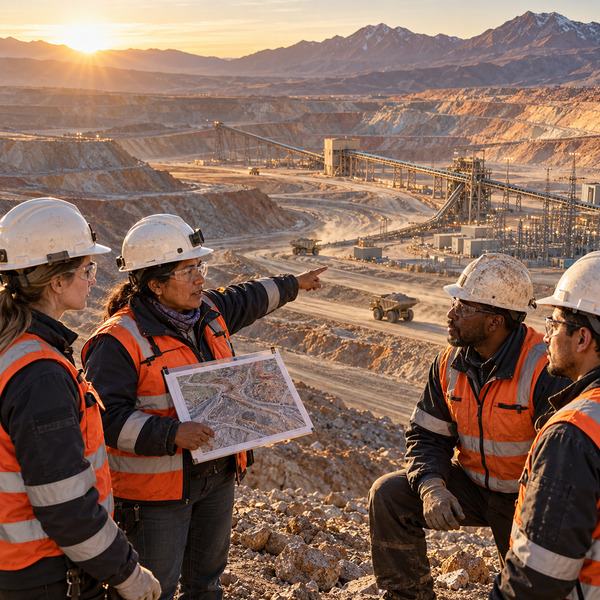
Once reviewed cases show a stable pattern, repeatable responses can move toward recommendation and supervised execution within known limits.
Comparison, authority, executed option and later result are not reconstructed with the same depth, and some effects are recognized only later. Learning belongs inside the decision architecture.
Return to the second electrical contingency. The goal is not for the next shift to copy the previous one.
The conditions may be different. The goal is for the operation to remember enough of the previous decision to reason better this time.
Event integration connects the chosen route, setpoint, maintenance action or dispatch instruction to what actually happened in the mine.
Knowledge models and workflow can surface relevant reviewed cases when a similar condition appears again on another shift or crew.
Repeatable decisions progress from remembered practice to recommendation, supervised execution and eventually bounded autonomy.
Explore how decision records, observability and AI can turn shift responses into reusable knowledge across integrated mining.