- All Foundries

- Commodity Management & Trading

- Customer & Marketing Strategy

- Digital Engineering

- Station Studio

- Supply Chain & Industry 5.0
- Sustainability

- Physical AI

- Next-Gen Infrastructure













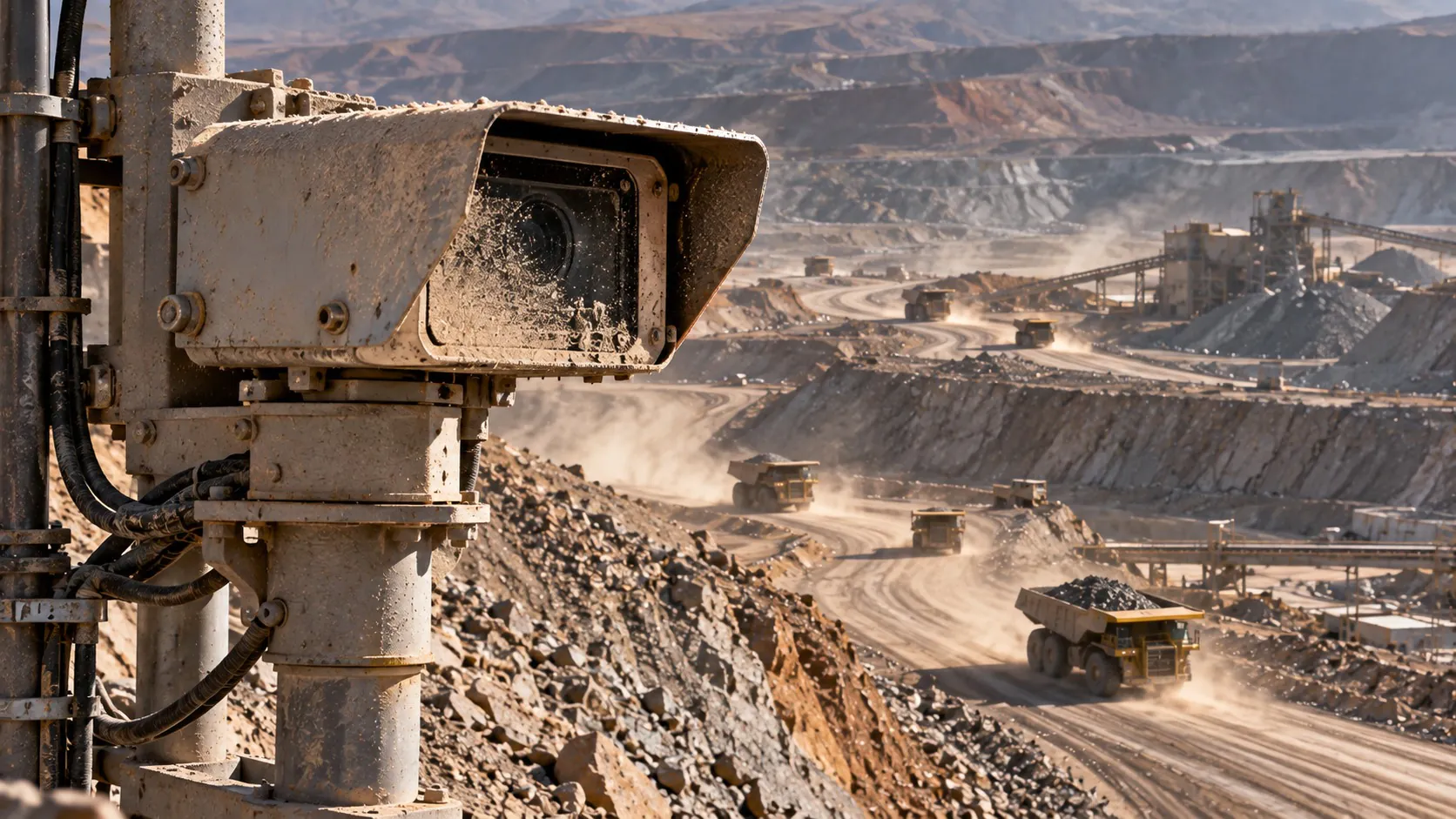
Observability for the technology that runs the mine
Nothing needs to be completely “down” for the decision to become weaker. When digital services become production dependencies, their degradation is no longer only an IT event.
The value is not another technology dashboard. It is visible confidence in the operating capability technology supports.

Is the process really stable, or has a signal gone stale? Observability answers questions traditional infrastructure monitoring cannot.
The operation can tell whether a recommendation is current, or whether part of its input path arrived late or incomplete.
When the digital representation crosses a boundary, authority can return to a person or a simpler local mode before action continues.
The distance between a technology symptom and its operational consequence shortens, protecting decision quality and continuity.
How NTT DATA helps
Start with the capability to preserve – remote operation, dispatch, process optimization or field connectivity – and define what healthy means in operating terms.

Map the dependency chain from field signal through connectivity, identity, data services, applications and models to the action that uses it.

Observe freshness, completeness, latency, errors and dependencies so the operation can distinguish an available service from a trustworthy current representation.
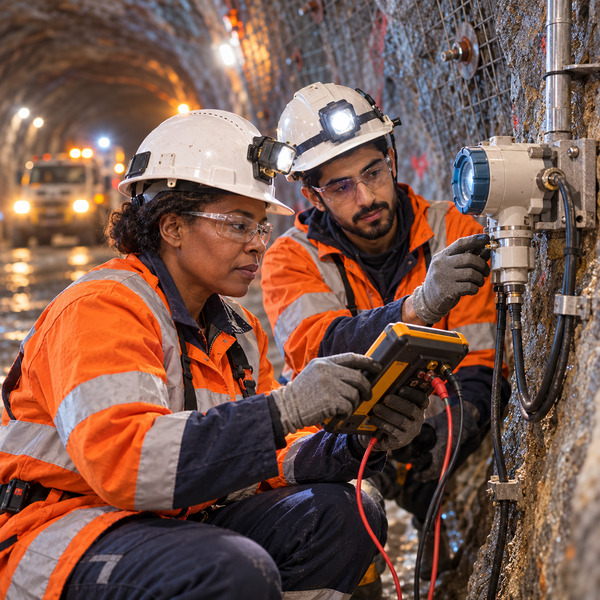
A delayed tag matters differently when the plant is stable than when the window is closing. Telemetry needs asset, material and process context.

Translate technology conditions into responses: continue, restrict automation, require confirmation, fall back to local control or escalate.

Use incidents and failure tests to see which dependency compromised the service, how fast the mine noticed and whether fallback protected the decision.
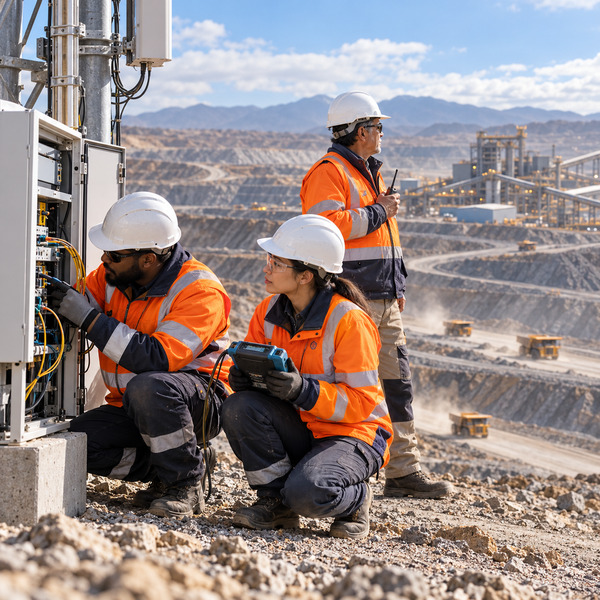

Tracing visualizes end-to-end flows across dependent components. Mining extends that mechanism: if a digital chain carries a decision, the mine must know whether it is current, complete and behaving as expected.
The important question is not whether every server is running. It is whether the operation can trust what it sees.
When the digital path reveals its own degradation, the mine can separate a real process change from a technology problem.
The right fallback is preserved before stale confidence becomes operational truth for the optimizer and the control room.
Freshness, completeness, latency and dependencies show whether a service is a trustworthy current representation of the mine.
Incidents and controlled failure tests improve how quickly the mine recognizes degradation and how well fallback protects decisions.
Explore how operational observability can protect decision quality when the digital chain behind your mining operation degrades.