- All Foundries

- Commodity Management & Trading

- Customer & Marketing Strategy

- Digital Engineering

- Station Studio

- Supply Chain & Industry 5.0
- Sustainability

- Physical AI

- Next-Gen Infrastructure











End-to-end mining SLAs beyond green technology metrics
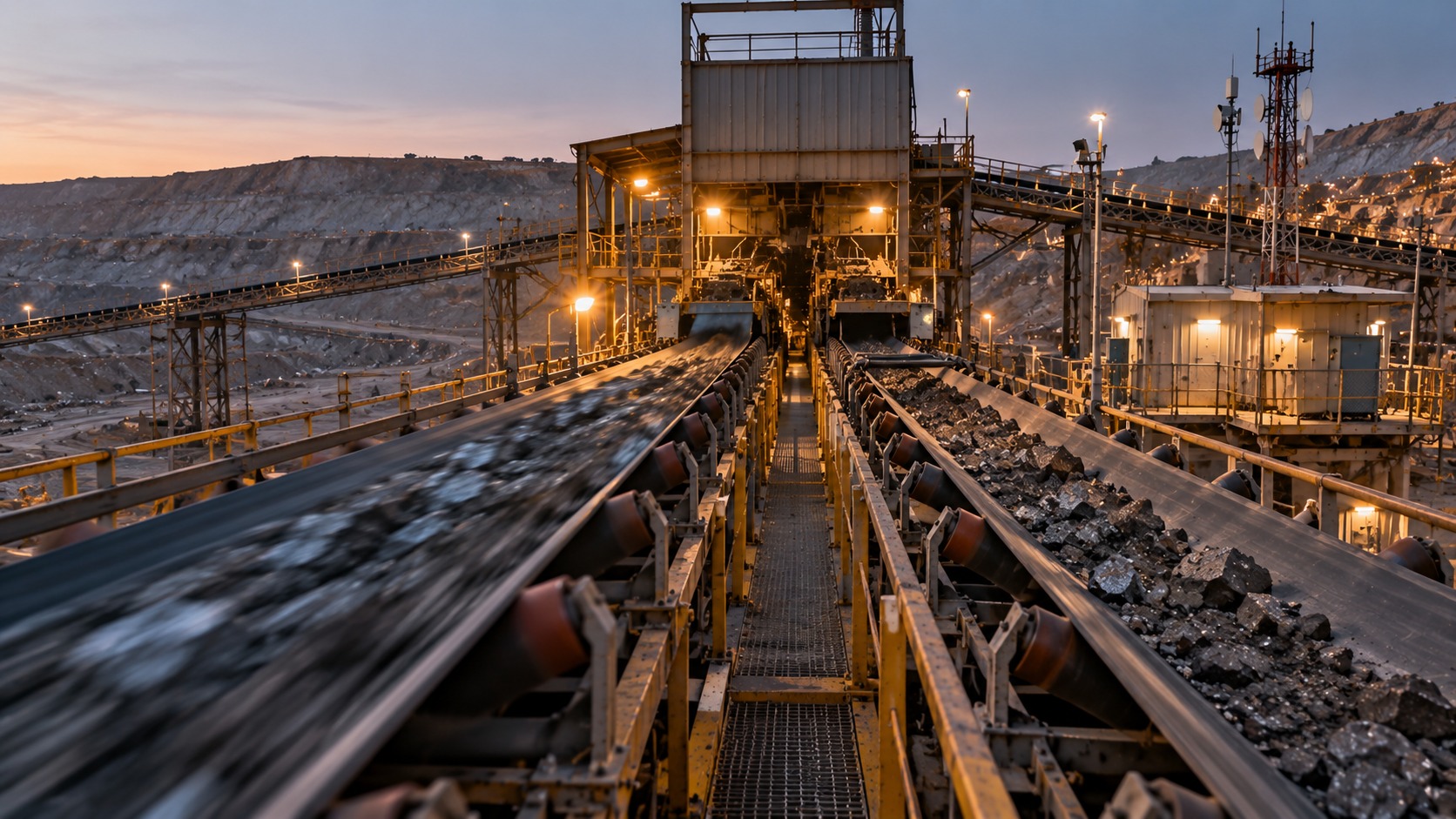
Trucks continue toward a destination the mine no longer wants. A queue builds while capacity sits unused. No component violated its promise. The operational service still failed.
Measuring the end-to-end service makes technology performance legible in mining terms.

The question becomes whether a dispatch change was decided, propagated, reached the truck and stayed actionable before the cycle closed.
It exposes cumulative delay, interface failures and partial degradation that disappear inside locally successful contracts.
The conversation moves from which supplier is failing to which operational capability is lost and where in its chain it occurs.
Technical SLAs remain diagnostic commitments, while the complete service is managed against the operating consequence that matters.
How NTT DATA helps
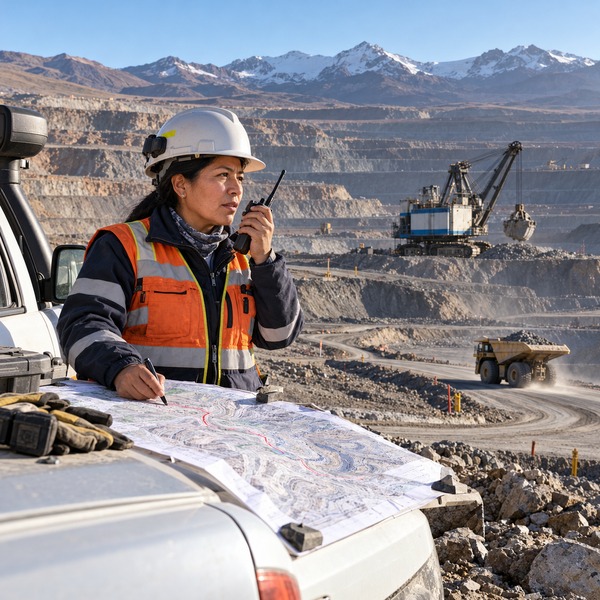
Define the service from the mine’s view: a dispatch change that must reach the equipment while the route decision can still alter the cycle.
Trace the transaction across fleet applications, integration, identity, compute, network, field devices and other services that contribute to completion.
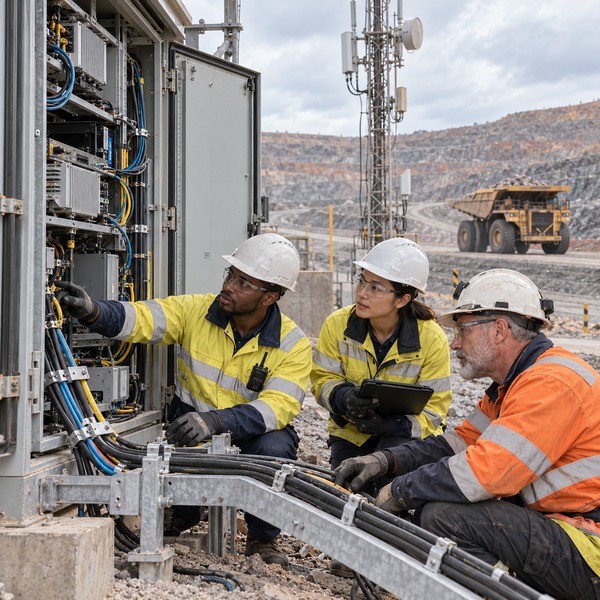
Keep component SLAs, but add end-to-end completion, latency, freshness and availability where the mine actually consumes the capability.
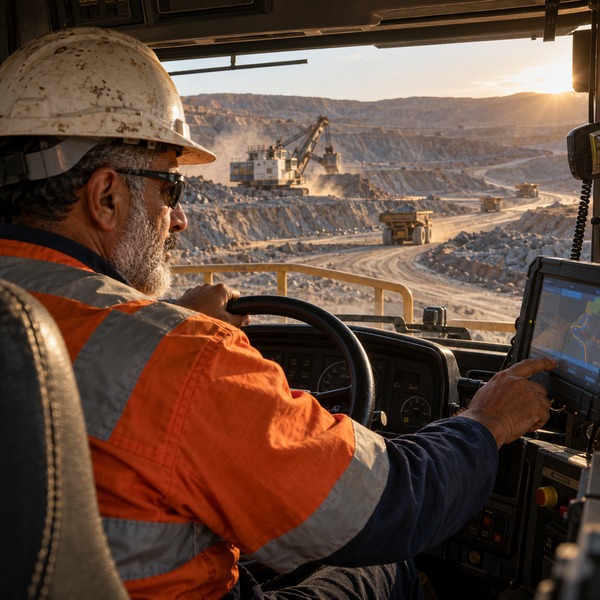
A delay harmless in a stable period may matter while a shovel outage forces rerouting. Service health needs the mining decision’s time window.
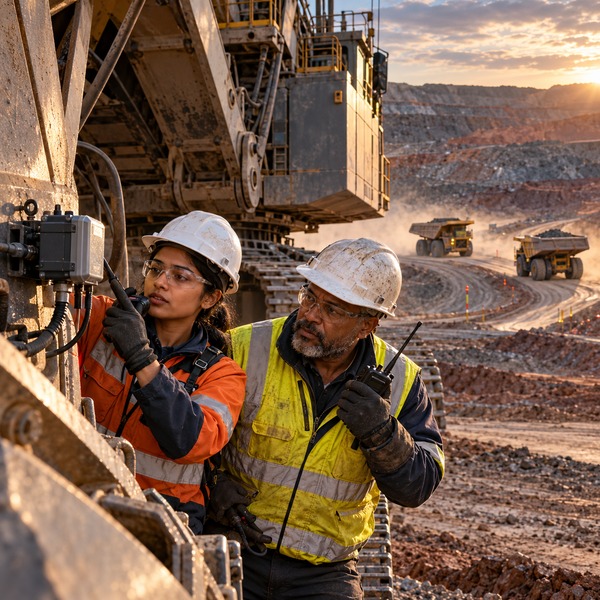
Use end-to-end transactions, controlled degradation and failover tests to expose when every layer looks healthy but the service fails.
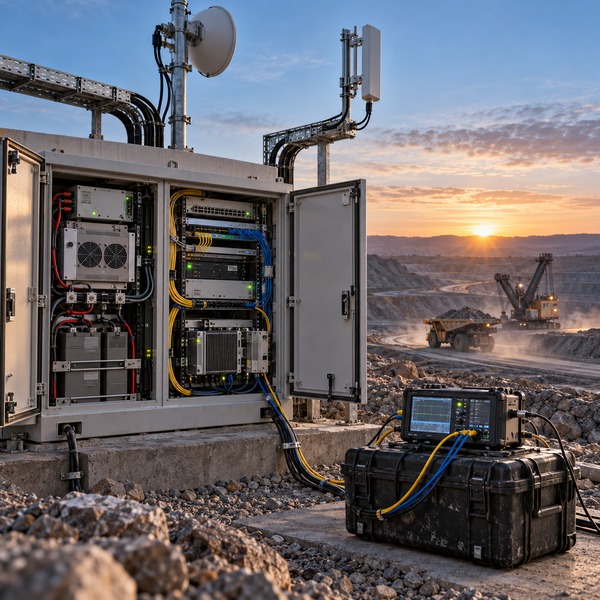
Use technical SLAs as diagnostic commitments while managing the complete service against the capability and recovery behavior the mine needs.
The service combines SLA measures with utilization- and value-level measures tied to business outcomes. Component reliability remains necessary but does not prove an end-to-end capability works for its consumer.
The mine is not served when every supplier keeps its SLA. It is served when the capability survives the trip across all of them.
The mine does not have to infer service health from five green supplier dashboards while trucks continue on an obsolete route.
The technology chain can say whether the dispatch transaction succeeded while it still mattered to the haul cycle and the shovel.
If the transaction failed, the chain shows where the capability degraded and what operating response should follow in the mine.
Green components remain useful evidence. They simply stop being mistaken for the operational result the mine actually needs.
Explore how end-to-end service design can make technology performance accountable to the mining outcomes it supports.