- All Foundries

- Commodity Management & Trading

- Customer & Marketing Strategy

- Digital Engineering

- Station Studio

- Supply Chain & Industry 5.0
- Sustainability

- Physical AI

- Next-Gen Infrastructure











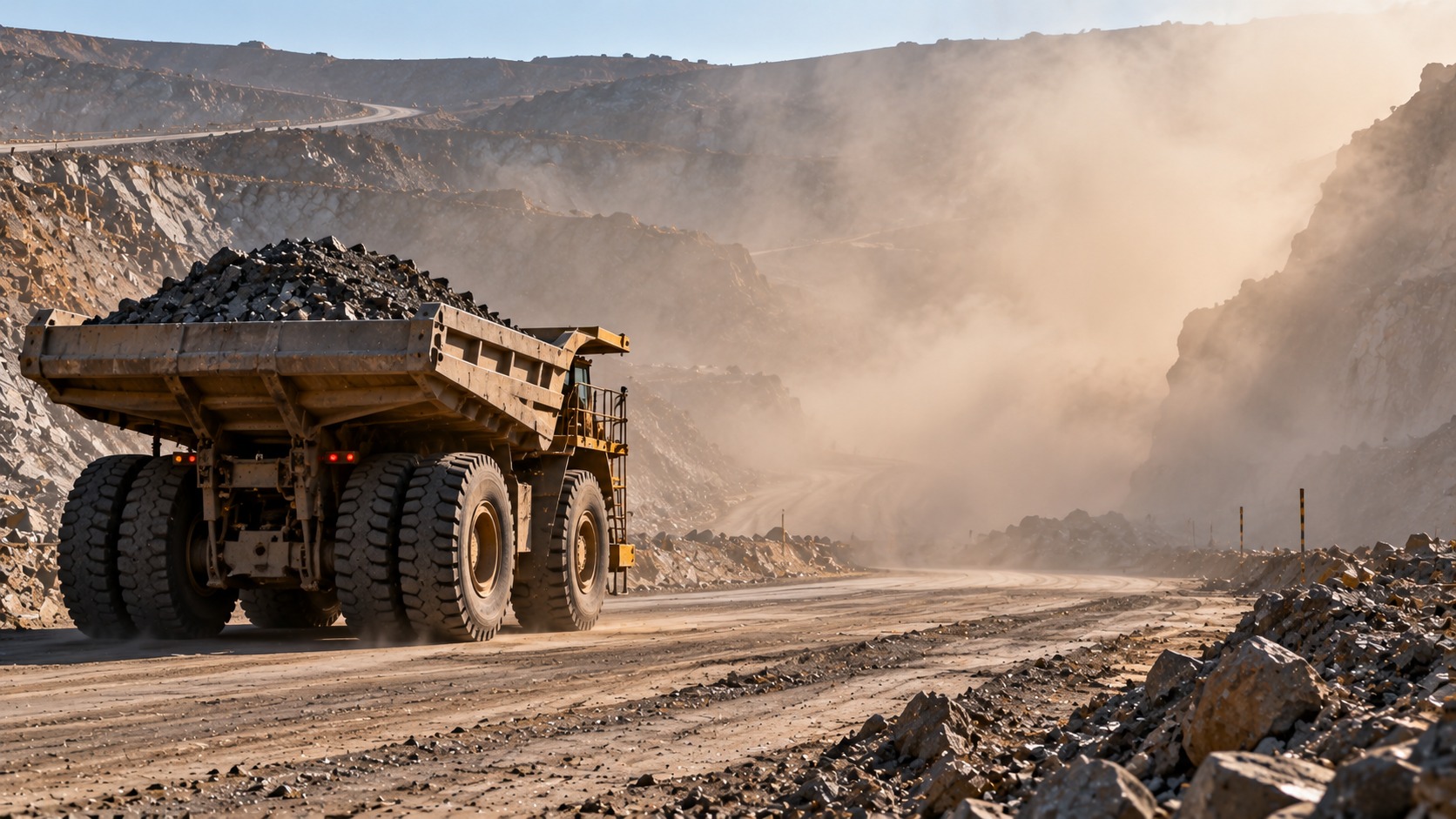
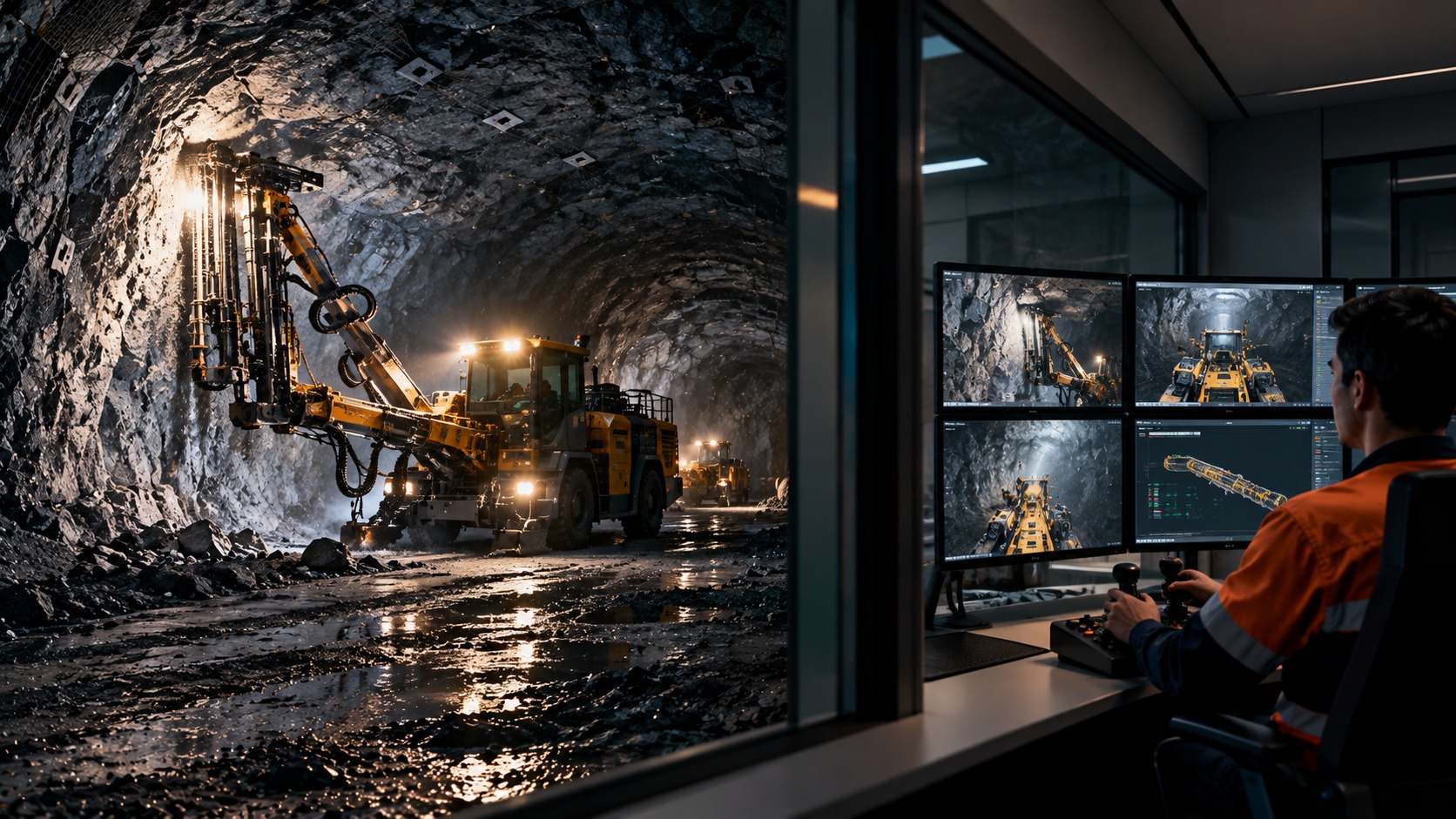
Safe mining autonomy with fallback and recovery by design
The question is not whether the system can operate by itself. It is what it is allowed to do when it no longer knows enough to justify the authority it has.
Safety is protected without assuming every uncertainty requires the same response.

Designing degraded behavior protects safety without assuming that every uncertainty requires the same response from the system.
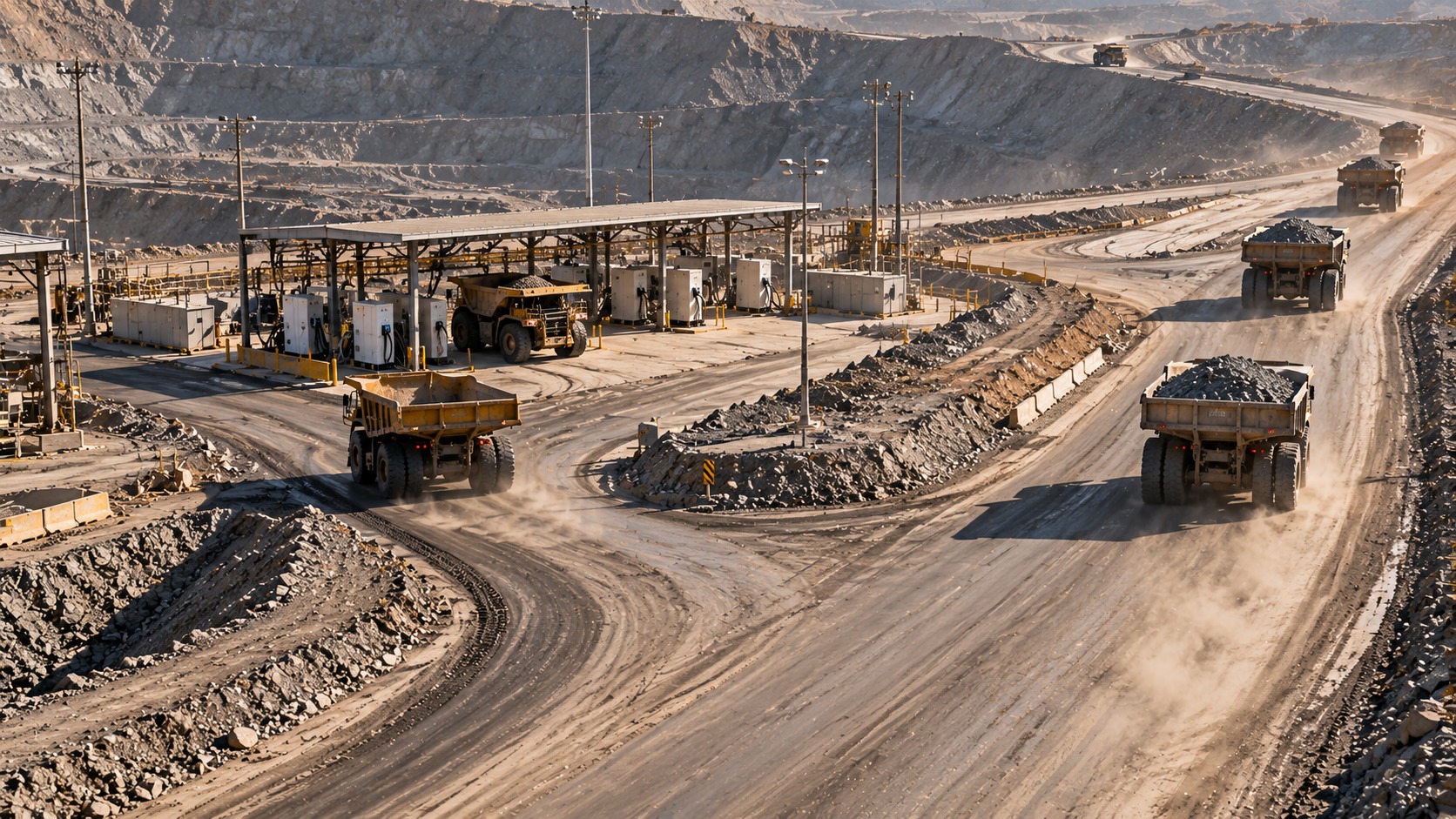
A local problem can be contained before it becomes an uncontrolled operating condition affecting other trucks, Dispatch and the crusher.
Where safe alternatives remain, the mine may preserve part of its productive capacity rather than defaulting to a complete stop
Every situation that forces the system outside its envelope becomes evidence for deciding whether that envelope can expand.
How NTT DATA helps
Make explicit the conditions under which an automated movement, routing or operating decision is trusted, and which invalidate that trust.

Design what happens when sensing, connectivity or control deteriorate: constrained operation, holding, rerouting, escalation or a safe stop.

Changing confidence changes what the system may decide: from autonomous execution to supervised action, recommendation or human control.

If a unit or area changes mode, dispatch, traffic and downstream commitments may need to change. The fallback belongs to the operation.
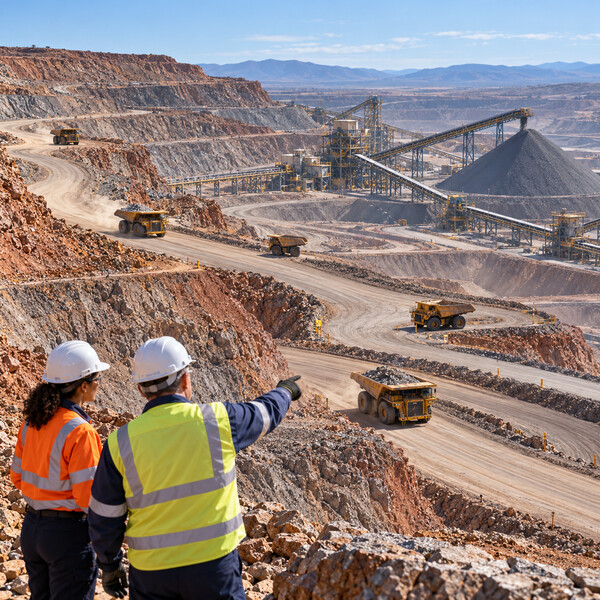
Simulation, event replay and digital representations expose the system to degraded signals and conflicting conditions before production.

Event histories separate one-off anomalies from recurring patterns. Automation expands only when the exception is resolved reliably.

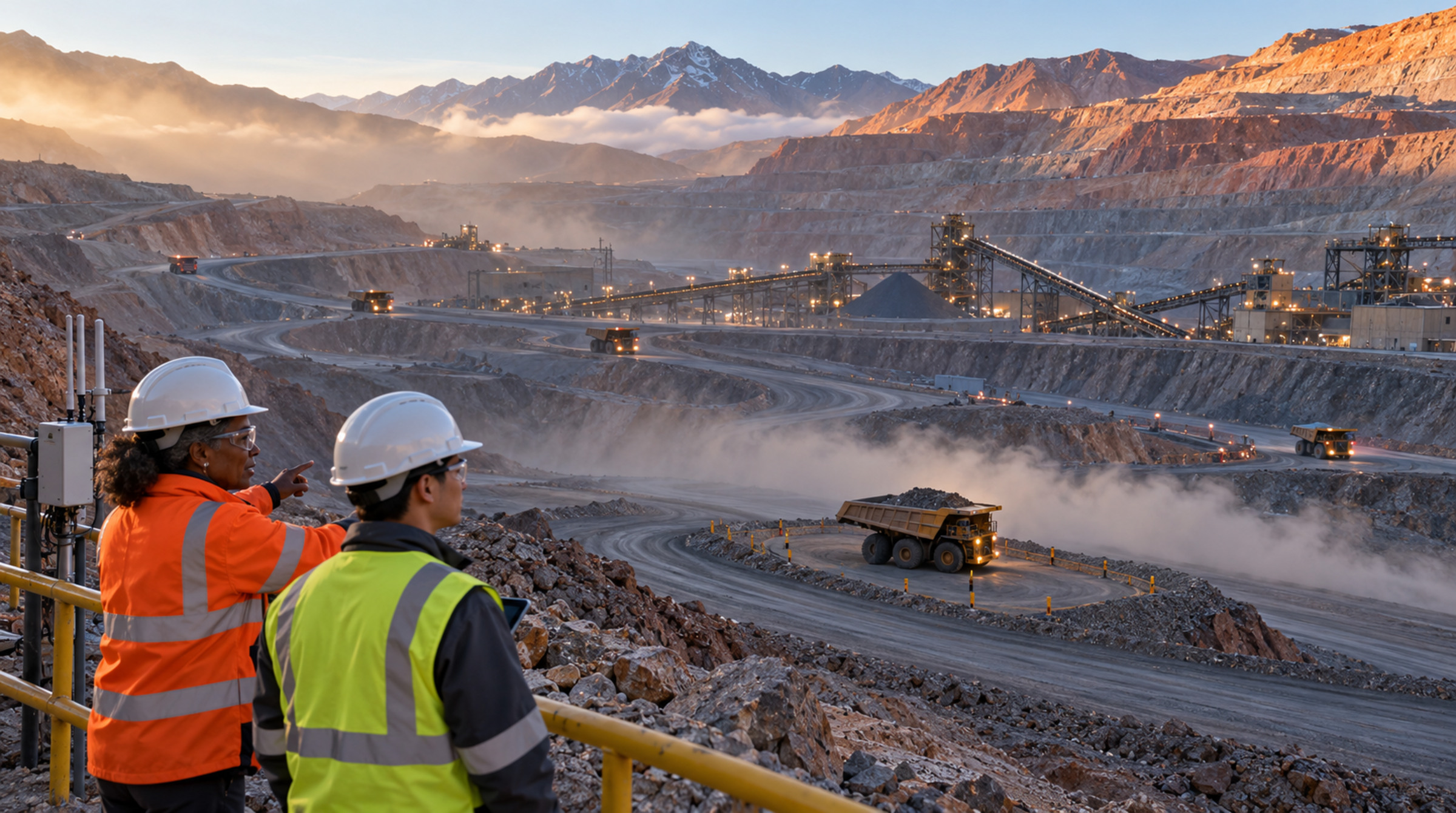
Evidence identifies automation, expert controls, redundancy and degraded modes in mining control environments. Reducing automation can be the designed mechanism that preserves control and continuity.
The objective is not a mine with no exceptions. It is a mine with fewer unmanaged exceptions.
As more situations become understood, a decision can progress from human control to assistance, recommendation and autonomy.
The ability to move authority in the other direction, back toward people, remains just as deliberately engineered as automation.
A mine becomes more autonomous when it can resolve more situations reliably within understood limits, one envelope at a time.
It becomes more resilient when it also knows when not to try: slow, constrain, hold, reroute, escalate, return authority or stop.
Explore how engineered fallback, degraded modes and authority rules can make autonomous mining both safer and more productive.