- All Foundries

- Commodity Management & Trading

- Customer & Marketing Strategy

- Digital Engineering

- Station Studio

- Supply Chain & Industry 5.0
- Sustainability

- Physical AI

- Next-Gen Infrastructure












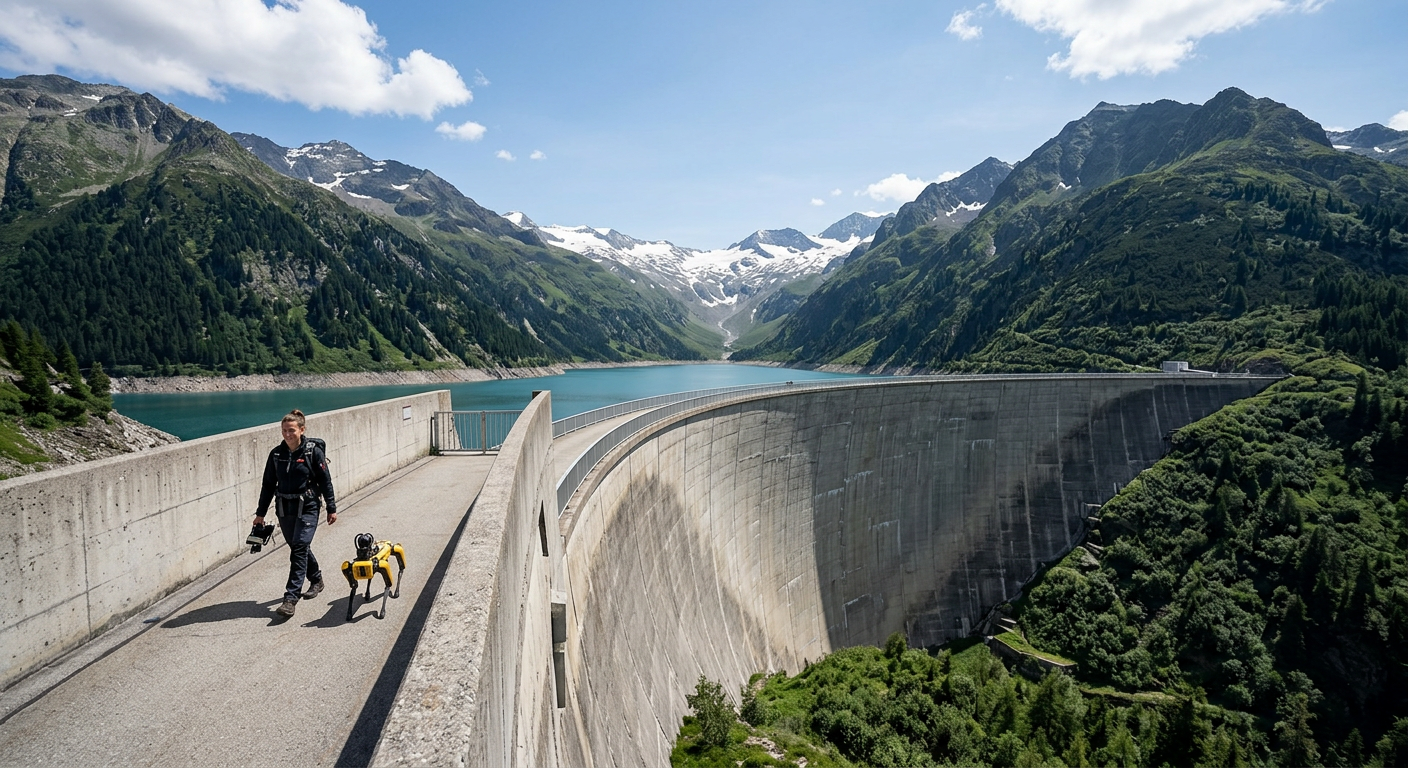
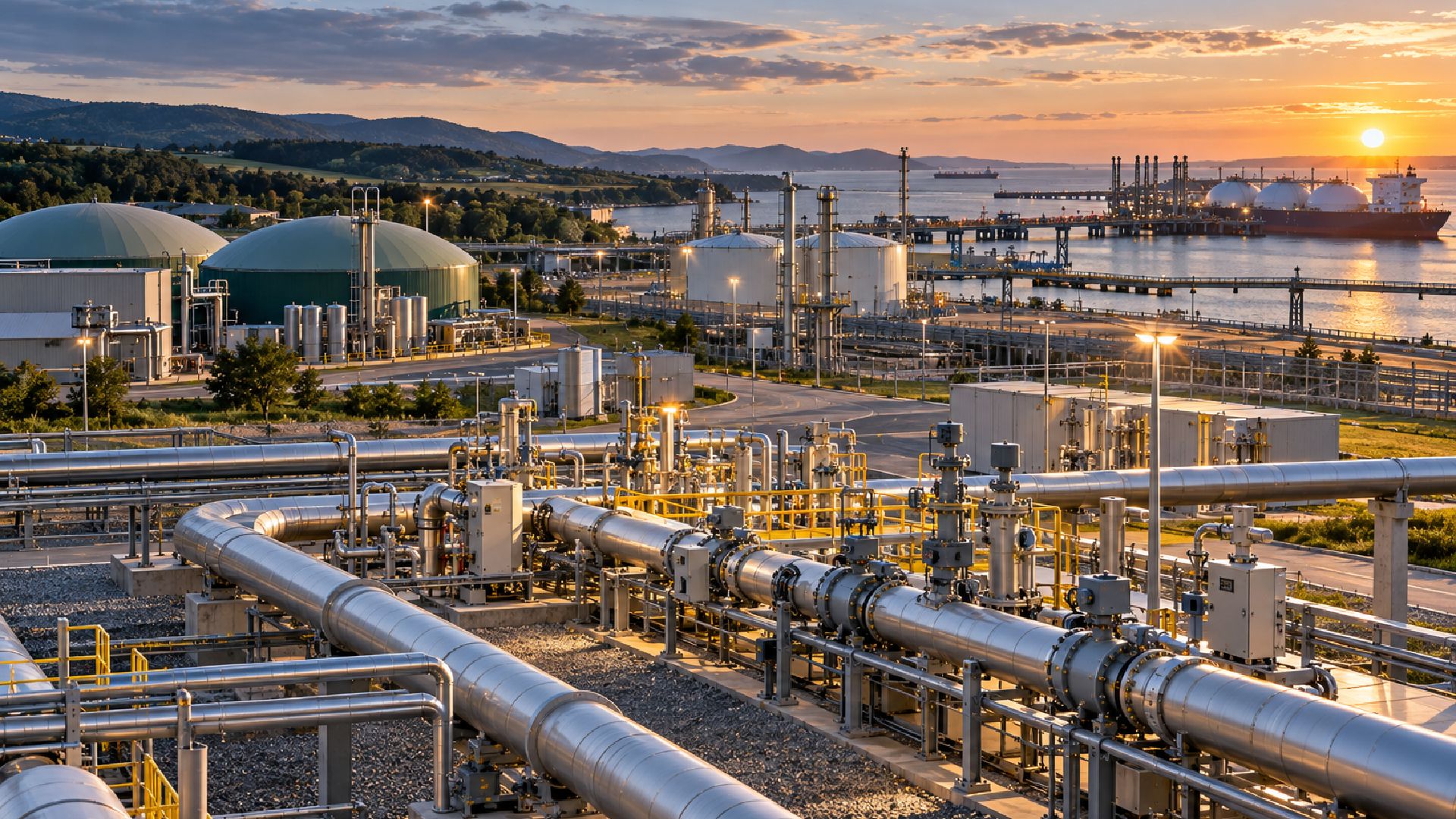
Connected Gas Pipelines & Remote Stations
Different corridors and stations require different connectivity patterns according to criticality and coverage. Integrating sensors, station systems and field access with secure remote connectivity and lifecycle management can reduce information gaps without relying on a single communications technology.

Connected sensors and stations provide better awareness of pressure, flow, equipment condition and security events.
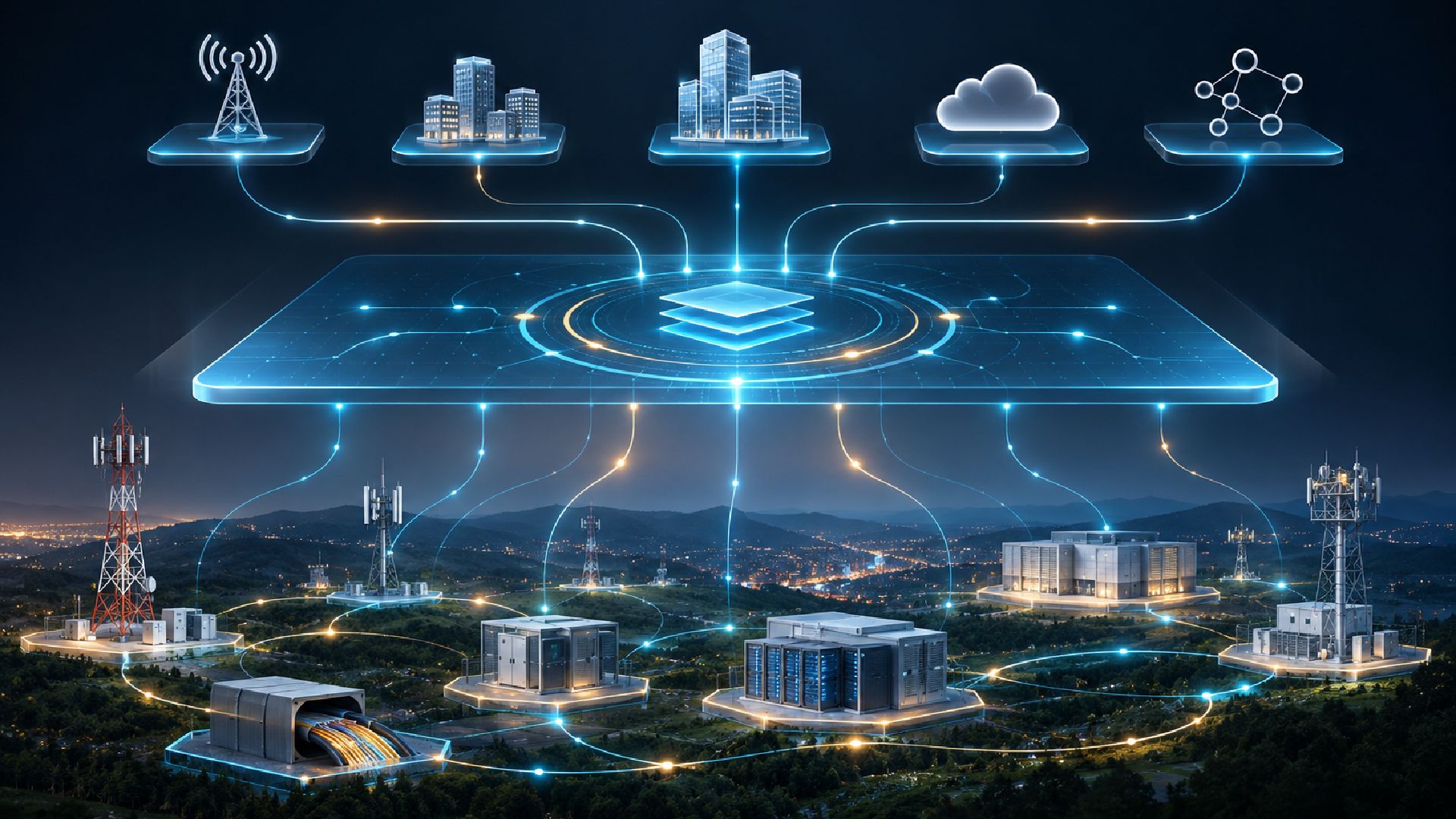
Terrestrial, private wireless and satellite can be combined according to corridor criticality and coverage constraints.
Secure connectivity gives teams access to operational platforms even when assets are hours away from central locations.
Identity, device management and connectivity governance support safer long-term operation of remote endpoints.
How NTT DATA helps
Prioritizes communications patterns according to operational risk, coverage conditions and the criticality of pipelines, compressor, valve and metering stations.
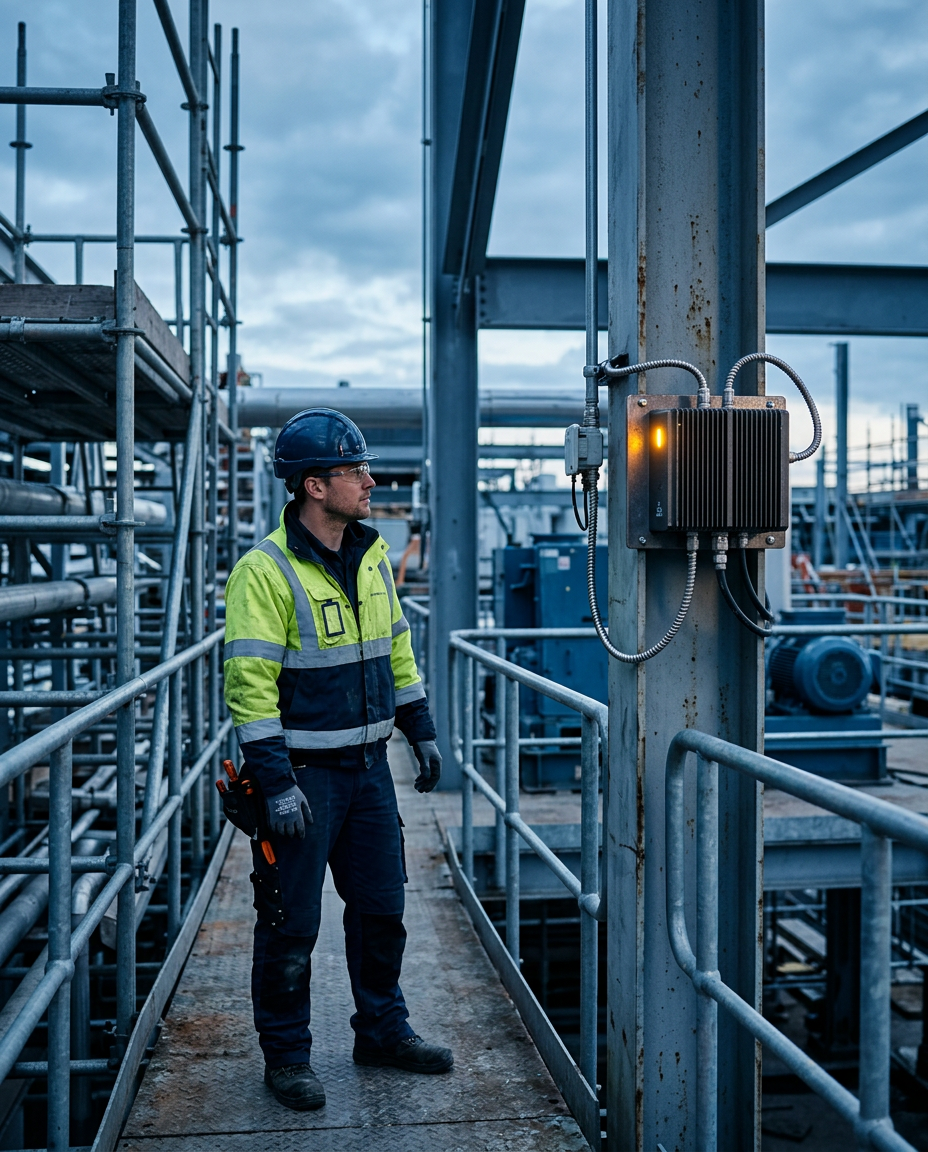
Uses hybrid connectivity to maintain resilient communications across long-distance corridors and areas with uneven terrestrial coverage.
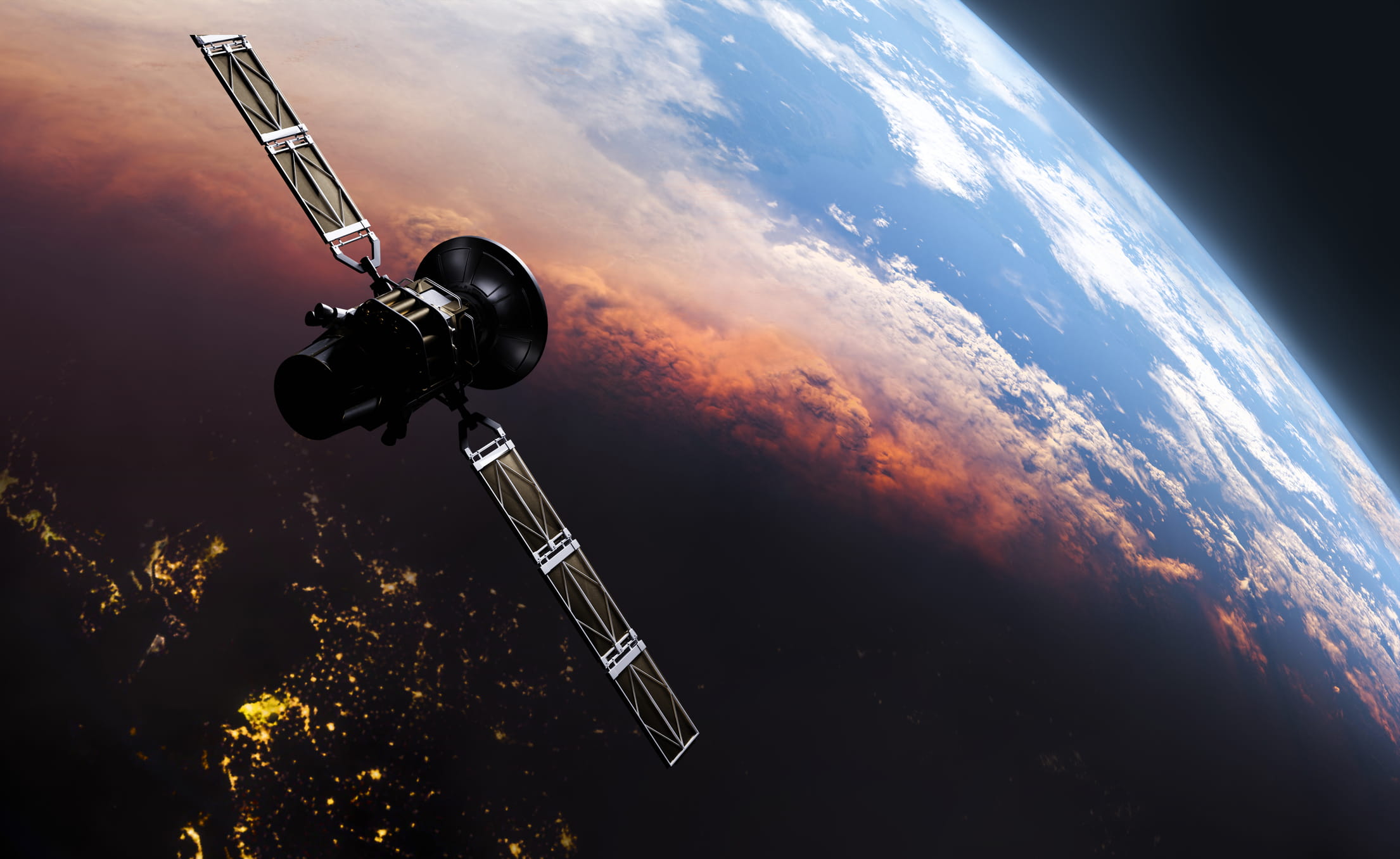
Brings pressure, flow, equipment condition, security events and maintenance activity into a common operational context.
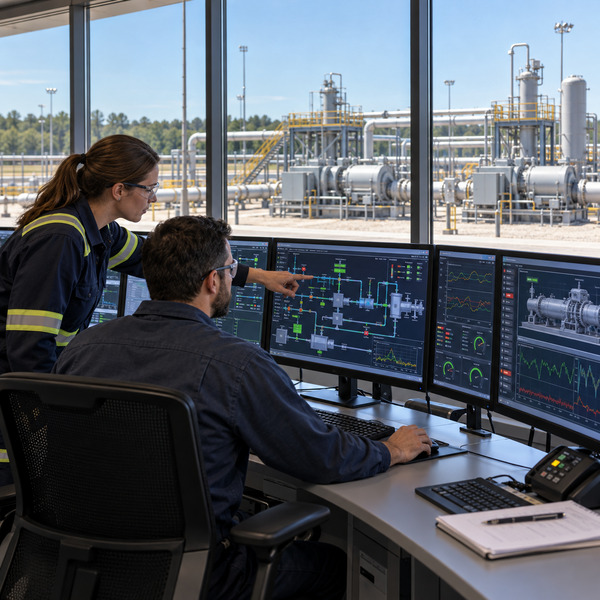
Protects remote operations while managing device identity, access, connectivity and lifecycle responsibilities across distributed infrastructure.

Device identity, data quality, asset records, security and lifecycle management are aligned with operational workflows and systems.

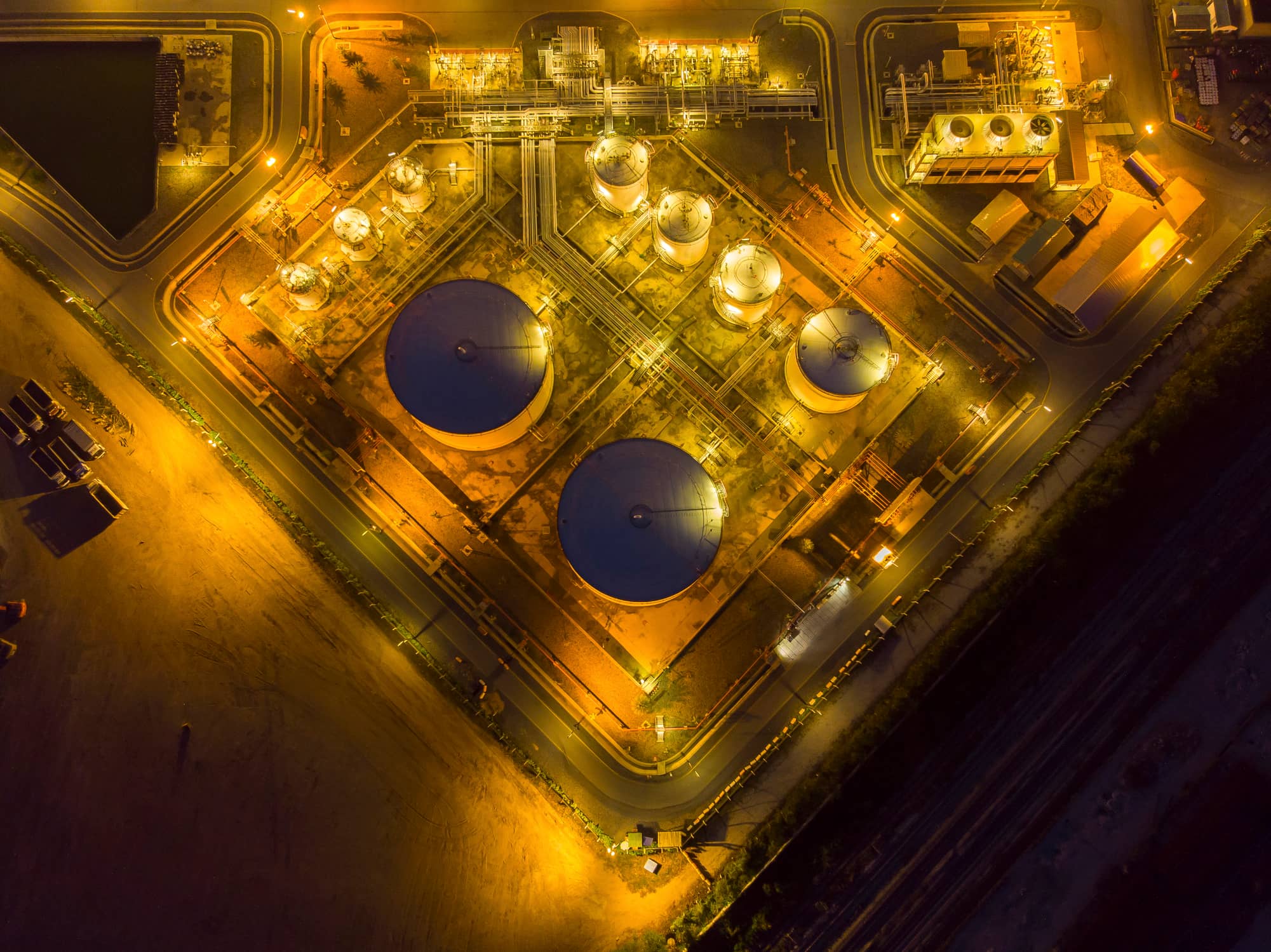
NTT DATA helps utilities industrialize this capability as part of the operating model. Secure, resilient connectivity can improve visibility of pressure, flow, equipment condition, security events and maintenance activity across remote gas infrastructure.
Connected sensing reduces the delay between changes in the field and awareness by operational teams.
Hybrid connectivity patterns reduce dependency on a single terrestrial coverage option.
Remote data on pressure, flow, condition and security helps crews understand the situation before travelling.
Secure connectivity and lifecycle management improve accountability for devices and users interacting with remote stations.
Combine terrestrial, private wireless and satellite connectivity to improve visibility and coordination across remote gas infrastructure.