- All Foundries

- Commodity Management & Trading

- Customer & Marketing Strategy

- Digital Engineering

- Station Studio

- Supply Chain & Industry 5.0

- Sustainability

- Physical AI

- Next-Gen Infrastructure














Visibility Is Not Enough: Which OT Risks Matter Most?
Risk becomes actionable when technical findings are connected to operational criticality, system dependencies, credible threat scenarios and potential business consequences. That context changes the question from whether an asset is vulnerable to what the vulnerability could mean for the operation, and what should be addressed first.
Connecting asset data with operational context gives leaders a clearer basis for directing attention, investment and controls toward the risks that matter most.

Classify assets by their role in safety, production and compliance, not only by technical characteristics.
Relate vulnerabilities and attack scenarios to their likely operational and business impact.
Set priorities before selecting controls, so security action follows business risk rather than a generic checklist.
Review the risk picture as assets, suppliers, access paths and operational dependencies change.
How NTT DATA helps
Identify assets, connections, data flows, remote access paths and dependencies across sites and suppliers.

Assess each system against its importance to safety, production continuity, quality and compliance.

Evaluate vulnerabilities alongside internal and external threats, human factors and supply chain exposure.
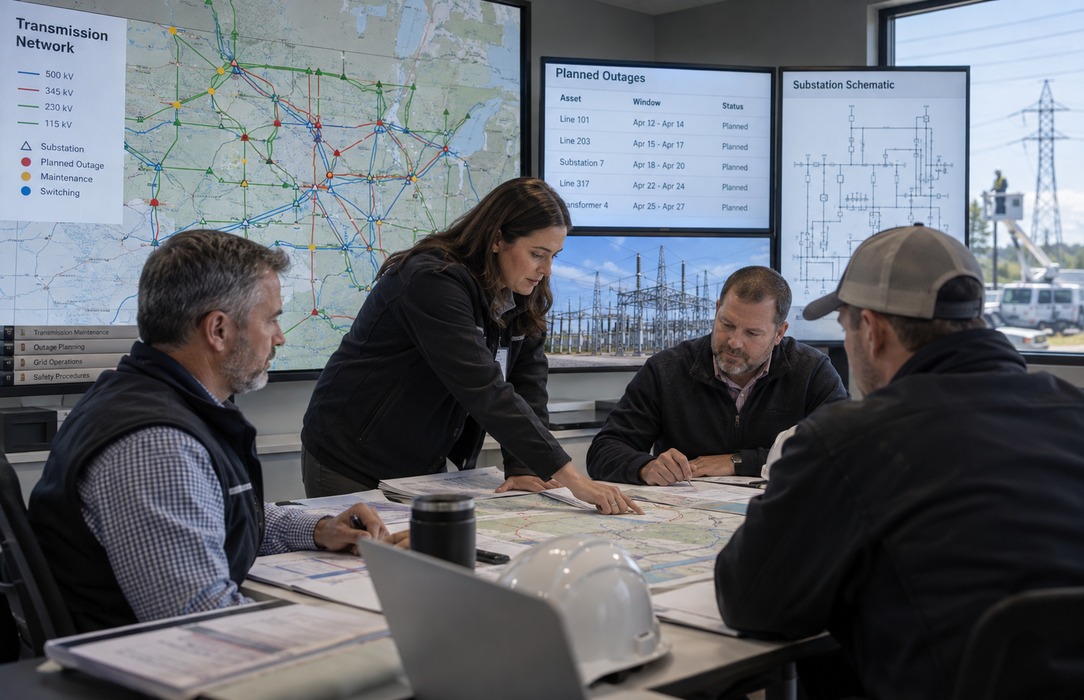
Apply measures such as segmentation, secure remote access, strong authentication, system hardening, least privilege, supplier governance and patching where operations allow.
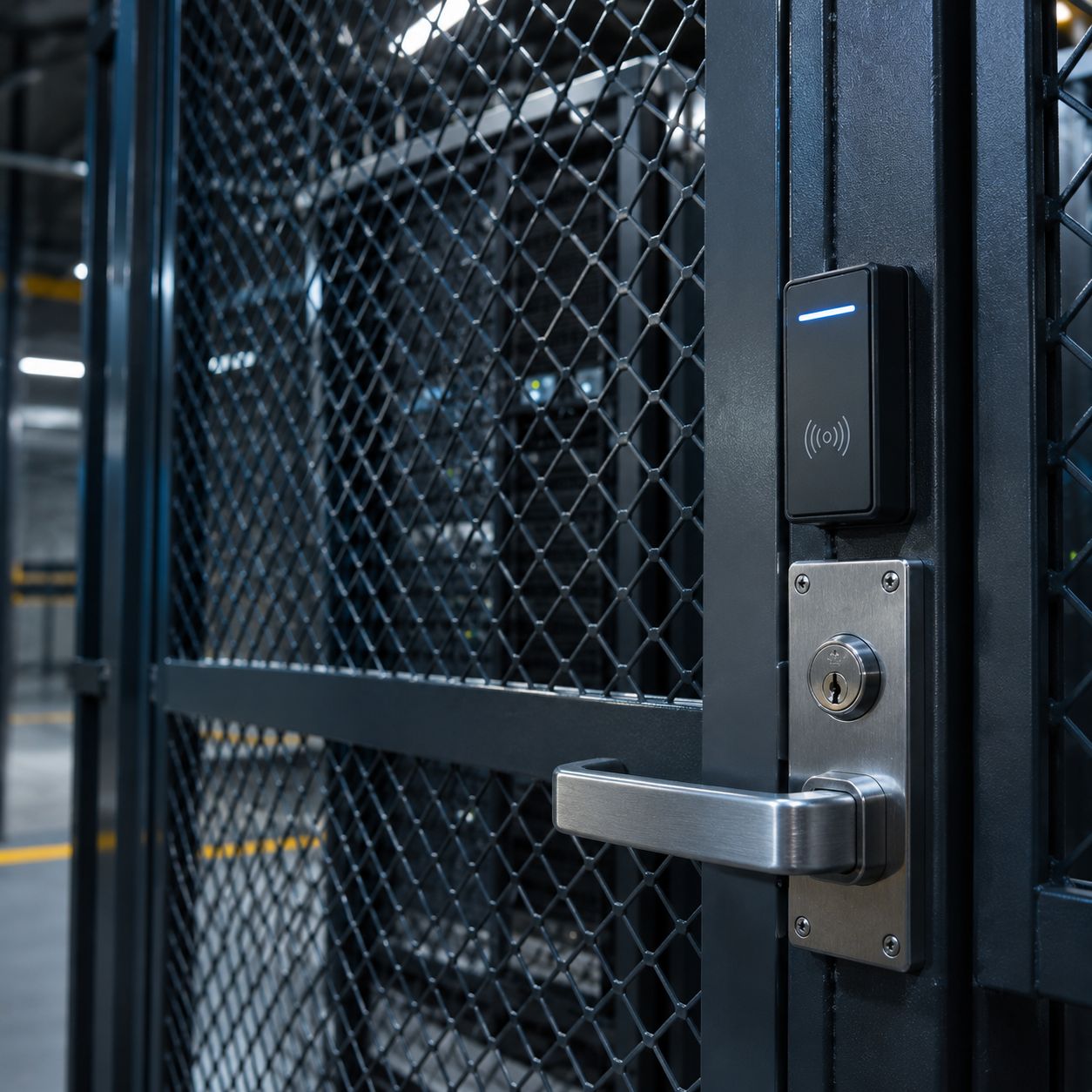
Combine monitoring, governance, training, incident preparation and periodic review as technology and operational conditions evolve.


A global pharmaceutical manufacturer needed greater visibility and more consistent risk monitoring across its 15 largest production sites. Automated asset tracking, network and behavior monitoring, and centralized oversight created a consolidated view of the environment. Security teams could identify anomalies and vulnerabilities, assign appropriate priority and respond with better context.
The documented case shows how a shared operational view can support earlier detection, clearer priorities and more consistent action across a distributed production environment.
Automated tracking established a more complete view of operational and connected devices.
Continuous monitoring helped teams identify anomalies and possible attacks before they could disrupt operations.
Technical findings were assigned appropriate priority, helping teams focus investigation and remediation effort.
Centralized monitoring standardized risk workflows and reduced manual troubleshooting and forensic effort.
Build an OT security program that links asset visibility to operational consequence, clear priorities and targeted action.