- All Foundries

- Commodity Management & Trading

- Customer & Marketing Strategy

- Digital Engineering

- Station Studio

- Supply Chain & Industry 5.0

- Sustainability

- Physical AI

- Next-Gen Infrastructure













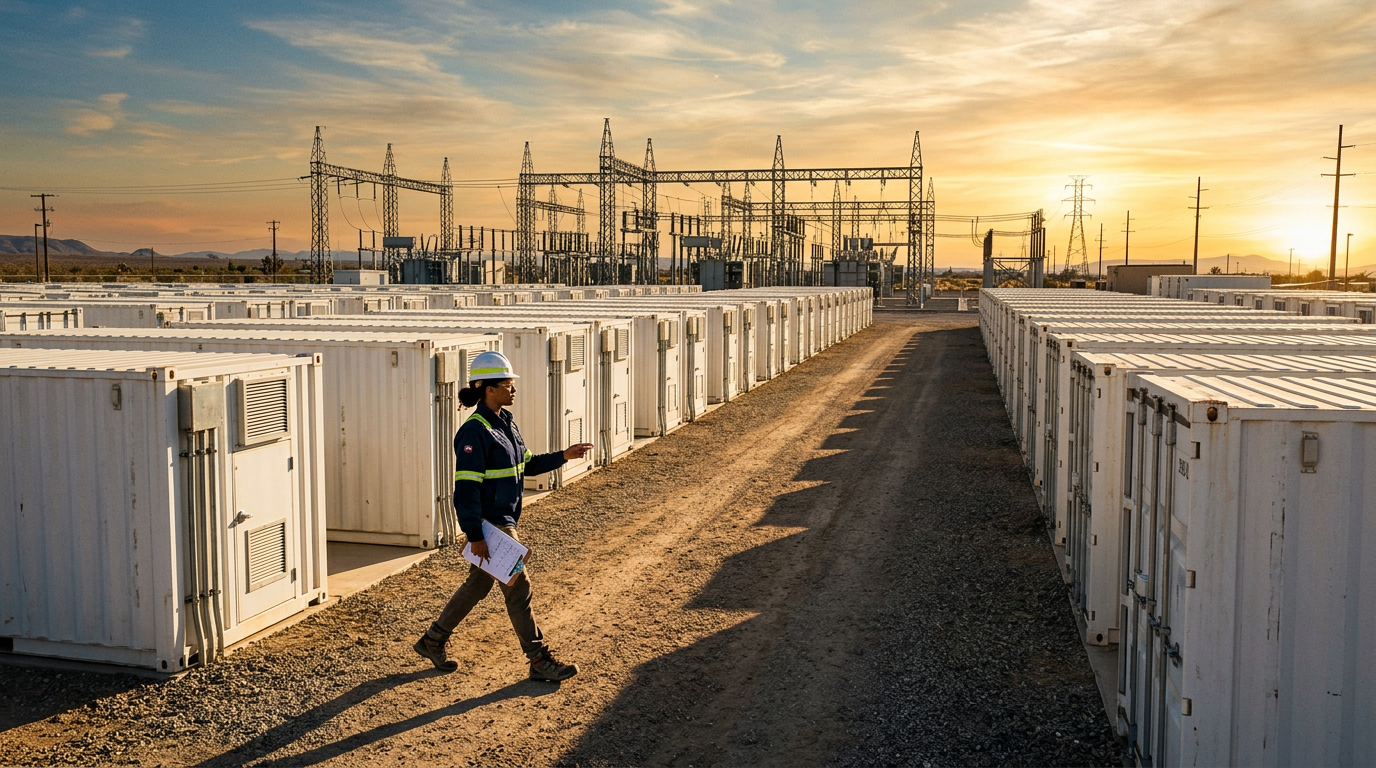
Optimizing Battery Value Across Energy and Flexibility Markets
A battery serves many services, though never all at full capacity at once. Digital optimisation values each trade-off the same way and connects market opportunity, renewable portfolio support and physical asset limits.
Each dispatch decision weighs market value against degradation and asset life.

The battery spends more hours earning in the market where its capacity adds the most value.
Revenue spreads across several markets, which reduces dependence on one price signal.
Cycle limits and degradation cost enter every decision, protecting lifecycle economics.
Traders and operators follow the same model and rules for every bid.
How NTT DATA helps
A unified economic and technical model covers state of charge, efficiency, cycle limits and degradation cost for every bid.

Forecasts for energy, balancing and other eligible flexibility markets feed the optimiser ahead of each trading window.

Bids and dispatch get optimised across competing services while reserving the operational headroom your commitments require.

Decisions flow into trading, scheduling, settlement and asset-management systems without manual re-entry.

Realised revenue, degradation and forecast error get reconciled after each period, and the strategy improves with every cycle.
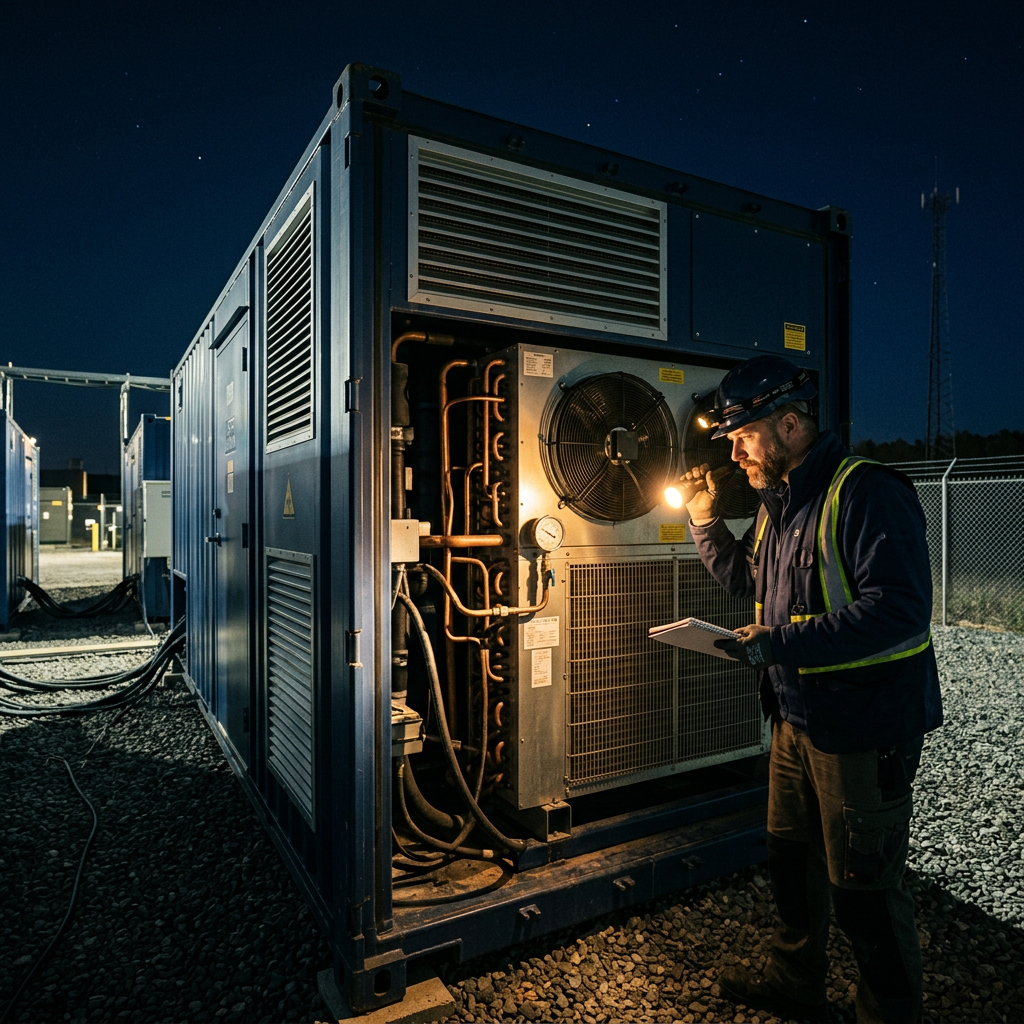

Optimisation links each market opportunity with the battery’s physical constraints, so revenue grows without hidden wear.
Targets depend on your markets, asset specification and trading model, and get measured after each settlement period.
More of the battery’s capacity earns across eligible markets.
Diversified services smooth revenue across market conditions.
Lifecycle economics stay visible in every dispatch decision.
Trading and dispatch follow one model, with reconciliation closing the loop.
Ignite the conversation that optimises your battery value across energy and flexibility markets.