- All Foundries

- Commodity Management & Trading

- Customer & Marketing Strategy

- Digital Engineering

- Station Studio

- Supply Chain & Industry 5.0

- Sustainability

- Physical AI

- Next-Gen Infrastructure











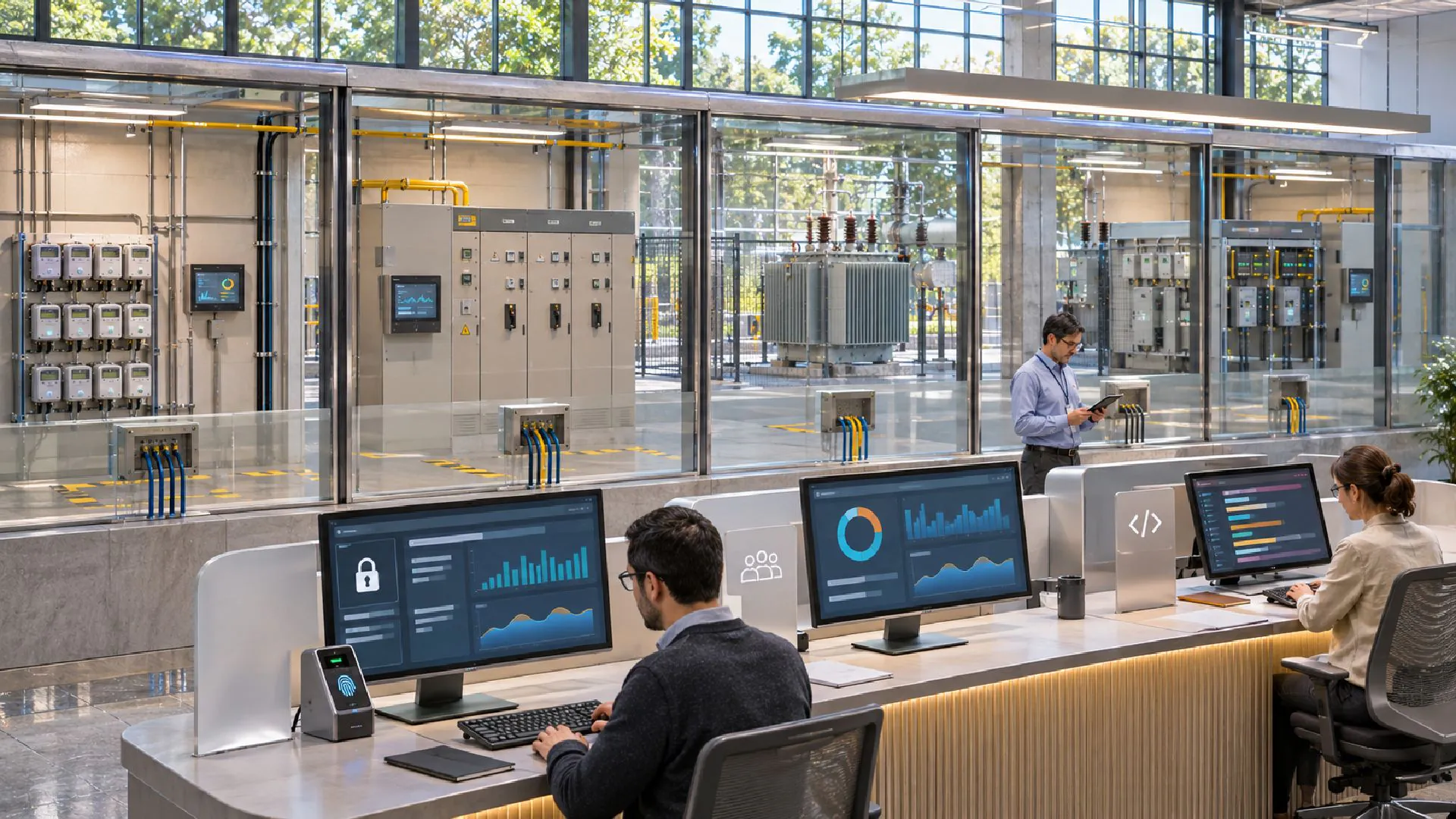


Data Centres as Flexible Grid Participants
Treating each data centre as fixed demand drives reinforcement costs up. Where operations allow, digital orchestration shifts part of the load in response to the grid while computing reliability stays intact.
Utilities and data-centre operators coordinate demand as a grid resource.

Shifted workloads and stored energy cut peak demand at constrained grid nodes.
Batteries, backup assets and on-site generation respond to grid signals when conditions allow.
Workloads move to hours with lower prices or lower carbon intensity.
Assets bought for resilience also earn value in flexibility markets.
How NTT DATA helps
NTT DATA measures how much computing load, cooling, batteries, backup assets and on-site generation flex without risk to service.

Utility, market and carbon-intensity signals reach facility energy management and workload orchestration platforms in real time.

Guardrails protect service-level agreements, resilience, cybersecurity and minimum operational headroom before any response starts.

Optimisation decides when to shift, reduce, store or source energy according to grid and commercial conditions.

Delivered response gets measured and fed into settlement, reporting and continuous optimisation of the next event.

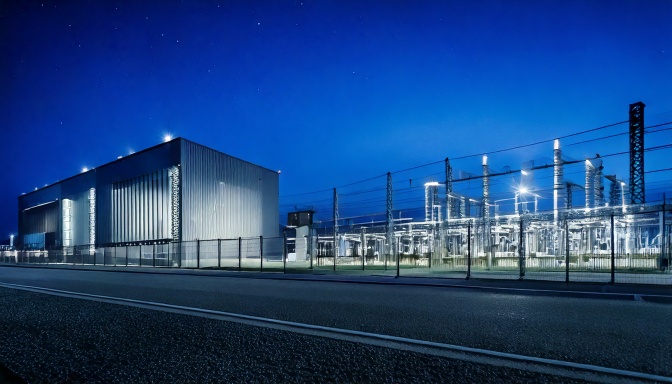
Coordinated data centres ease grid peaks and connection pressure, with computing reliability kept as the first rule.
Targets depend on facility design, workload type and market rules, and get validated in a first flexibility pilot.
Less load at constrained nodes during grid peaks.
Facilities deliver measurable response to utility and market signals.
Workload timing follows price and carbon-intensity signals.
Batteries and backup assets serve resilience and flexibility under one plan.
Join the conversation that turns data-centre demand into flexibility for constrained grids.