- All Foundries

- Commodity Management & Trading

- Customer & Marketing Strategy

- Digital Engineering

- Station Studio

- Supply Chain & Industry 5.0

- Sustainability

- Physical AI

- Next-Gen Infrastructure












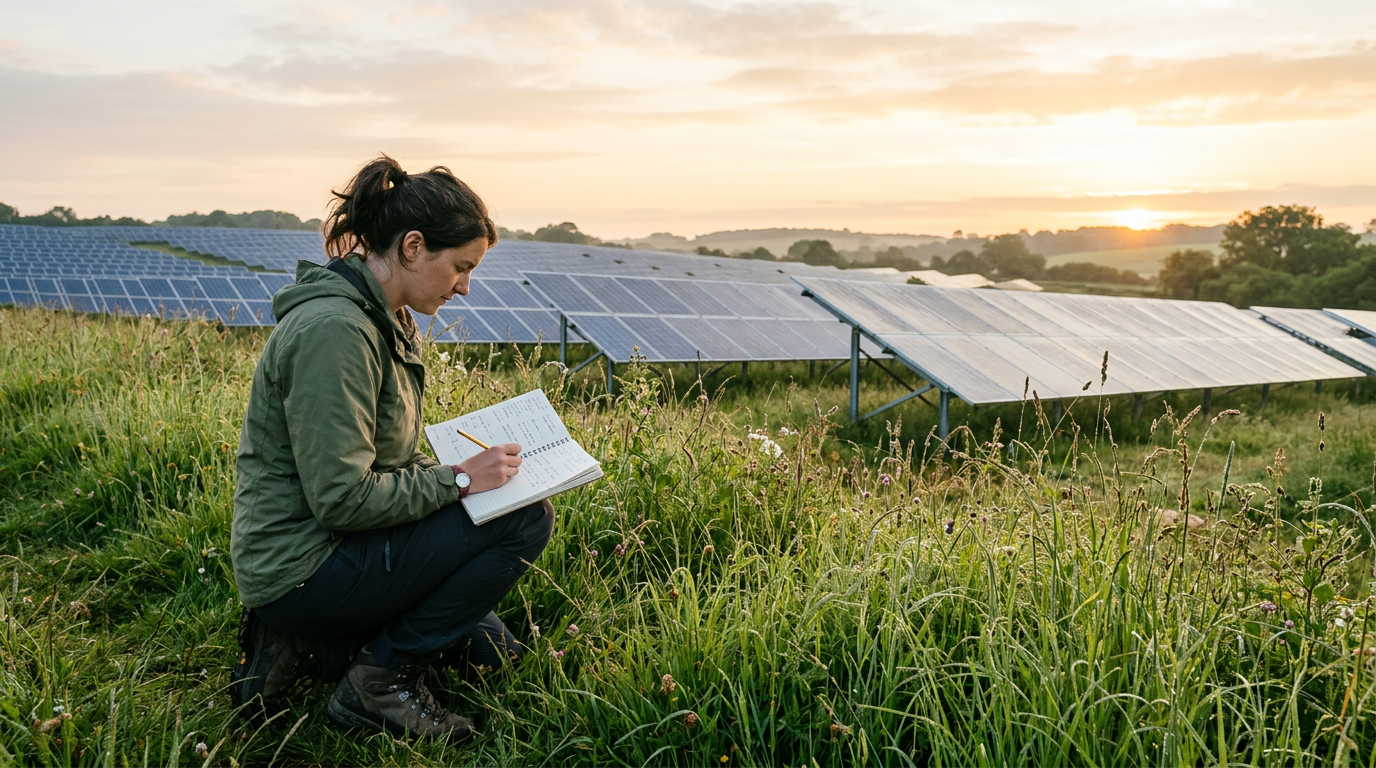
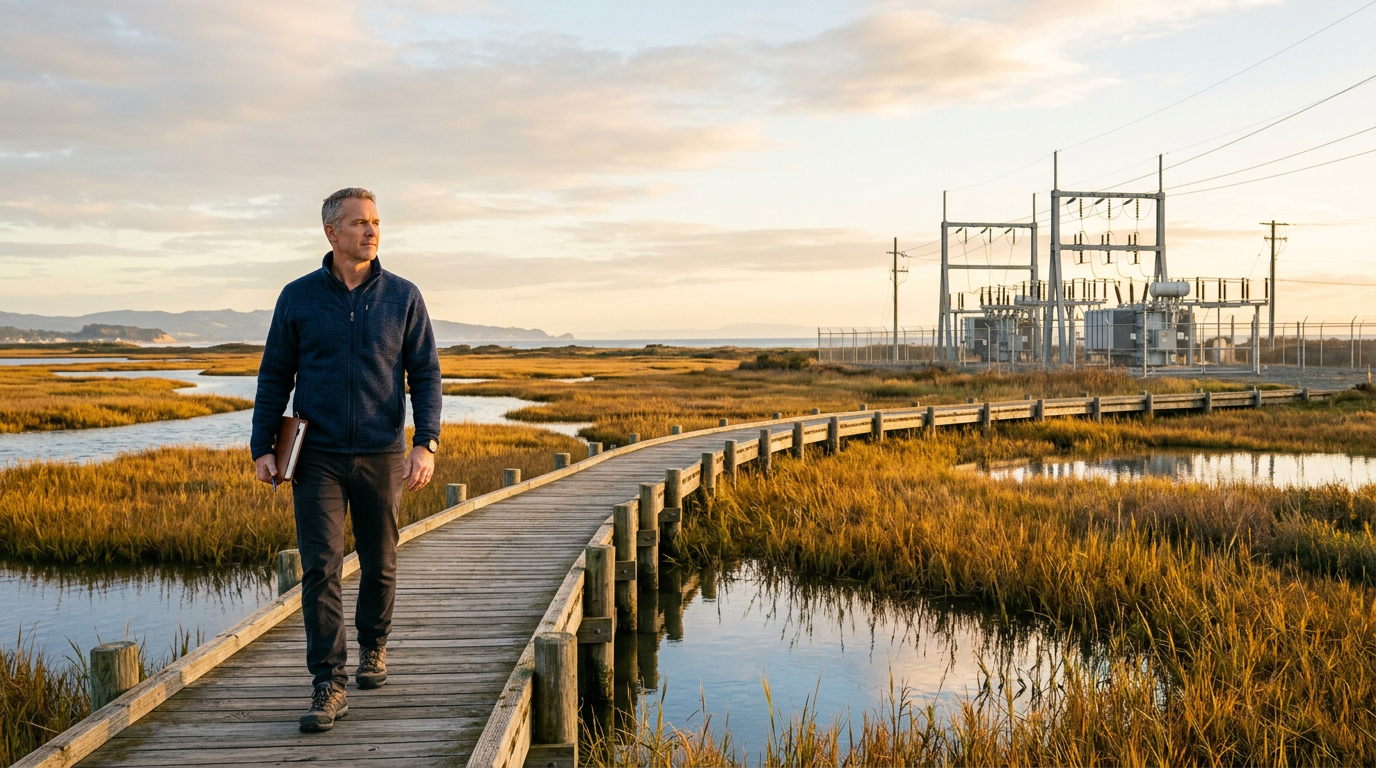
Biodiversity Action Plans for Renewable Assets
Impacts change with technology, location and ecosystem. A repeatable action plan finds the material impacts, checks whether the net site impact is negative, and links local measures to your corporate goals.
Each renewable asset gets measures, owners and indicators your teams follow.

Corporate biodiversity targets translate into concrete measures for each wind and solar project.
Mitigation and restoration measures each carry an owner, an indicator and a monitoring schedule.
Wind, solar and other renewables follow the same assessment steps in every geography.
New wind and solar projects include the action plan from early development onward.
How NTT DATA helps
Ecological assessment records habitats, species and ecosystem condition at each site before construction or expansion.
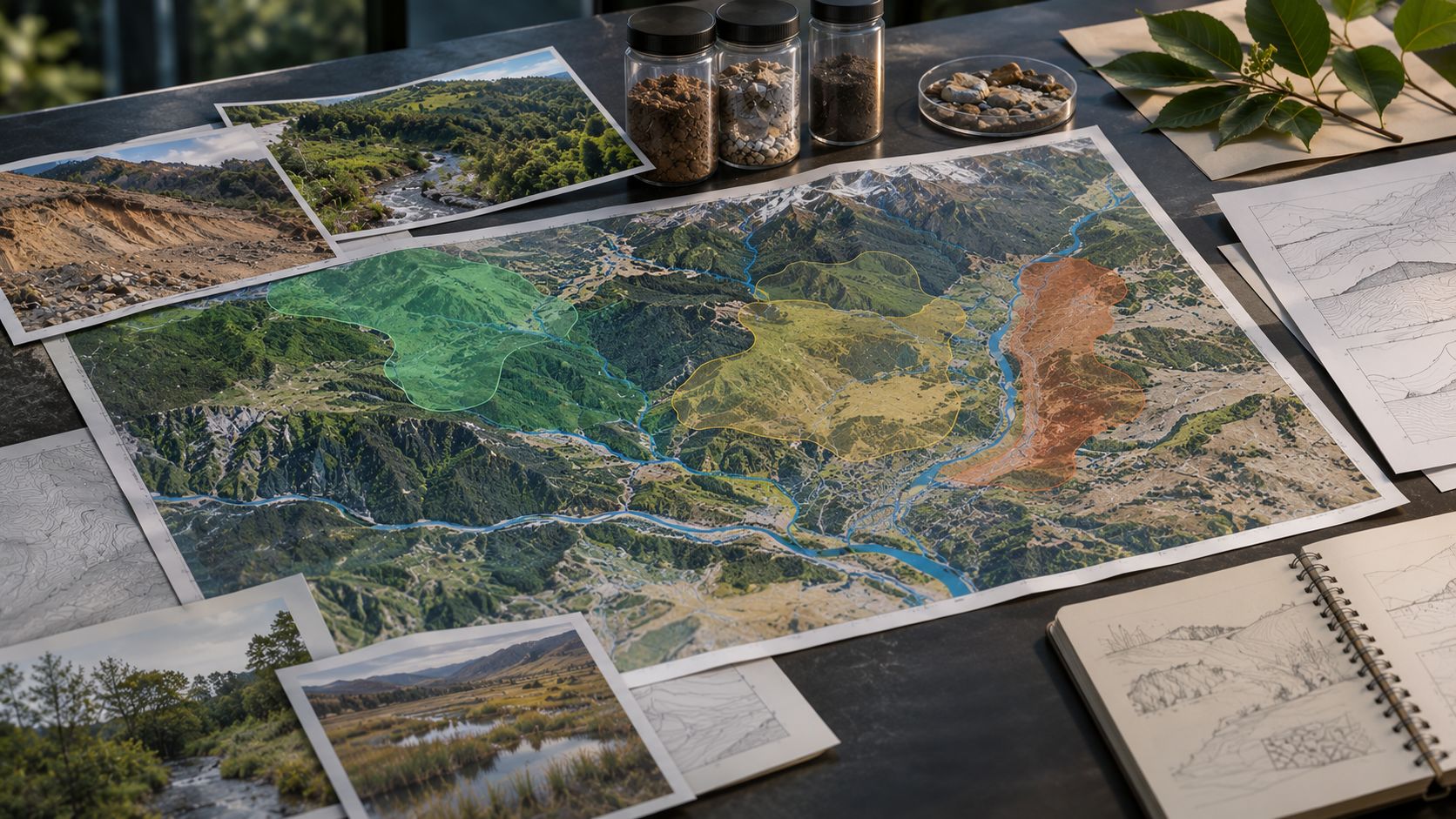
Impact accounting quantifies the material biodiversity impacts and shows whether the net site impact is negative.

Where action is required, nature-based solutions set mitigation and restoration measures suited to the local ecosystem.

Geospatial prioritization points each measure to the locations where the ecological benefit is greatest.
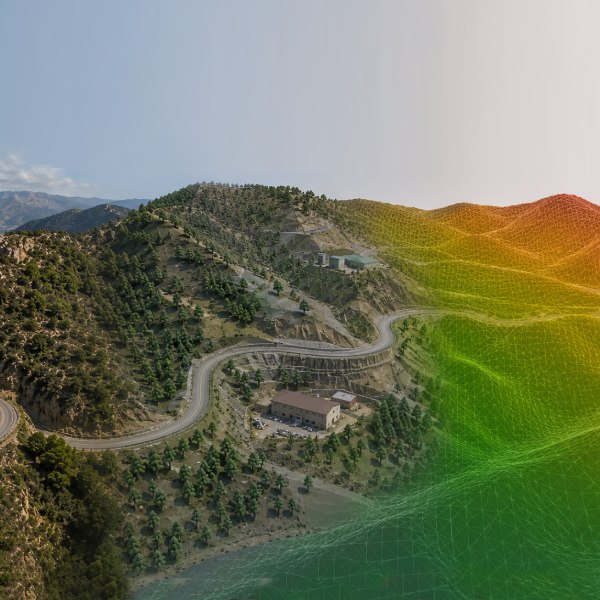
Monitoring and reporting logic tracks each indicator, so your teams see which measures work and which need adjusting.
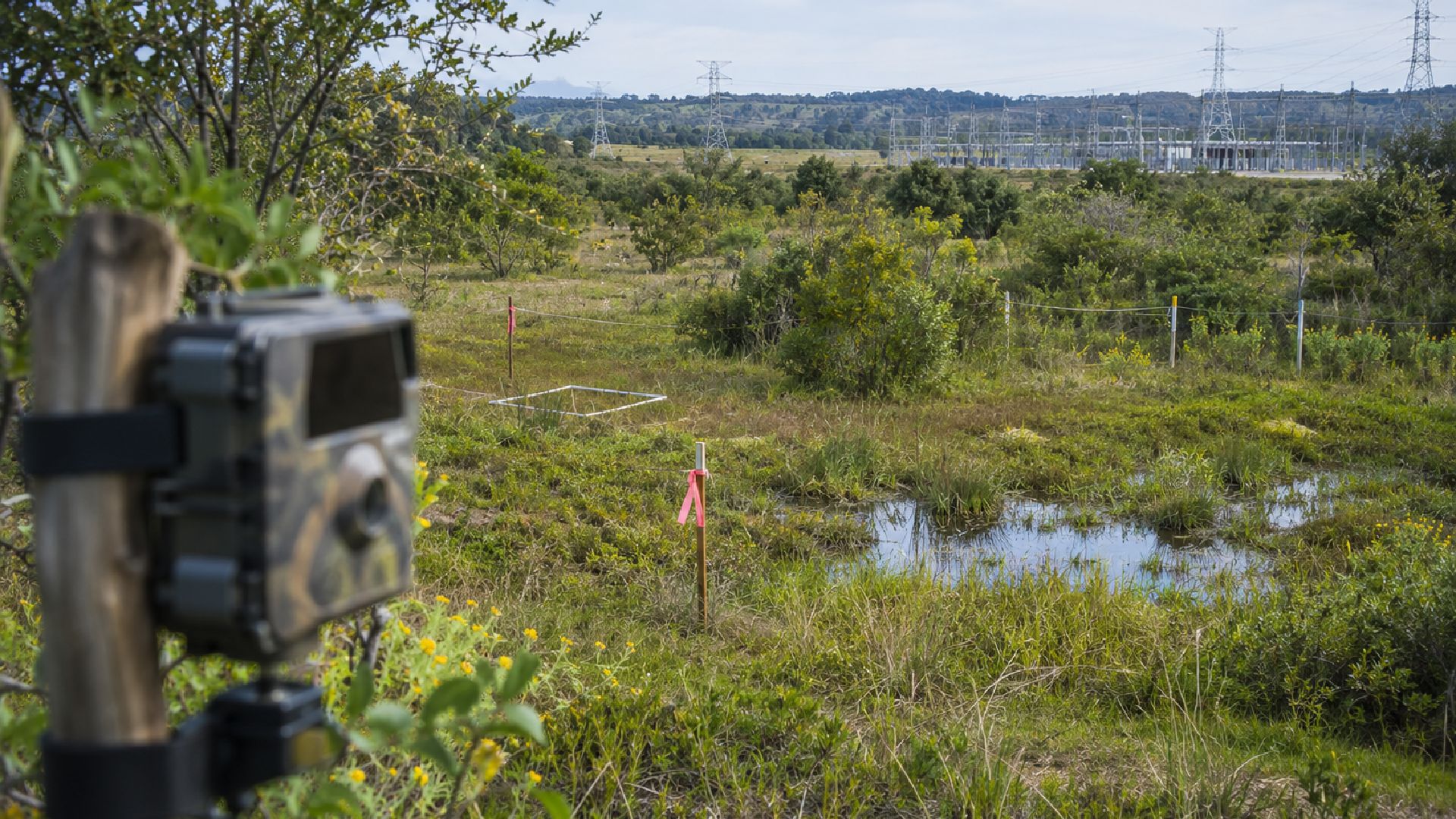
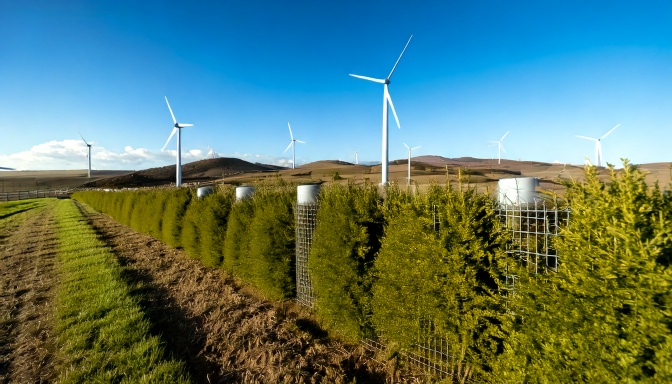
Each action plan ties local measures to your corporate biodiversity goals, with evidence your teams keep updating.
Objectives get defined per asset and reviewed against monitoring data each season.
Every renewable site runs measures tied to a corporate target.
Each mitigation and restoration measure reports progress against its indicator.
Assessments follow one method across technologies and geographies.
New wind and solar developments plan biodiversity measures before construction starts.
Lead the conversation that turns biodiversity commitments into action on each of your renewable sites.