- All Foundries

- Commodity Management & Trading

- Customer & Marketing Strategy

- Digital Engineering

- Station Studio

- Supply Chain & Industry 5.0
- Sustainability

- Physical AI

- Next-Gen Infrastructure


All Foundries
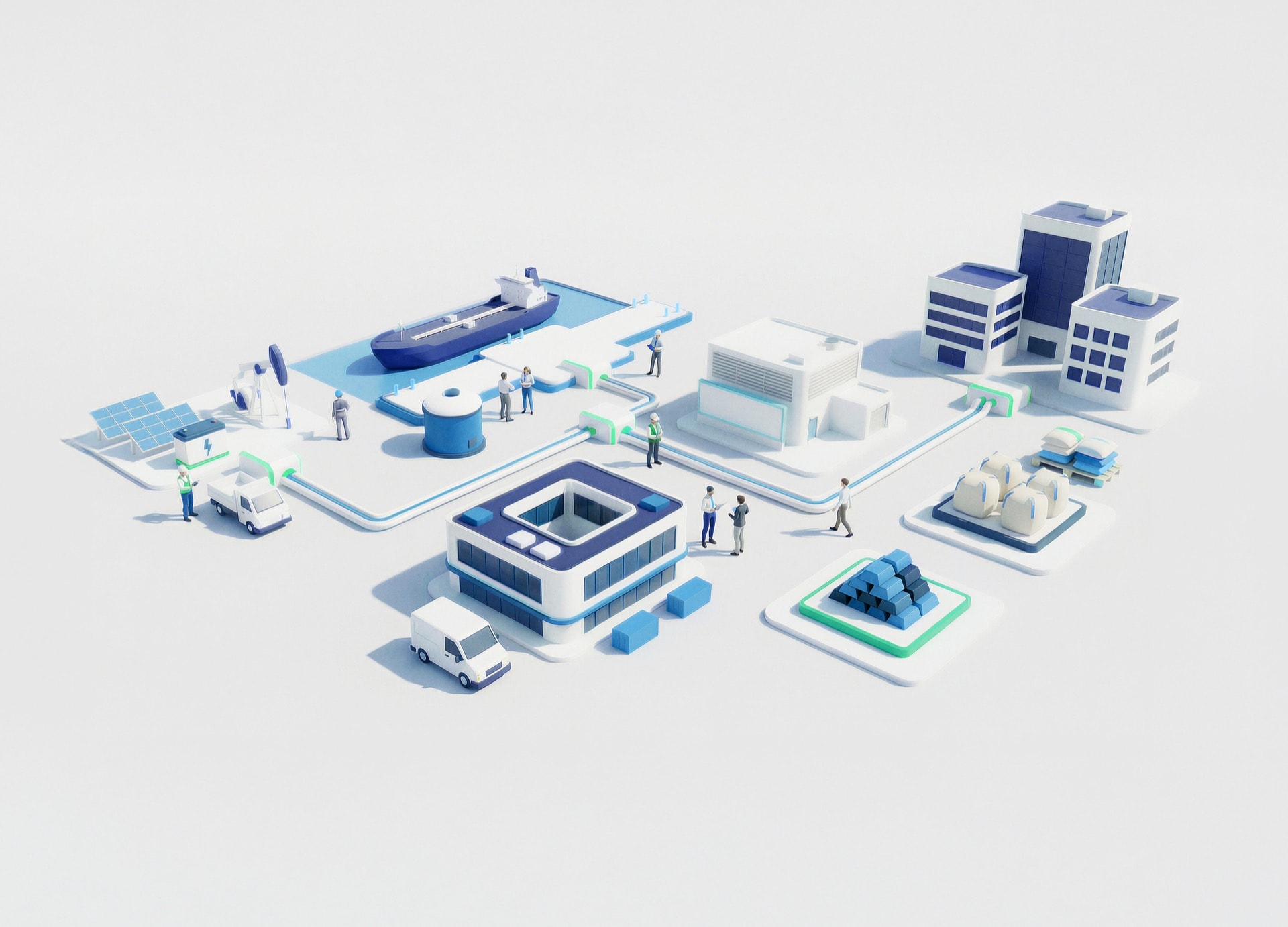
Commodity Management & Trading
Transforming trading ecosystems through data-driven insights and secure, agile platforms that empower global commerce.
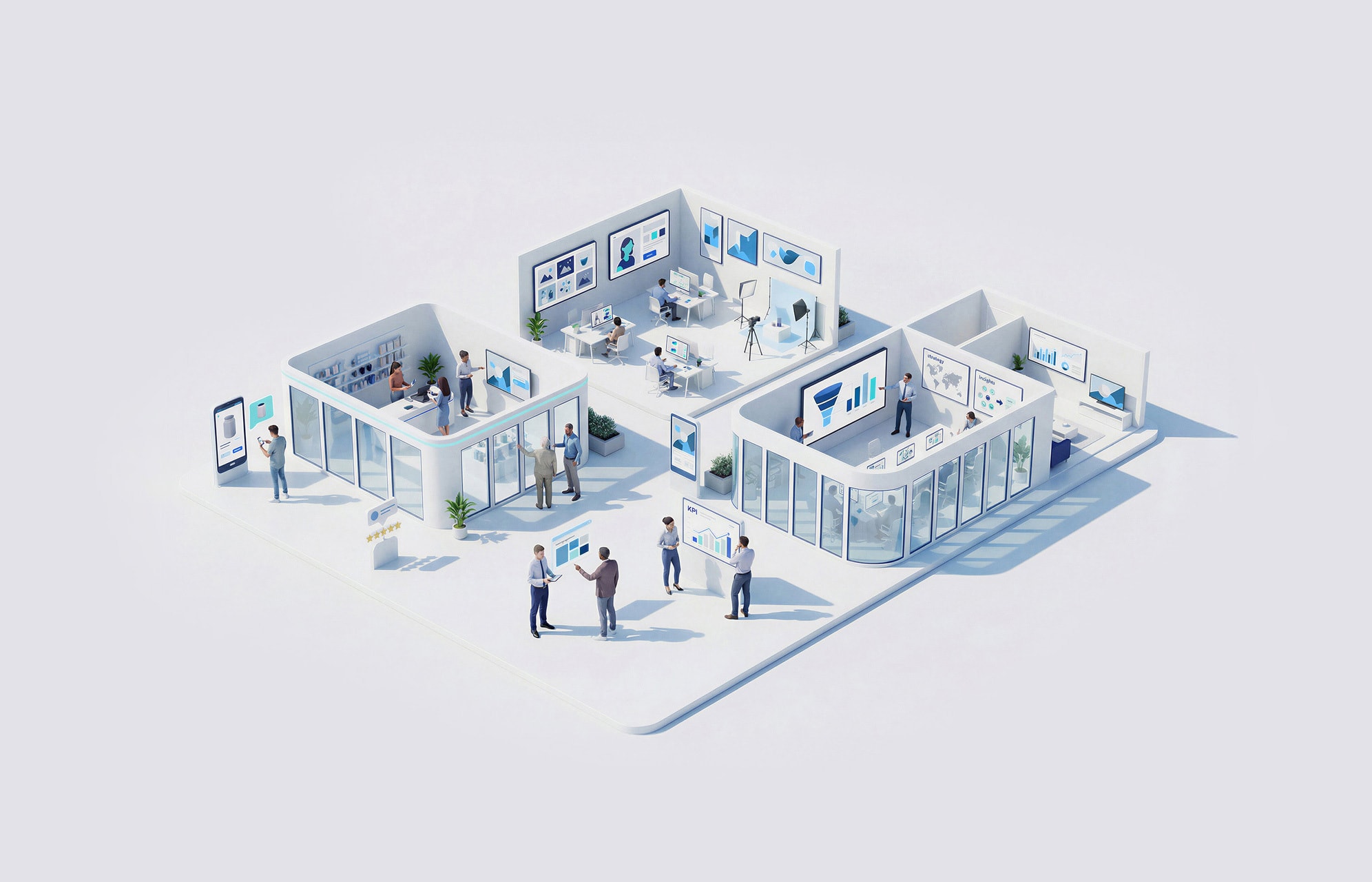
Customer & Marketing Strategy
Reimagining customer engagement with personalized, connected experiences that build trust and long-term value.
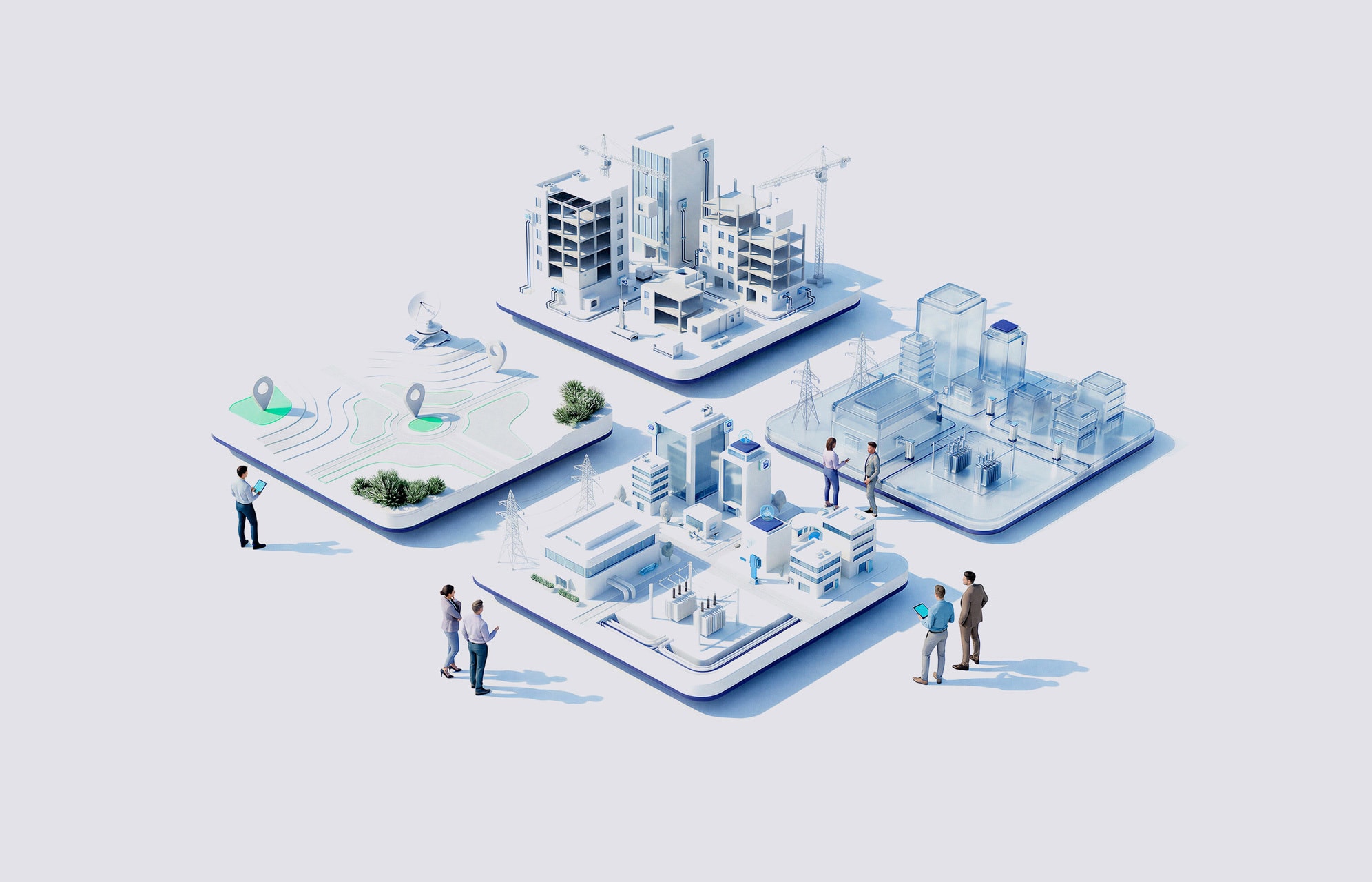
Digital Engineering
Turning ideas into scalable digital solutions—accelerating transformation through design, technology, and engineering excellence.
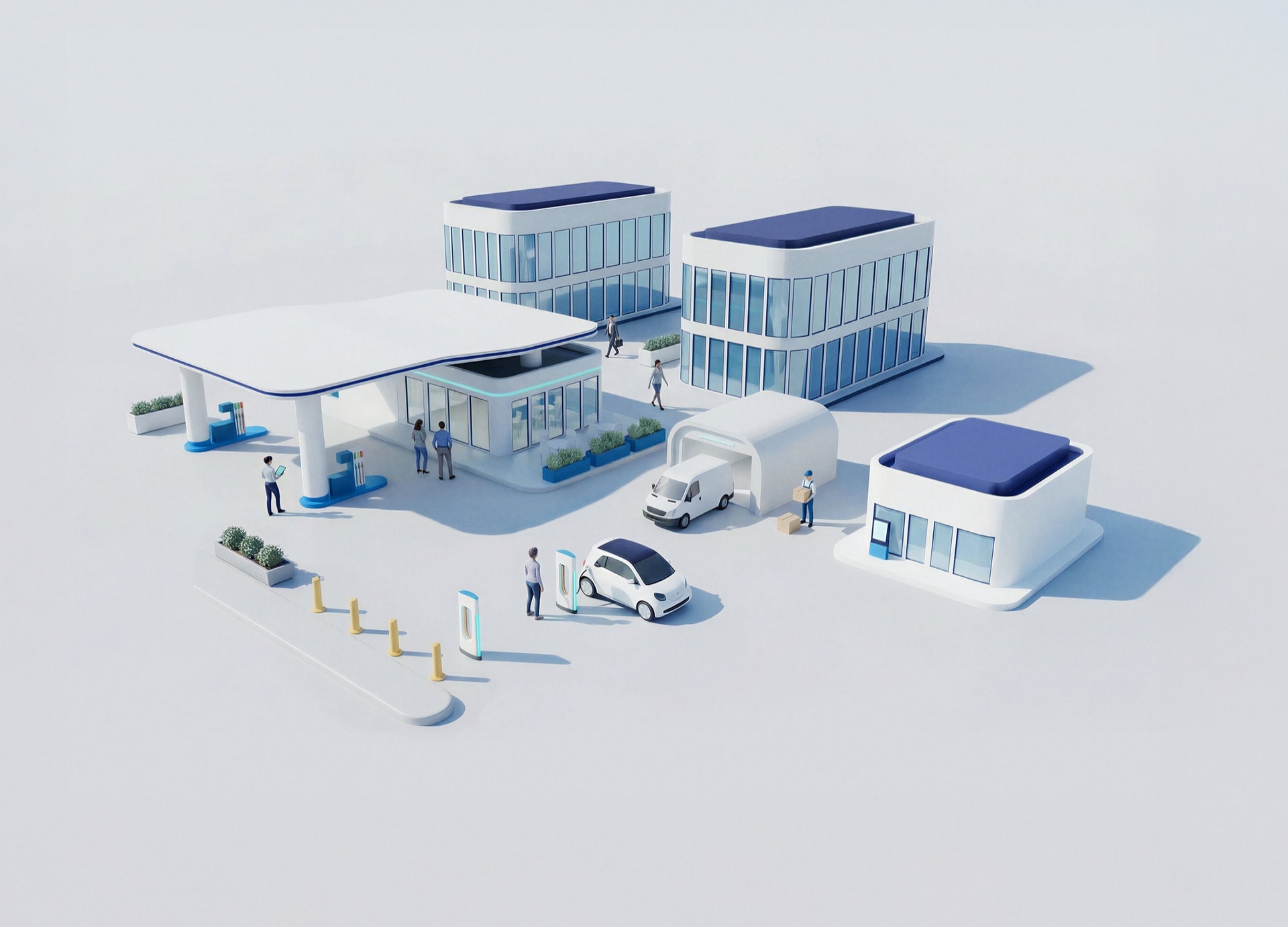
Station Studio
Redefining mobility hubs with digital innovation to create smarter, sustainable experiences for people and businesses on the move.
Supply Chain & Industry 5.0
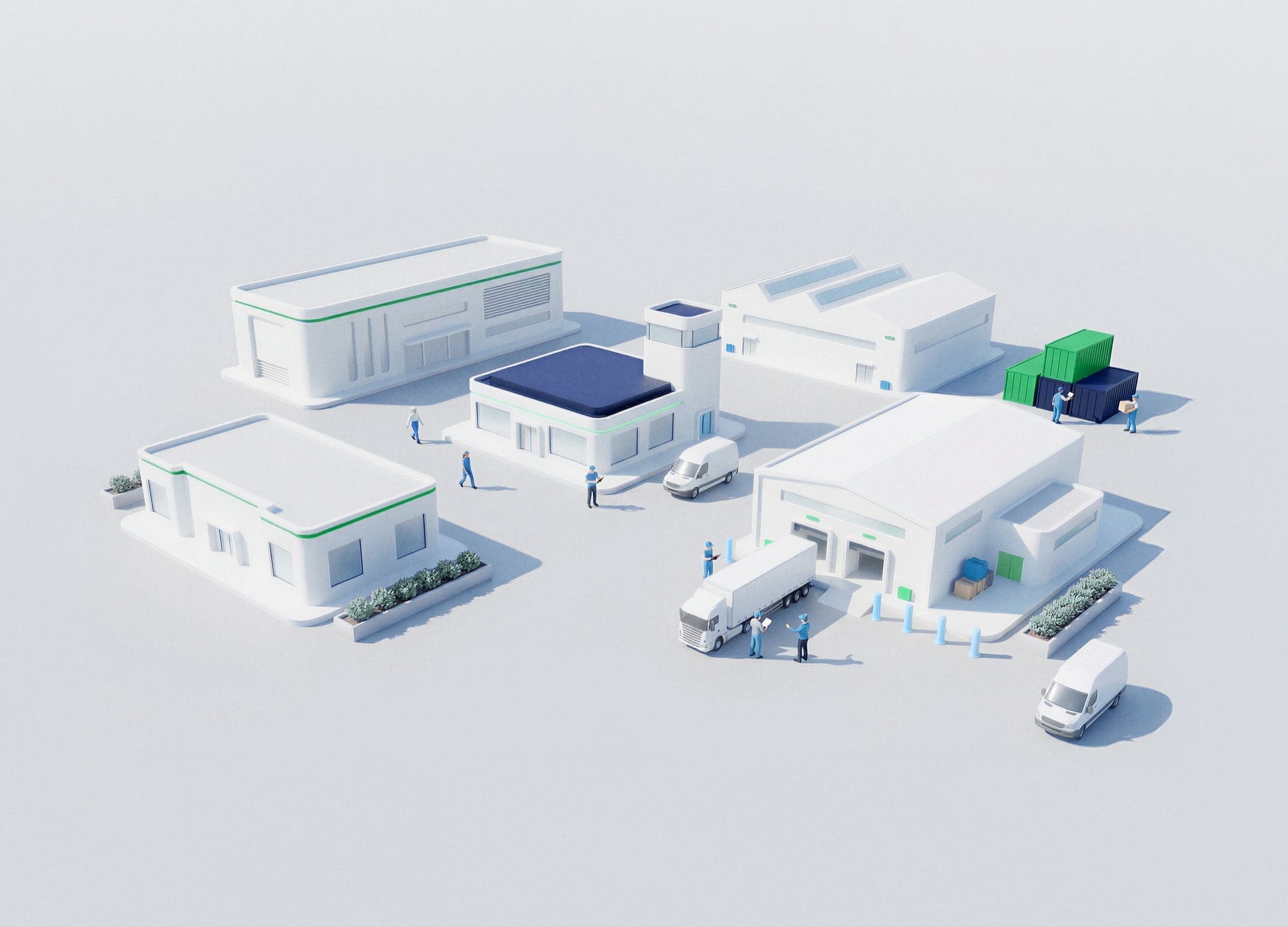
Building resilient, intelligent supply networks that anticipate change and deliver efficiency with purpose.
Sustainability
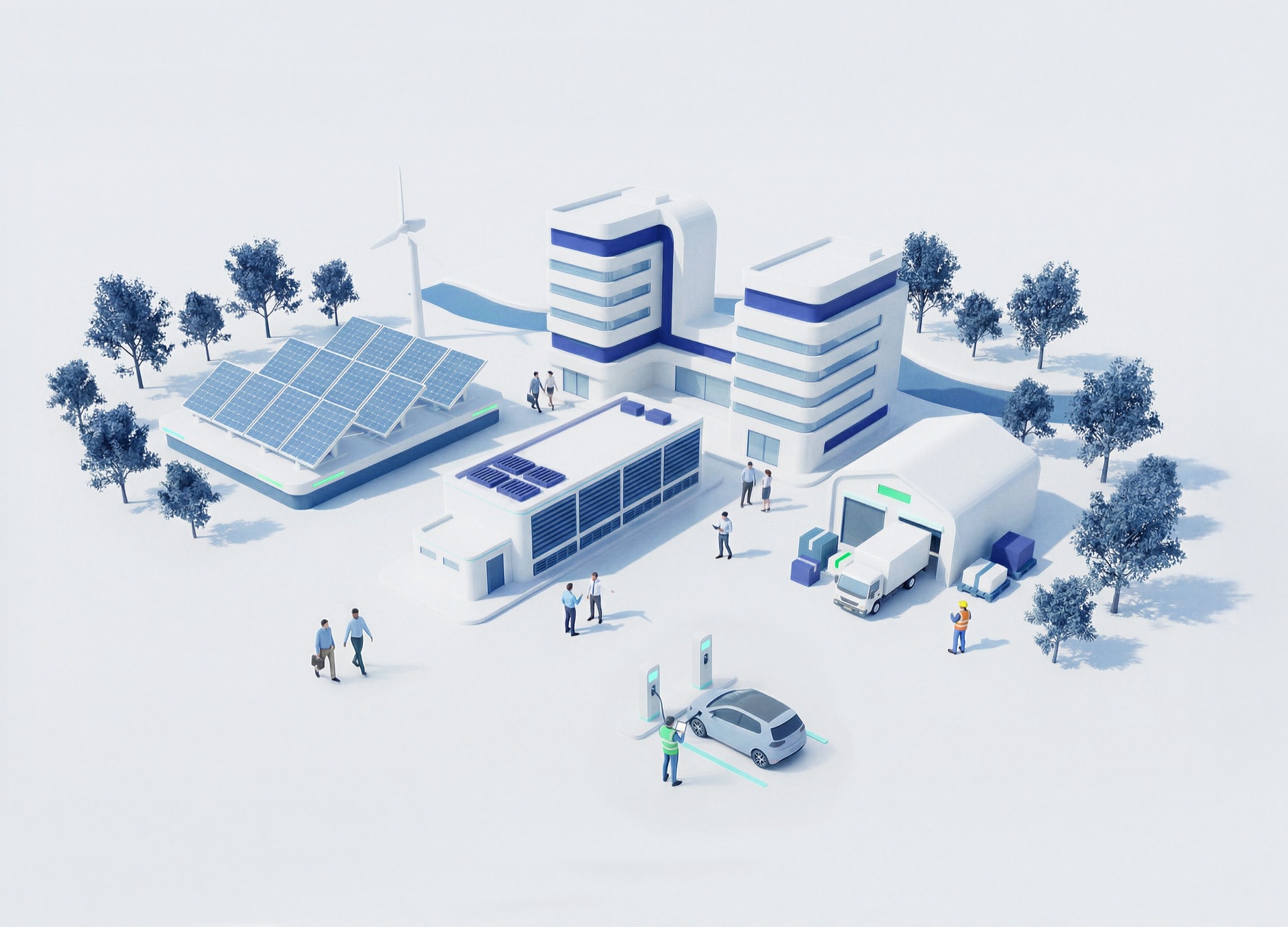
Driving responsible innovation to help organizations achieve net-zero goals and create a positive impact for future generations.
Physical AI
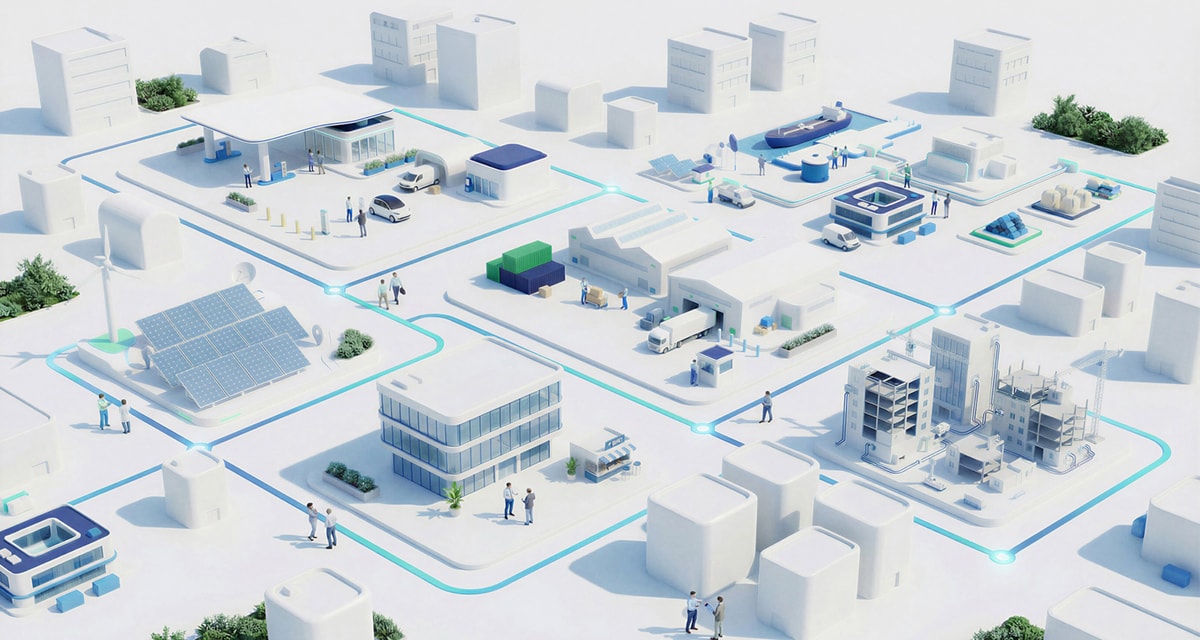
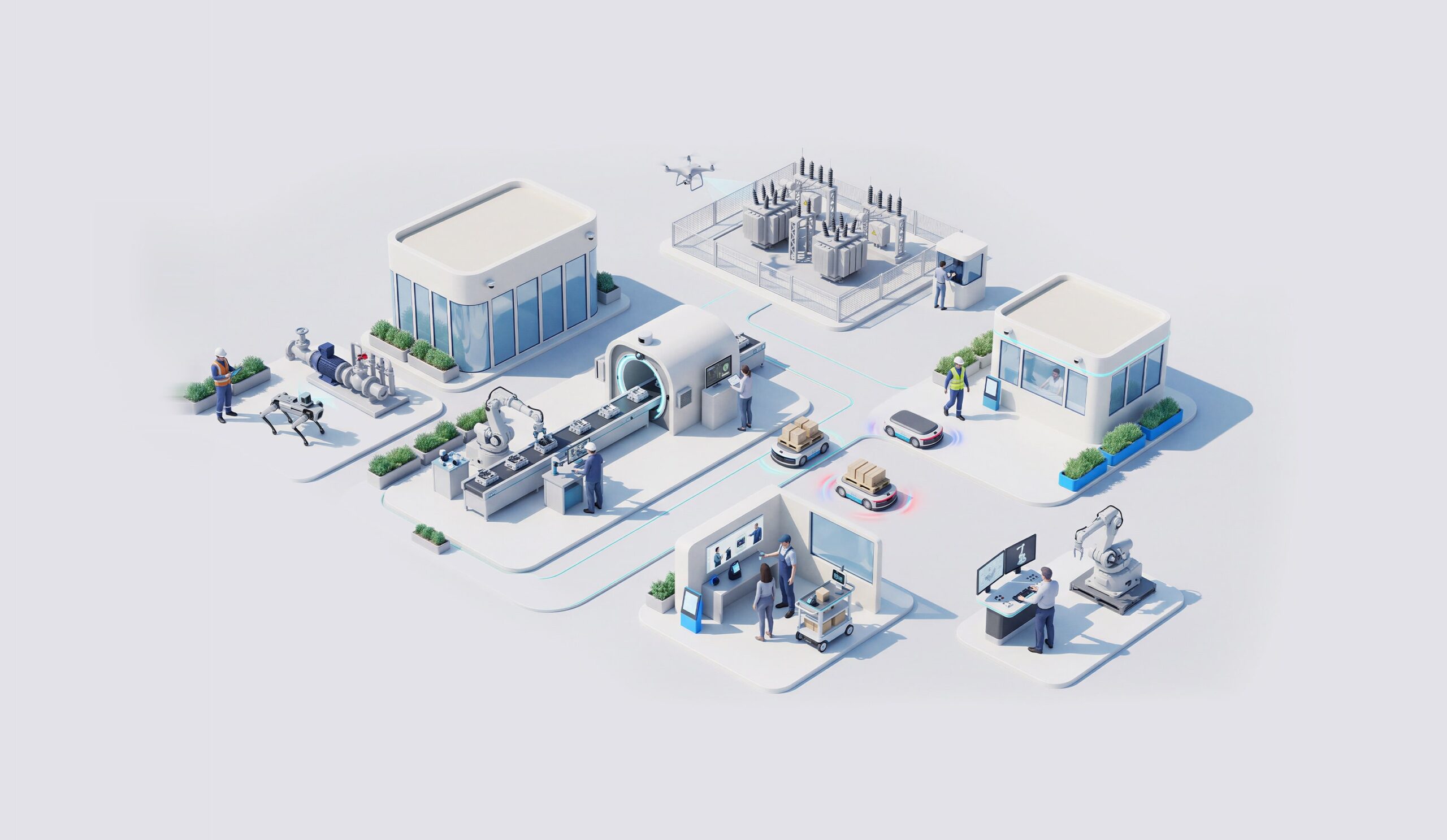
Physical AI gives machines, robots and physical operations the ability to perceive their environment, decide what matters and act in real time. Factories, plants, stores and infrastructure become systems able to sense conditions, learn from them and improve on their own, closing the gap between the physical and the digital world.
Next-Gen Infrastructure
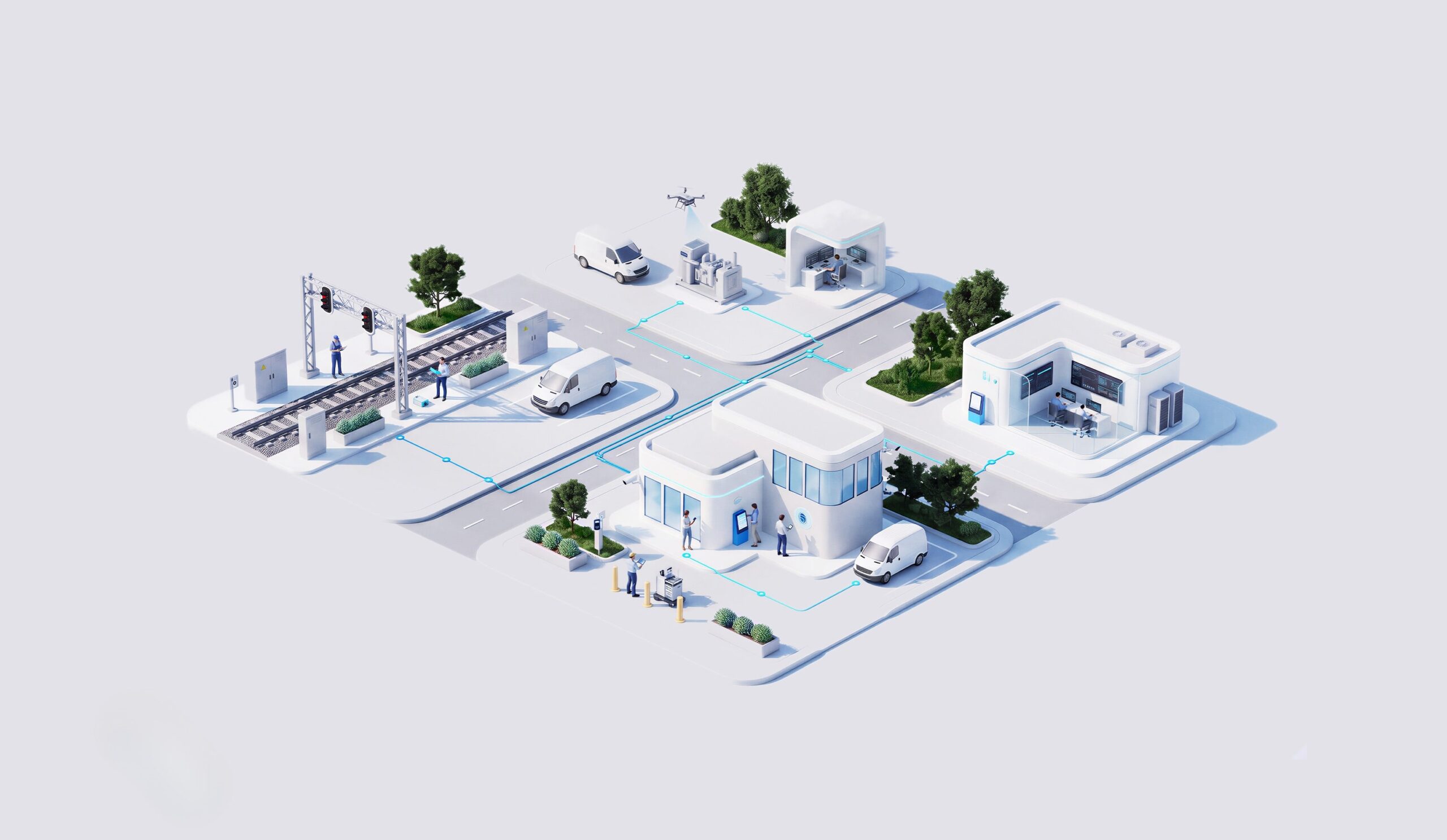
From networks as infrastructure to connected platforms that enable critical, autonomous and intelligent operations.


Business Talk
Enabling Smart and Sustainable Design from Concept to Construction
Designing infrastructure that balances performance, cost, and sustainability from day one
Schedule a meeting
Listen podcast
-15
+15
0:00
/0:00
Traditional design approaches struggle to manage growing project complexity while simultaneously meeting sustainability targets, cost constraints, and regulatory requirements.
Design decisions are often made with limited visibility of downstream impacts, leading to rework, inefficiencies, and missed opportunities to embed sustainability early in the lifecycle.
Design decisions are often made with limited visibility of downstream impacts, leading to rework, inefficiencies, and missed opportunities to embed sustainability early in the lifecycle.
Why Smart and Sustainable design?
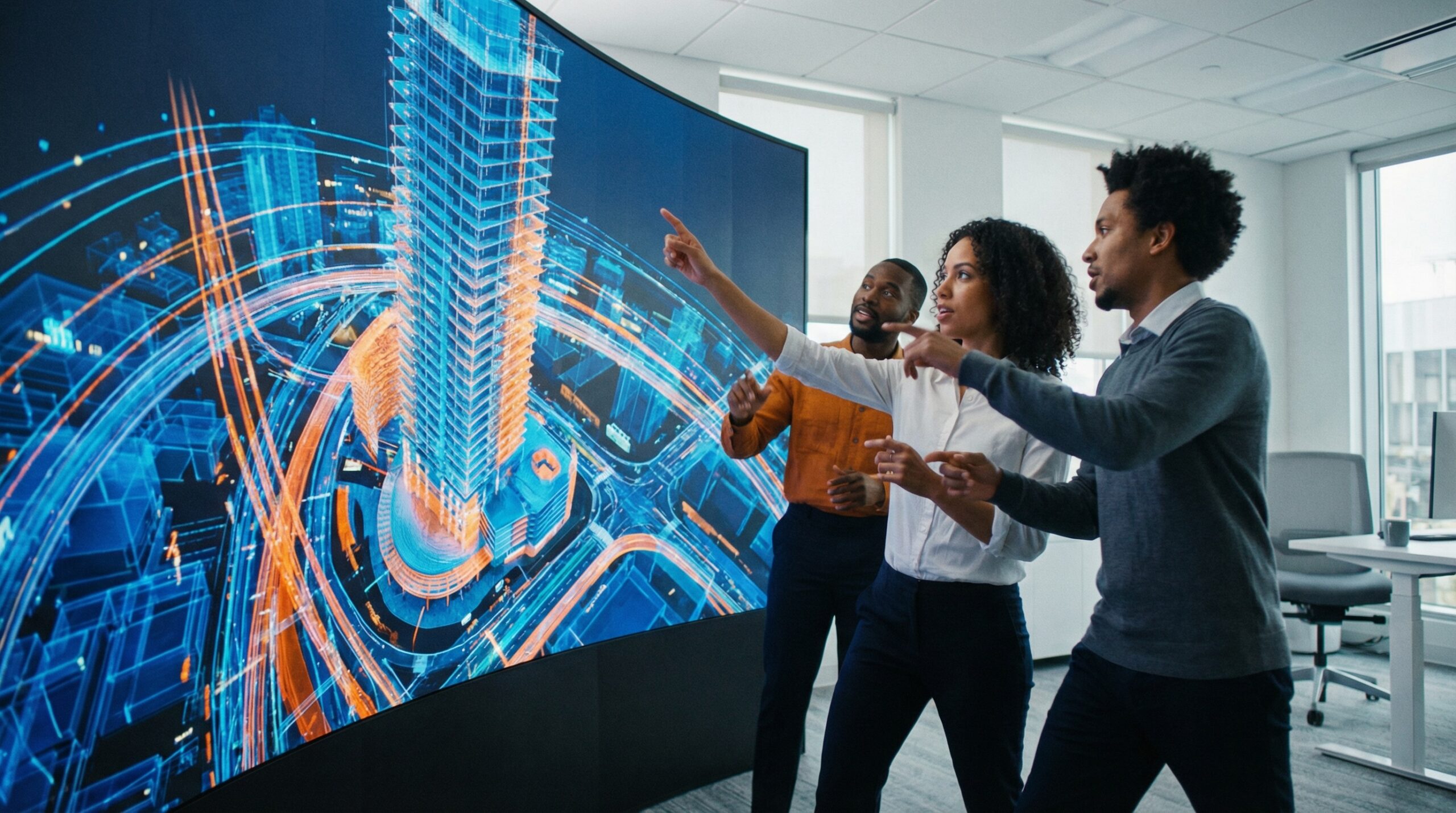
Smart and Sustainable Design integrates BIM, GIS and generative algorithms to introduce intelligence into the earliest design stages
By simulating thousands of design alternatives against technical, economic, environmental and regulatory criteria, organizations can reduce rework, improve compliance and ensure infrastructure is resilient, efficient and future-ready.
This is design for impact: smarter choices that deliver lasting value.
Key benefits

Lower lifecycle costs and reduced design rework
Improved sustainability performance and regulatory compliance
Effective management of design complexity and faster adoption of change across multidisciplinary teams
Improved traceability and control of design changes
How NTT DATA helps
NTT DATA enables Smart and Sustainable Design through an integrated Digital Engineering approach that includes:
01
BIM–GIS integration strategies to provide spatial and environmental context

02
Generative and parametric design to explore and optimize design alternatives

03
Automation of design workflows to reduce manual intervention and errors
04
Cost and schedule simulation through 4D and 5D BIM

05
3D BIM modelling and multidisciplinary coordination

06
Sustainability and carbon impact analysis tools

07
Design governance frameworks, standards and best practices

08
Change management and training to ensure adoption across teams

Proven impact
Our approach enables better-informed design decisions, reduced manual effort and optimized design outcomes, supporting consistent and scalable delivery across complex infrastructure projects.
Results that matter
Infrastructure and construction organizations achieve measurable improvements:
Design rework
Reduced changes and improved traceability
Carbon footprint
Lower environmental impact through optimized design choices
Cost predictability
Improved accuracy and financial control from early stages
Design infrastructure that balances performance, cost, and sustainability.
Build sustainability into design