Blockchain-Based Critical Asset Incident Management

Every critical asset incident creates an operational event, but also a record that may later need to withstand claims, audit and multi party scrutiny. This programmed established a blockchain based incident management model that protects the chronology, origin and closure of each event in an immutable and consensual record, with updates supplied automatically from operational systems when predefined smart contract conditions are met.
Utility operations and maintenance specialists reviewing incident information in a substation control room, with high-voltage equipment visible outside.
3 months
Documented programme duration
3 FTE
Documented core delivery team
Immutable lifecycle record
Opening, evidence and closure captured in a tamper evident history
Automated operational updates
Opening and closure data added when smart contract conditions were met
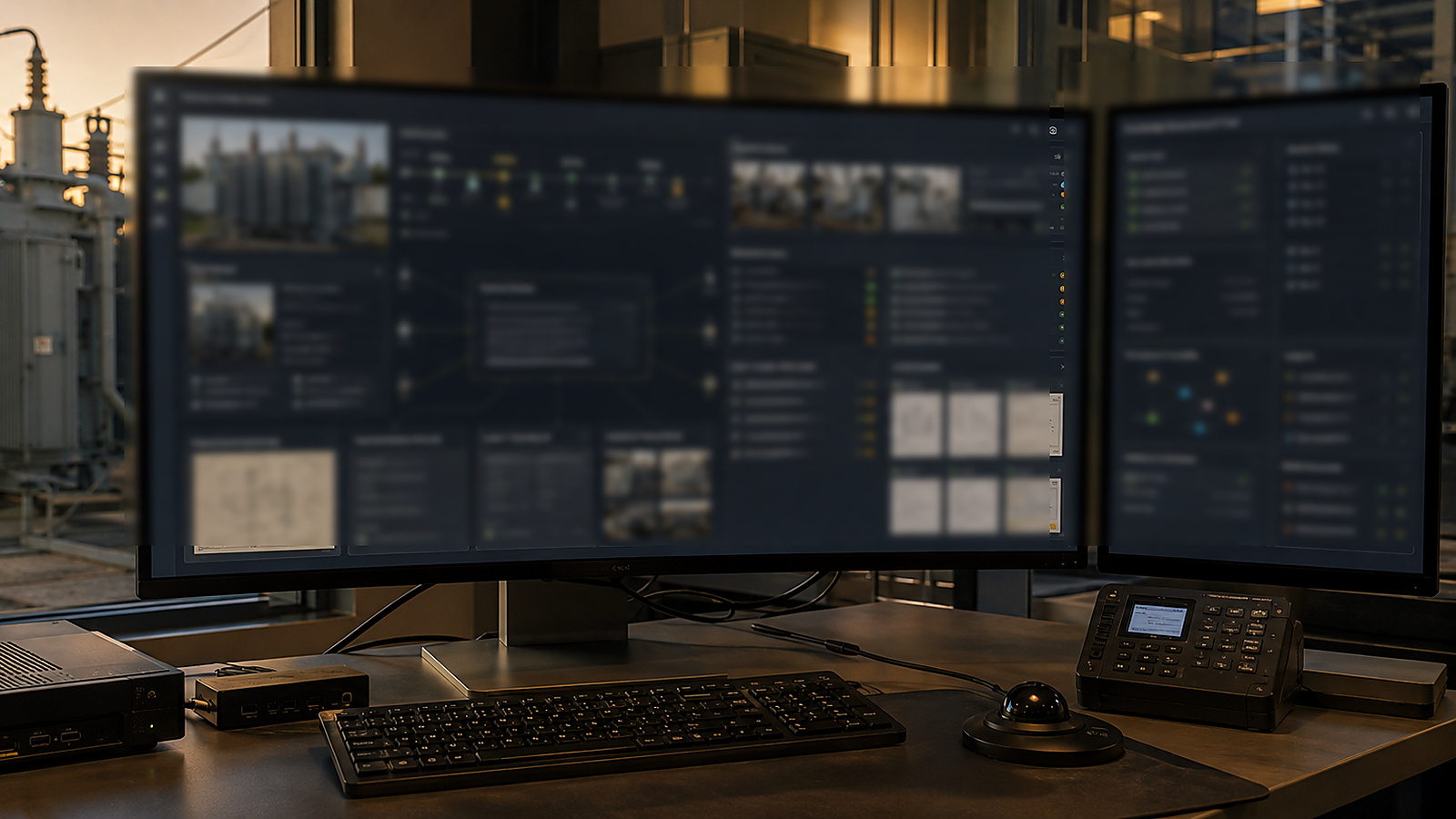
Utility engineering workstation displaying a governed incident history and asset evidence beside a transformer yard.
Creating a trusted record for every critical asset incident

Distributed ledger mechanisms connect incident opening, evidence and closure into a single history whose origin and integrity can be validated and shared with authorized participants.

One incident. One trusted chronology
目的
Establish a reliable and defensible record of critical asset incidents from opening through closure. The programme aimed to replace mutable or manually reconciled records with an immutable ledger connected to operational systems, validate where incident information came from and preserve a shared chronology that authorized participants could use without repeated manual checking.
機会
Critical grid asset incidents can involve operations, maintenance and other authorized parties, particularly when records support claims, audit or multi party review. A tamper evident, consensual incident record creates an opportunity to reduce reconciliation around chronology and origin, improve coordination and reuse the same operating pattern wherever trust cannot depend on one editable system or on separate record copies.
When records can change, trust becomes another incident to manage

The challenge was not simply to collect more data. It was to establish confidence in the chronology, origin and closure of critical asset incidents across systems and authorized participants.
主な課題
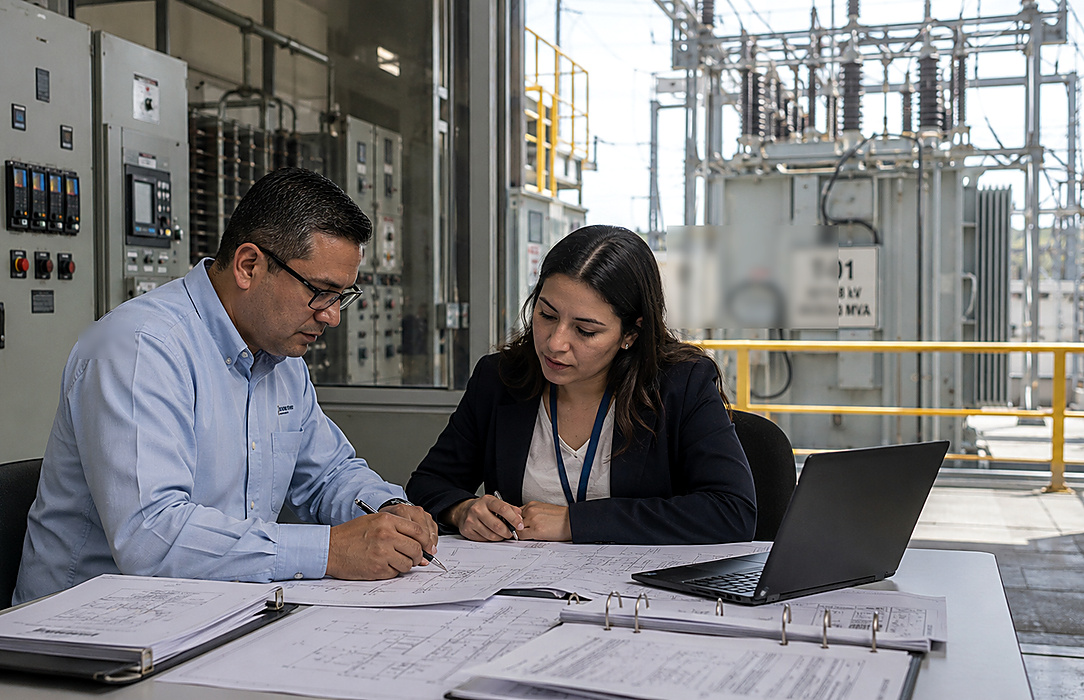
Two utility professionals reviewing paper diagrams, binders and a laptop inside a substation facility
1: Mutable records weaken defensibility
Manual or editable incident records make it harder to demonstrate when an event was opened, what evidence was supplied and when closure was confirmed.

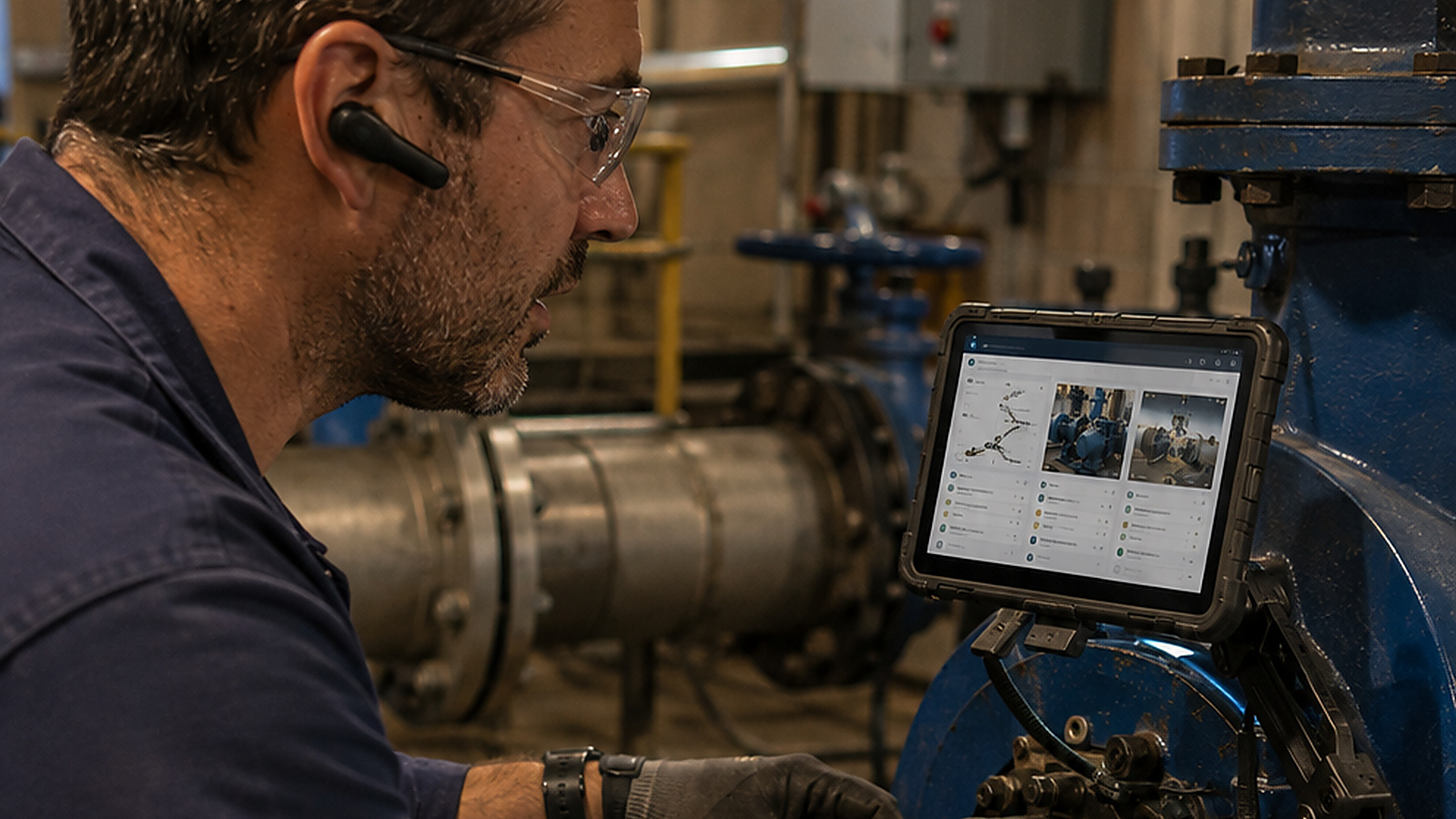
Field technician capturing operational evidence from an open communications cabinet in a high-voltage substation.
2: Evidence origin is difficult to validate
Information from operational systems and participating teams can arrive through different channels, making provenance and integrity harder to confirm consistently.
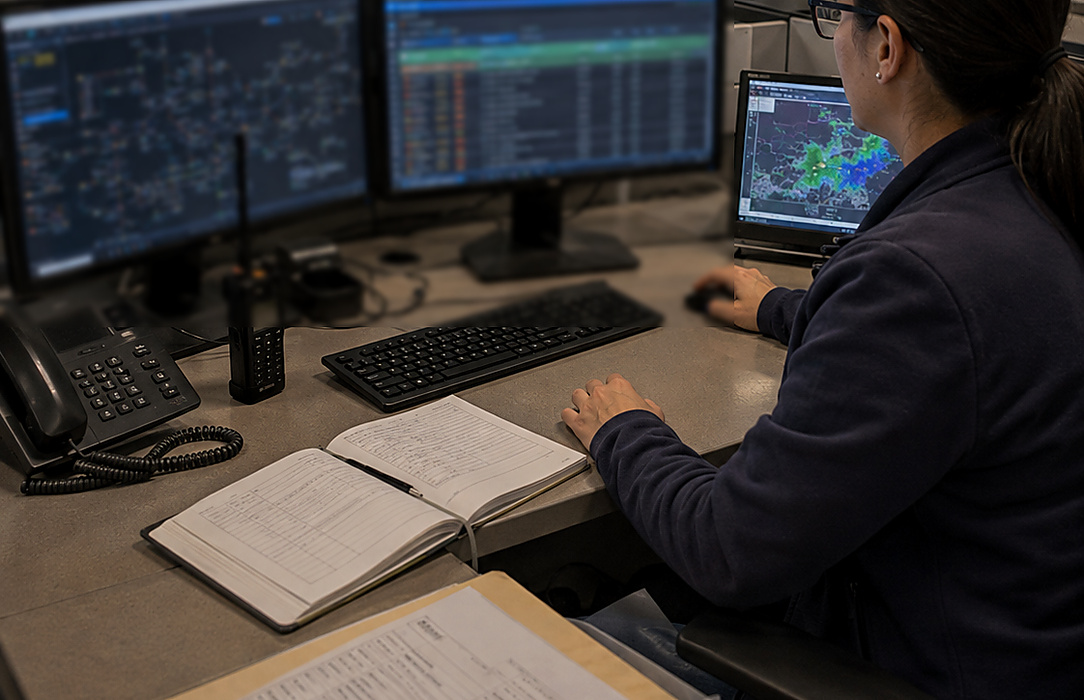
Control-room operator comparing incident information across several monitoring screens, notebooks and printed records.
3: Chronology requires manual reconciliation
Teams may need to check timestamps, event sequence and source information repeatedly before claims, audit or technical review can move forward.

Utility operations, maintenance and field specialists coordinating around separate plans, devices and records in a service depot.
4: Multiple parties lack a common trusted history
Authorized participants need access to the same incident record without depending on separate copies and repeated manual reconciliation.
解決策
An immutable incident history connected to operational reality

The solution combined blockchain, smart contracts and operational system integration to create a traceable record from incident opening through evidence and closure.

チェックアイコン
Create the immutable incident ledger

Incident opening, supporting evidence and closure were recorded on a blockchain platform to establish a tamper evident lifecycle history.

チェックアイコン
Automate trusted lifecycle updates

Opening and closure information was added from operational systems when predefined smart contract conditions were met.

チェックアイコン
Validate origin and integrity

The model validated the source and integrity of incident information so the shared record could support trusted operational and business review.

チェックアイコン
Share one authorized history

Authorized participants could access the incident history without relying on manual reconciliation between separate records.

影響
Higher trust, less reconciliation, clearer coordination

The capability established immutable, traceable evidence across the incident lifecycle, increased trust in incident and claim records, reduced manual checking of chronology and origin, and supported more efficient coordination through a common trusted record. The documented implementation was delivered over three months by a core team of three FTEs.
ドラッグ