- All Foundries

- 商品管理と取引

- 顧客とマーケティング戦略

- デジタルエンジニアリング

- ステーション・スタジオ

- サプライチェーン&インダストリー5.0
- サステナビリティ

- Physical AI

- Next-Gen Infrastructure



Enterprise Field Process Mobilization

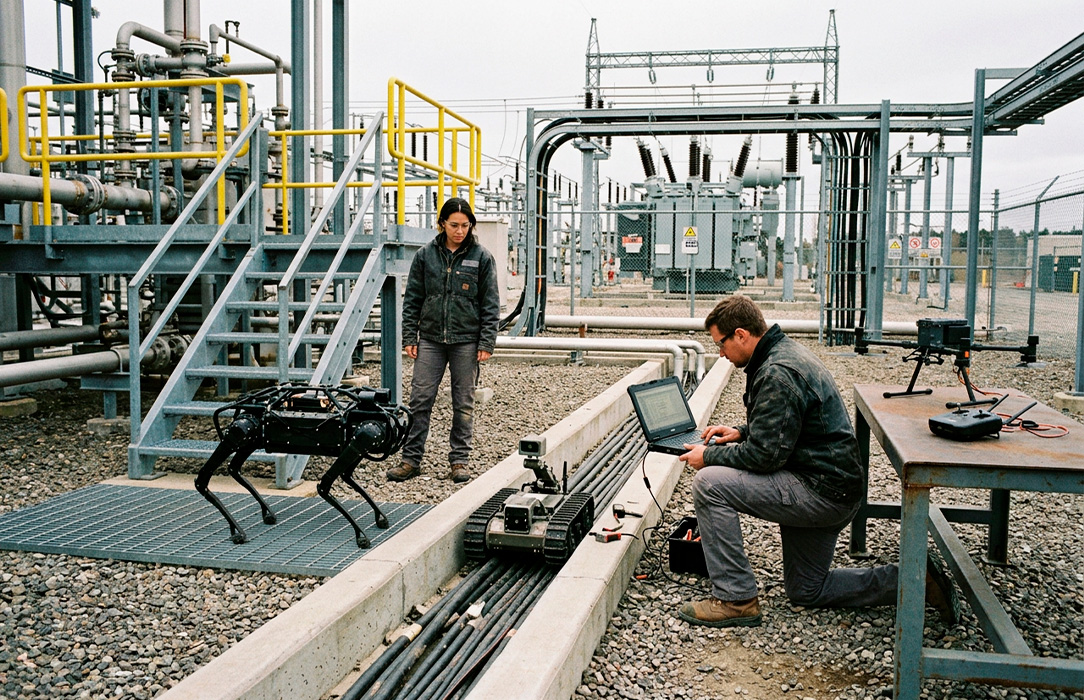
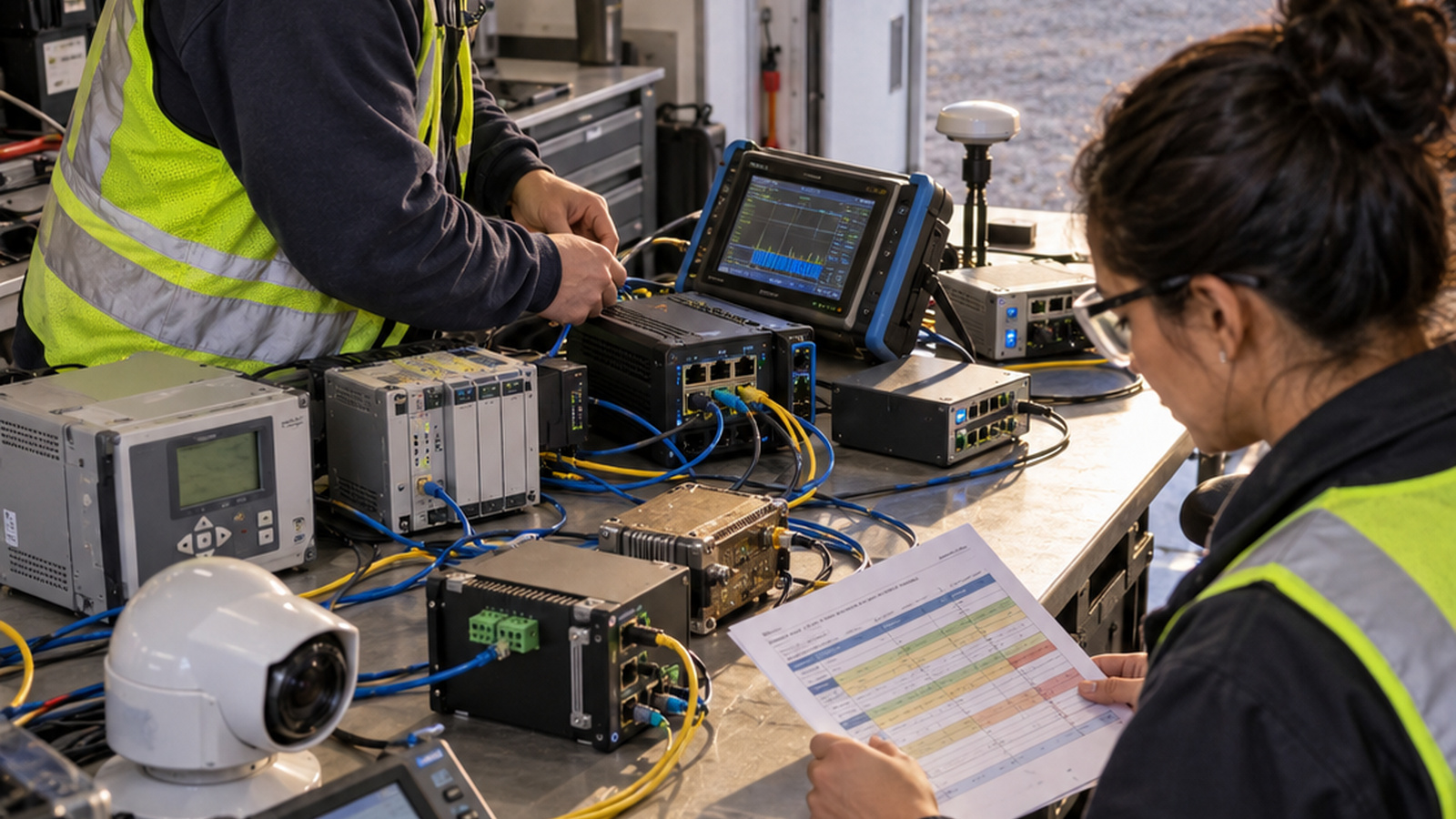
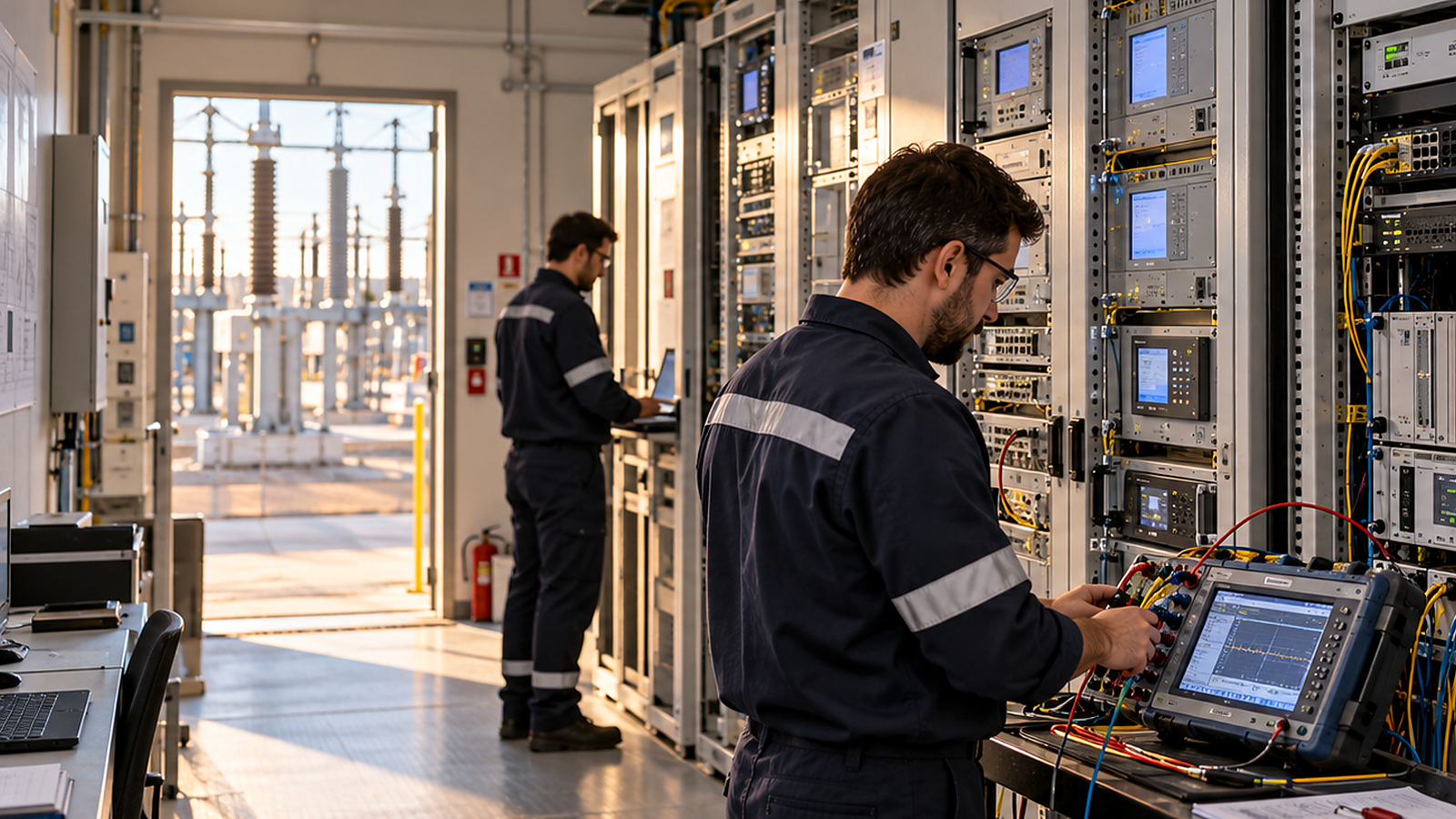
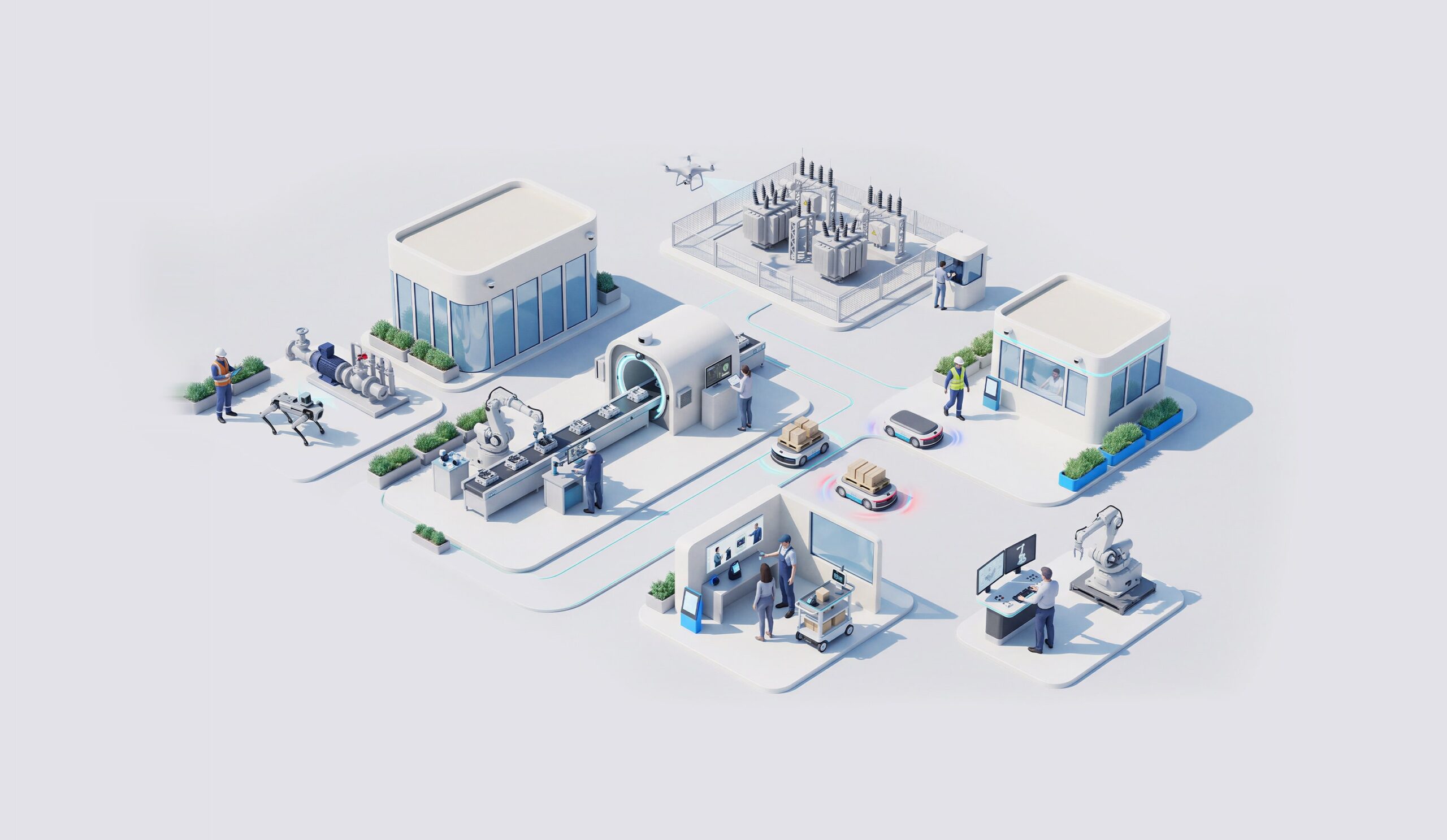
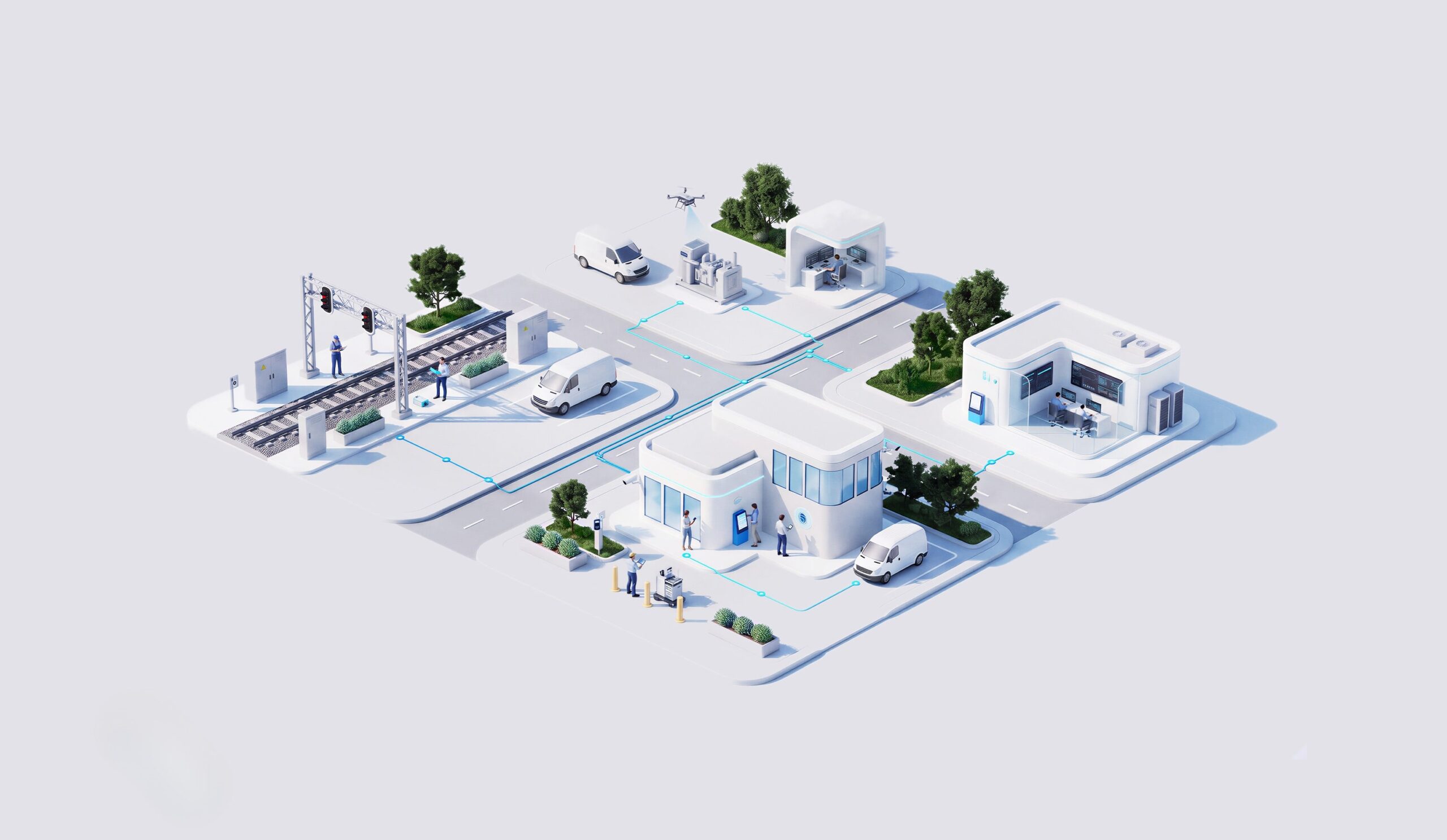
Utility field organizations operate across geographically distributed assets and must coordinate maintenance, inspections, logistics and operations with back-office systems; when execution relies on paper, delayed synchronization or disconnected applications, technicians spend more time managing information than performing the task. The solution mobilized a broad set of field processes — work orders, maintenance, inspections, warehouse operations, operational rounds and outage-related tasks — within a common digital environment, with direct access to field information and synchronization with enterprise systems. Rather than a single use case, it created a reusable mobility foundation, important because the same technician may take part in several processes a day and a fragmented application landscape becomes an obstacle to adoption and consistency.
Field processes span maintenance, inspections, logistics, outages and operations, and technicians need reliable access to enterprise information while working away from office environments — potentially under offline or intermittent-connectivity conditions — all without a fragmented mobile application landscape that reduces usability and standardization.
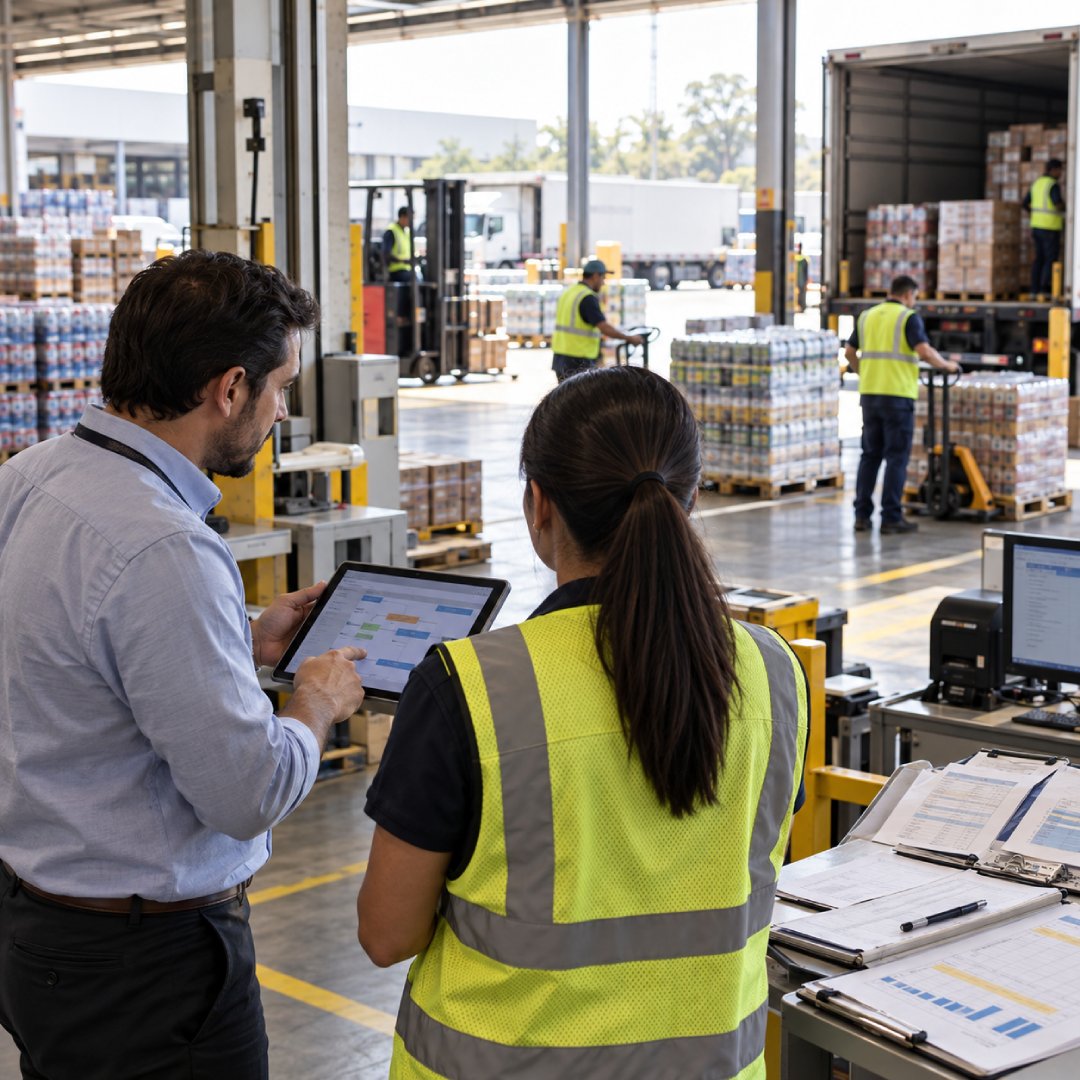
Field processes can span maintenance, inspections, logistics, outages and operations.
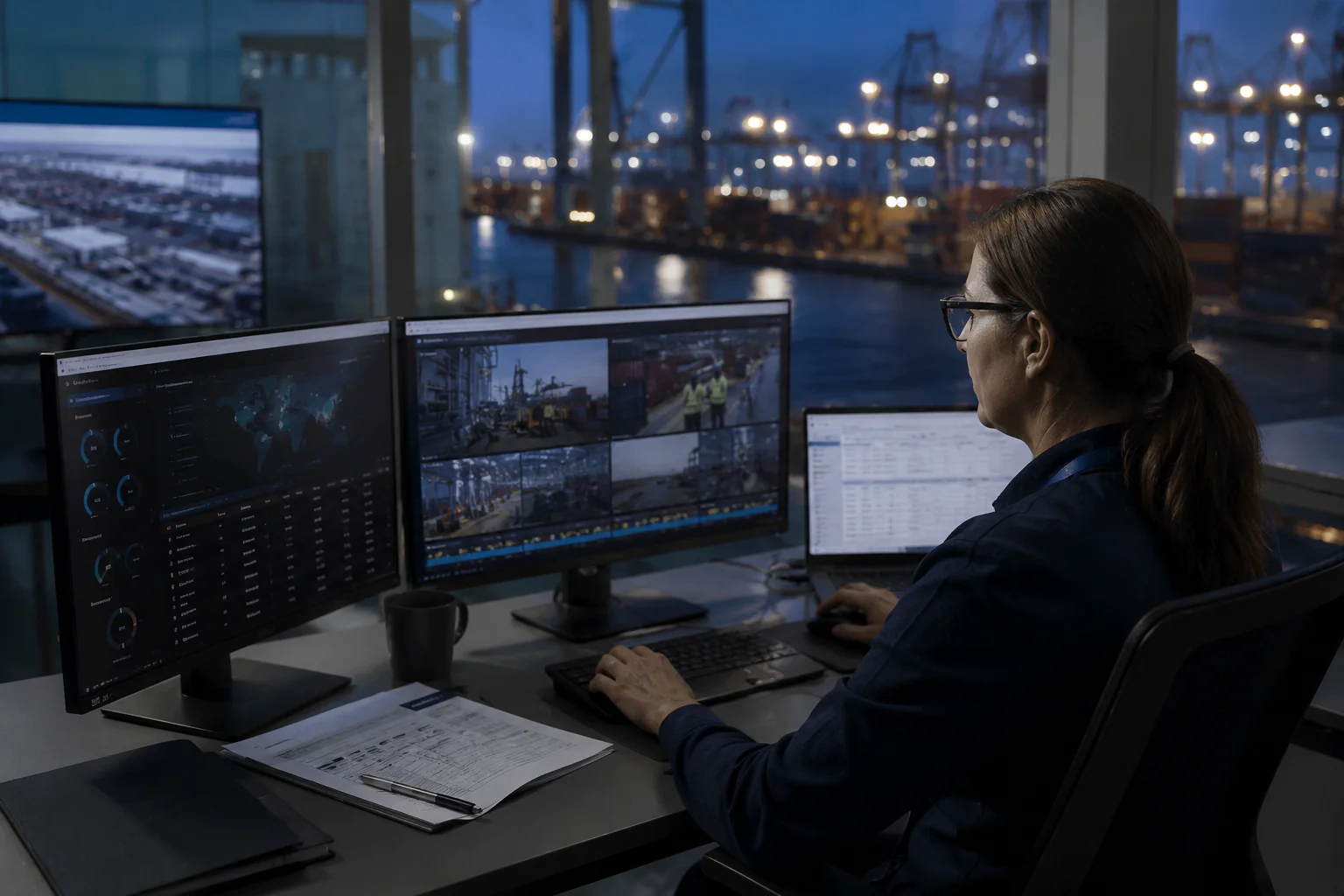
Technicians need reliable access to enterprise information while working away from office environments.

Offline or intermittent-connectivity conditions may need to be supported.

A fragmented mobile application landscape can reduce usability and standardization.
The solution digitized a broad portfolio of field processes within an integrated mobility environment, connected to the wider enterprise landscape so that field actions remain part of the same process used for planning, asset management and operational control, and established a reusable architecture that can absorb additional connected-worker functions.

Technicians can receive and update work orders, perform inspections, support warehouse activities, execute operational rounds and interact with outage-related processes without relying on paper as the main information carrier.
The mobile layer was connected to the wider enterprise landscape, so field actions remain part of the same process used for planning, asset management and operational control.
Mobility creates sustainable value only when information flows back into the systems that manage the asset and the work — the integration this model places at its centre.
A common approach across multiple scenarios established a reusable field-services architecture that can absorb additional connected-worker functions while preserving a consistent user experience.
The approach improves continuity between planning and execution by reducing manual handoffs and delayed information updates: field teams gain more direct access to the information they need, while back-office functions receive more consistent feedback from activities performed on site. The broader impact is greater standardization across field operations — a common mobility foundation makes it easier to extend new digital capabilities, supports a more consistent technician experience and reduces the need to build separate field applications for each operational process.