Cloud-Native Modernization of Grid Applications
Legacy grid applications were renewed across application layers, data and deployment practices.
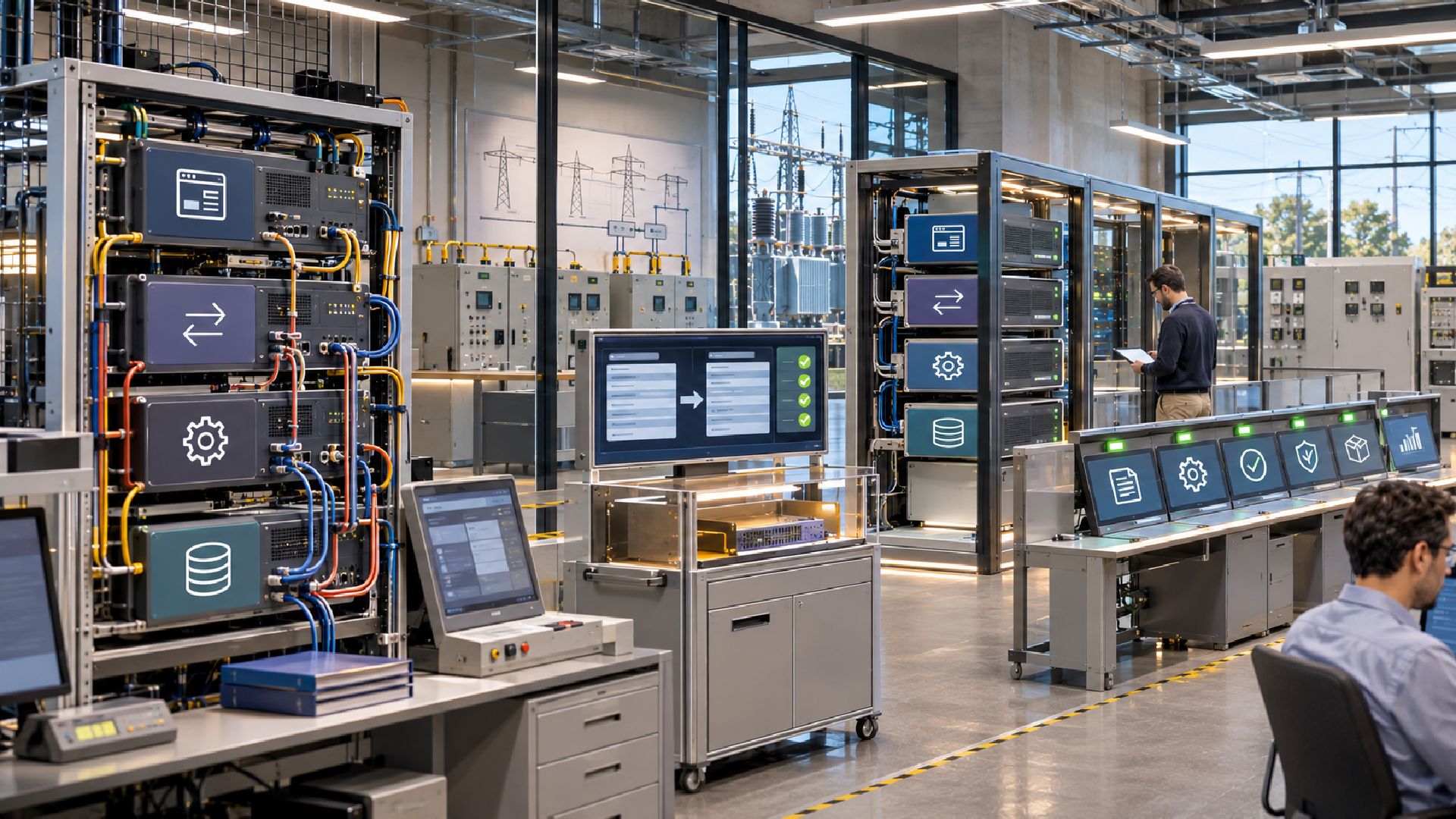
Legacy grid application layers being renewed into a modular cloud-native architecture with controlled data migration, standardized delivery and integrated security practices.
Applications modernized
Number of legacy grid applications renewed.
Infrastructure costs
Infrastructure and support spending against the legacy baseline.
アプリケーションの可用性
Availability of modernized grid applications.
Release performance
Time to deploy changes and frequency of releases.
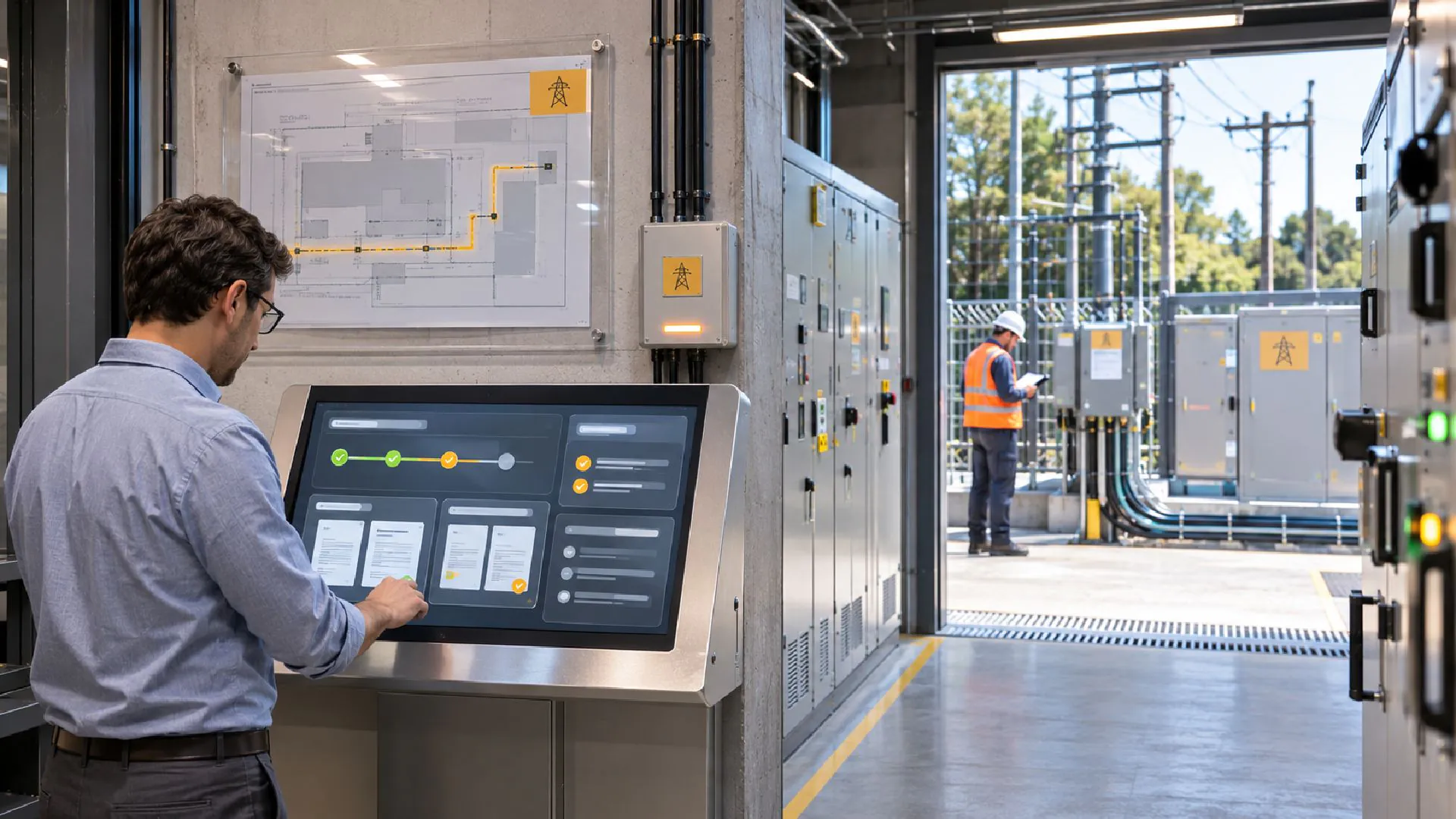
Legacy grid application change passing through multiple dependent validation and release stages, illustrating technical debt, tight coupling and fragmented deployment practices.
When grid applications resist change

Grid applications carried years of technical debt. Tight coupling, aging components and fragmented releases made them expensive to support and slow to change. The programme adopted a shared cloud-native architecture to renew these systems without preserving their legacy constraints.

A repeatable route to application renewal
目的
Modernize outdated grid applications without carrying legacy coupling or fragmented delivery into the cloud. Establish engineering, security and governance standards that later renewal initiatives can reuse.
機会
The initial modernization offers a foundation for wider grid and asset application renewal. Reused architecture, security and delivery patterns could keep later initiatives from restarting with isolated technical decisions.
Renewal under grid constraints

The operator needed repeatable standards for applications with different dependencies, while protecting the availability, security and governance of critical grid services.
主な課題
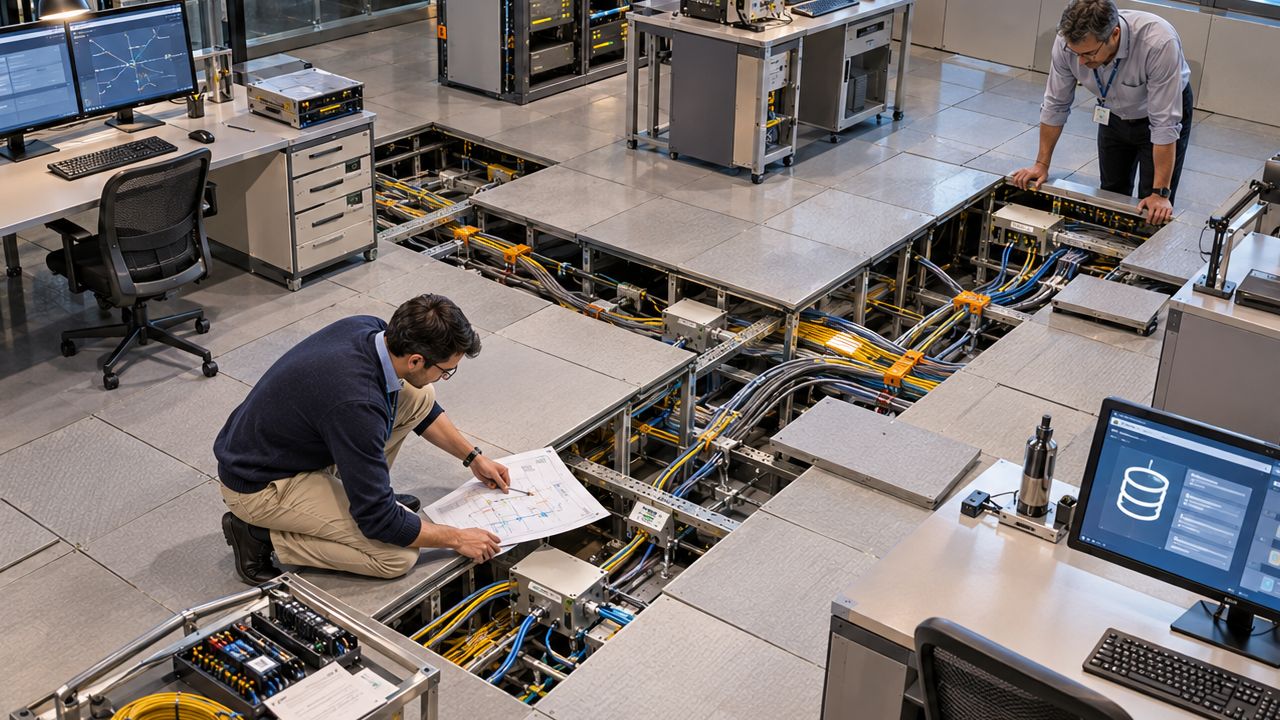
Legacy grid application layers connected through complex underlying dependencies across front-end, API, back-end and data components, complicating coordinated modernization.
1. Legacy component coupling
Front-end, API, back-end and data layers needed coordinated renewal without transferring existing dependencies into the new environment.

Different grid applications aligned to shared architecture, security, integration and delivery patterns designed for reuse across current and future modernization initiatives.
2. Consistent design patterns
Patterns had to work across current and future applications without turning each migration into a separate implementation.

Grid application data migration verified through source-to-target event reconciliation while operational asset processes continue without interruption.
3. Data migration safeguards
Application data had to migrate while preserving the integrity and continuity required by grid and asset processes.

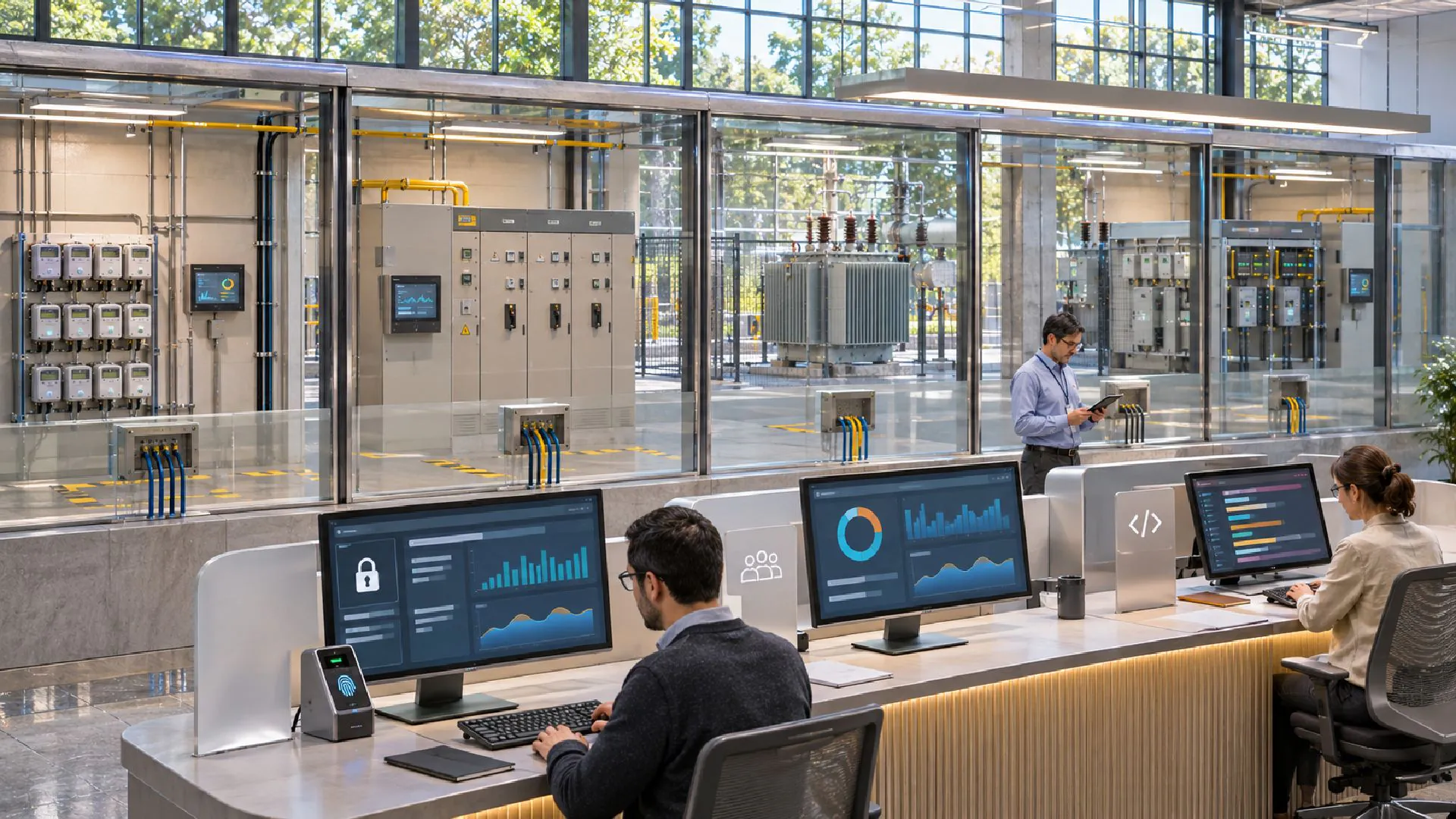
Grid application releases passing through consistent deployment, security and access controls with continuous runtime observability across the application environment.
4. Delivery and security controls
Fragmented release practices required consistent CI/CD, observability and access controls across grid applications.
解決策
A standardized cloud-native delivery model

NTT DATA combined application modernization with platform engineering, establishing shared architecture and delivery standards for the first migrations and later renewal waves.

チェックアイコン
Application stack renewal

Renewed front-end, API and back-end components and migrated the associated data into the target cloud-native architecture.

チェックアイコン
Service and API patterns

Standardized microservice and serverless frameworks, using API gateways and API-first design across applications.

チェックアイコン
Cloud controls and security

Aligned cloud infrastructure and analytics services, with infrastructure as code, least-privilege access, secret management and identity integration.

チェックアイコン
Controlled releases

Introduced CI/CD pipelines and observability to monitor deployments, incidents and runtime health throughout the engineering lifecycle.

影響
A repeatable model for grid applications

The reference established a more scalable and supportable foundation for grid applications. CI/CD and observability support consistent deployment and monitoring, while security controls are integrated into engineering practices. The framework provides reusable patterns for future application renewal.
ドラッグ