


- All Foundries

- 商品管理と取引

- 顧客とマーケティング戦略

- デジタルエンジニアリング

- ステーション・スタジオ

- サプライチェーン&インダストリー5.0
- サステナビリティ

- Physical AI

- Next-Generation Infrastructure







Dynamic Wind Farm Maintenance Planning
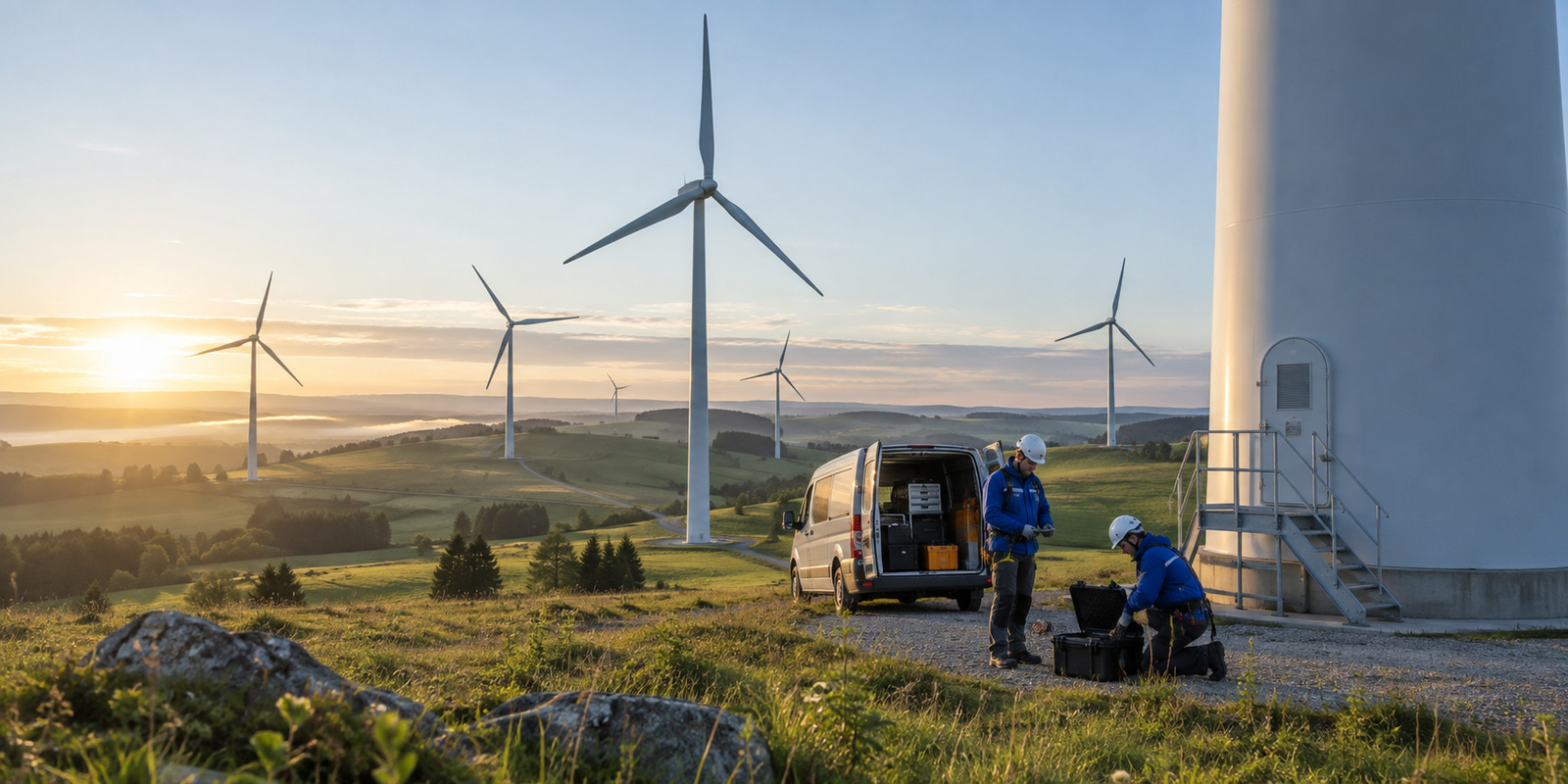
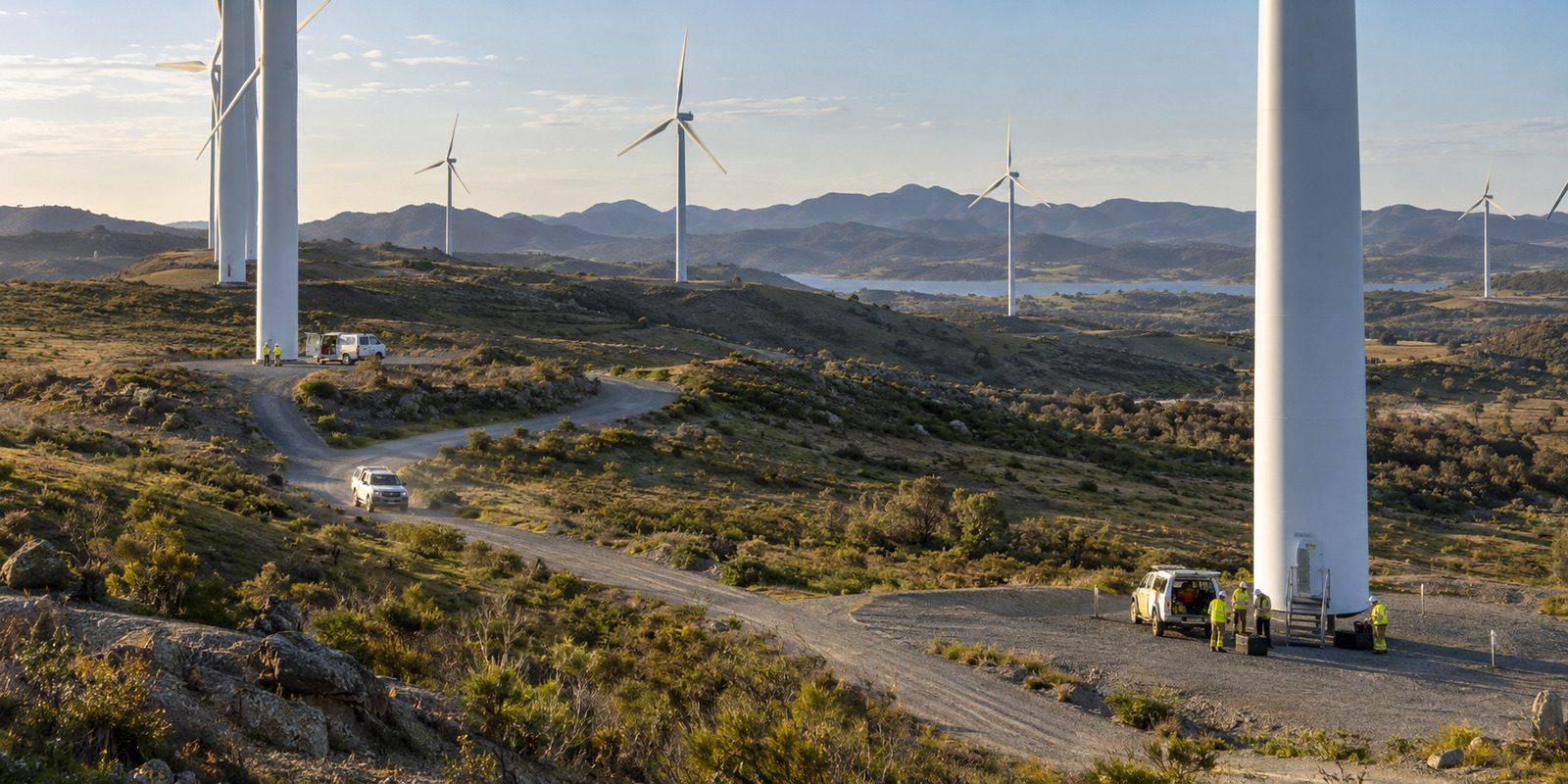
One decision workflow connects field reality, operational priorities and production economics.
The challenge was to convert dispersed operational inputs and changing field conditions into schedules that were both optimized and usable by maintenance teams.
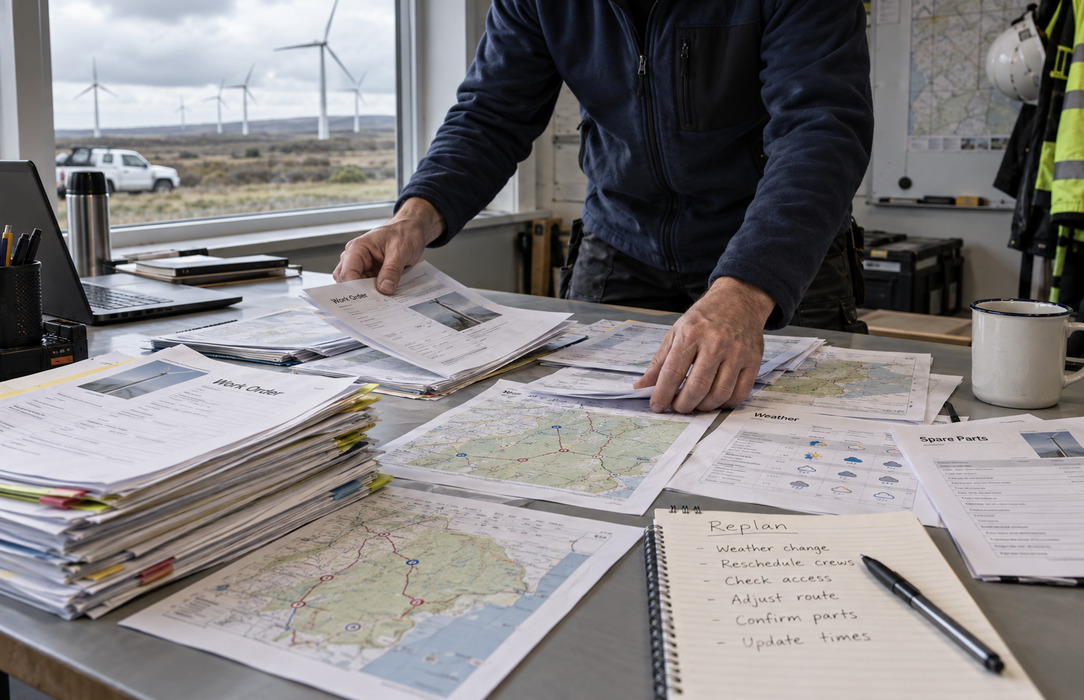
Planning required frequent rework and could underuse available information, increasing the risk of errors when operational inputs were incomplete.

The initiative needed to support long-range annual planning and daily execution without losing the practical detail required by field teams.
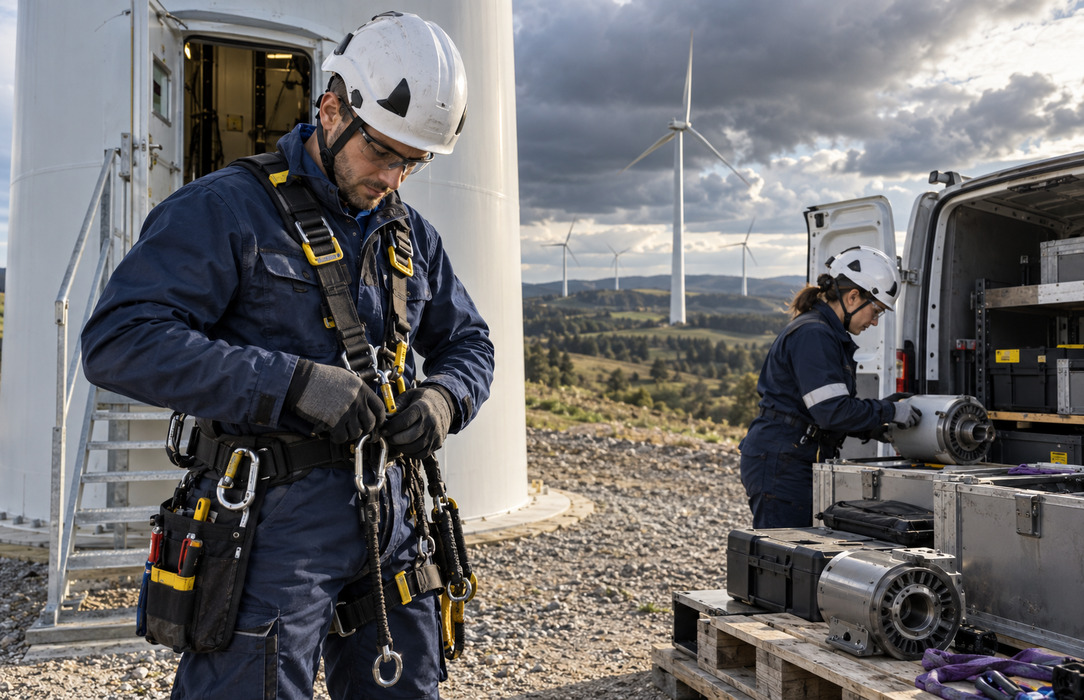
Each plan had to balance specialization, job duration, travel, spares, energy prices, maintenance type, safety requirements and unplanned outages.

Automatically generated schedules needed to remain transparent, reviewable and adaptable, while connecting with the wider maintenance workflow.
NTT DATA combined task characterization, genetic-algorithm planning, operational data and a review dashboard in an end-to-end decision workflow for preventive maintenance.

Task-characterization models brought together execution time, travel and workforce requirements so the planning process could use critical information consistently.
Genetic algorithms generated preventive-maintenance schedules for both horizons, aligning longer-term priorities with day-to-day operational needs.
The planning logic incorporated energy price, workforce specialization, maintenance type, spare parts, safety constraints and unplanned outages.
A dashboard enabled maintenance teams to validate and modify generated plans, with support for integration into maintenance systems and execution workflows.
Daily planning time fell by 75%, from 120 to 30 minutes per day. The documented results also show 75–80% saturation across maintenance pairs, average work-order timing approximately one month earlier and validation across four wind farms. Beyond those measures, the new approach reduced errors linked to incomplete manual data use, balanced workload more effectively and established a standardized planning process that maintenance teams can still review and adjust.
