
RPA Factory for Energy Operations

An enterprise RPA factory for renewable-energy operations, from process discovery to bot delivery and support.
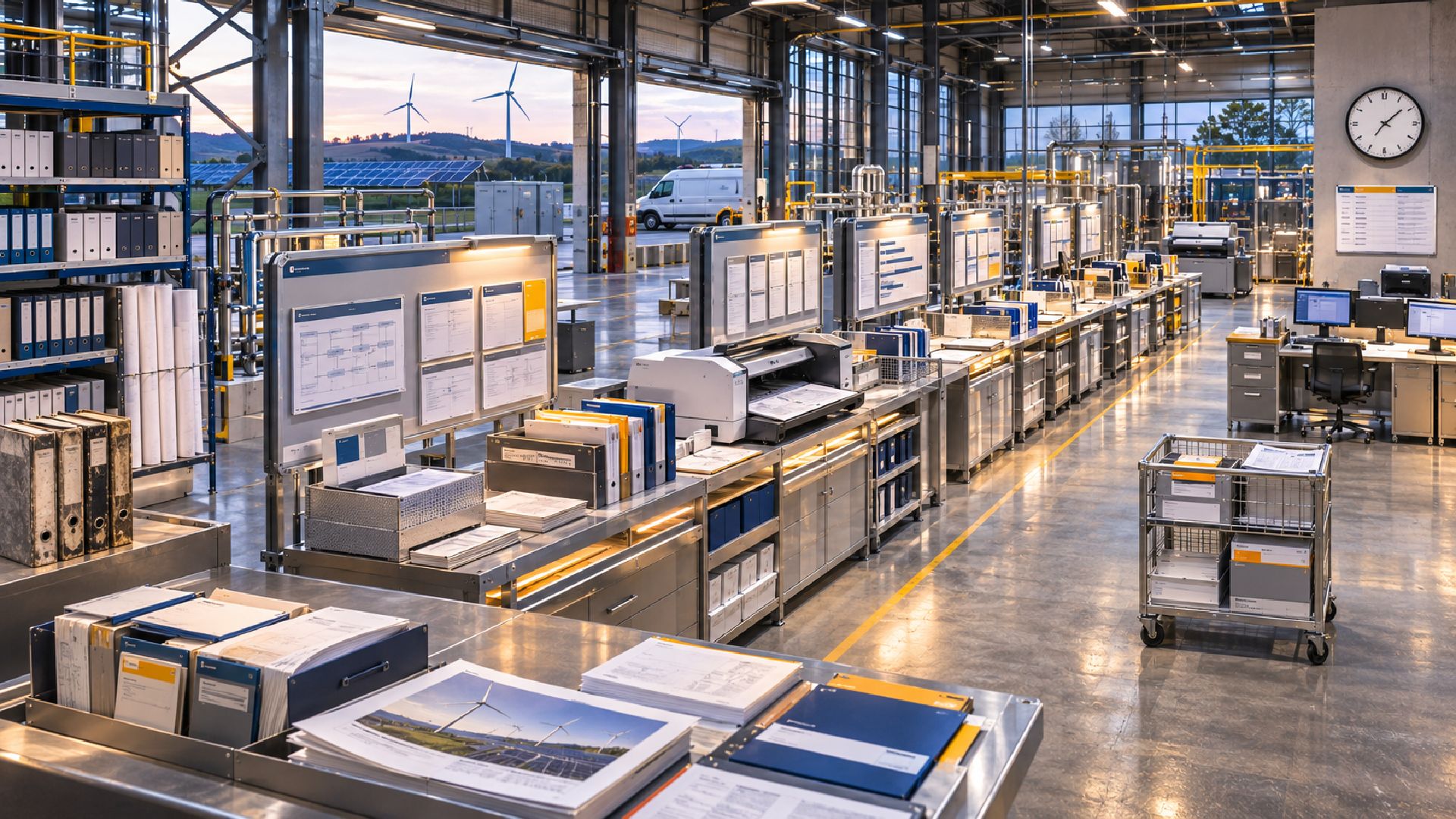
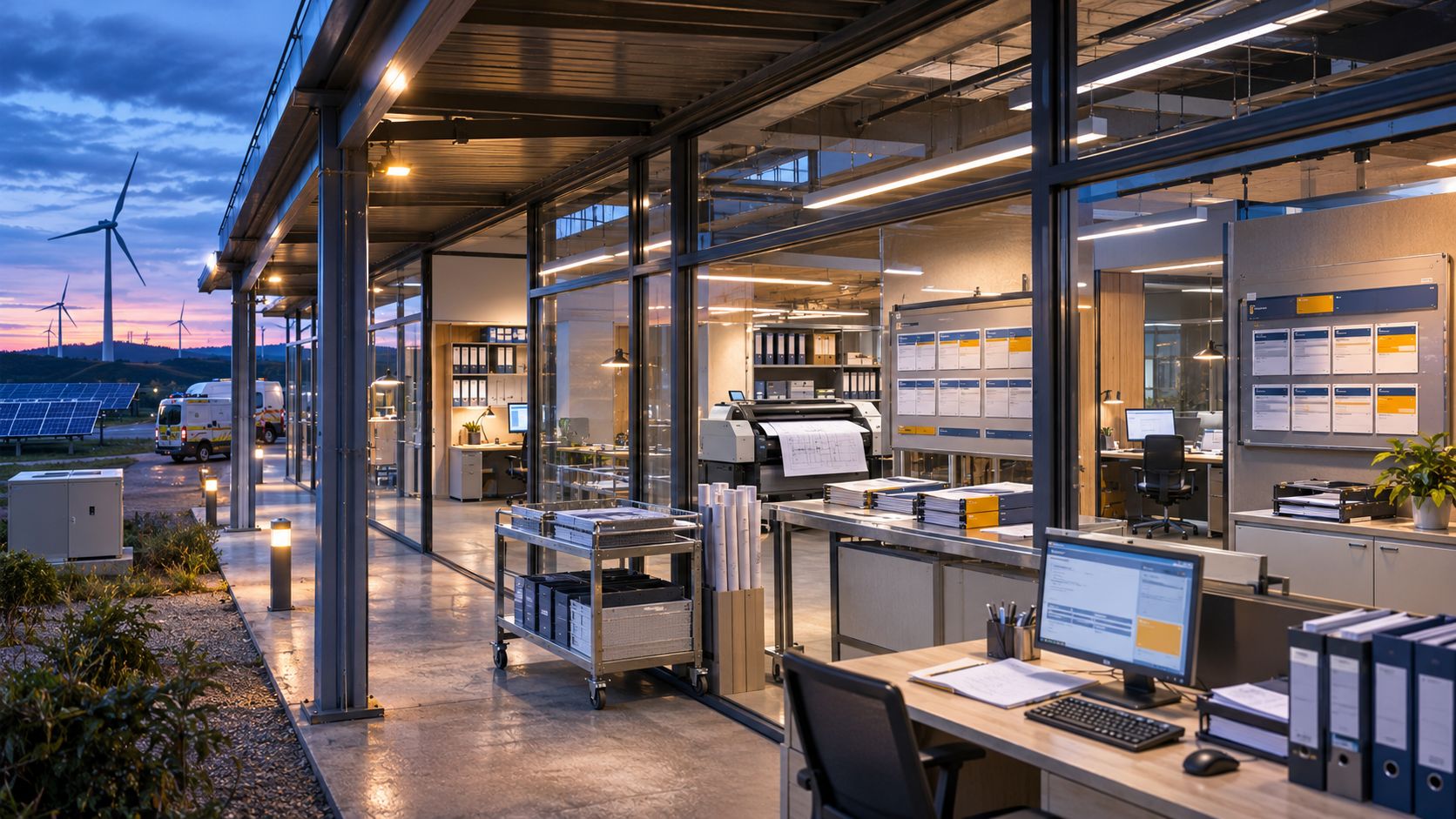
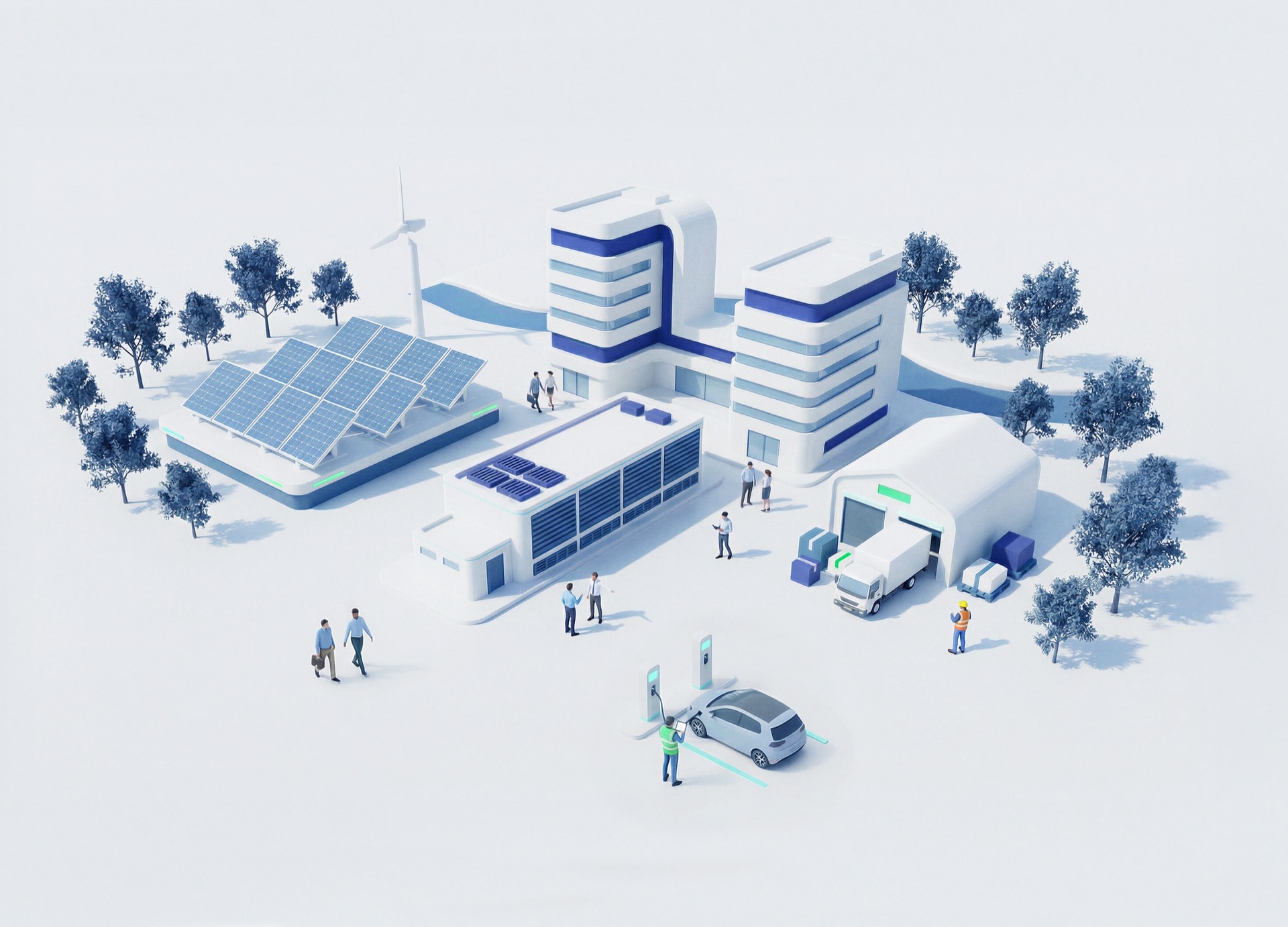
Renewable-energy operational work moving through a governed automation lifecycle from candidate assessment and bot delivery to production monitoring, exceptions and ongoing support.
Manual hours automated
Time previously spent on work now handled by bots.
Active bots and pipeline
Automations running in production or awaiting delivery.
Automation reliability
Success and exception rates recorded across bot runs.
Maintenance effort
Support time required for each deployed robot.
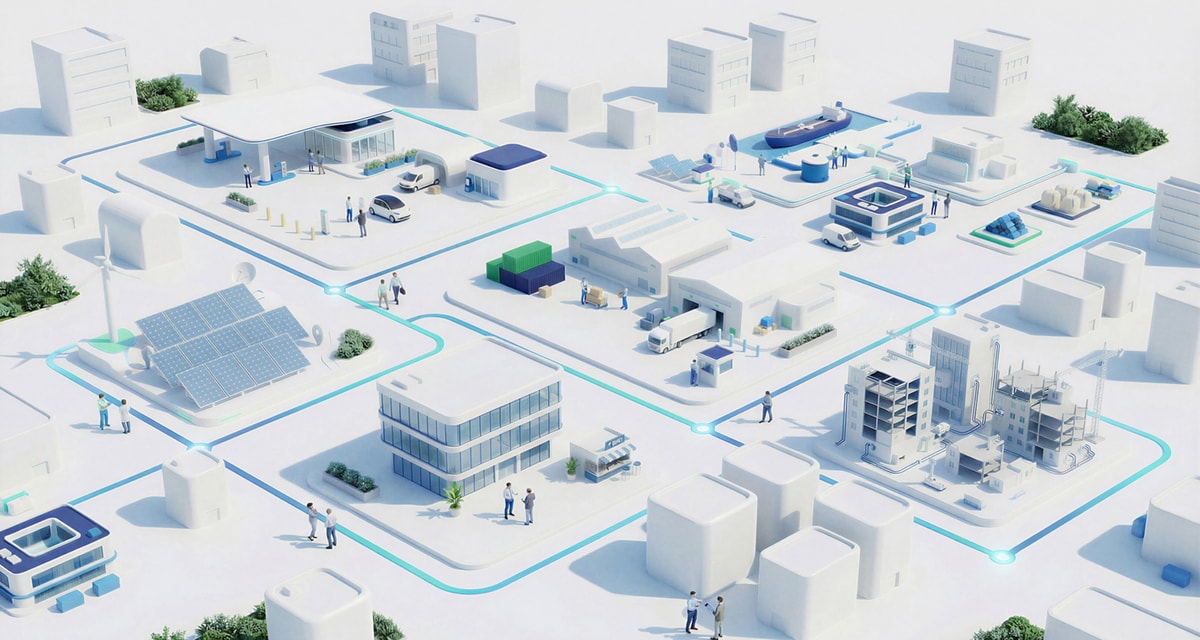
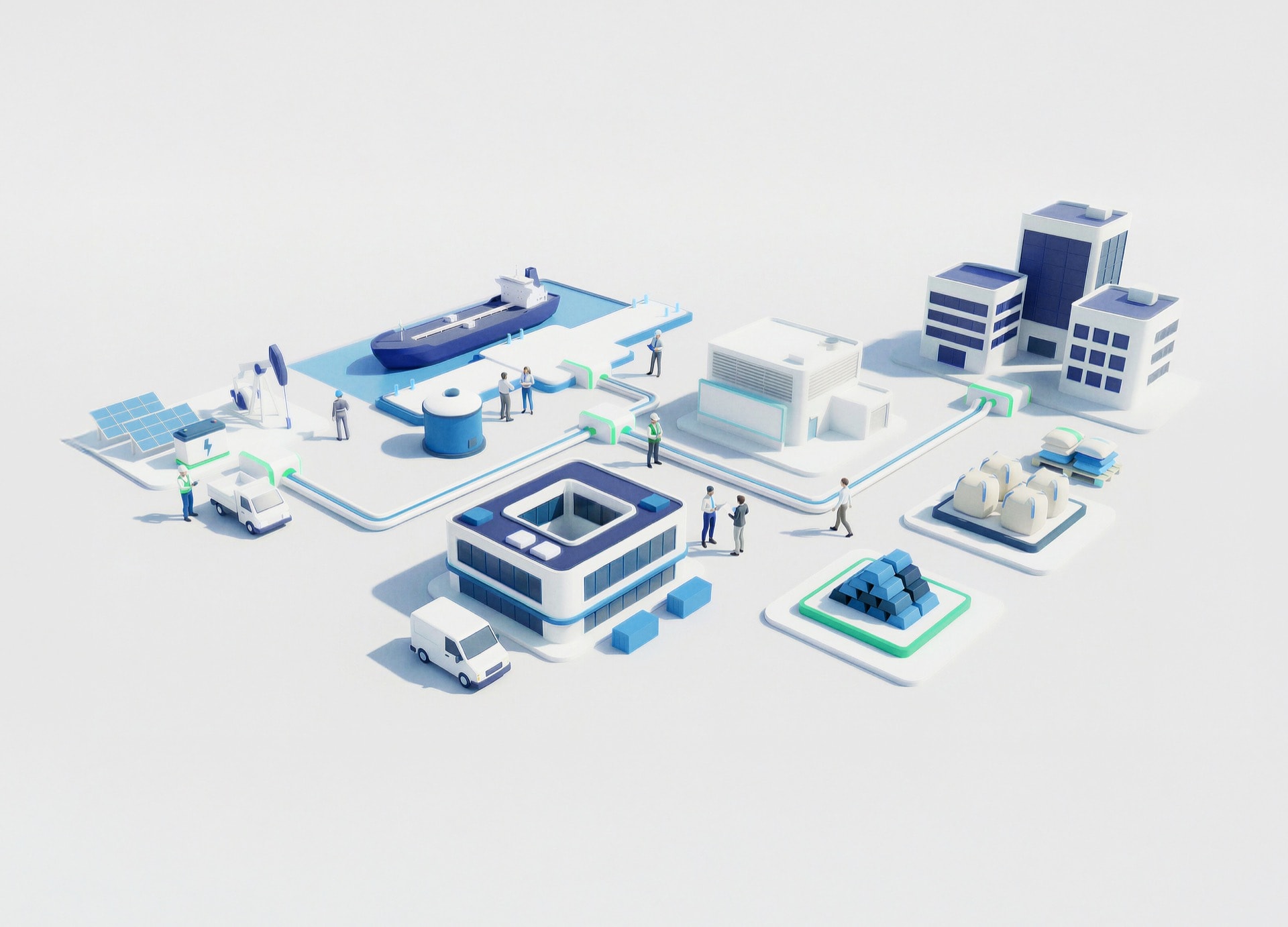
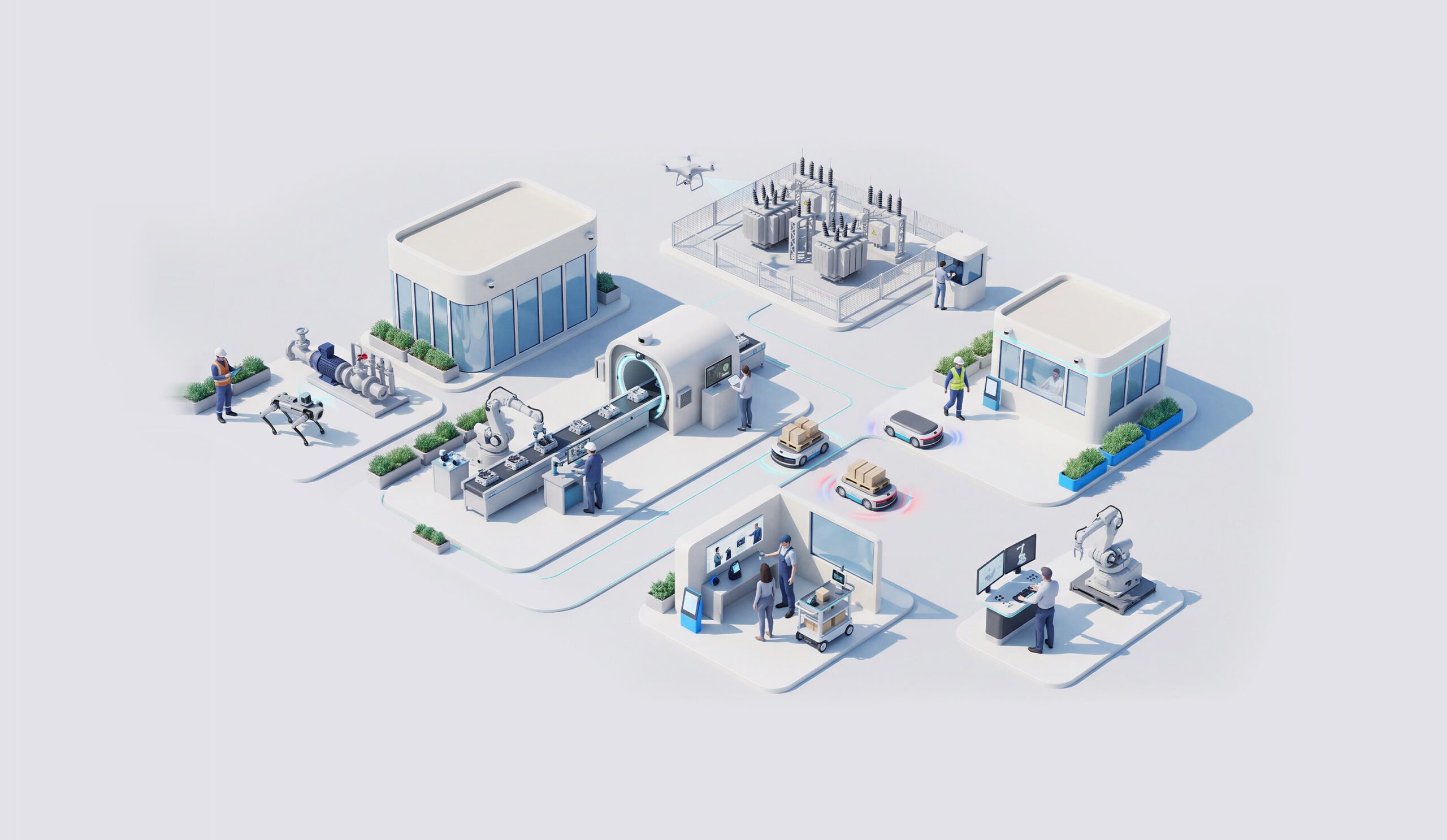
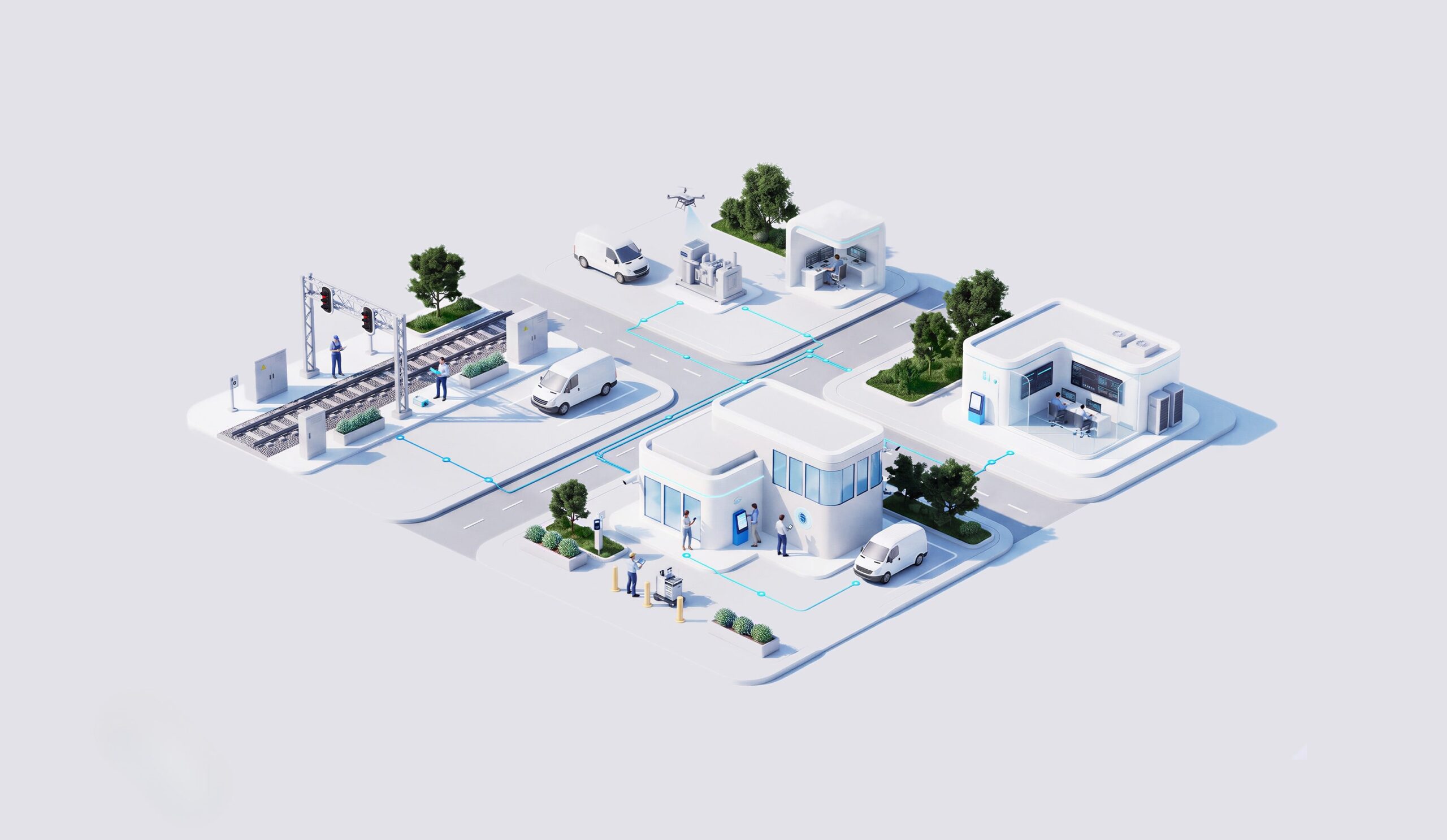
Renewable-energy operational processes using a common automation governance model for candidate management, production monitoring, exception handling and ongoing bot support.
Beyond isolated bot development

Repetitive operational and support processes consume specialist time in renewable-energy businesses. Isolated bots can be difficult to govern, maintain and scale. NTT DATA’s factory covers the full automation lifecycle, from candidate discovery and bot deployment to monitoring and corrective support.

A common path for automation to grow
目的
Industrialize automation through a governed factory model across business areas. Identify processes with enough volume, stability and business value; establish common ownership and design standards; and manage robots from discovery through ongoing support.
機会
The factory offers an opportunity to incorporate process mining, intelligent automation and agentic workflows while keeping the existing governance and maintenance model.
Control at every stage of automation

A scalable factory must select suitable work, apply common bot standards, sustain delivery beyond one-off projects and respond when processes or source systems change.
主な課題
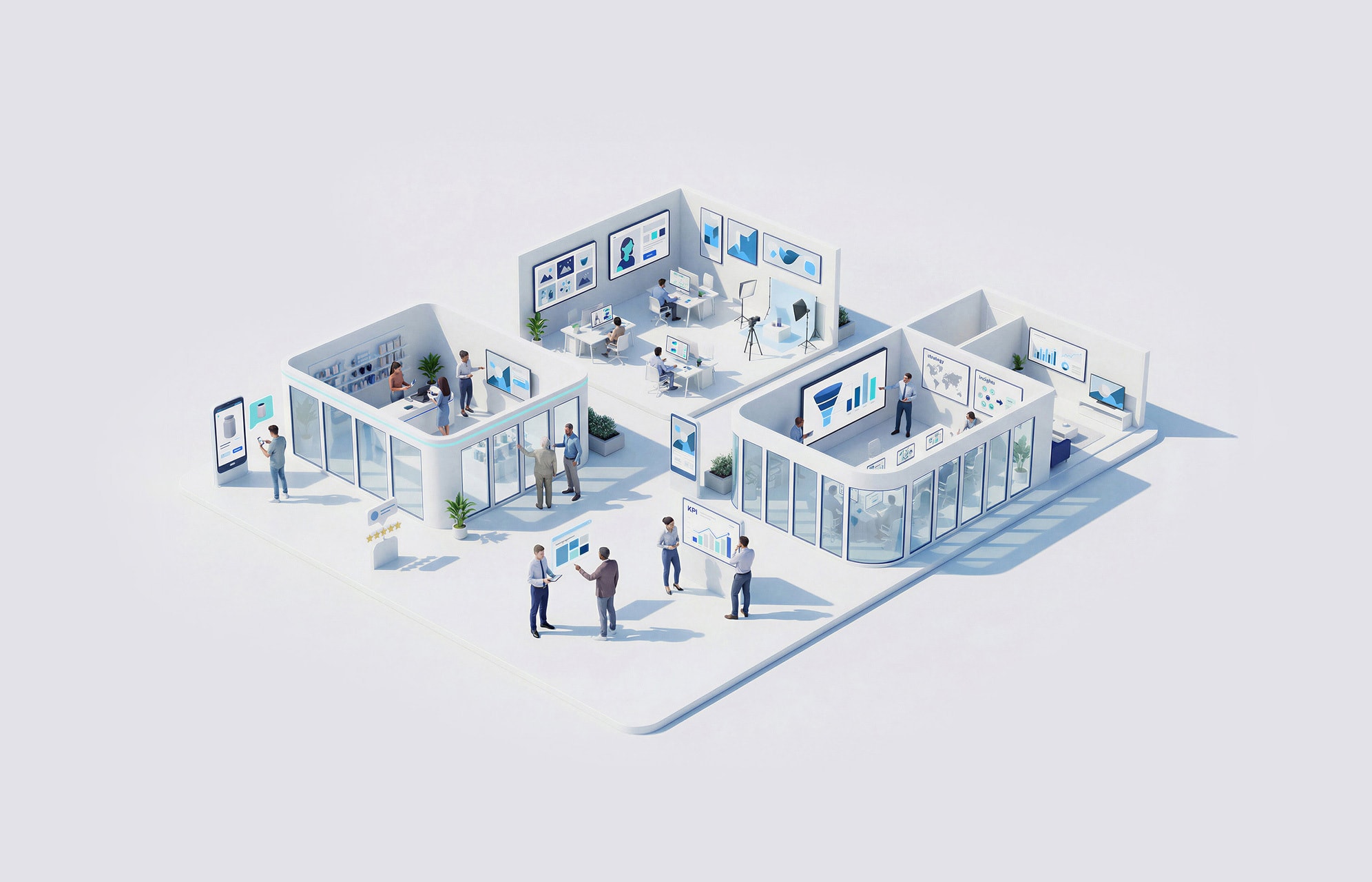
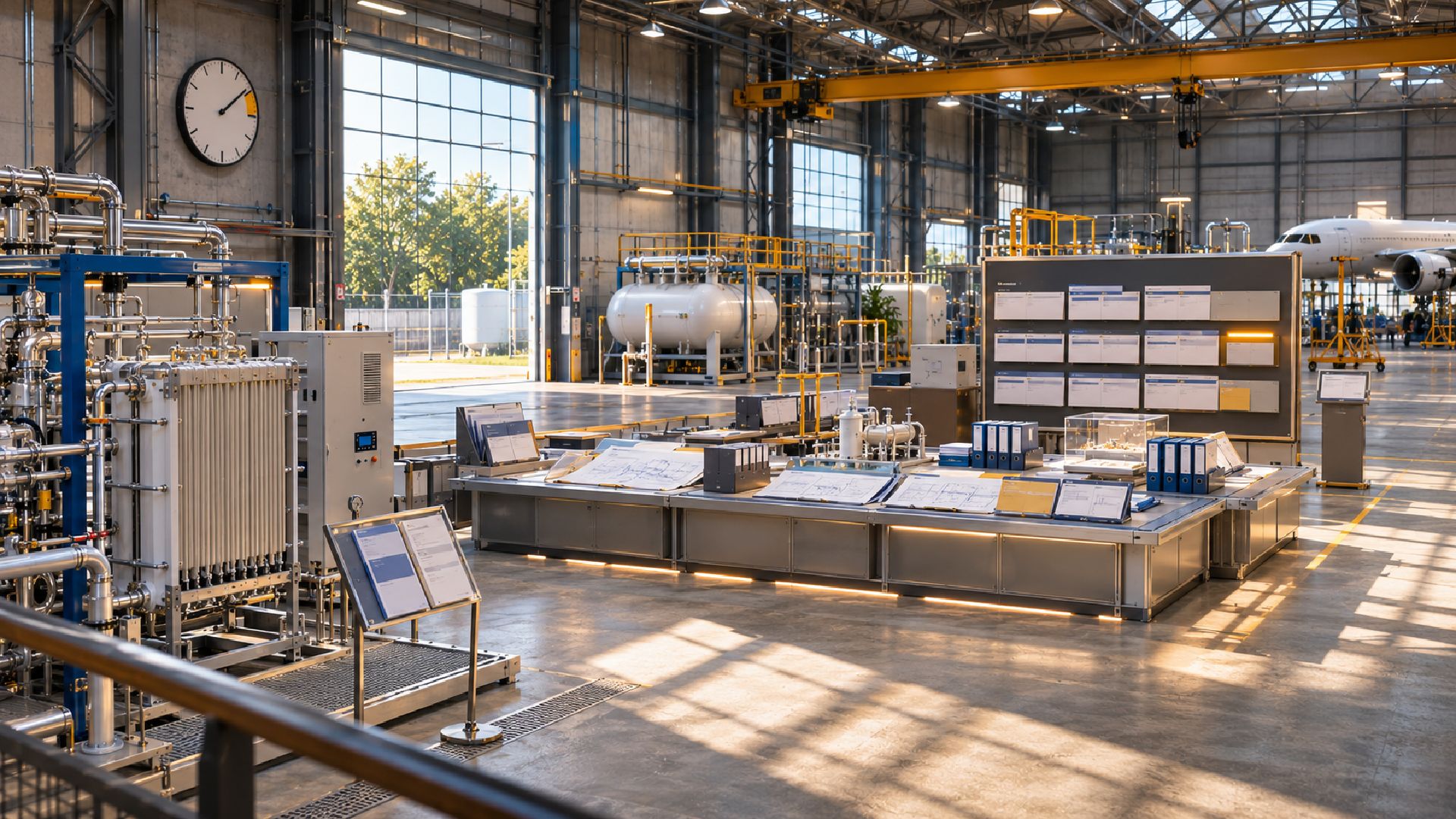
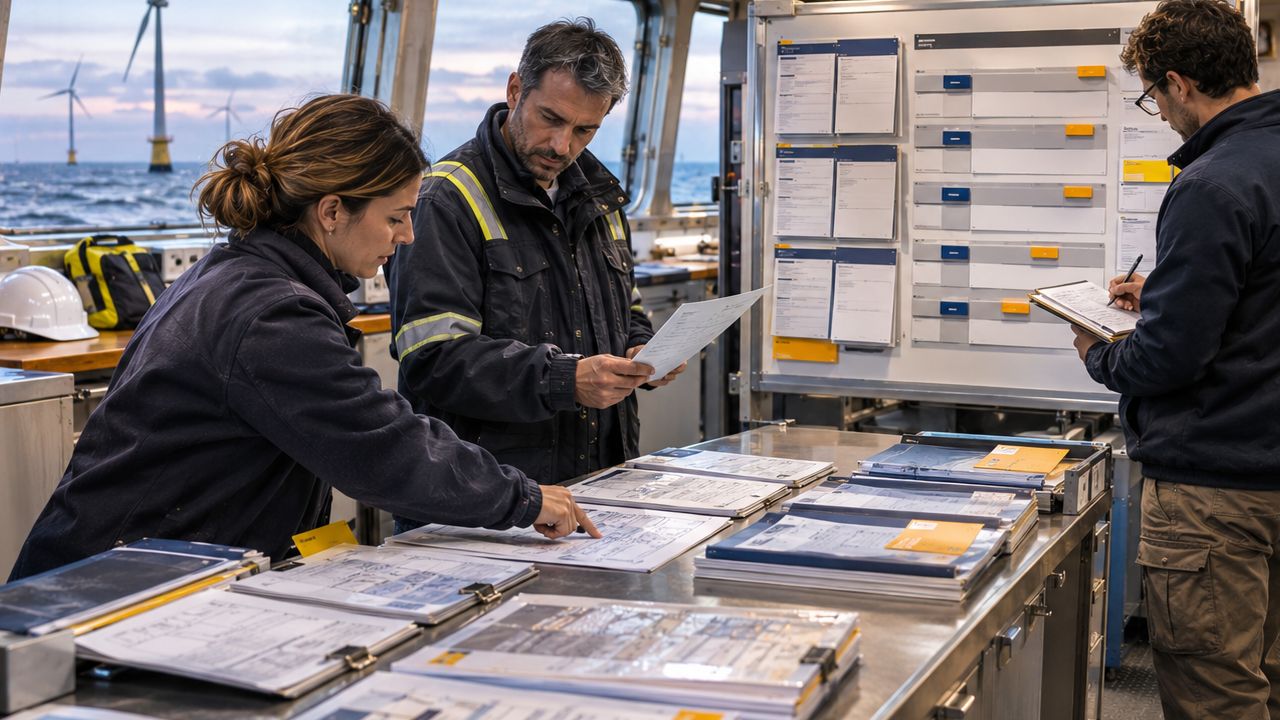
Renewable-energy operations team comparing recurring process samples to assess repetition, volume, stability, exceptions and business value before automation.
1. Process suitability
Repetitive activities need enough volume, stability and business value to justify automation and prioritization.
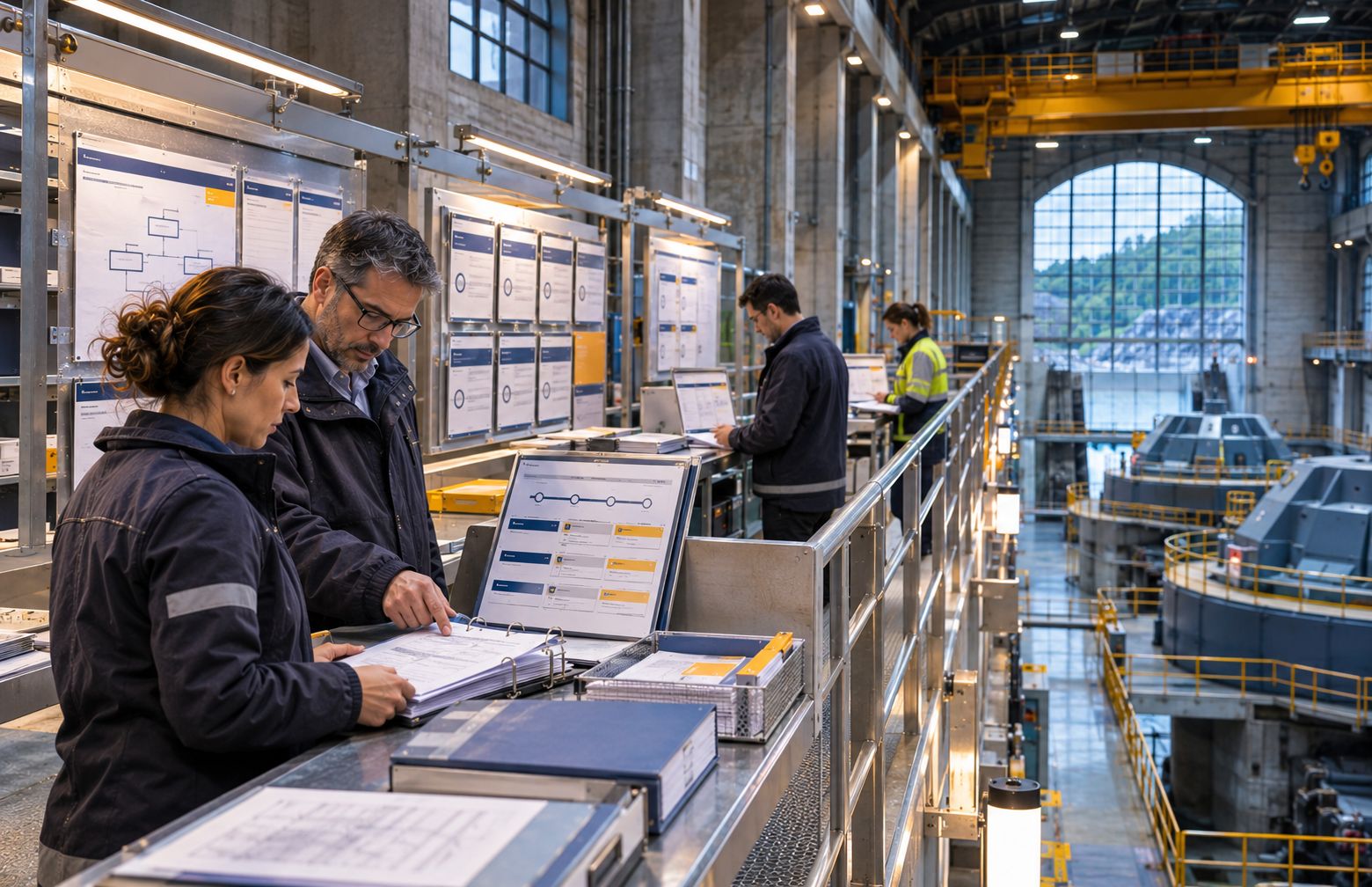
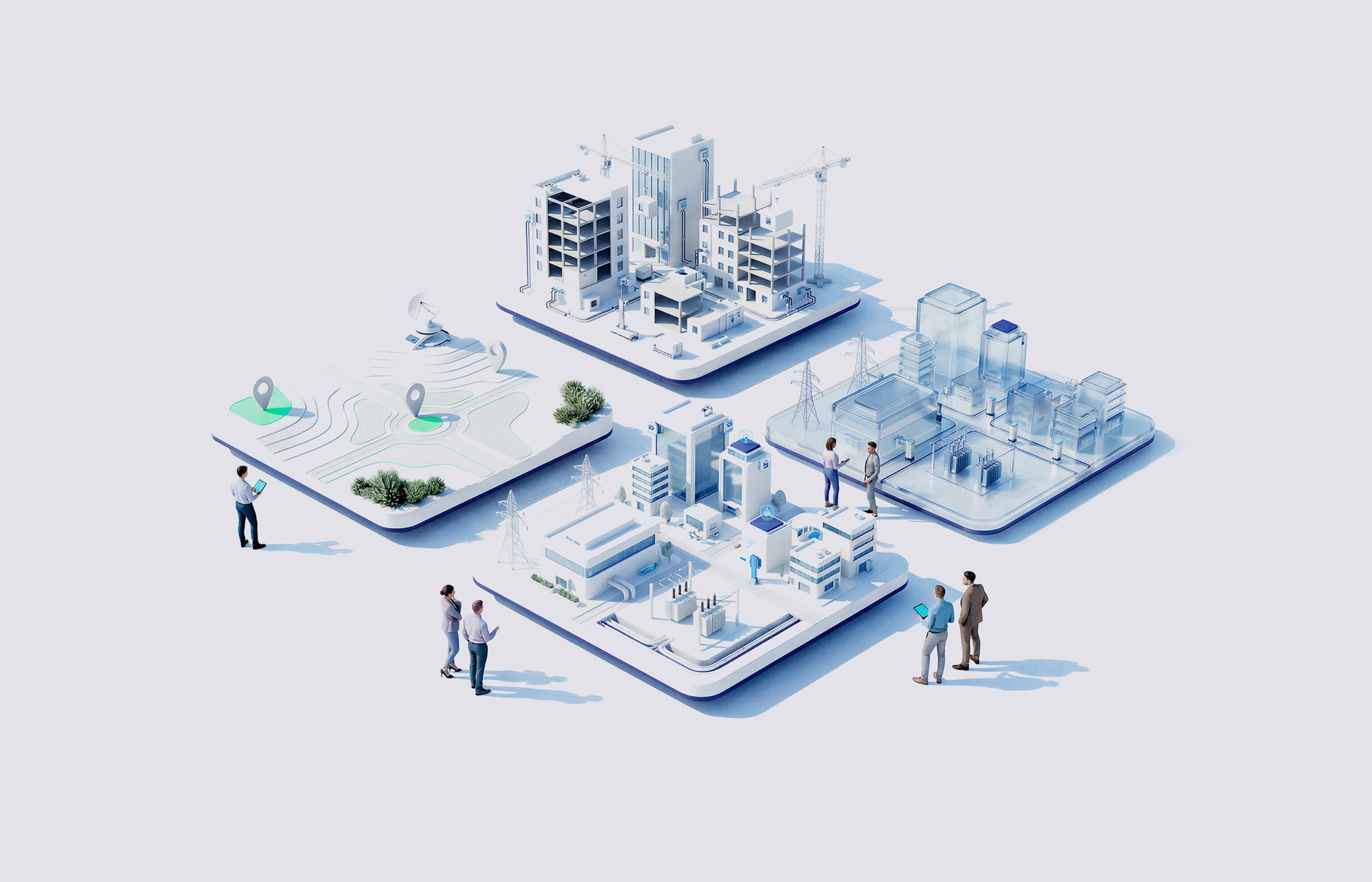
Renewable-energy business owners reviewing different automated processes under shared standards for ownership, design, change control, exceptions and ongoing support.
2. Governance consistency
Bots developed across business areas need clear ownership, shared design principles and operational controls.
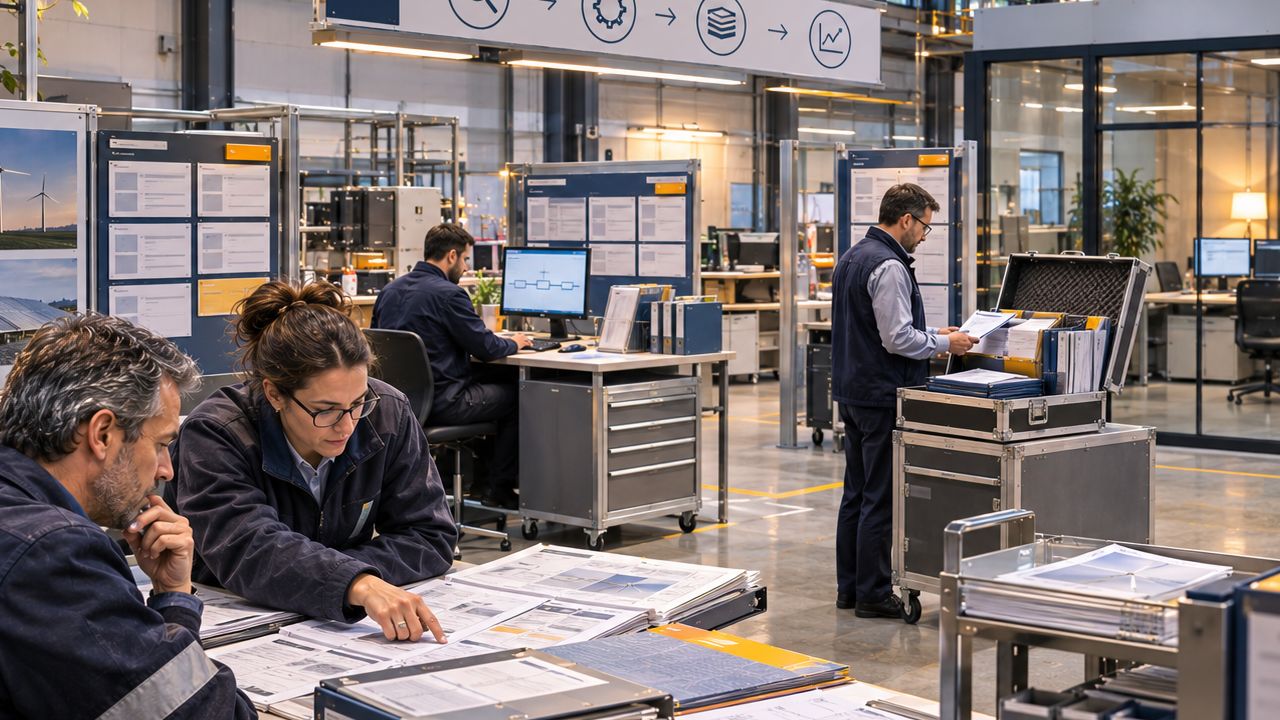
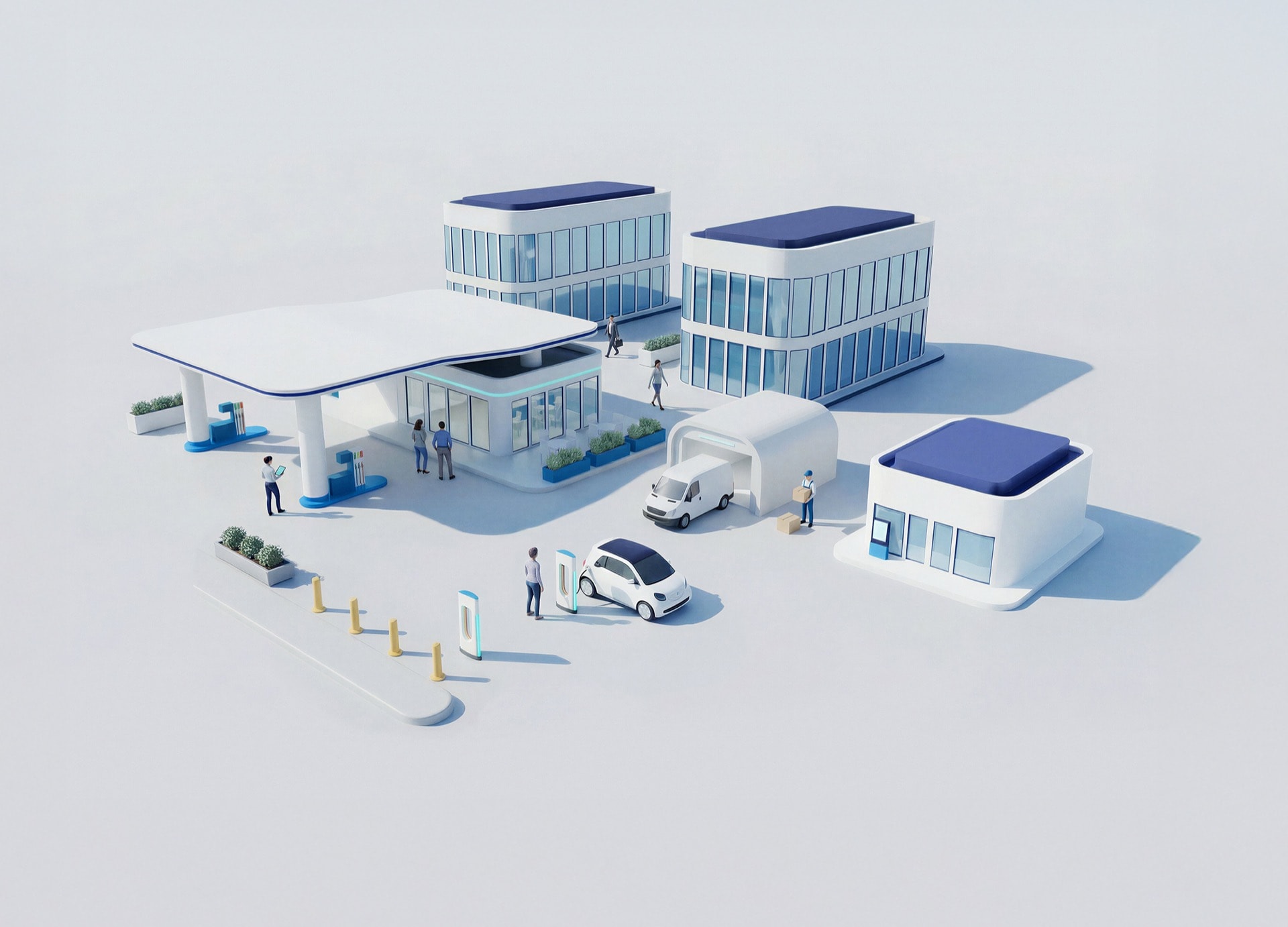
Automation teams moving a renewable-energy business process through discovery, controlled testing, deployment and production monitoring within a repeatable delivery model.
3. Repeatable delivery
One-off projects do not provide a continuous route from process discovery to development, deployment and monitoring.
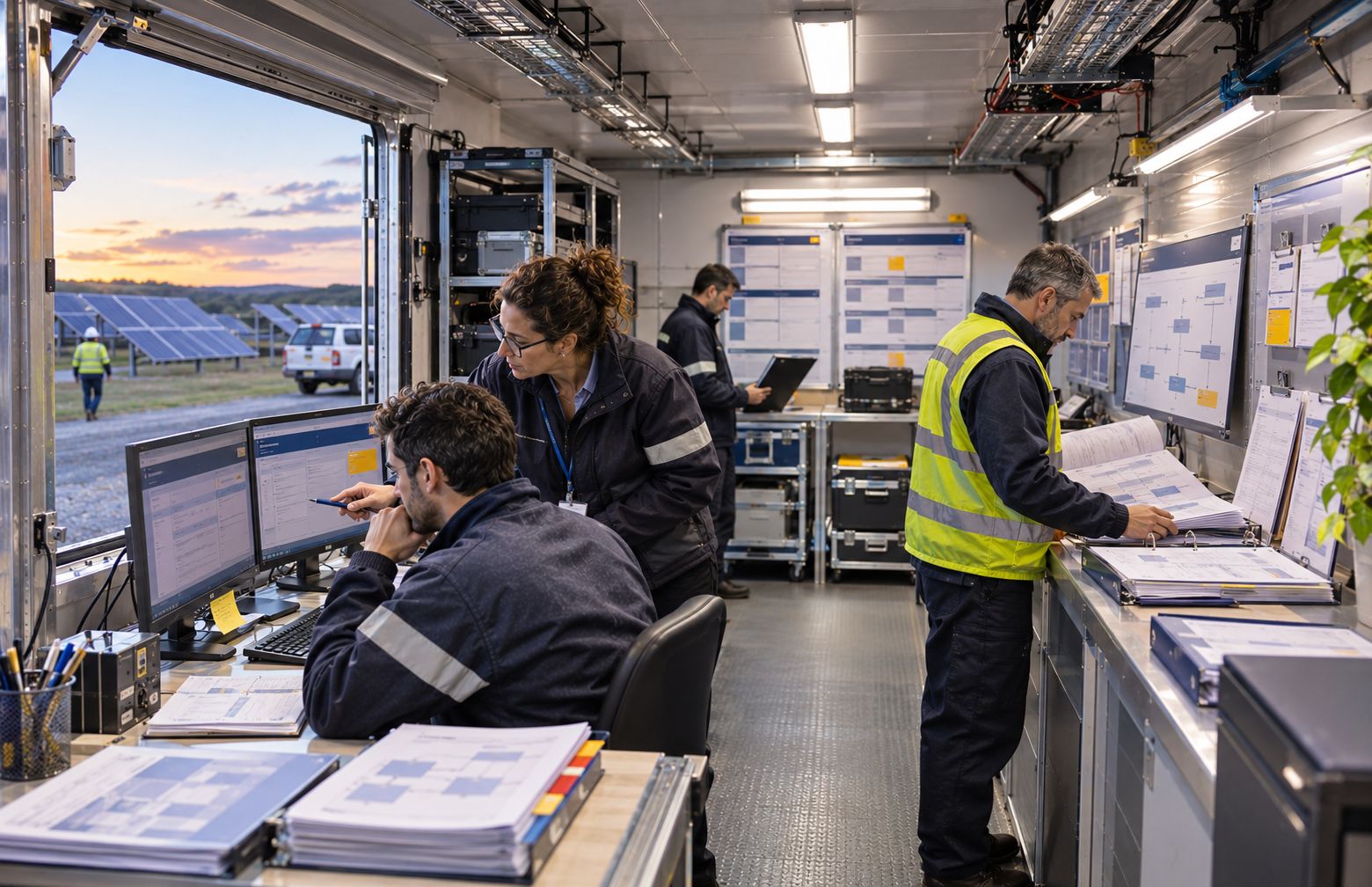
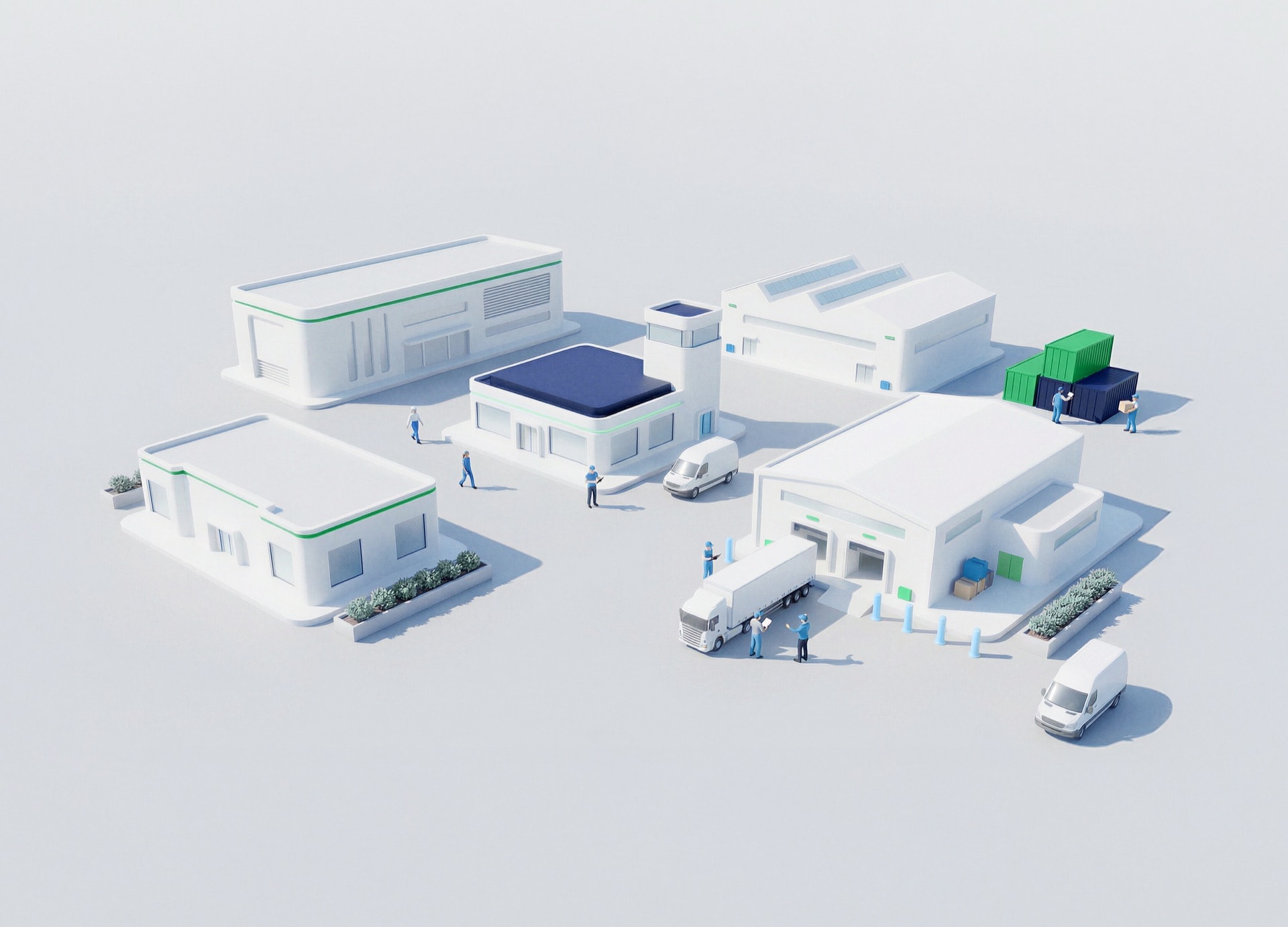
Automation support specialists testing an existing renewable-energy business bot against revised source-system interfaces and updated process requirements before returning it to production.
4. Ongoing maintenance
Existing automations need corrective and evolutionary support as processes and source systems change.
解決策
An RPA factory with lifecycle governance

NTT DATA establishes a managed automation service with governance from setup. New opportunities move through an assessed pipeline, with monitoring and support after deployment.

チェックアイコン
Factory governance

Defined how automation opportunities are identified, delivered and controlled, including responsibilities across the bot lifecycle.

チェックアイコン
Candidate discovery

Identified robotizable processes across renewable-energy and support functions to maintain a pipeline of suitable work.

チェックアイコン
Bot development and rollout

Developed and deployed automations through an enterprise RPA platform, bringing selected repetitive tasks into controlled digital workflows.

チェックアイコン
Monitoring and support

Monitored production bots and provided corrective and evolutionary maintenance as workflows and source systems changed.

影響
A repeatable model beyond individual bots

The factory brings discovery, delivery, monitoring and maintenance into one governed approach. Selected repetitive activities move from manual execution to bots, while production support keeps automations aligned with changing processes. The operating model sustains a pipeline across business areas.
ドラッグ