- All Foundries

- 商品管理と取引

- 顧客とマーケティング戦略

- デジタルエンジニアリング

- ステーション・スタジオ

- サプライチェーン&インダストリー5.0
- サステナビリティ

- Physical AI

- Next-Gen Infrastructure









From Headcount to Outcomes: a service oriented BPS Transformation in utilities sector


The transformation required operational, organizational and cultural changes to consolidate fragmented ways of working while maintaining service continuity and establishing confidence in a delivery model governed by measurable outcomes
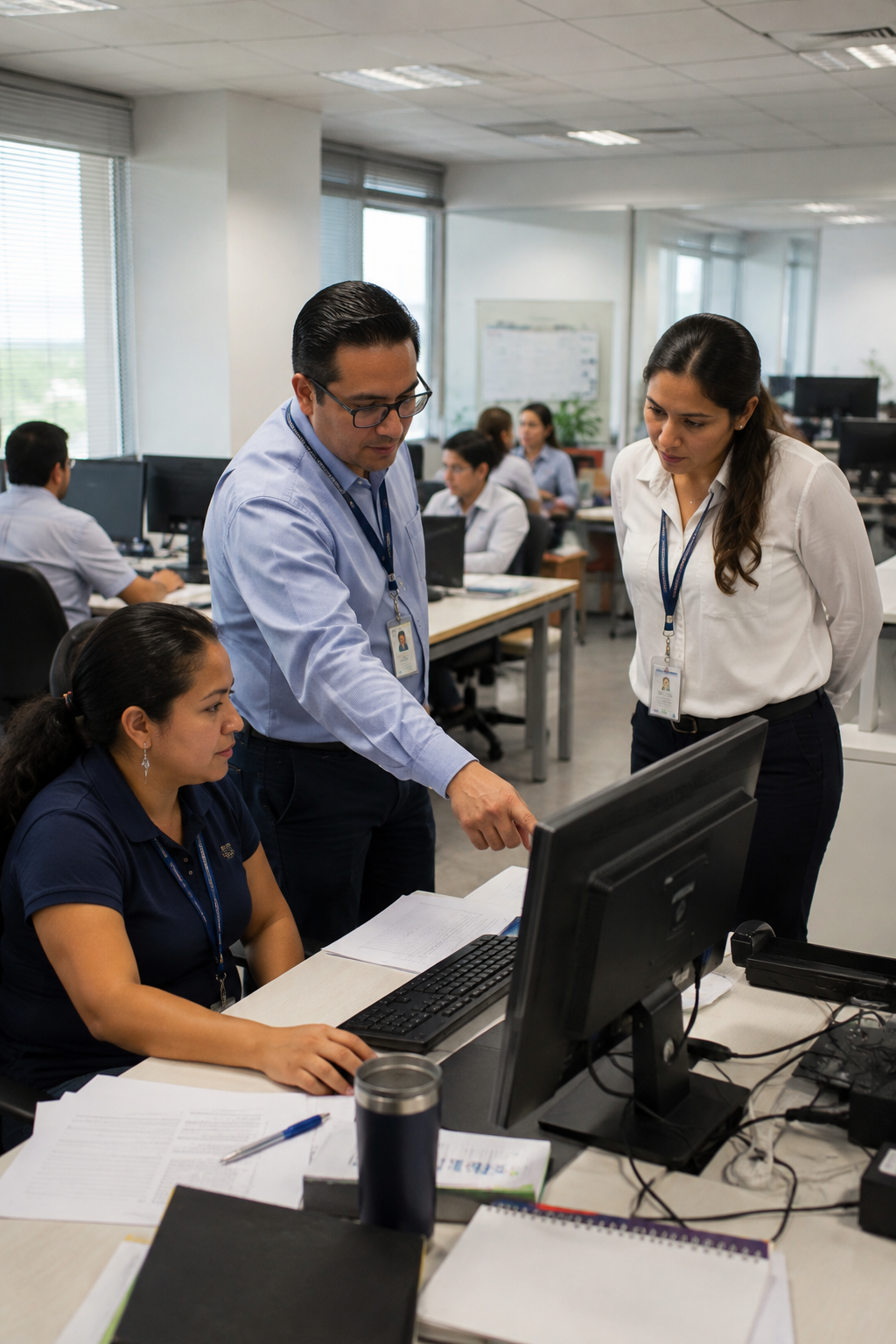
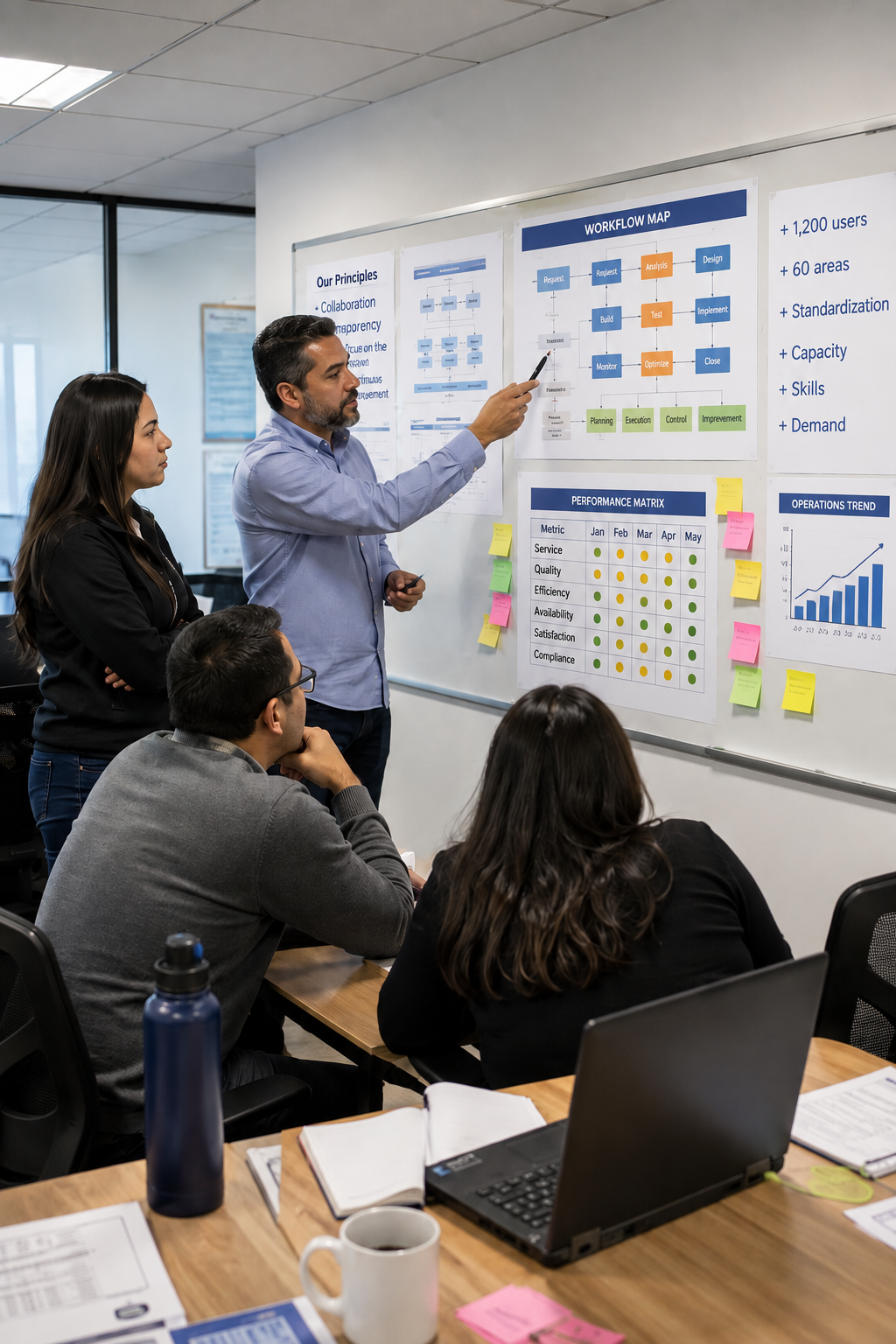
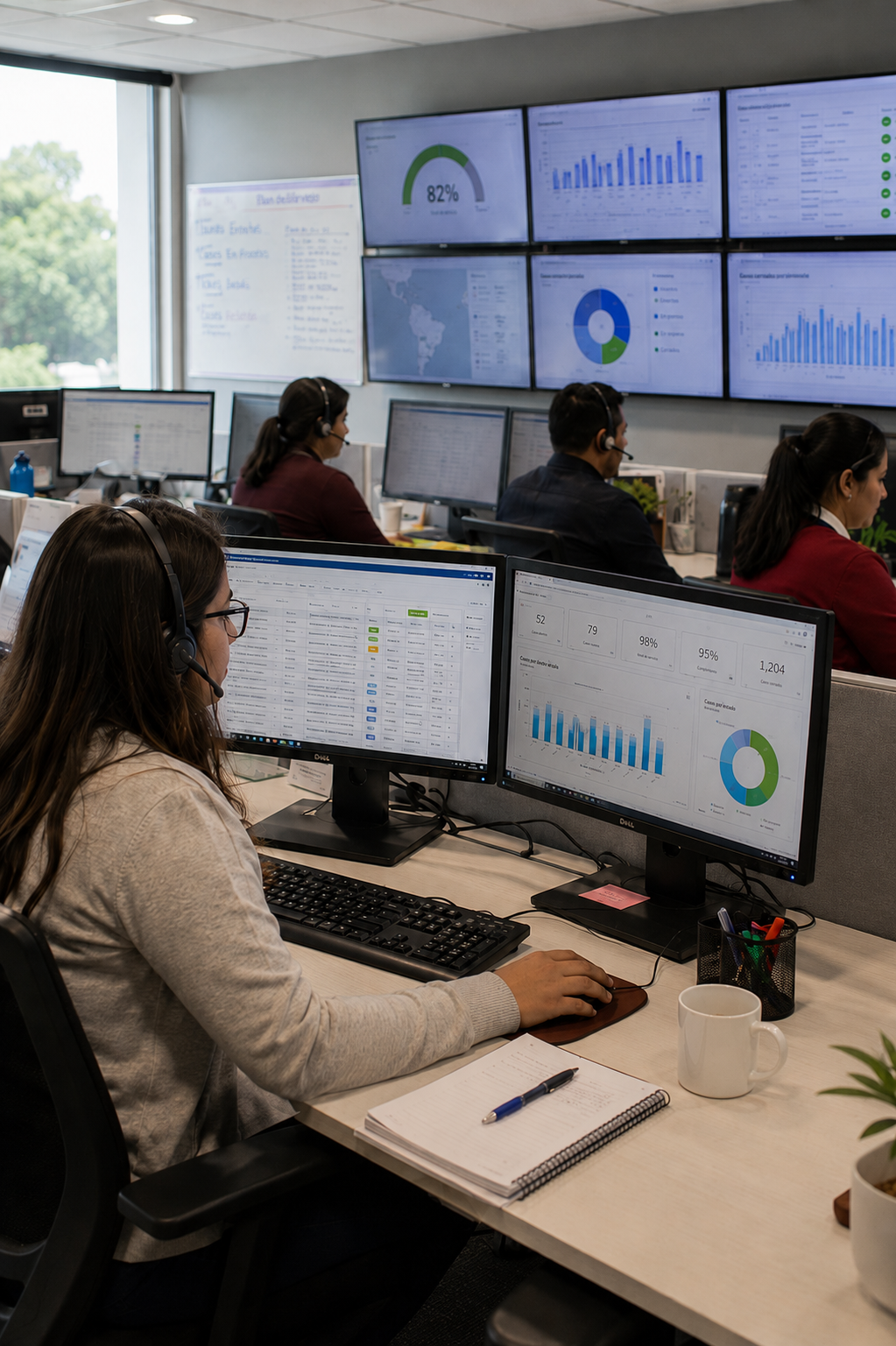

The approach combined transition stabilization, process redesign, operational orchestration and technology enablement, progressing from knowledge continuity toward a standardized and measurable service delivery model

The transition prioritized hiring employees from previous providers, achieving 97% retention from a workforce of around 500 people. This reduced the learning curve, preserved critical knowledge and minimized transition impact
Processes and activities were mapped to identify standardization opportunities, while capacity and skills were aligned with demand and employees received training to support a more orchestrated operating model with less dependence on individuals
An operational orchestration platform supported workload distribution, productivity monitoring and SLA management, automatically routing activities to analysts based on availability and capacity
The transformation combined stakeholder engagement and visible pilot results with automation, data and AI capabilities. Generative AI was applied to extract information from documents and client systems and prepare reports, supporting productivity and report quality
The transformed operation achieved a 34% productivity increase, driven mainly by the Generative AI engine used for information extraction and report preparation, while automated task distribution reduced non-productive time by 22%. The service-oriented model also enables flexible service scaling, allows internal resources to focus on core business activities and aligns the client and service provider around productivity and efficiency