


- All Foundries

- 商品管理と取引

- 顧客とマーケティング戦略

- デジタルエンジニアリング

- ステーション・スタジオ

- サプライチェーン&インダストリー5.0
- サステナビリティ

- Physical AI

- Next-Generation Infrastructure






GenAI Knowledge Retrieval for Nuclear Plant Documentation
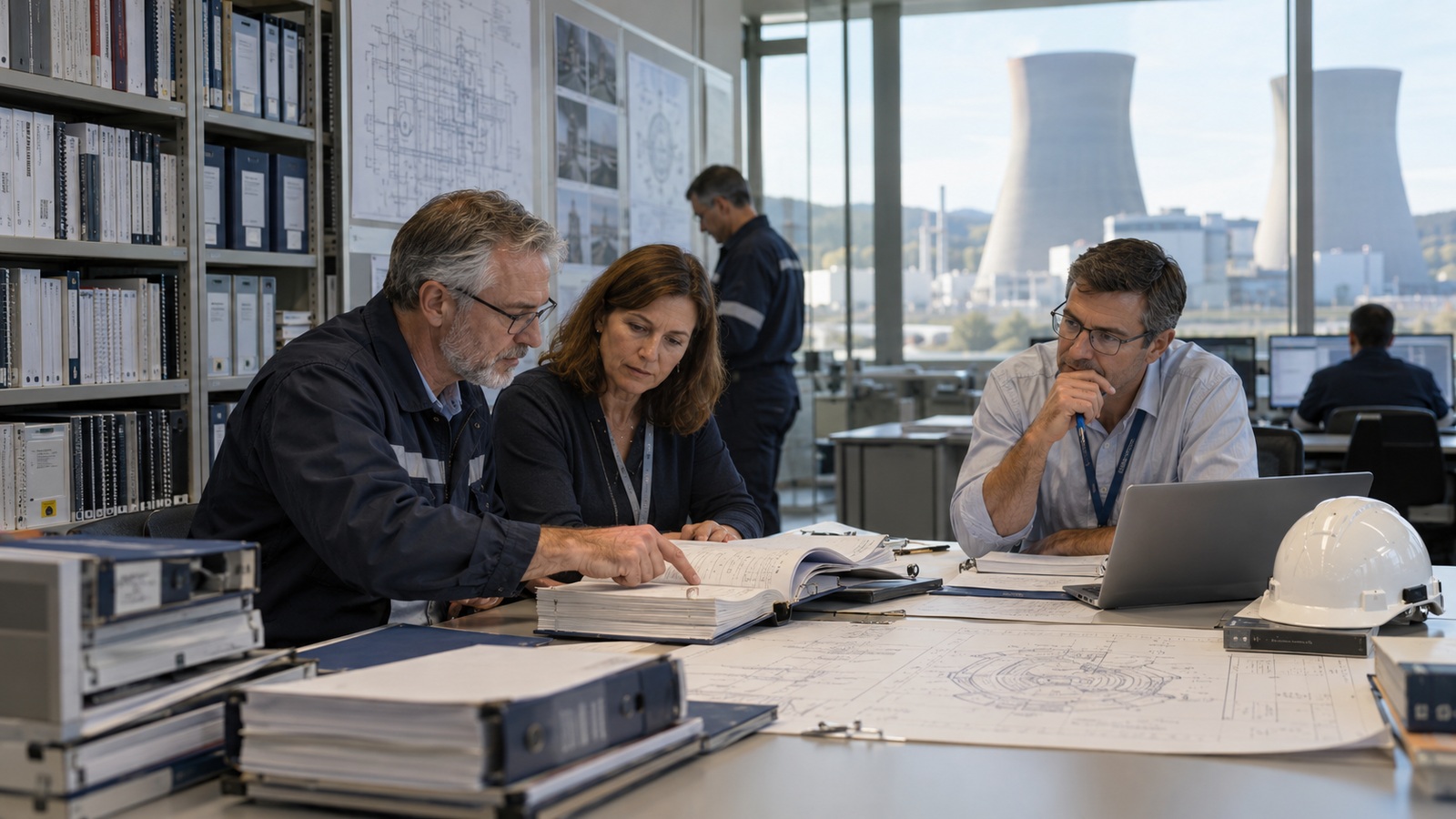
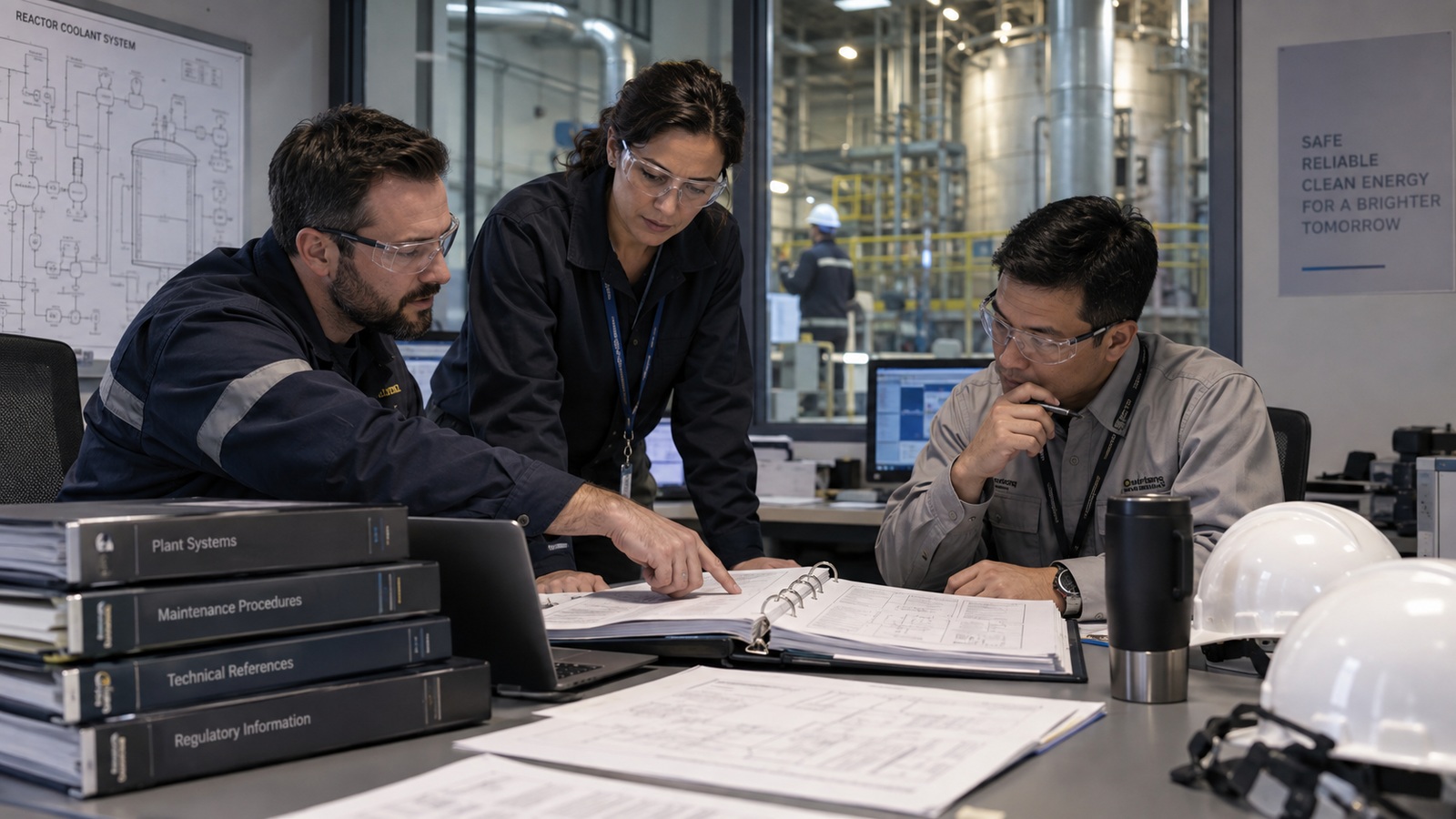
Nuclear operations depend on dense, specialized documentation. When teams need to locate the right passage, traditional keyword search can slow the path from question to usable information, especially when the user’s wording does not match the language of the source. This reference shows how GenAI and Retrieval-Augmented Generation can help turn documented technical knowledge into a more accessible operational asset.
The challenge was not simply to add an AI interface. The capability had to fit a nuclear utility context where documentation is extensive, terminology is specialized and users need confidence in how answers are produced and reused.
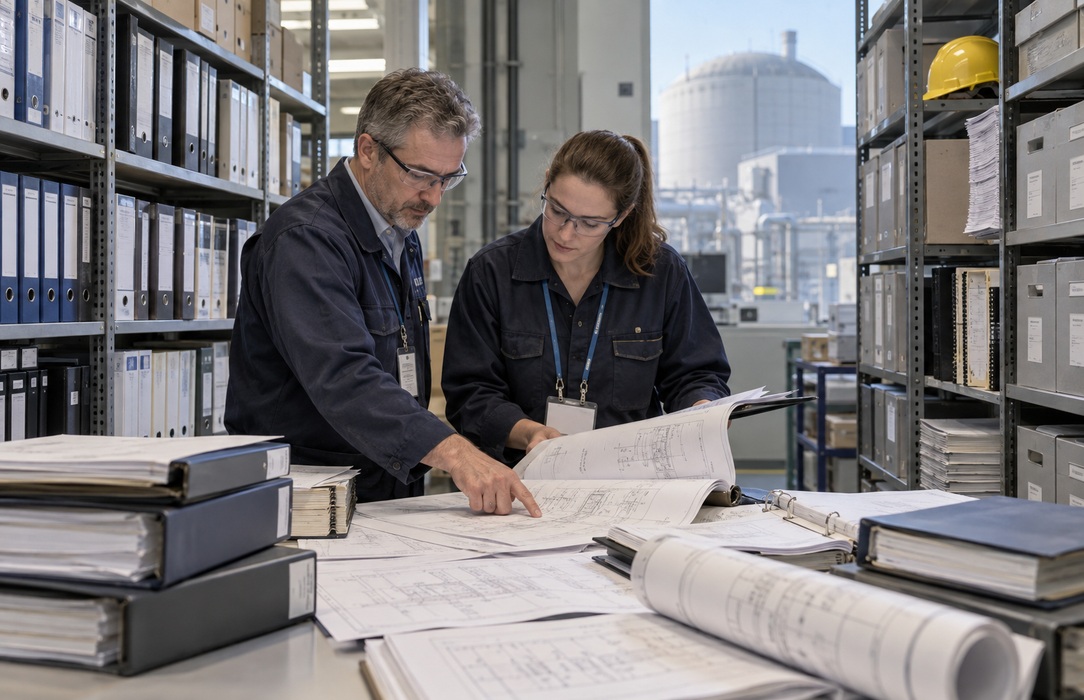
Nuclear operations rely on large volumes of technical and scientific documentation, making it difficult for users to quickly locate the most relevant material.
Traditional keyword search can miss useful passages when users phrase questions differently from the terminology used in the source documents.
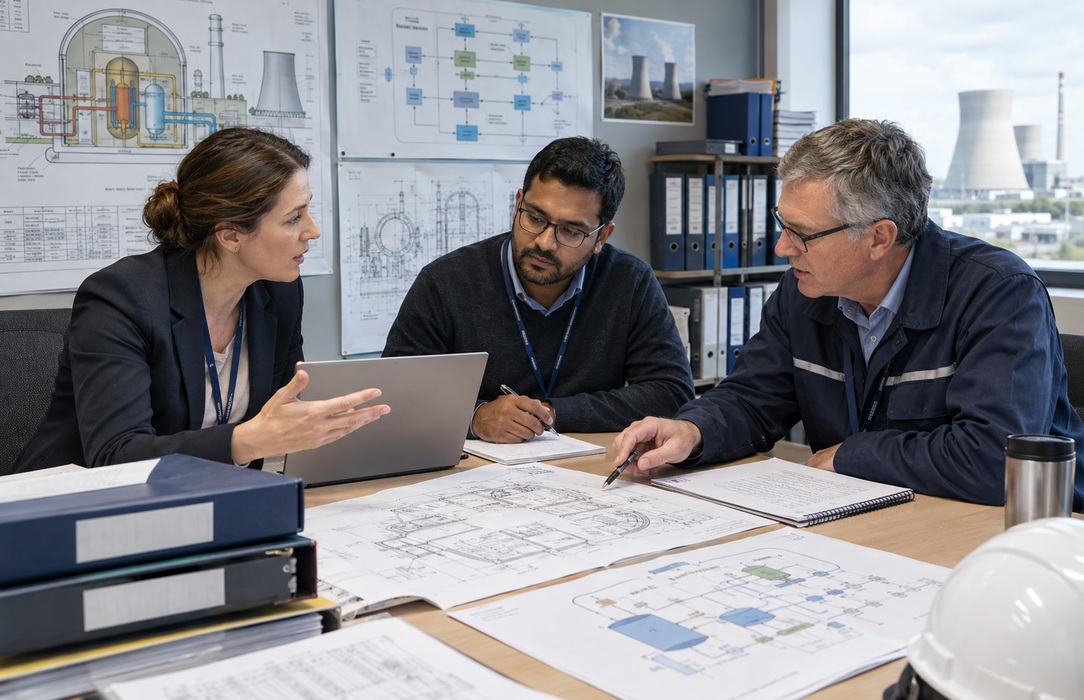
The initiative required business, data and technology requirements to be aligned so the capability responded to a real operational need rather than remaining a stand-alone technology exercise.
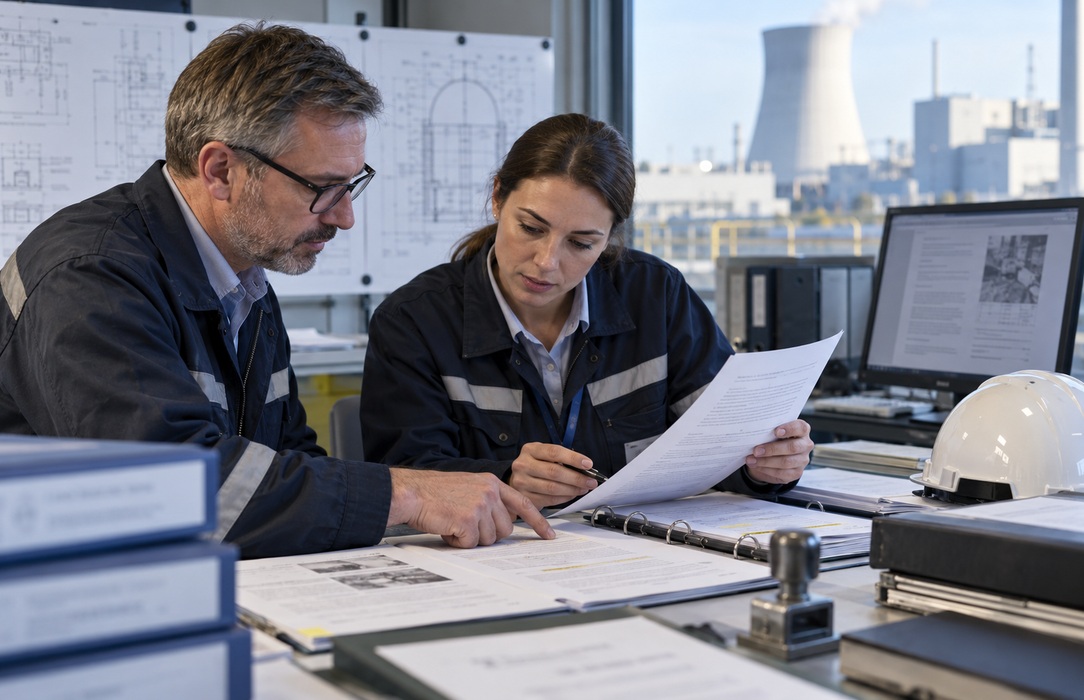
Users needed a repeatable workflow with enough traceability to understand how information was produced and how it should be applied.
The delivery approach combined document indexing, semantic retrieval, question decomposition and answer generation into an end-to-end knowledge workflow. Each element was designed to connect the user’s question back to relevant source passages before producing a concise response.

The relevant documentation corpus was indexed so the system could search technical and scientific material through semantic retrieval rather than relying only on exact keyword matches.
User questions were decomposed into related queries to improve document matching and increase the chance of surfacing relevant source passages.
The capability was structured around the business process, required data, analytical or digital capability and the way results would be consumed by users.
The workflow retrieved relevant source passages before generating concise, accessible responses grounded in the technical documentation.
The capability supports faster access to relevant technical and scientific information, more precise knowledge retrieval for complex user questions and reduced dependence on exact keyword matching. It also provides a reusable GenAI/RAG pattern for controlled industrial knowledge environments where answers need to remain connected to approved source material.
